Osaka Elegy1936
Introduction
Body of Work
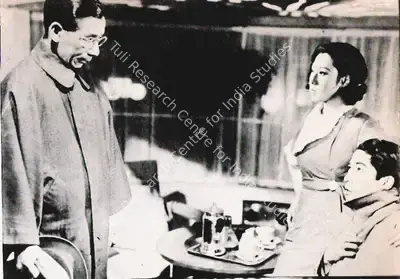
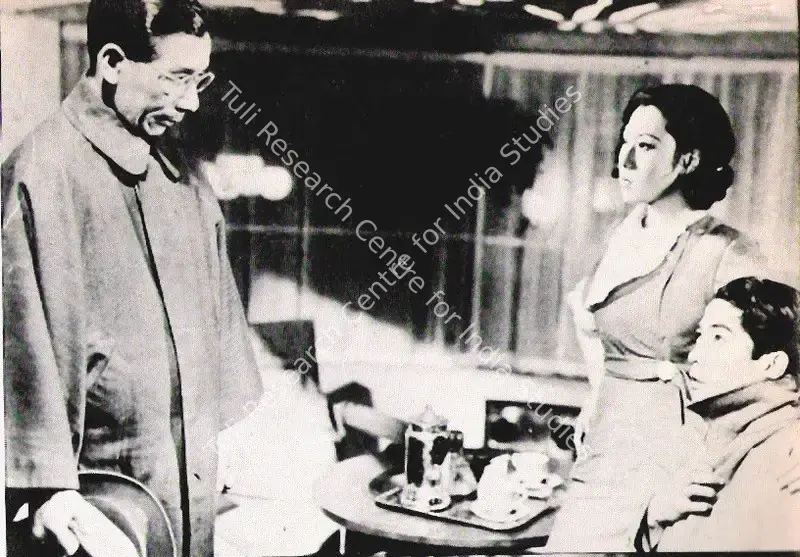
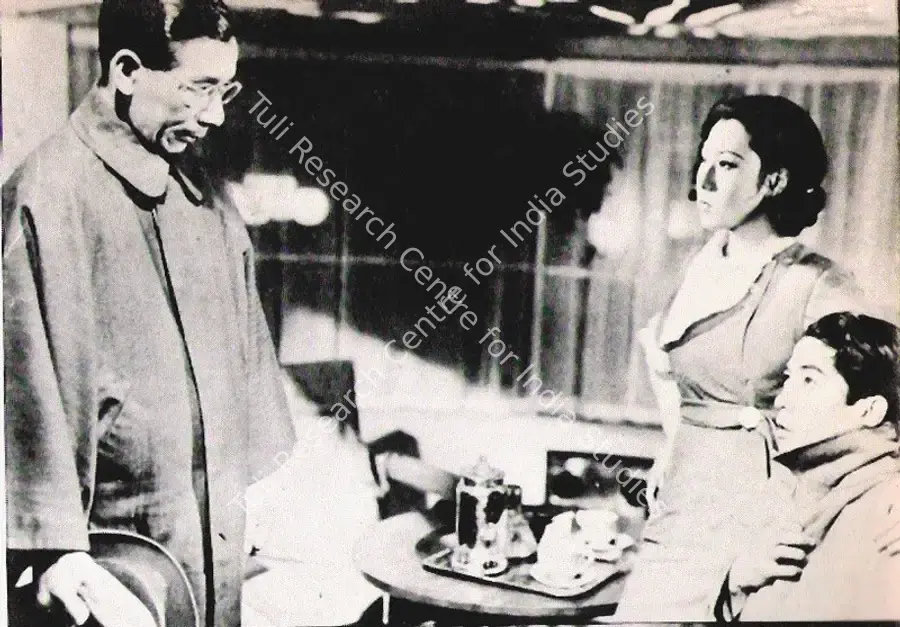
Osaka Elegy ranks with Sisters of Gion (also released in 1936) as one of Mizoguchi's greatest pre-war films. It marked the director's first collaboration with screenwriter Yoshikata Yoda, who would write the screenplays of most of Mizoguchi's subsequent works. Isuzu Yamada gives a career performance which is still regarded, in Japan, as one of the best screen portrayals ever. Ayako, a telephone operator, enters into an adulterous relationship with her well-off boss in order to help out her debt-ridden family. She does everything necessary to pay the bills of a pathetic father, a selfcentred brother, and a confused, naive sister, even as she keeps an abusive boss 'happy'. The illicit affair earns her family the wrath of the boss's wife. Ayako soon finds herself abandoned by her young fiance and on a dizzying downward spiral into ruination. Her road darkens as everyone demands more and more, gives back less and less, and shuns her for doing what they suggested and made their advantage. The film's final scene — a direct stare into the camera by actress Yamada —startled audiences in 1936. Osaka Elegy was banned in Japan in 1940 for 'decadent tendencies' but has come to be regarded as a great artistic achievement with a profound sense of the social realities of that time. This is where the main thread of Mizoguchi's work begins to appear — the depiction of society and the condition of women within that society.