
Introduction
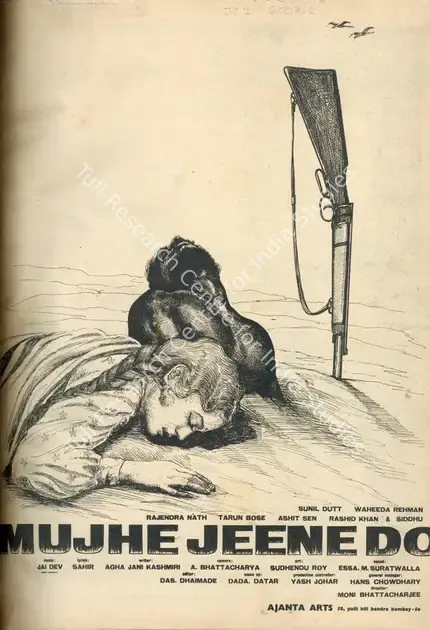
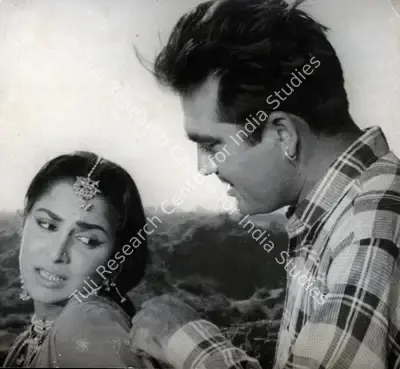
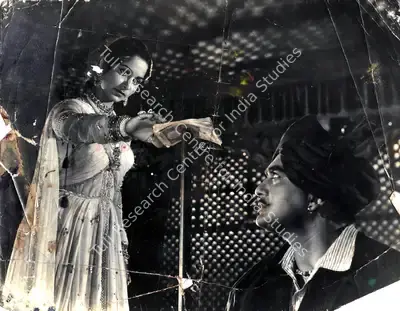
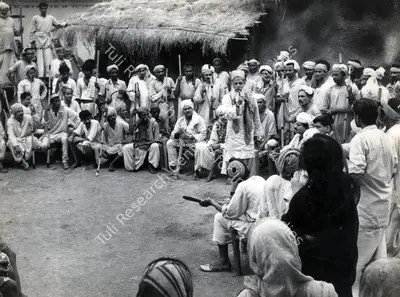
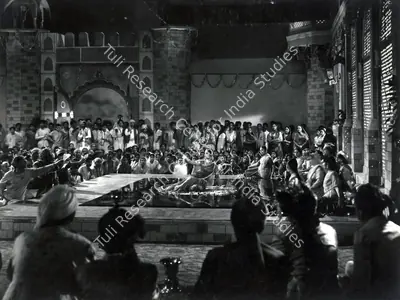
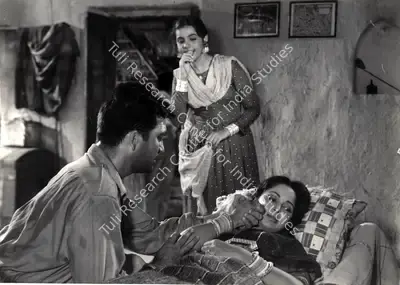
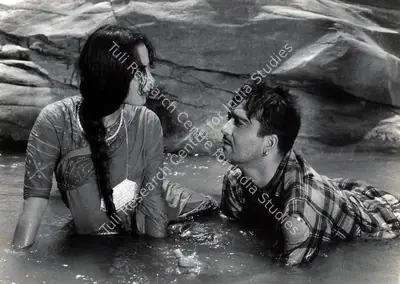
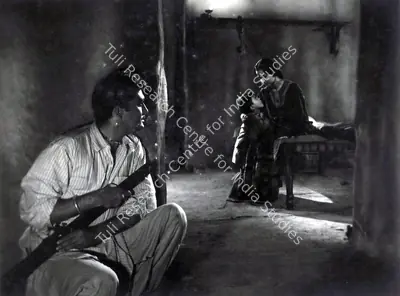
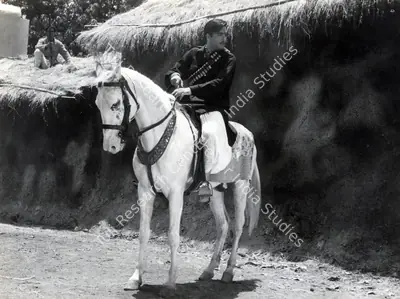
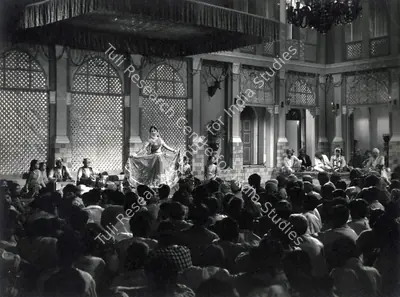
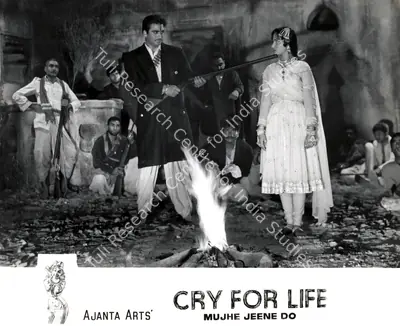
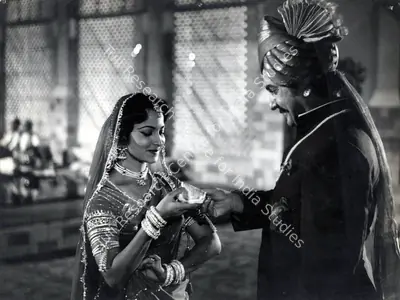
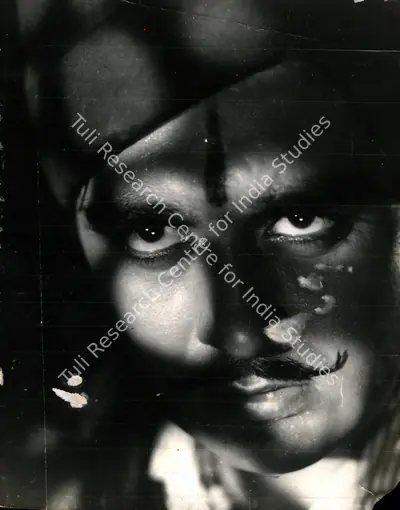
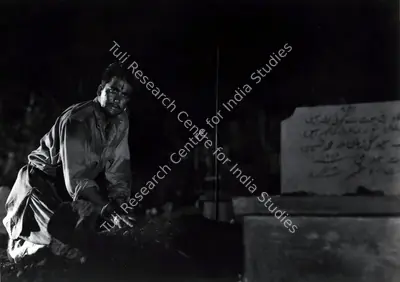
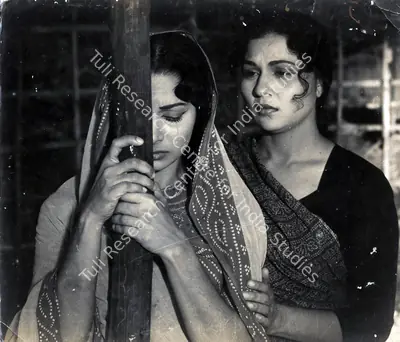
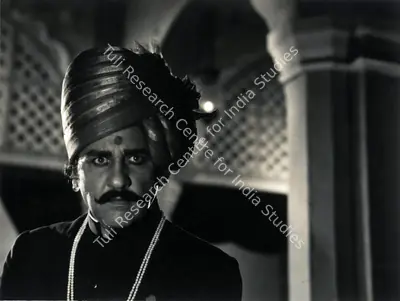
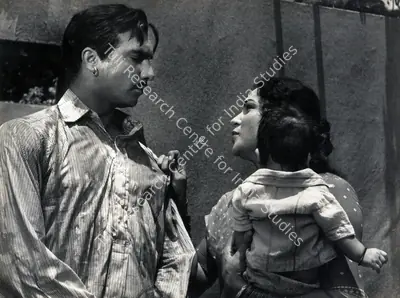
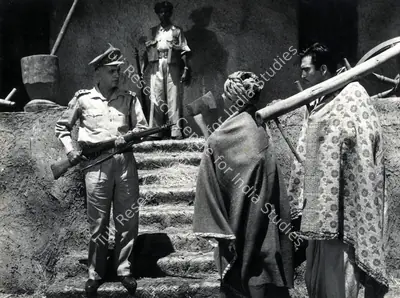
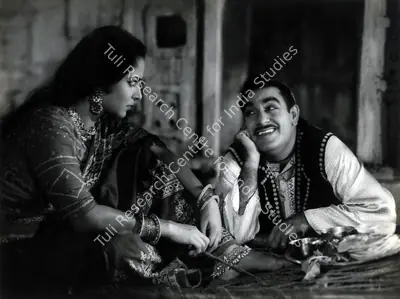
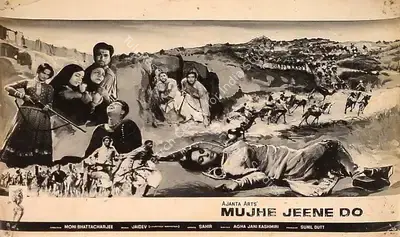
Mujhe Jeene Do, directed by Moni Bhattacharjee, offers an authentic and nuanced depiction of dacoit lives in the Chambal Valley. The film follows the story of dacoit Jarnail Singh(Sunil Dutt), a hardened outlaw living amidst the ravines of Chambal in Madhya Pradesh. His life of crime is complicated when he falls in love with Chameli (Waheeda Rehman), a resilient woman who, despite her hardships, retains her principles and stands by Jarnail. Their relationship explores themes of interfaith marriage, with Jarnail being Hindu and Chameli, Muslim, a subtle commentary on how the people who lead their lives on the fringes, escaping the watchful eyes of the mainstream society, negotiate some respite from the shackles of social and religious dogma.
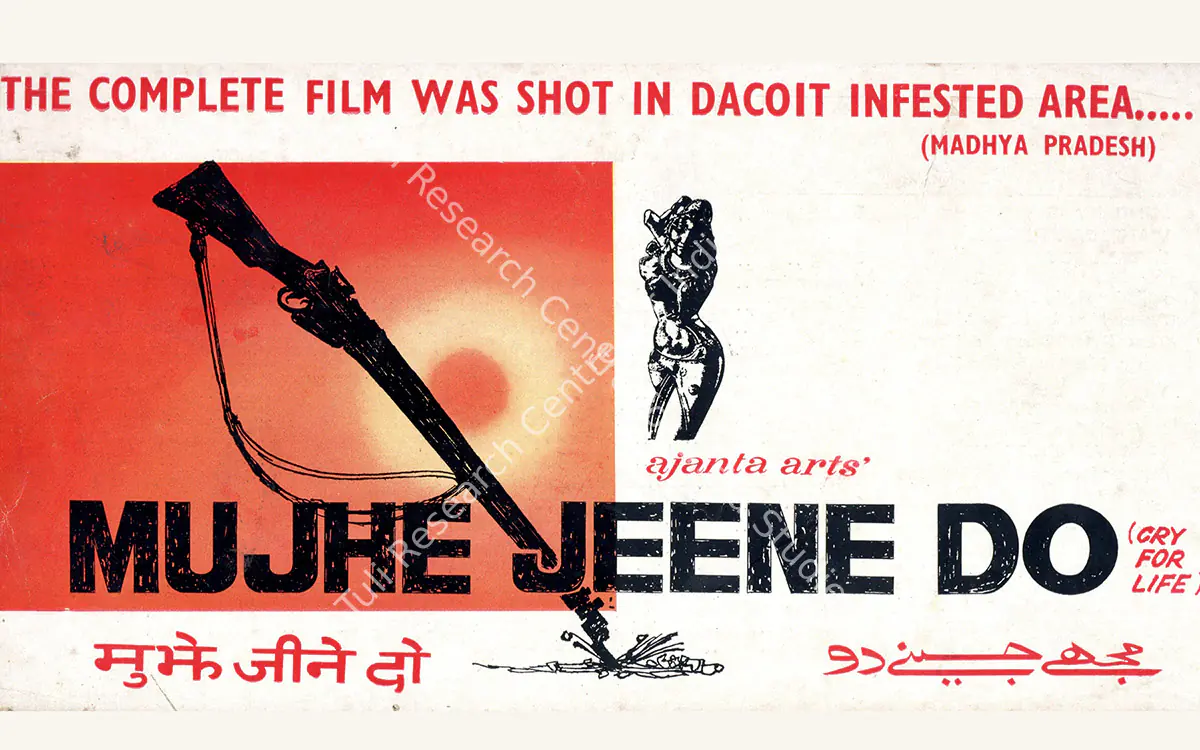
Although Mehboob Khan's Aurat(1940) and its monumental remake Mother India(1957) rendered the theme of dacoity in commercial Hindi cinema familiar, it was arguably the call for dacoit surrender by Vinoba Bhave in 1960 that brought dacoits to serious consideration and catapulted the number of films based on them. I reflects a period when dacoity was rampant, and public attention was riveted on these outlaws. Rather than depicting them as mere gunslinging villains, the film does a sensitive handling of dacoits as morally complex characters who are capable of love and redemption. Shot in the actual bandit territory of Bhind-Morena, the film captures the rugged landscape, appropriating elements of the Western genre of Hollywood within Indian context, replacing cowboys with dacoits, both being equally unique elements of the respective countries. The film was a hit among Indian public and was selected to compete at the Cannes Film Festival.
हालाँकि महबूब खान की औरत (1940) और उनके ही द्वारा निर्मित इसकी चर्चित रीमेक मदर इंडिया (1957) जैसी फ़िल्मों के चलते व्यावसायिक हिन्दी सिनेमा के लिए डकैत का किरदार अपरिचित नहीं रह गया था। लेकिन 1960 में विनोबा भावे द्वारा किया गया डकैतों के आत्मसमर्पण का आह्वान यकीनन उन्हें विमर्श के केंद्र में ले आया। सिनेमा में भी अचानक उनकी कहानियों पर रची गई पटकथाओं की संख्या में उछाल आया। यह वो दौर था जब गाँव-देहातों से डकैती की खबरें आये दिन मिला करती थीं लोगों का ध्यान इन दुर्दांत माने गए अपराधियों की ओर था। पर फ़िल्म उन्हें सिर्फ़ बंदूकधारी खलनायकों के रूप में चित्रित करने के बजाय नैतिक-अनैतिक के युद्ध में उलझे ऐसे जटिल चरित्र के रूप में पेश करती है जिसमें प्यार पाने की तपड़ और उद्धार की चाहत है। भिंड-मुरैना क्षेत्र के असली डाकू इलाके में फ़िल्माई गई मुझे जीने दो पर्दे पर उस बीहड़ परिदृश्य को ज़िन्दा कर देती है। हॉलीवुड की 'वेस्टर्न' शैली के तत्वों को भारतीय परिप्रेक्ष्य में लाते हुए फ़िल्म काऊबॉयज़ की जगह डकैतों को रख देती है। अपने-अपने देशों के सामाजिक मानचित्र पर ये दोनों ही किरदार समान रूप से नायाब माने जा सकते हैं। मुझे जीने दो भारतीय दर्शकों के बीच खूब सफल रही और इसे प्रतिष्ठित 'कान फ़िल्म समारोह' में प्रतिस्पर्धा खंड के लिए चुना गया।