
Introduction
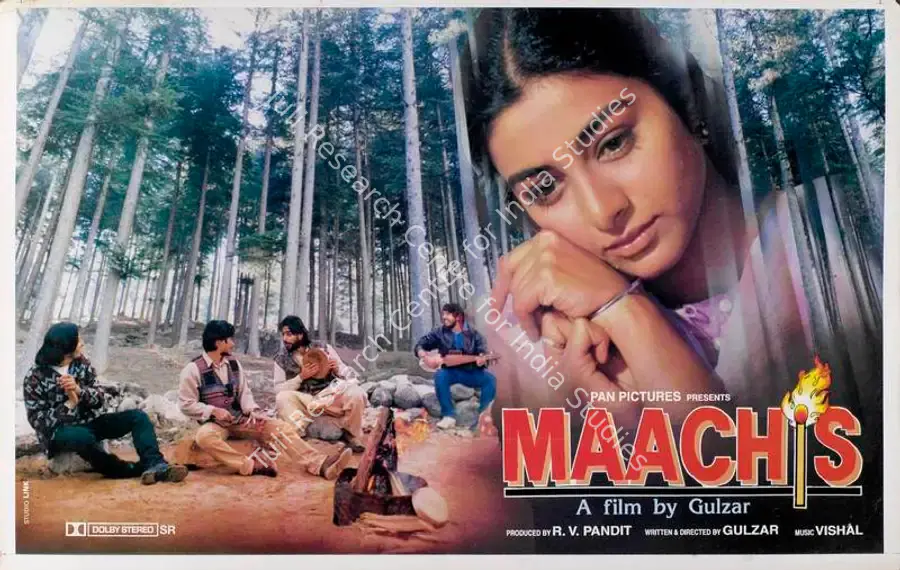
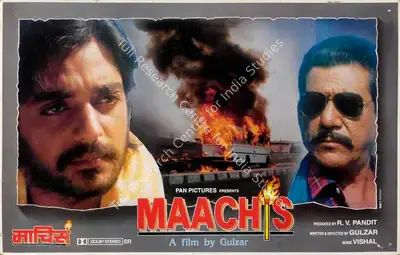
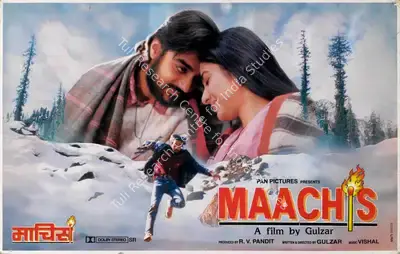
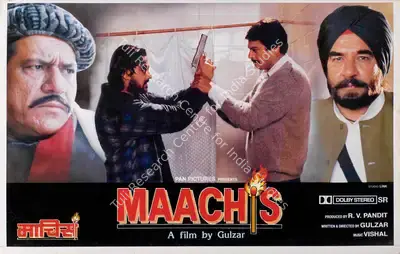
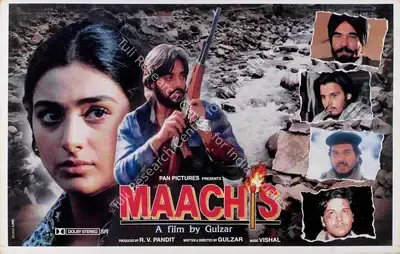
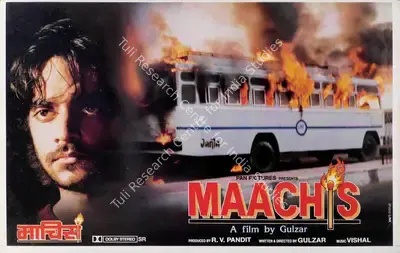
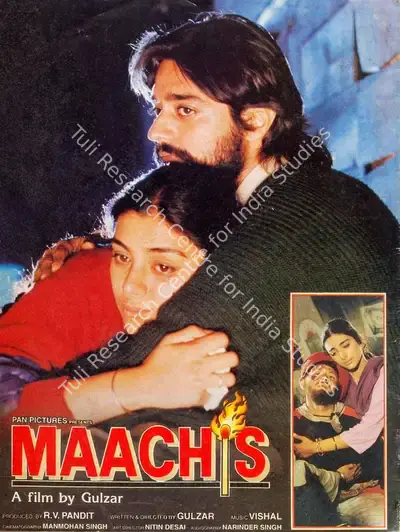
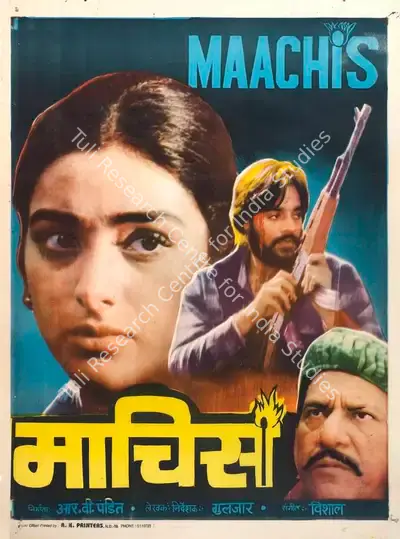
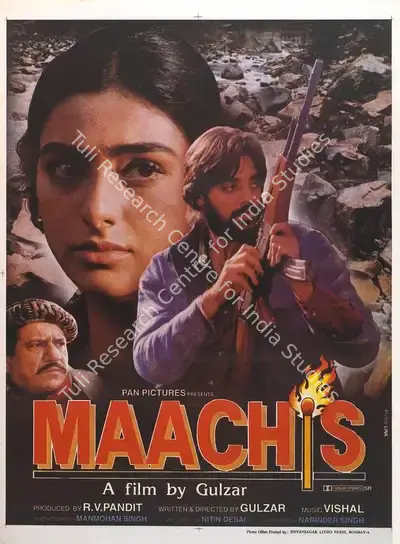
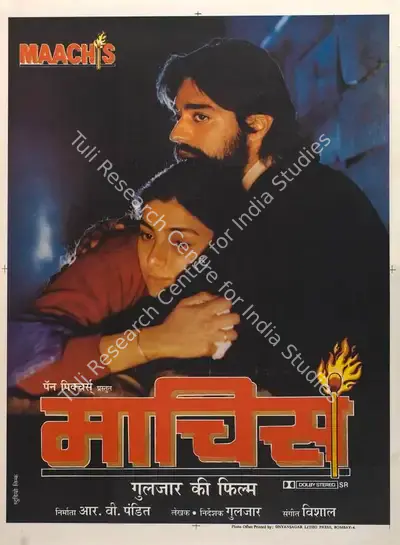
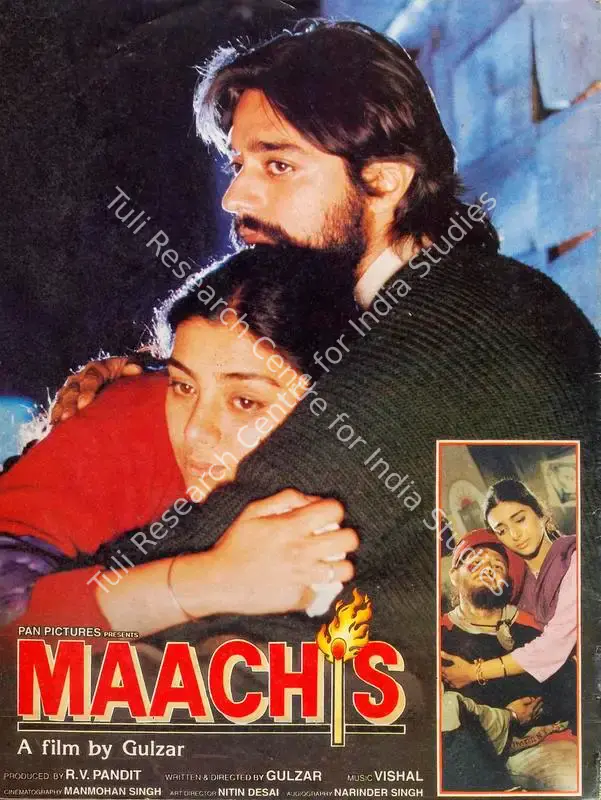
Maachis (1996) is a period political thriller written and directed by Gulzar. Starring Chandrachur Singh, Om Puri, Tabu, and Jimmy Sheirgill, the film is set against the backdrop of the Sikh insurgency in Punjab during the 1980s. It presents a compelling exploration of the personal and political consequences of militancy, examining themes of state repression, police brutality, revenge, alienation, and the radicalization of ordinary youth. Rather than portraying violence in simplistic terms, the film investigates the social and psychological circumstances that compel individuals to embrace extremism.
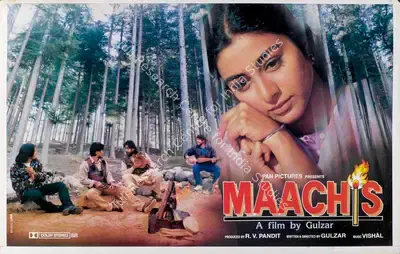
The narrative follows Kripal (Chandrachur Singh), whose life is irreversibly altered when his close friend Jassi, the brother of Veeran (Tabu), is unjustly arrested and brutally tortured by the police during anti-militant operations. Denied legal justice and disillusioned by the state's abuse of power, Kripal gradually becomes involved with an underground militant organization led by Sanatan (Om Puri). As the cycle of violence intensifies, Veeran also joins the group at its mountain hideout, where plans for armed resistance are formulated. Ultimately, internal conflicts, ideological disillusionment, and relentless violence lead to the destruction of the militant cell, symbolizing how human lives are consumed like matchsticks—the metaphor that gives the film its title.
Released on 25 October 1996, Maachis received widespread critical acclaim for its direction, screenplay, dialogue, performances, and sensitive treatment of a politically complex subject. The film was also commercially successful, earning approximately ₹6.19 crore against a production budget of ₹2 crore. Its music, composed by Vishal Bhardwaj with lyrics by Gulzar, remains one of its defining strengths. Blending Punjabi folk traditions with poetic lyricism and emotional depth, the soundtrack features memorable songs such as Chappa Chappa (Hariharan and Suresh Wadkar), Chhod Aaye Hum (Hariharan, Suresh Wadkar, Vinod Sehgal, and K. K.), and Pani Pani Re (Lata Mangeshkar). At the 44th National Film Awards, Maachis won the awards for Best Popular Film Providing Wholesome Entertainment and Best Actress (Tabu). At the 42nd Filmfare Awards, it received ten nominations and won four awards, including Best Male Debut for Chandrachur Singh and the R. D. Burman Award for Vishal Bhardwaj.
कहानी कृपाल (चंद्रचूड़ सिंह) के इर्द-गिर्द घूमती है, जिसकी ज़िंदगी तब पूरी तरह बदल जाती है जब उसके क़रीबी दोस्त जस्सी, जो वीरन (तब्बू) का भाई है और उसको उग्रवाद-विरोधी अभियानों के दौरान पुलिस गलत तरीक़े से गिरफ़्तार कर लेती है और बेरहमी से प्रताड़ित करती है। कानूनी न्याय न मिलने और सत्ता के दुरुपयोग से निराश होकर, कृपाल धीरे-धीरे सनातन (ओम पुरी) के नेतृत्व वाले एक भूमिगत उग्रवादी संगठन से जुड़ जाता है। जैसे-जैसे हिंसा का दौर बढ़ता है, वीरन भी पहाड़ों में बने संगठन के ठिकाने पर उनसे आ मिलती है, जहाँ सशस्त्र प्रतिरोध की योजनाएँ बनाई जाती हैं। आख़िरकार, आपसी मतभेद, विचारधारा से मोहभंग और लगातार हिंसा के कारण उस उग्रवादी गुट का विनाश हो जाता है। यह इस बात का प्रतीक है कि कैसे इंसानी ज़िंदगी माचिस की तीलियों की तरह जलकर ख़त्म हो जाती है। यही वह रूपक है जिससे फ़िल्म को अपना शीर्षक मिला है।
25 अक्टूबर 1996 को रिलीज़ हुई फ़िल्म 'माचिस' को इसके निर्देशन, पटकथा, संवाद, अभिनय और राजनीतिक रूप से जटिल विषय को संवेदनशीलता से दिखाने के लिए आलोचकों से बहुत तारीफ़ मिली। यह फ़िल्म व्यावसायिक तौर पर भी सफल रही। ₹2 करोड़ के बजट में बनी इस फ़िल्म ने लगभग ₹6.19 करोड़ की कमाई की। विशाल भारद्वाज का संगीत और गुलज़ार के बोल इस फ़िल्म की सबसे बड़ी ख़ूबियों में से एक हैं। पंजाबी लोक परंपराओं को काव्यात्मक बोलों और भावनाओं की गहराई के साथ मिलाते हुए, इसके संगीत में 'चप्पा चप्पा' (हरिहरन और सुरेश वाडकर), 'छोड़ आए हम' (हरिहरन, सुरेश वाडकर, विनोद सहगल और के.के.) और 'पानी पानी रे' (लता मंगेशकर) जैसे शानदार गाने शामिल हैं। 44वें राष्ट्रीय फ़िल्म पुरस्कारों में, 'माचिस' ने 'बेस्ट पॉपुलर फ़िल्म प्रोवाइडिंग होलसम एंटरटेनमेंट' (बेहतरीन मनोरंजन देने वाली लोकप्रिय फ़िल्म) और 'बेस्ट एक्ट्रेस' (तब्बू) का पुरस्कार जीता। 42वें फ़िल्मफ़ेयर पुरस्कारों में, इसे दस नॉमिनेशन मिले और इसने चार पुरस्कार जीते, जिनमें चंद्रचूड़ सिंह के लिए 'बेस्ट मेल डेब्यू' और विशाल भारद्वाज के लिए 'आर.डी. बर्मन अवॉर्ड' शामिल हैं।