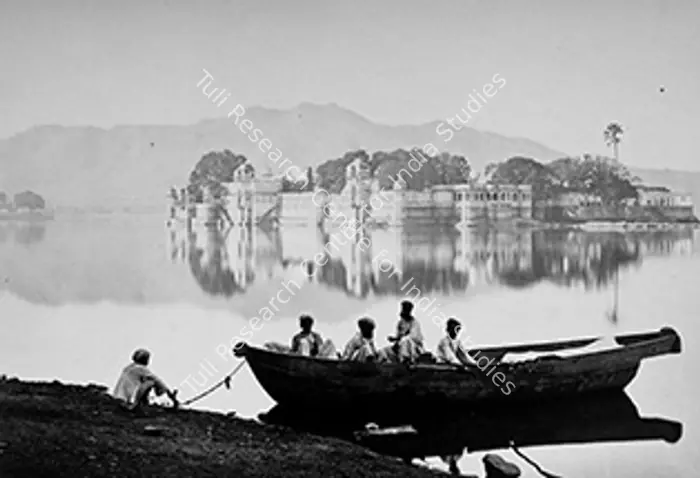

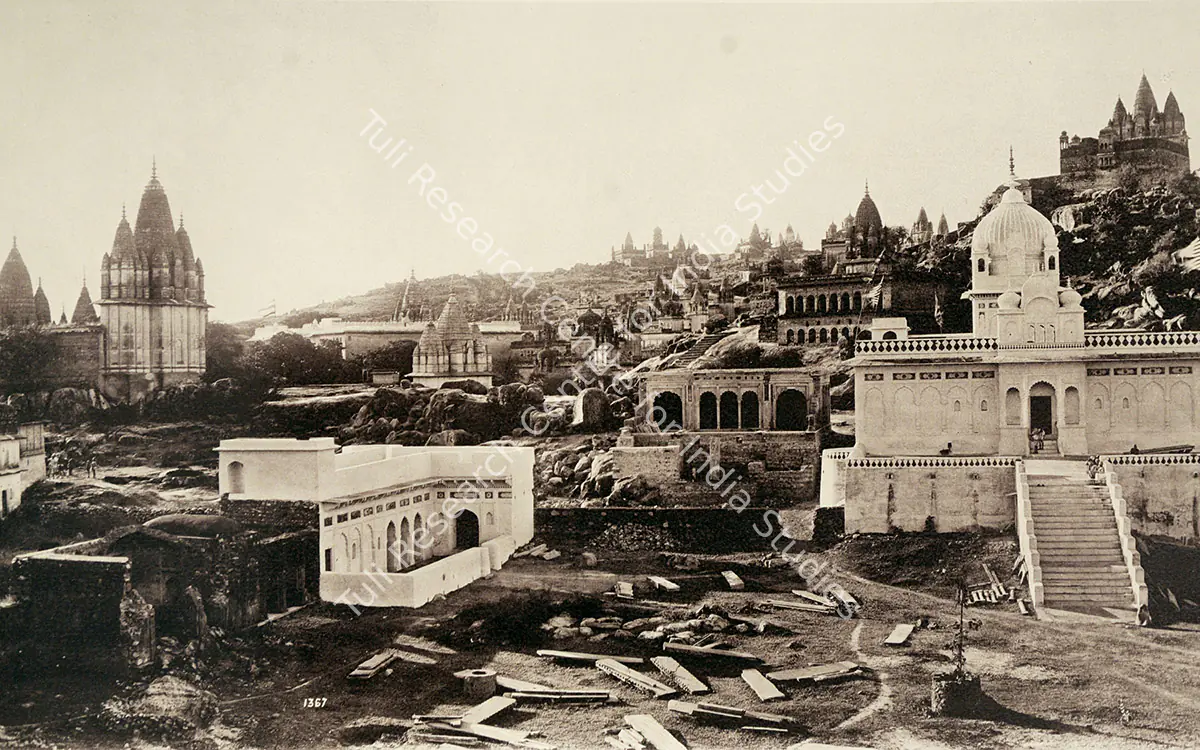
Lala Deen Dayal

b. 1844, Sardhana, North West Province, India

d. 05 Jul 1905, Mumbai, India


Lala Deen Dayal
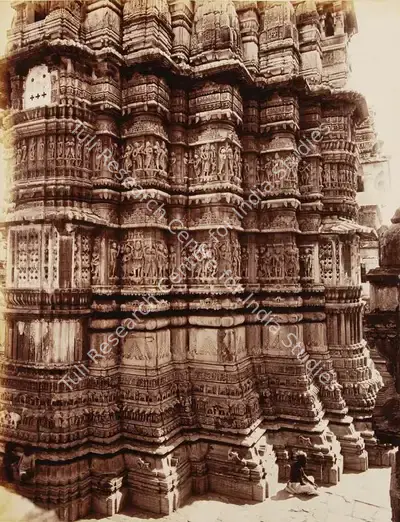
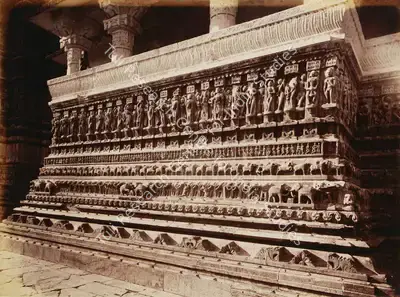
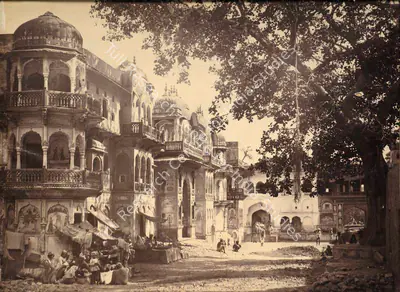
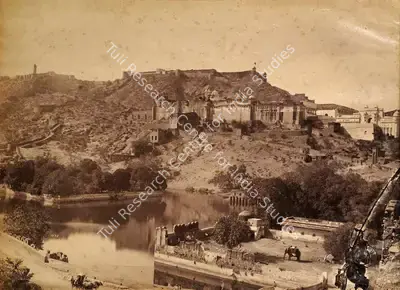
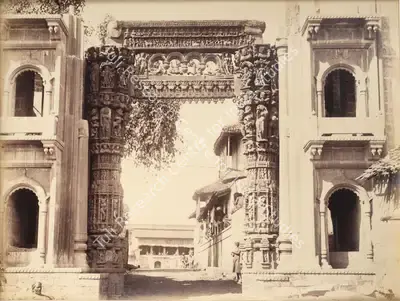
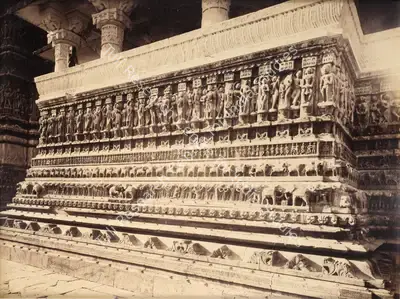
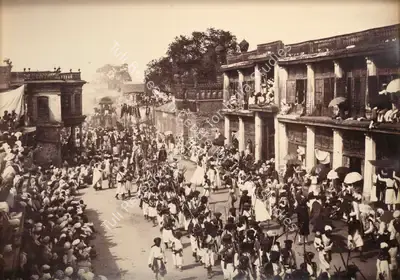
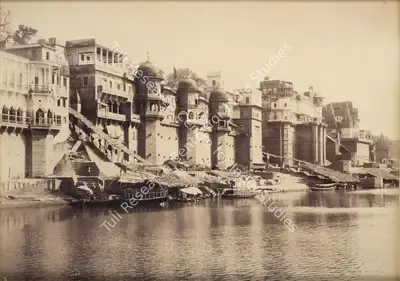
Having studied surveying at Thomason Civil Engineering College in Roorkee, Deen Dayal got a job in Indore at the Public Works Department. It was here, sometime around 1874, that he took up photography — photographing high ranking dignitaries from early on including Lord Northbrooke in 1878 and the Prince of Wales in 1876. Between the mid-1870s and his demise in 1905, he and his studio produced more than 30,000 pictures with an impressive breadth of subject matter that reflected the many genres of 19th century photography. This included lavish durbars, game hunts, architectural views, striking landscapes, festival processions, documentation of military processions, as well as functions of the state machinery, like railway construction and famine relief work. During the early 1880s, he photographed his first camp of exercise at the cantonment town of Mhow near Indore. Shortly after he accompanied Sir Lepel Griffin on a tour of Bundelkhand and by 1885, he took a two-year furlough from his job to undertake a “photographic tour” of India documenting various sites including Mughal-era monuments in Secundra and Agra. At the end of his furlough, he relocated to the Nizam’s Dominion of Hyderabad and by 1889, he had established a branch of his studio in Secunderabad. Around this time, Dayal was also developing a new clientele - the “Zenana Ladies” as they were called in the newspapers who were photographed by a “competent lady-artist” reportedly named Mrs. Kenny-Levick. By 1894, he was appointed official court photographer by the Nizam of Hyderabad and granted the title “Raja Bahadur Mussavir Jung”. The studio’s fortunes were to be turned, however, after the Delhi Durbar of 1903 which captured masterful images of the celebrations, but the expenses incurred to set up the studio were not recovered through the sales of the “Coronation Album”. Deen Dayal’s work intersected with, and made use of, the dominant power structures of the period and reflect upon the aesthetic and technical excellence of an Indian artist with an apparatus that was foreign. From compositions to tonal gradation, Deen Dayal employed the standards of a ‘good image’ laid out in the photographic journals and instruction books of the time.

Research Centre
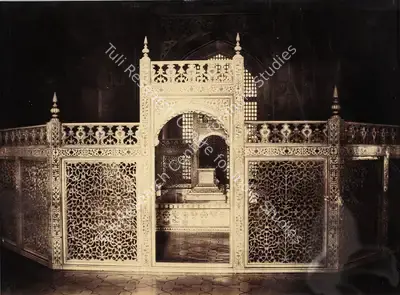
Dayal, Lala Deen (Photographer), Marble enclosure with cenotaph of Mumtaz Mahal and Shah Jahan within the Taj Mahal, Agra, c.1880 | Antiquarian Photograph

Dayal, Lala Deen (Photographer), Marble enclosure with cenotaph of Mumtaz Mahal and Shah Jahan within the Taj Mahal, Agra, c.1880 | Antiquarian Photograph

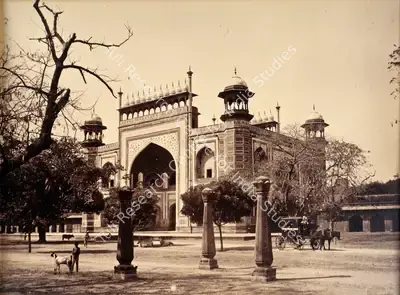
Dayal, Lala Deen (Photographer), Three old lantern posts (without the lanterns on top) in the north-eastern quadrangle to the south of the main gate to the Taj Mahal, Agra, c.1880 | Antiquarian Photograph

Dayal, Lala Deen (Photographer), Three old lantern posts (without the lanterns on top) in the north-eastern quadrangle to the south of the main gate to the Taj Mahal, Agra, c.1880 | Antiquarian Photograph

Dayal, Lala Deen (Photographer), Caves 9 -7 (from left), Buddhist caves, Ellora, c.1880 | Antiquarian Photograph

Dayal, Lala Deen (Photographer), Caves 9 -7 (from left), Buddhist caves, Ellora, c.1880 | Antiquarian Photograph

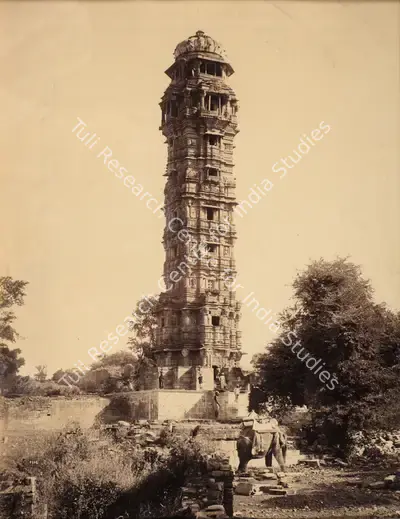
Dayal, Lala Deen (Photographer), Tower of Victory in Chittorgarh Fort, Rajasthan, c.1880 | Antiquarian Photograph

Dayal, Lala Deen (Photographer), Tower of Victory in Chittorgarh Fort, Rajasthan, c.1880 | Antiquarian Photograph

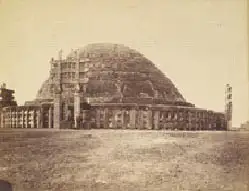
Dayal, Lala Deen (Photographer), The Great Stupa (Stupa No.1) at Sanchi as seen from the north, M.P., c.1880 | Antiquarian Photograph

Dayal, Lala Deen (Photographer), The Great Stupa (Stupa No.1) at Sanchi as seen from the north, M.P., c.1880 | Antiquarian Photograph

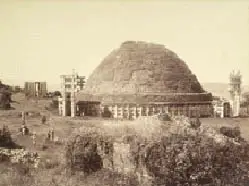
Dayal, Lala Deen (Photographer), The Great Stupa (Stupa No.1) at Sanchi as seen from the north-east, M. P., c.1880 | Antiquarian Photograph

Dayal, Lala Deen (Photographer), The Great Stupa (Stupa No.1) at Sanchi as seen from the north-east, M. P., c.1880 | Antiquarian Photograph

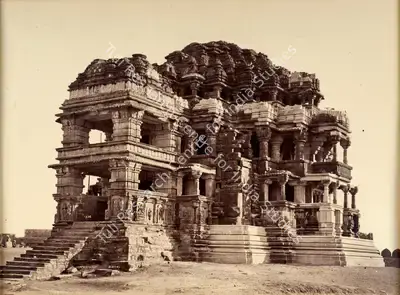
Dayal, Lala Deen (Photographer), Sas Bahu Temple, Gwalior, 1885 | Antiquarian Photograph

Dayal, Lala Deen (Photographer), Sas Bahu Temple, Gwalior, 1885 | Antiquarian Photograph

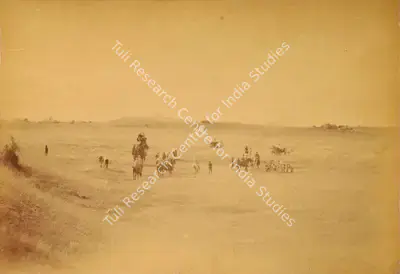
Dayal, Lala Deen (Photographer), Ready to start for Cheeta Hunt, November 1889 | Antiquarian Photograph

Dayal, Lala Deen (Photographer), Ready to start for Cheeta Hunt, November 1889 | Antiquarian Photograph

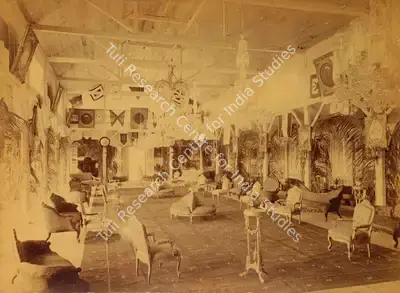
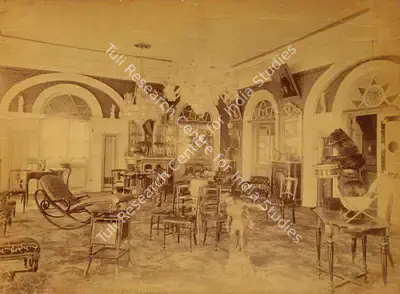
Dayal, Lala Deen (Photographer), Bashir-bagh Ball room, November 1889 | Antiquarian Photograph

Dayal, Lala Deen (Photographer), Bashir-bagh Ball room, November 1889 | Antiquarian Photograph

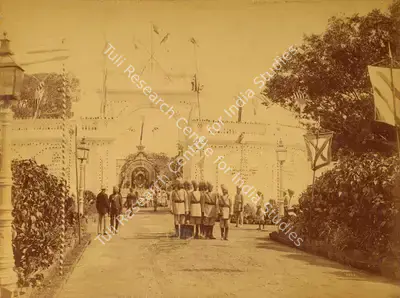
Dayal, Lala Deen (Photographer), Bashir-bagh Gateway, November 1889 | Antiquarian Photograph

Dayal, Lala Deen (Photographer), Bashir-bagh Gateway, November 1889 | Antiquarian Photograph

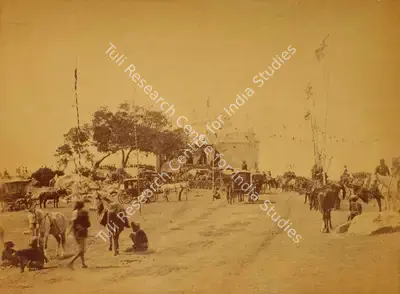
Dayal, Lala Deen (Photographer), Asmangurh Saraconagar, November 1889 | Antiquarian Photograph

Dayal, Lala Deen (Photographer), Asmangurh Saraconagar, November 1889 | Antiquarian Photograph

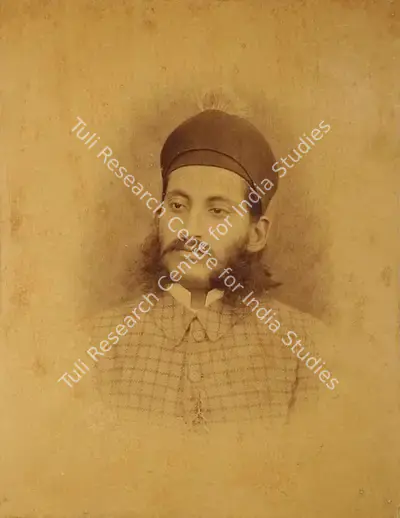
Dayal, Lala Deen (Photographer), His Highness the Nizam G.C.S.I, November 1889 | Antiquarian Photograph

Dayal, Lala Deen (Photographer), His Highness the Nizam G.C.S.I, November 1889 | Antiquarian Photograph

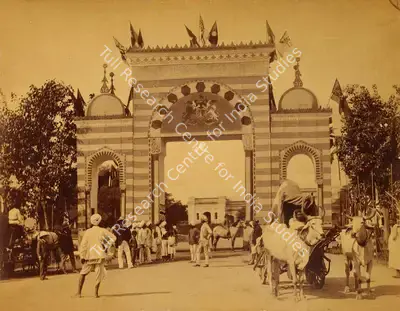
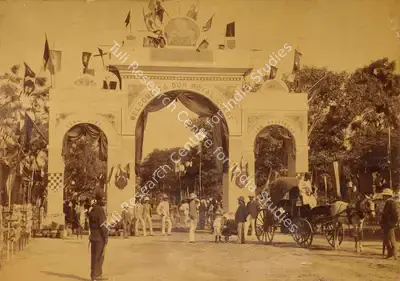
Dayal, Lala Deen (Photographer), Railway Station Arch, November 1889 | Antiquarian Photograph

Dayal, Lala Deen (Photographer), Railway Station Arch, November 1889 | Antiquarian Photograph

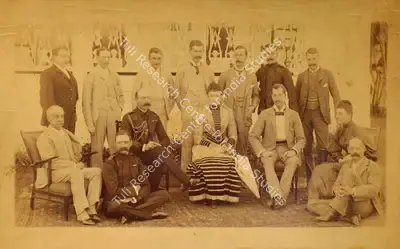
Dayal, Lala Deen (Photographer), Royal Party and Suite, November 1889 | Antiquarian Photograph

Dayal, Lala Deen (Photographer), Royal Party and Suite, November 1889 | Antiquarian Photograph

Dayal, Lala Deen (Photographer), Bashir-bagh Visitors room, November 1889 | Antiquarian Photograph

Dayal, Lala Deen (Photographer), Bashir-bagh Visitors room, November 1889 | Antiquarian Photograph

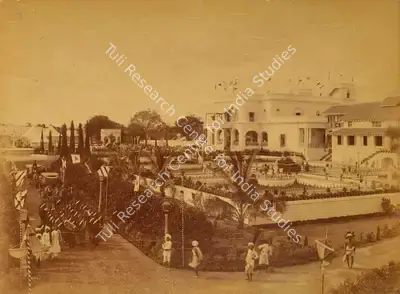
Dayal, Lala Deen (Photographer), Bashir-bagh Palace, November 1889 | Antiquarian Photograph

Dayal, Lala Deen (Photographer), Bashir-bagh Palace, November 1889 | Antiquarian Photograph

Dayal, Lala Deen (Photographer), Khanabagh Arch, November 1889 | Antiquarian Photograph

Dayal, Lala Deen (Photographer), Khanabagh Arch, November 1889 | Antiquarian Photograph

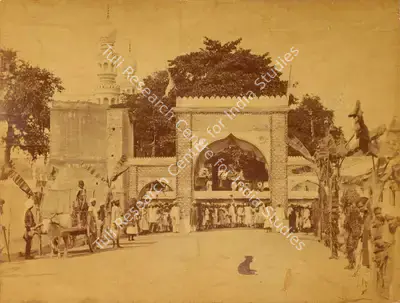
Dayal, Lala Deen (Photographer), Arch near Bashir-Bagh, November 1889 | Antiquarian Photograph

Dayal, Lala Deen (Photographer), Arch near Bashir-Bagh, November 1889 | Antiquarian Photograph

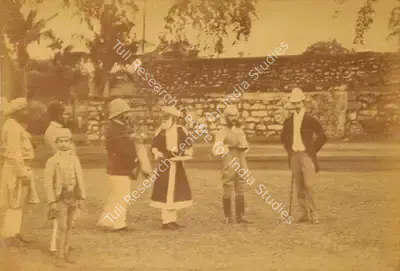
Dayal, Lala Deen (Photographer), A Cup of Tea after Tent Pegging, November 1889 | Antiquarian Photograph

Dayal, Lala Deen (Photographer), A Cup of Tea after Tent Pegging, November 1889 | Antiquarian Photograph

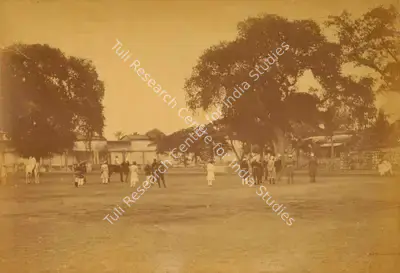
Dayal, Lala Deen (Photographer), Tent Pegging at Purana Haveli, November 1889 | Antiquarian Photograph

Dayal, Lala Deen (Photographer), Tent Pegging at Purana Haveli, November 1889 | Antiquarian Photograph

Loading...
TRIS logo image