
Lagaan2001
Introduction
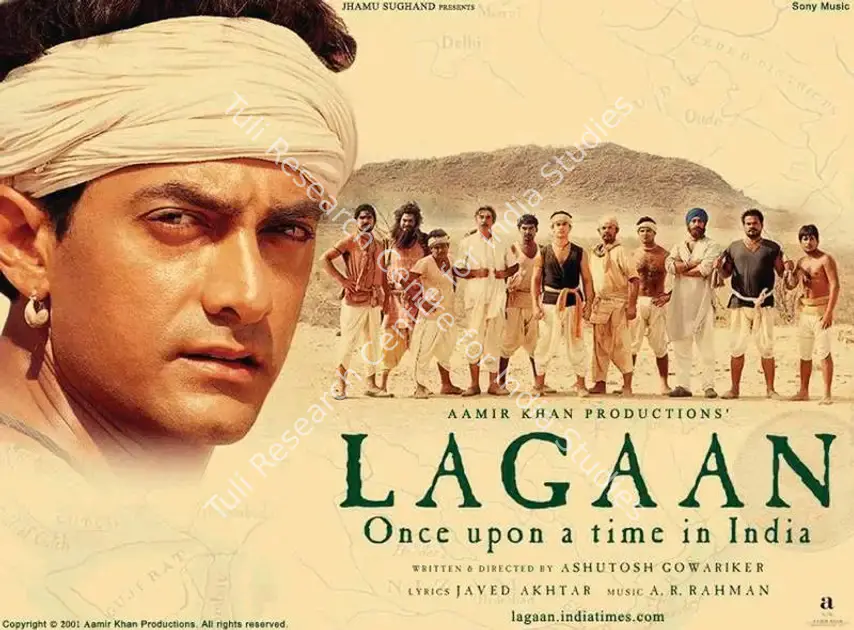
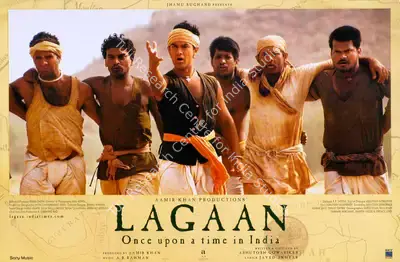
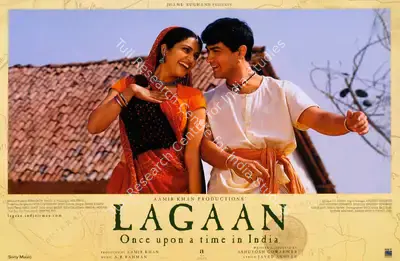
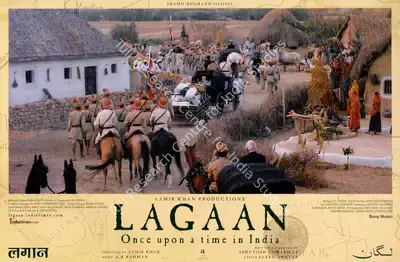
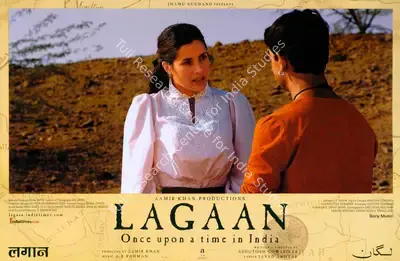
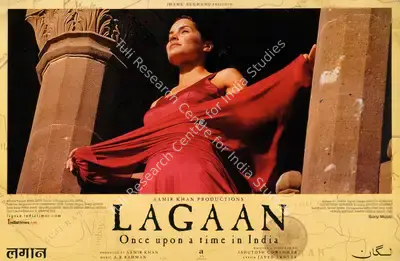
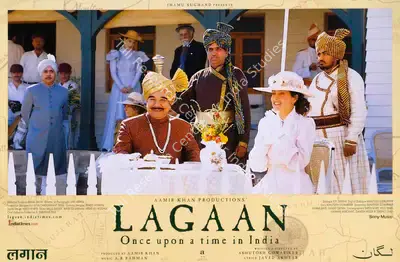
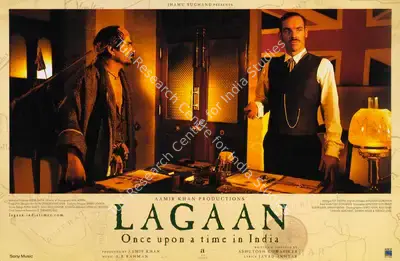
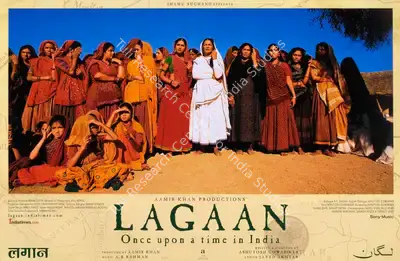
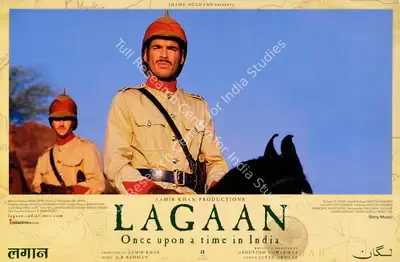
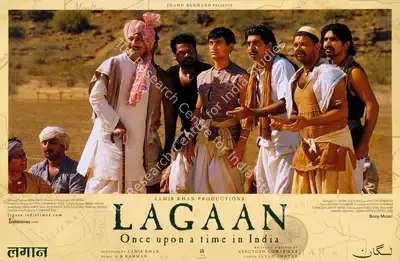
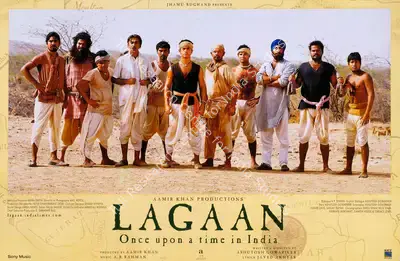
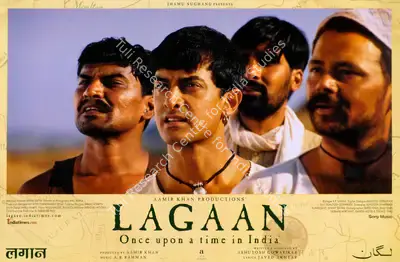
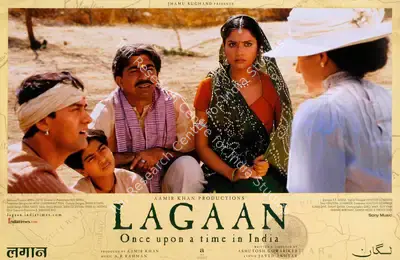
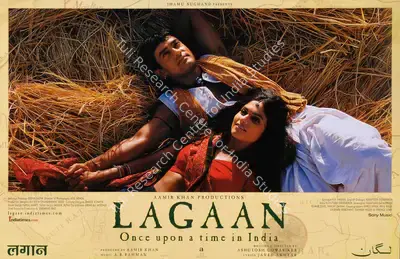
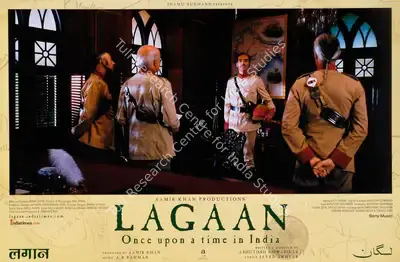
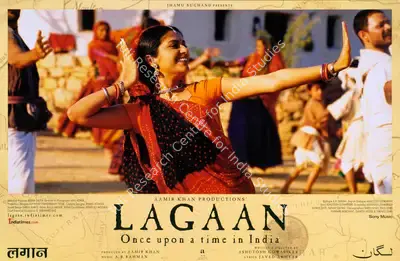
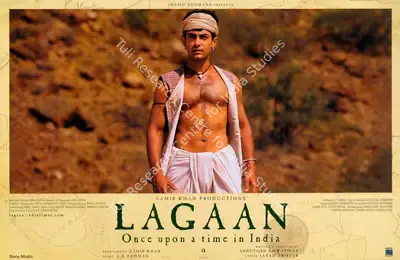
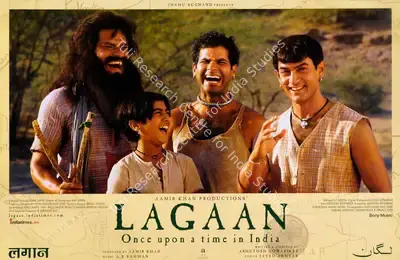
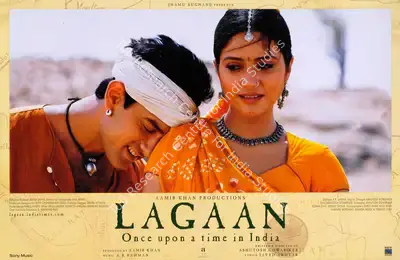
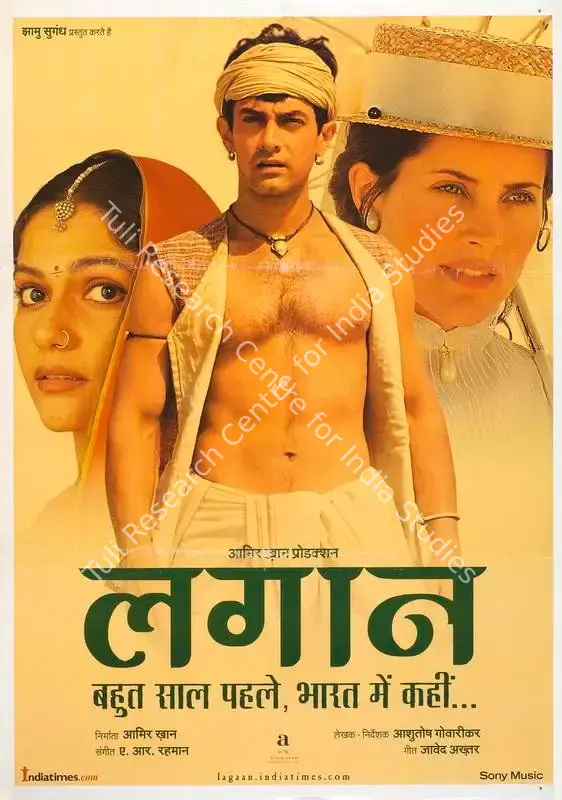
Lagaan: Once Upon a Time in India (2001) Commonly referred to as Lagaan, it is an epic period sports drama film written and directed by Ashutosh Gowariker and produced by Aamir Khan under his newly established production company, Aamir Khan Productions. The film stars Aamir Khan in the lead role, alongside Gracy Singh in her debut performance, and British actors Rachel Shelley and Paul Blackthorne. Set in 1893 during the late Victorian period of British colonial rule in India, the narrative unfolds in a drought-stricken village in Central India, where oppressive taxation and environmental hardship push the villagers to the brink of survival. In an unusual wager proposed by a British officer, Captain Andrew Russell, the villagers are challenged to a game of cricket: if they win, their tax (lagaan) will be waived for three years; if they lose, it will be tripled. The story centres on their collective effort to learn an unfamiliar colonial sport and confront systemic oppression.
The film was produced on a then-unprecedented budget of approximately ₹25 crore (US$5.3 million), making it the most expensive Indian film at the time of its release. Its production encountered significant challenges, including initial reluctance from Aamir Khan to star in a sports-themed narrative and early resistance from producers who suggested budget reductions and script modifications. Gowariker drew partial inspiration from the sports drama Naya Daur (1957), while also developing a distinct historical and political narrative rooted in colonial India. The dialogue was primarily based on Awadhi dialect, blended with standard Hindi to ensure accessibility for contemporary audiences. Principal photography was conducted in and around a village near Bhuj in Gujarat's Kutch region after extensive location scouting across Rajasthan, Uttar Pradesh, and Maharashtra. The film's production design was led by Nitin Chandrakant Desai, while Bhanu Athaiya served as costume designer. The musical score was composed by A. R. Rahman, with lyrics written by Javed Akhtar.
Casting underwent extensive deliberation. Gowariker initially considered actors such as Shah Rukh Khan, Bobby Deol, Hrithik Roshan, and Abhishek Bachchan for the role of Bhuvan before Aamir Khan was ultimately finalised. For the female lead, several actresses including Rani Mukerji, Sonali Bendre, Nandita Das, Shamita Shetty, and Ameesha Patel were considered, although Gracy Singh was eventually selected based on her suitability for the character's rural and cultural authenticity.
Lagaan was released theatrically in India on 15 June 2001, coinciding with the release of Gadar: Ek Prem Katha, and quickly emerged as one of the most critically acclaimed Indian films of its time. It received praise for its direction, performances, screenplay, dialogues, musical composition, and its articulation of anti-colonial themes. The film grossed approximately ₹65.97 crore worldwide during its initial run, becoming the third highest-grossing Hindi film of 2001. It was subsequently screened at numerous international film festivals, including Sundance, Cairo, Stockholm, Helsinki, and Toronto, and received the Prix du Public Award at the Locarno International Film Festival, where it was screened multiple times due to high audience demand.
Internationally, Lagaan gained significant attention following its Academy Award nomination for Best Foreign Language Film in 2002, making it only the third Indian film to achieve this distinction after Mother India (1957) and Salaam Bombay! (1988). The film's global reception contributed to distribution interest across several countries, including Switzerland, France, Germany, Italy, the Netherlands, and North African regions. It also received special screenings in Russia following its Oscar nomination.
At the domestic awards circuit, Lagaan achieved substantial recognition. It won the National Film Award for Best Popular Film Providing Wholesome Entertainment (2002) and emerged as the most awarded film at the 47th Filmfare Awards, securing eight awards including Best Film, Best Director (Ashutosh Gowariker), Best Actor (Aamir Khan), Best Music Director (A. R. Rahman), and Best Lyrics (Javed Akhtar). At the International Indian Film Academy Awards (2002), it similarly won major honours, including Best Film and Best Director.
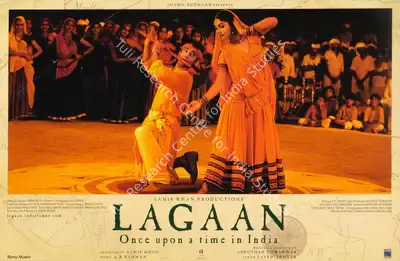
The music of Lagaan played a central role in its cultural impact. Composed by A. R. Rahman, the soundtrack integrated Indian classical, folk, devotional, and orchestral elements to create a thematically cohesive musical experience. Songs such as Ghanan Ghanan, Mitwa, Radha Kaise Na Jale, O Rey Chhori, and O Paalanhaare achieved widespread popularity and remain influential in Hindi film music. The soundtrack received critical acclaim and contributed significantly to the film's emotional and narrative depth. The Lata Mangeshkar sung O Palanhare and Asha Bhosle's rendition of Radha Kaise Na Jale are considered classics and remain extremely popular till date.
The film's cultural footprint extended beyond cinema into transmedia adaptations, including the release of a comic book titled Lagaan: The Story, along with colouring books, a mask book, and a cricket-themed board game targeted at younger audiences. In March 2002, the making-of book The Spirit of Lagaan documented the film's production journey in detail, highlighting the creative and logistical challenges faced during its development.
In retrospect, Lagaan is widely regarded as one of the most significant films of contemporary Indian cinema, notable for its scale, narrative ambition, historical imagination, and international success. It remains a defining example of Indian epic filmmaking in the early twenty-first century.
यह फ़िल्म उस समय के हिसाब से बहुत बड़े बजट (लगभग ₹25 करोड़/ US$5.3 मिलियन) में बनी थी, जिससे यह रिलीज़ के समय सबसे महंगी भारतीय फ़िल्म बन गई थी। इसके प्रोडक्शन में कई बड़ी चुनौतियाँ आईं, जैसे कि आमिर ख़ान का शुरू में स्पोर्ट्स थीम वाली कहानी में काम करने से हिचकिचाना और प्रोड्यूसर्स का बजट कम करने और स्क्रिप्ट में बदलाव करने का सुझाव देना। गोवारिकर ने स्पोर्ट्स ड्रामा फ़िल्म 'नया दौर' (1957) से कुछ प्रेरणा ली, लेकिन साथ ही औपनिवेशिक भारत पर आधारित एक अलग ऐतिहासिक और राजनीतिक कहानी भी बनाई। फ़िल्म के डायलॉग मुख्य रूप से अवधी बोली में थे, जिन्हें आज के दर्शकों के लिए समझने लायक बनाने के लिए स्टैंडर्ड हिंदी के साथ मिलाया गया था। राजस्थान, उत्तर प्रदेश और महाराष्ट्र में कई जगहों को देखने के बाद, फ़िल्म की मुख्य शूटिंग गुजरात के कच्छ इलाके में भुज के पास एक गाँव में और उसके आस-पास की गई। फ़िल्म का प्रोडक्शन डिज़ाइन नितिन चंद्रकांत देसाई ने किया था, जबकि भानु अथैया कॉस्ट्यूम डिज़ाइनर थीं। संगीत ए. आर. रहमान ने दिया था और गाने के बोल जावेद अख़्तर ने लिखे थे।
कास्टिंग को लेकर काफ़ी सोच-विचार किया गया। 'भुवन' के रोल के लिए शुरुआत में शाहरुख़ ख़ान, बॉबी देओल, ऋतिक रोशन और अभिषेक बच्चन जैसे एक्टर्स पर विचार किया गया था, लेकिन आख़िर में आमिर ख़ान को चुना गया। फीमेल लीड रोल के लिए रानी मुखर्जी, सोनाली बेंद्रे, नंदिता दास, शमिता शेट्टी और अमीषा पटेल जैसी कई एक्ट्रेस पर विचार किया गया, लेकिन आखिर में ग्रेसी सिंह को चुना गया क्योंकि वह उस किरदार के ग्रामीण और सांस्कृतिक माहौल में बिल्कुल सही बैठ रही थीं।
'लगान' भारत में 15 जून 2001 को सिनेमाघरों में रिलीज़ हुई, ठीक उसी समय जब 'गदर: एक प्रेम कथा' भी रिलीज़ हुई थी। यह फ़िल्म जल्द ही अपने समय की सबसे ज़्यादा तारीफ़ पाने वाली भारतीय फ़िल्मों में से एक बन गई। फ़िल्म को इसके डायरेक्शन, एक्टिंग, स्क्रीनप्ले, डायलॉग्स, म्यूज़िक और उपनिवेशवाद विरोधी थीम को दिखाने के तरीक़े के लिए तारीफ़ मिली। फ़िल्म ने अपनी शुरुआती रिलीज़ के दौरान दुनिया भर में लगभग ₹65.97 करोड़ की कमाई की और 2001 की तीसरी सबसे ज़्यादा कमाई करने वाली हिंदी फ़िल्म बन गई। बाद में इसे कई इंटरनेशनल फ़िल्म फेस्टिवल में दिखाया गया, जिनमें सनडांस, काहिरा, स्टॉकहोम, हेलसिंकी और टोरंटो शामिल हैं। इसे लोकारनो इंटरनेशनल फ़िल्म फेस्टिवल में 'प्रिक्स डू पब्लिक' अवॉर्ड मिला, जहाँ दर्शकों की भारी मांग के कारण इसे कई बार दिखाया गया।
इंटरनेशनल लेवल पर 'लगान' को 2002 में 'बेस्ट फॉरेन लैंग्वेज़ फ़िल्म' के लिए एकेडमी अवॉर्ड नॉमिनेशन मिलने के बाद काफ़ी आकर्षण मिला। यह 'मदर इंडिया' (1957) और 'सलाम बॉम्बे!' (1988) के बाद यह उपलब्धि हासिल करने वाली तीसरी भारतीय फ़िल्म बन गई। फ़िल्म को दुनिया भर में मिली तारीफ़ की वजह से स्विट्जरलैंड, फ्रांस, जर्मनी, इटली, नीदरलैंड और उत्तरी अफ्रीकी इलाकों समेत कई देशों में इसके डिस्ट्रीब्यूशन में दिलचस्पी दिखाई गई। ऑस्कर नॉमिनेशन के बाद रूस में भी इसकी स्पेशल स्क्रीनिंग की गई।
देश के अवॉर्ड समारोहों में 'लगान' को काफ़ी सराहना की गई। इसने 'बेस्ट पॉपुलर फ़िल्म प्रोवाइडिंग होलसम एंटरटेनमेंट' (2002) के लिए नेशनल फ़िल्म अवॉर्ड जीता और 47वें फ़िल्मफ़ेयर अवॉर्ड्स में सबसे ज़्यादा अवॉर्ड जीतने वाली फ़िल्म बनी। इसने आठ अवॉर्ड जीते, जिनमें बेस्ट फ़िल्म, बेस्ट डायरेक्टर (आशुतोष गोवारिकर), बेस्ट एक्टर (आमिर ख़ान), बेस्ट म्यूज़िक डायरेक्टर (ए. आर. रहमान) और बेस्ट लिरिक्स (जावेद अख़्तर) शामिल थे। इंटरनेशनल इंडियन फ़िल्म एकेडमी अवॉर्ड्स (2002) में भी इसे बेस्ट फ़िल्म और बेस्ट डायरेक्टर समेत कई बड़े सम्मान मिले।
'लगान' के संगीत ने इसके सांस्कृतिक प्रभाव में अहम भूमिका निभाई। ए. आर. रहमान के इस साउंडट्रैक में भारतीय शास्त्रीय, लोक, भक्ति और ऑर्केस्ट्रल संगीत के तत्वों को मिलाकर एक ऐसा संगीत तैयार किया गया जो फ़िल्म की कहानी और थीम से पूरी तरह मेल खाता था। 'घनन घनन', 'मितवा', 'राधा कैसे ना जले', 'ओ रे छोरी' और 'ओ पालनहारे' जैसे गाने बहुत लोकप्रिय हुए और आज भी हिंदी फ़िल्म संगीत में अपनी ख़ास जगह बनाए हुए हैं। साउंडट्रैक को आलोचकों से ख़ूब सराहना मिली और इसने फ़िल्म की भावनात्मक और कहानी की गहराई को बढ़ाने में बड़ा योगदान दिया। लता मंगेशकर का गाया 'ओ पालनहारे' और आशा भोंसले का गाया 'राधा कैसे ना जले' क्लासिक माने जाते हैं और आज भी बेहद लोकप्रिय हैं।
फ़िल्म का सांस्कृतिक प्रभाव सिनेमा से आगे बढ़कर ट्रांसमीडिया अडैप्टेशन तक फैला, जिसमें 'लगान: द स्टोरी' नाम की कॉमिक बुक के साथ-साथ कलरिंग बुक्स, मास्क बुक और युवा दर्शकों के लिए क्रिकेट-थीम वाला बोर्ड गेम भी शामिल था। मार्च 2002 में, 'द स्पिरिट ऑफ़ लगान' नाम की किताब में फ़िल्म के बनने की कहानी को विस्तार से बताया गया, जिसमें इसे बनाने के दौरान आई रचनात्मक और लॉजिस्टिकल चुनौतियों का ज़िक्र किया गया।
आज पीछे मुड़कर देखें तो 'लगान' को समकालीन भारतीय सिनेमा की सबसे महत्वपूर्ण फ़िल्मों में से एक माना जाता है। यह अपने बड़े फलक, कहानी की महत्वाकांक्षा, ऐतिहासिक कल्पना और अंतरराष्ट्रीय सफलता के लिए जानी जाती है। यह इक्कीसवीं सदी की शुरुआत में भारतीय एपिक फ़िल्ममेकिंग का एक बेहतरीन उदाहरण है।