Koshish1972
Introduction
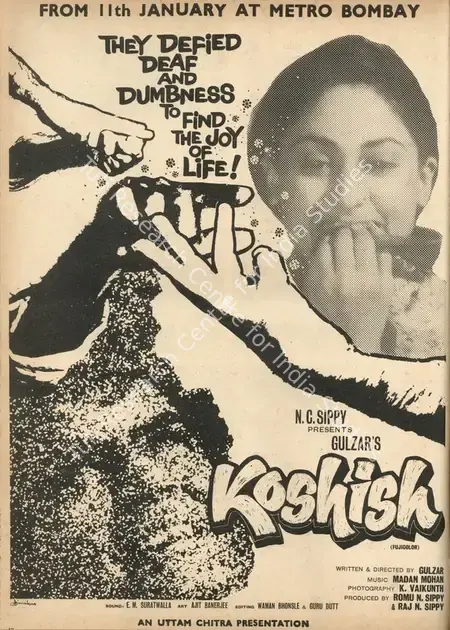
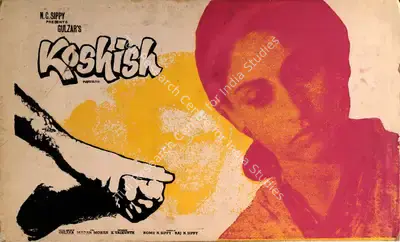
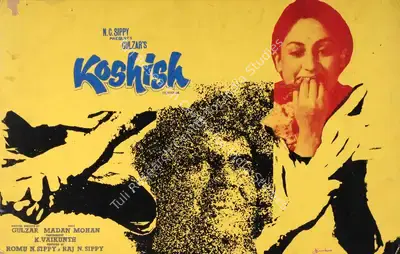
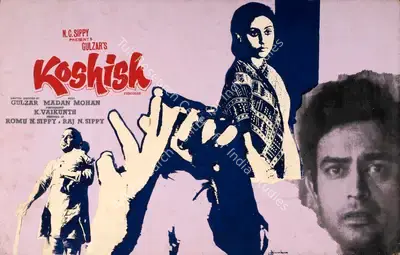
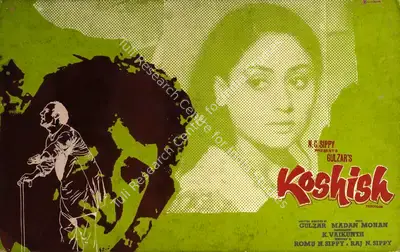
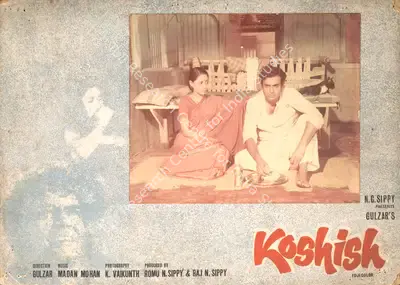
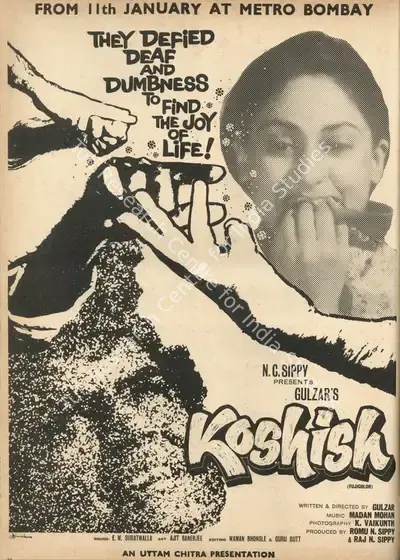
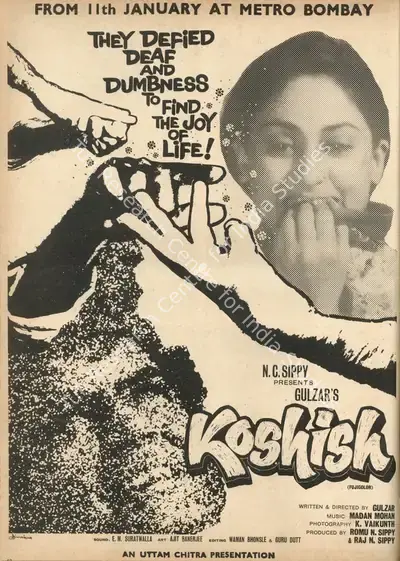
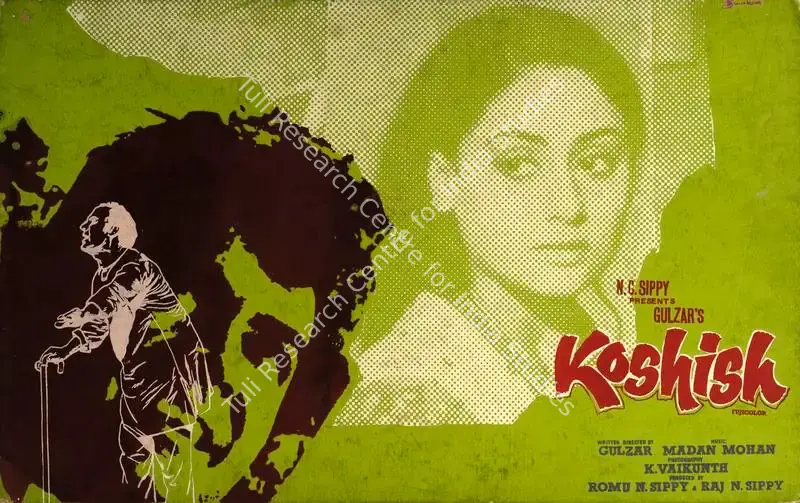
Koshish (1972) Written and directed by Gulzar, it is a deeply moving romantic drama starring Sanjeev Kumar and Jaya Bhaduri (later Jaya Bachchan). Regarded as one of the most sensitive and unconventional films produced in mainstream Hindi cinema, the work explores the lives of a deaf and mute couple striving for dignity, acceptance, and emotional fulfilment in a mostly often indifferent society. At a time when disability was rarely treated with seriousness or empathy in Indian cinema, Koshish stood out for its humane storytelling and nuanced performances. The film was inspired by the 1961 Japanese film Happiness of Us Alone and was later remade in Tamil in 1977 as Uyarndhavargal, starring Kamal Haasan and Sujatha.
The narrative follows Haricharan and Aarti (Sanjeev Kumar and Jaya Bhaduri), two impoverished young individuals who are both hearing and speech impaired. Through their struggles, the film presents a poignant portrait of resilience and emotional endurance in the face of social alienation. The two fall in love and eventually marry, attempting to build a life together despite economic hardship and societal prejudice. Haricharan earns his livelihood as a shoe-shiner, while the couple gradually learns to navigate a world that frequently marginalises them.
Their lives are marked by both moments of tenderness and devastating tragedy. After the birth of their first child, the couple suffers an irreparable loss when the child dies due to the greed and negligence of a man named Kanu. The tragedy leaves Haricharan and Aarti emotionally shattered. However, they eventually find renewed hope with the birth of a second child, and for a time, they experience a measure of domestic happiness and stability.
A turning point arrives when a police officer, impressed by Haricharan's honesty and integrity, offers him employment. This opportunity significantly improves the family's financial condition and enables them to secure a more stable future for their son. As the years pass, the son grows into adulthood, while Haricharan and Aarti continue to endure life's hardships with quiet resilience.
The later portion of the film carries a profound emotional weight. Following Aarti's death, Haricharan continues working in a company whose owner has a deaf and mute daughter. The employer proposes a marriage alliance between his daughter and Haricharan's son. Initially reluctant because of differences in social and economic status, Haricharan eventually agrees after meeting the young woman, who reminds him deeply of Aarti. However, his son opposes the marriage on account of the girl's disability, a reaction that deeply wounds Haricharan. In one of the film's most powerful moments, he reprimands his son and reminds him that his own mother too had been deaf and mute. Confronted with his prejudice, the son recognises his error and consents to the marriage.
Koshish was both a major critical triumph and a significant commercial success, achieving the rare distinction of combining mainstream appeal with an uncompromisingly sensitive subject. Much of the film's enduring legacy rests on the extraordinary performances of Sanjeev Kumar and Jaya Bhaduri, both of whom approached their unconventional roles with remarkable restraint, emotional intelligence, and authenticity. Gulzar's direction further elevated the film through its understated realism and deeply compassionate treatment of disability.
The film received widespread critical acclaim and earned two National Film Awards at the 20th National Film Awards in 1973. Sanjeev Kumar won the National Award for Best Actor for his deeply affecting performance, while Gulzar received the award for Best Screenplay. Despite its acclaim, the film did not secure any victories at the 1974 Filmfare Awards, although it received five major nominations, including Best Film, Best Director, Best Story, Best Actor, and Best Actress.
Today, Koshish continues to be regarded as a landmark in Indian cinema for its progressive representation of disability, its emotional sincerity, and its commitment to portraying human relationships with dignity and compassion.
कहानी हरिचरण और आरती (संजीव कुमार और जया भादुड़ी) के इर्द-गिर्द घूमती है, जो दो ग़रीब युवा हैं और सुन-बोल नहीं सकते। उनके संघर्षों के ज़रिए, फ़िल्म सामाजिक अलगाव के बावजूद हिम्मत और भावनात्मक सहनशक्ति की एक मार्मिक तस्वीर पेश करती है। दोनों को प्यार हो जाता है और वे शादी कर लेते हैं। आर्थिक तंगी और समाज के पूर्वाग्रहों के बावजूद वे साथ मिलकर ज़िंदगी बनाने की कोशिश करते हैं। हरिचरण जूते पॉलिश करके अपनी जीविका चलाते हैं, जबकि यह जोड़ा धीरे-धीरे उस दुनिया में जीना सीखता है जो अक्सर उन्हें हाशिए पर धकेल देती है।
उनकी ज़िंदगी में प्यार-भरे पलों के साथ-साथ भयानक दुखद घटनाएँ भी आती हैं। अपने पहले बच्चे के जन्म के बाद, उन्हें एक ऐसा नुकसान उठाना पड़ता है जिसकी भरपाई नहीं हो सकती, कानू नाम के एक आदमी के लालच और लापरवाही की वजह से उनके बच्चे की मौत हो जाती है। इस दुखद घटना से हरिचरण और आरती भावनात्मक रूप से टूट जाते हैं। हालाँकि, दूसरे बच्चे के जन्म के साथ उन्हें फिर से उम्मीद मिलती है और कुछ समय के लिए वे घर-गृहस्थी की ख़ुशियाँ और स्थिरता महसूस करते हैं।
उनकी ज़िंदगी में एक अहम मोड़ तब आता है जब एक पुलिस अफ़सर, हरिचरण की ईमानदारी और सच्चाई से प्रभावित होकर, उन्हें नौकरी का प्रस्ताव देता है। इस मौके से परिवार की आर्थिक हालत में काफ़ी सुधार होता है और वे अपने बेटे के लिए एक ज़्यादा सुरक्षित भविष्य बना पाते हैं। जैसे-जैसे समय बीतता है, बेटा बड़ा होकर जवान हो जाता है, जबकि हरिचरण और आरती चुपचाप और मज़बूती के साथ ज़िंदगी की मुश्किलों का सामना करते रहते हैं।
फ़िल्म के बाद के हिस्से में बहुत गहरा भावनात्मक असर है। आरती की मौत के बाद, हरिचरण एक ऐसी कंपनी में काम करते रहते हैं जिसके मालिक की बेटी सुन और बोल नहीं सकती। मालिक अपनी बेटी और हरिचरण के बेटे की शादी का प्रस्ताव रखता है। शुरू में सामाजिक और आर्थिक स्थिति में अंतर के कारण हिचकिचाने के बाद, हरिचरण उस लड़की से मिलने के बाद आख़िरकार मान जाते हैं, वह लड़की उन्हें बहुत हद तक आरती की याद दिलाती है। हालाँकि, उनका बेटा लड़की की विकलांगता के कारण शादी का विरोध करता है, और उसकी इस प्रतिक्रिया से हरिचरण को बहुत दुख पहुँचता है। फ़िल्म के सबसे असरदार पलों में से एक में, वह अपने बेटे को डांटते हैं और याद दिलाते हैं कि उसकी अपनी माँ भी सुन और बोल नहीं सकती थी। अपनी सोच की सच्चाई का सामना करने पर, बेटा अपनी ग़लती मानता है और शादी के लिए राज़ी हो जाता है।
'कोशिश' को आलोचकों और दर्शकों, दोनों से ही बहुत सराहना मिली और यह व्यावसायिक रूप से भी बहुत सफल रही। इसने एक बेहद संवेदनशील विषय को मुख्यधारा की अपील के साथ जोड़ने की दुर्लभ उपलब्धि हासिल की। फ़िल्म की यादगार विरासत का बहुत बड़ा श्रेय संजीव कुमार और जया भादुड़ी के शानदार अभिनय को जाता है, दोनों ने ही अपने अनोखे किरदारों को बहुत संयम, भावनात्मक समझ और सच्चाई के साथ निभाया। गुलज़ार के निर्देशन ने फ़िल्म को और भी ऊँचाई दी, जिसमें उन्होंने सादगी भरी सच्चाई और विकलांगता के प्रति गहरी सहानुभूति दिखाई।
इस फ़िल्म को आलोचकों से बहुत तारीफ़ मिली और 1973 में 20वें नेशनल फ़िल्म अवॉर्ड्स में इसने दो नेशनल फ़िल्म अवॉर्ड जीते। संजीव कुमार को उनके ज़बरदस्त अभिनय के लिए बेस्ट एक्टर का नेशनल अवॉर्ड मिला, जबकि गुलज़ार ने बेस्ट स्क्रीनप्ले का अवॉर्ड हासिल किया। इतनी तारीफ़ मिलने के बावजूद, यह फ़िल्म 1974 के फ़िल्मफ़ेयर अवॉर्ड्स में कोई अवॉर्ड नहीं जीत पाई, हालाँकि इसे पाँच बड़े नॉमिनेशन मिले थे, बेस्ट फ़िल्म, बेस्ट डायरेक्टर, बेस्ट स्टोरी, बेस्ट एक्टर और बेस्ट एक्ट्रेस।
आज भी, 'कोशिश' को भारतीय सिनेमा में एक अहम फ़िल्म माना जाता है। ऐसा इसलिए है क्योंकि इसमें विकलांगता को प्रगतिशील नज़रिए से दिखाया गया है, इसमें भावनाओं की सच्चाई है, और मानवीय रिश्तों को सम्मान और संवेदना के साथ दिखाने की प्रतिबद्धता है।