Kondura1977
Introduction
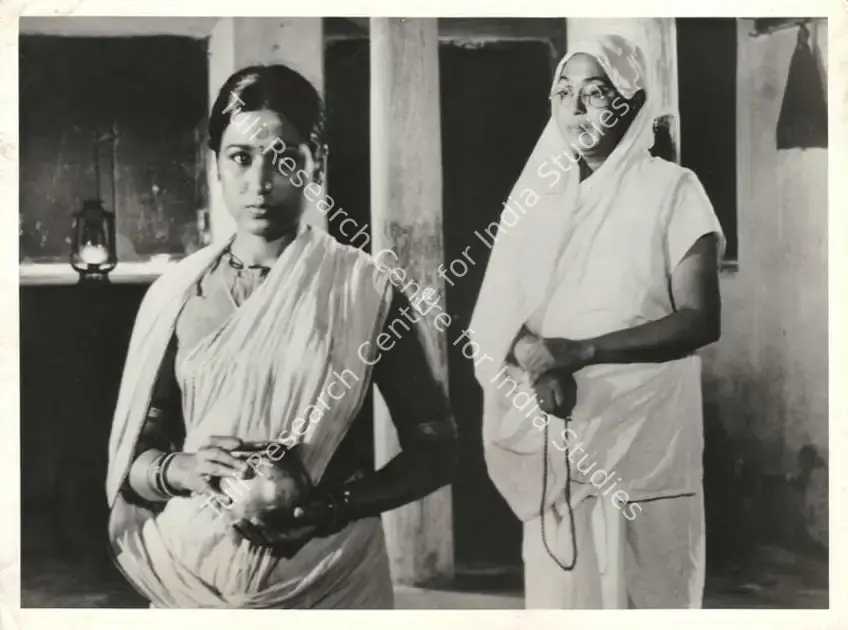
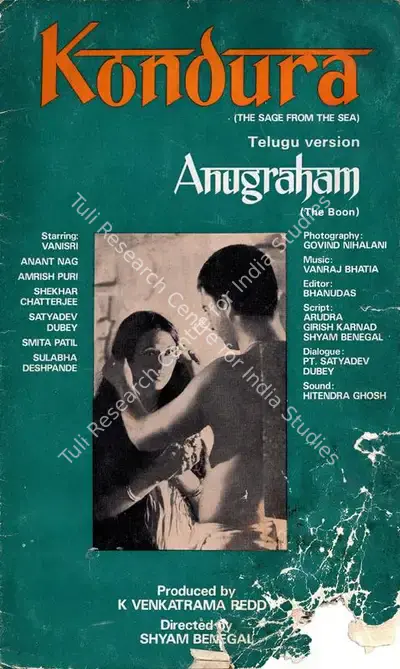
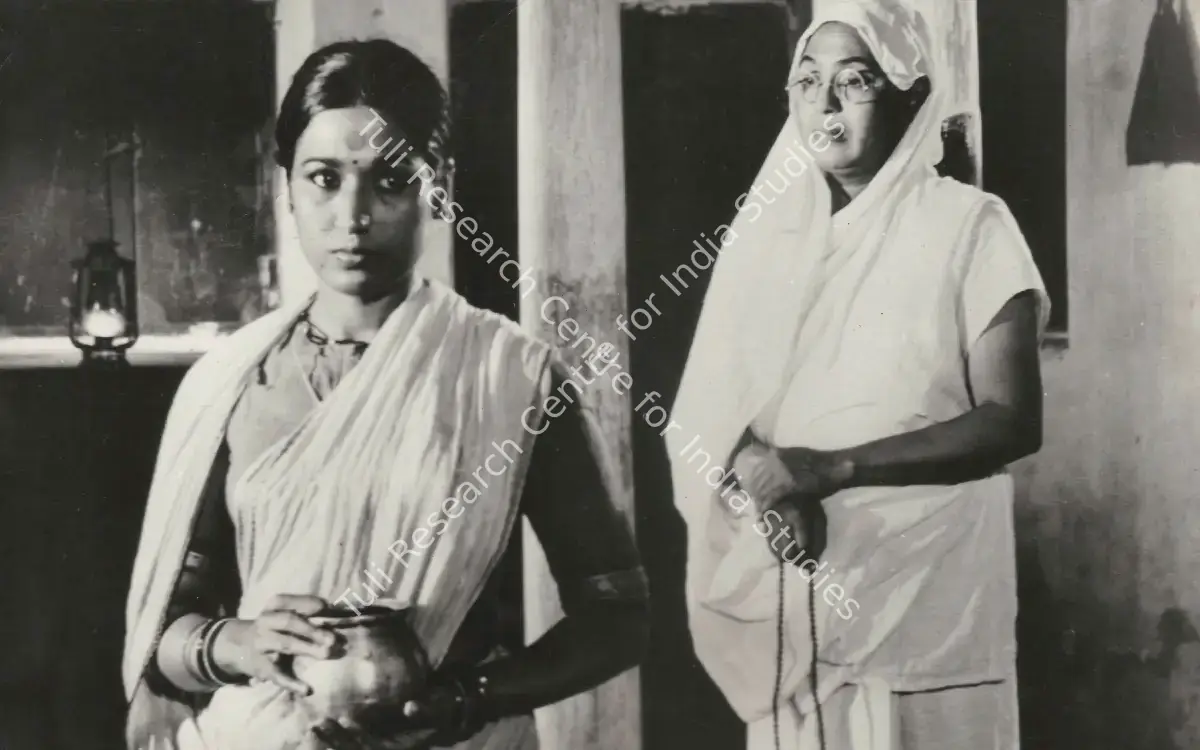
Kondura (1978) Directed by Shyam Benegal, the film was simultaneously made in Hindi and Telugu (titled Anugraham in Telugu). The bilingual film is based on the novel by Marathi writer Chintamani T. Khanolkar, with a screenplay adapted by Benegal and Girish Karnad. The cast featured Ananth Nag, Vanisri, Amrish Puri, Satyadev Dubey, Smita Patil, Shekhar Chatterjee (Hindi version), and Rao Gopal Rao (Telugu version). Its music was composed by Vanraj Bhatia.
The film explores themes of faith, sin, and redemption through Parshuram, a poor Brahmin granted a mystical boon by the sea-dwelling sage Kondura. The herb he receives grants him spiritual power—but only if he remains celibate. Guided by divine visions, Parshuram becomes a revered figure in his village. However, misled by the manipulative landlord Bhairavmoorthy, he causes the abortion of an innocent woman's child, believing it to be evil. Stricken with guilt, he breaks his vow, leading to his wife's suicide.
Kondura warns against blind faith and highlights the dangers of misinterpreting divine will, emphasising that true spiritual insight requires humility and self-awareness.
Though praised by critics and selected as an Indian entry at the 4th Hong Kong International Film Festival, the film was a box office failure. Over time, it developed a cult following and was recognised for its artistic value, winning the 1981 Filmfare Critics Award for Best Movie.
यह फ़िल्म आस्था, पाप और प्रायश्चित जैसे विषयों की पड़ताल करती है। कहानी के केंद्र में एक गरीब ब्राह्मण किरदार है जिसका नाम परशुराम है। परशुराम को समुद्र में निवास करने वाले ऋषि 'कोंडूरा' से एक रहस्यमयी वरदान प्राप्त होता है। उसे ऐसी जड़ी-बूटी मिलती है जो उसे आध्यात्मिक शक्ति प्रदान करती है। लेकिन शर्त है कि यह शक्ति तभी तक रहेगी, जब तक वह ब्रह्मचर्य का पालन करता रहेगा। दैवीय चमत्कारों को घटित होता देखकर परशुराम अपने गाँव में पूजनीय व्यक्ति बन जाता है। लेकिन चालाक ज़मींदार भैरवमूर्ति के बहकावे में आकर वह एक निर्दोष स्त्री के गर्भ को मार देता है क्योंकि उसे यह विश्वास हो जाता है कि वह दुष्ट संतान है। अपराधबोध में डूबा परशुराम अपना व्रत तोड़ देता है, जिसके नतीजे में उसकी पत्नी आत्महत्या कर लेती है।
कोंडूरा अंधविश्वास के पीछे मौजूद खतरों और दैवीय इच्छा की गलत व्याख्या से उपजी त्रासदियों के प्रति चेताने वाली फ़िल्म है। यह रेखांकित करती है कि इंसान में सच्चा आध्यात्मिक बोध जागना विनम्र और आत्मचेतन मन में ही संभव है।
हालाँकि आलोचकों ने फ़िल्म की प्रशंसा की और इसे चौथे 'हांगकांग अंतरराष्ट्रीय फ़िल्म महोत्सव' में भारतीय प्रविष्टि के रूप में चुना गया, लेकिन टिकट खिड़की पर इसे कामयाबी हासिल नहीं हुई। लेकिन समय बीतने के साथ नए दर्शकों में इसे एक कल्ट फॉलोइंग हासिल हुई है और इसके कलात्मक अवदान को मान्यता मिली है। सन् 1981 के फ़िल्मफेयर पुरस्कारों में इसे सर्वश्रेष्ठ फ़िल्म के फ़िल्मफ़ेयर क्रिटिक्स अवार्ड से सम्मानित किया गया।