Introduction
Kamal Ghosh (1910-1983) was an established cinematographer who worked prolifically in Tamil and Telugu films for three decades, from the 1930s to the late 1960s. Although a Bengali himself, his visual language and contributions shaped the style and aesthetics of South Indian cinema during that period. Trained by his uncle, Debaki Bose, a stalwart of Calcutta's New Theatres Studios, Bose began his career as an assistant cinematographer to Sailen Bose in the film Balayogini (1937). Soon, he shifted to South Indian cinema, becoming the principal cinematographer for the Tamil film Anaadhai Penn (1938), which was noticed for his lighting techniques.
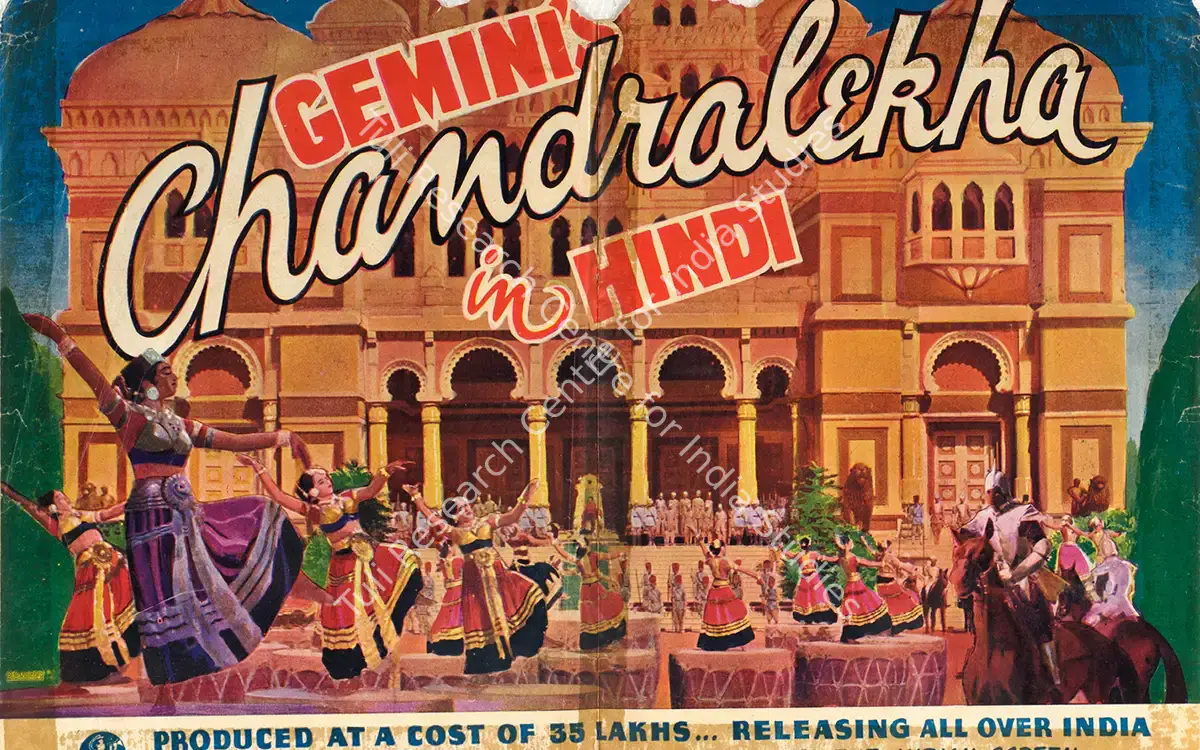
He is particularly remembered for the famous drum dance sequence in Gemini Studios' epic Chandralekha (1948), directed by S.S. Vasan, which he shot with four cameras. His ability to manipulate light for a large-scale epic blending spectacle with emotional depth was widely appreciated, helping establish the film as a technical marvel. A technically ambitious production that cost five lakhs rupees at the time, showcased his command over manipulating light and lens. Similarly, in Kacha Devayani (1941), directed by K. Subrahmanyam, Ghosh helped actress T.R. Rajakumari catapult to fame with his innovative lighting techniques.
He contributed to popular Tamil-Telugu bilingual films such as Prema/Kaadhal (1952), Paradesi (Telugu), and Poongothai (Tamil) (1953). In the 1960s, he worked on various successful Telugu productions, such as Paruvu-Prathishta (1963), Thobuttuvulu (1963), Bobbili Yuddham (1964), and Govula Gopanna (1968). His only Hindi film credit is Phani Majumdar's Oonche Log (1965), a film that went on to win the National Film Award for the Second-Best Feature Film in Hindi .
Ghosh trained a generation of cameramen at Gemini Studios, including A. Vincent and C.V. Ramakrishnan.
उन्हें ख़ास तौर पर जेमिनी स्टूडियो की भव्य फ़िल्म 'चंद्रलेखा' (1948) के मशहूर ड्रम डांस सीक्वेंस के लिए याद किया जाता है, जिसे एस.एस. वासन ने डायरेक्ट किया था और जिसे उन्होंने चार कैमरों से शूट किया था। भव्यता और भावनात्मक गहराई के मेल वाली बड़े पैमाने की फ़िल्म के लिए लाइट को इस्तेमाल करने की उनकी क़ाबिलियत की काफ़ी तारीफ़ हुई, जिससे यह फ़िल्म एक तकनीकी चमत्कार के तौर पर स्थापित हुई। उस समय पांच लाख रुपये की लागत वाली तकनीकी रूप से महत्वाकांक्षी इस फ़िल्म ने लाइट और लेंस के इस्तेमाल पर उनकी पकड़ को दिखाया। इसी तरह के. सुब्रह्मण्यम की डायरेक्ट की गई फ़िल्म 'कचा देवयानी' (1941) में, घोष ने अपनी नई लाइटिंग तकनीकों से एक्ट्रेस टी.आर. राजकुमारी को मशहूर होने में मदद की।
उन्होंने प्रेमा/काधल (1952), परदेसी (तेलुगु), और पूनगोथाई (तमिल) (1953) जैसी लोकप्रिय तमिल-तेलुगु द्विभाषी फ़िल्मों में योगदान दिया। 1960 के दशक में, उन्होंने विभिन्न सफल तेलुगु फ़िल्मों पर काम किया, जैसे पारुवु-प्रतिष्ठा (1963), थोबुट्टुवुलु (1963), बोब्बिली युद्धम (1964), और गोवुला गोपन्ना (1968)। उनकी एकमात्र हिंदी फ़िल्म फ़णी मजूमदार की 'ऊँचे लोग' (1965) है, जिसने हिंदी में दूसरी सर्वश्रेष्ठ फ़ीचर फ़िल्म का राष्ट्रीय फ़िल्म पुरस्कार जीता था।
घोष ने जेमिनी स्टूडियो में कैमरामैन की एक पीढ़ी को प्रशिक्षित किया, जिनमें ए. विंसेंट और सी.वी. रामकृष्णन शामिल थे।.