

Insaaf1966
Introduction
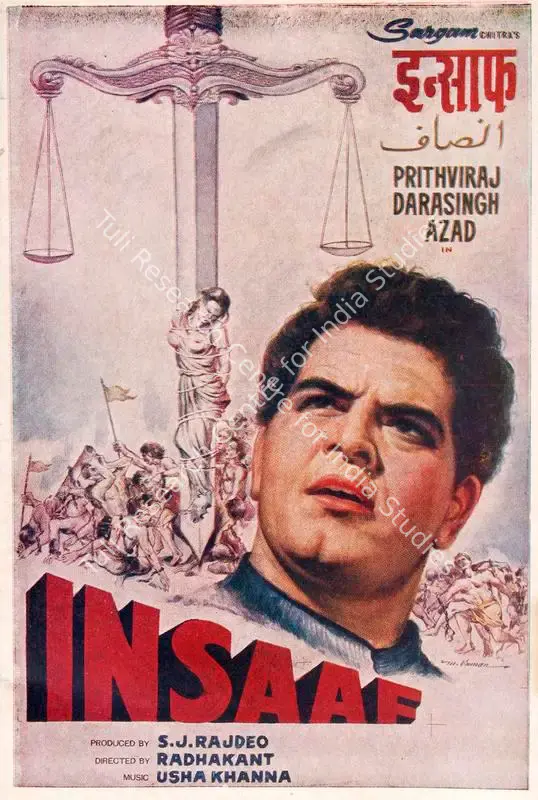
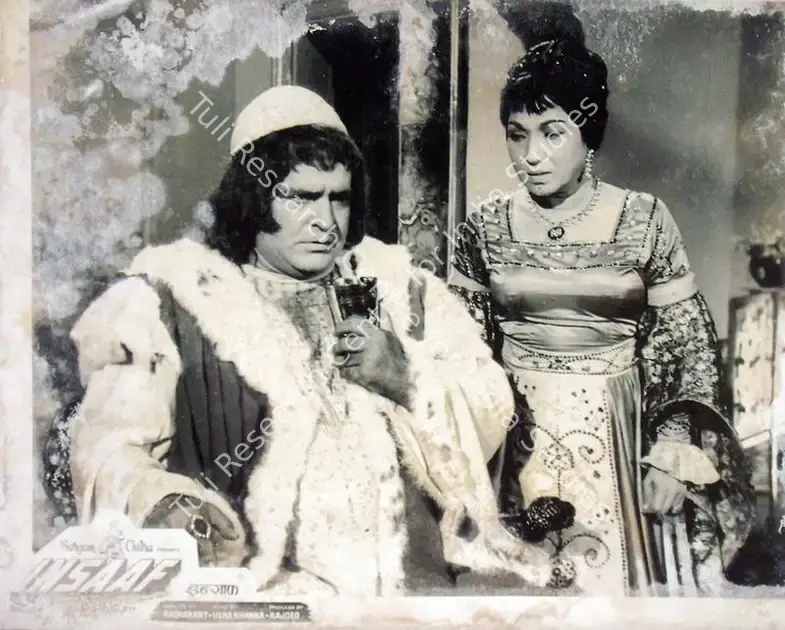
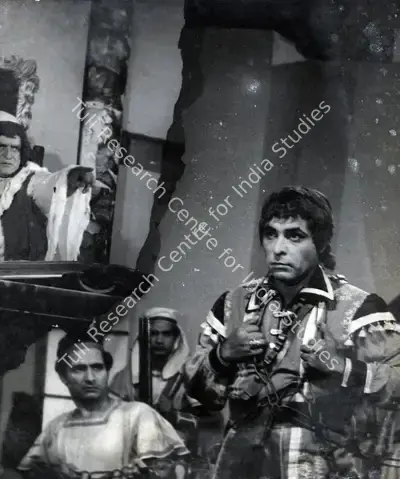
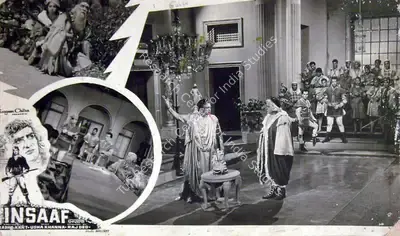
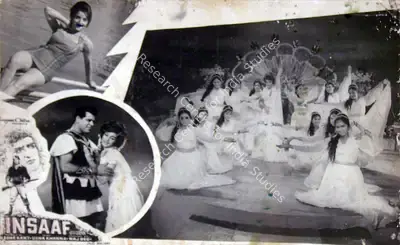
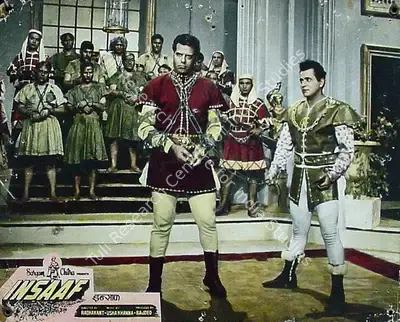
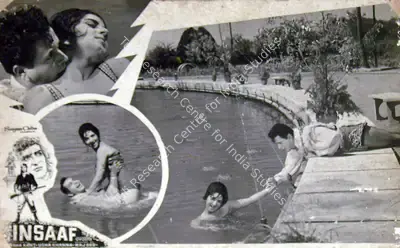
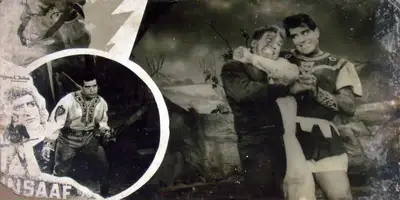
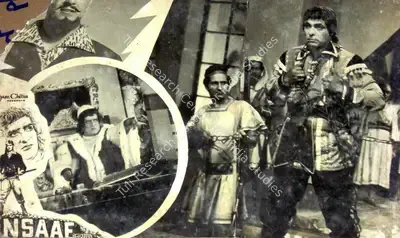
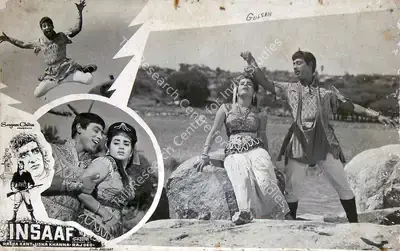
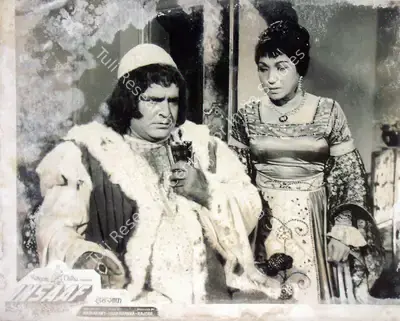
Insaaf (1966) is a Hindi action-adventure drama directed by Radhakant, featuring an ensemble cast that includes the legendary Prithviraj Kapoor, the wrestling icon and actor Dara Singh, as well as Azaad and Parveen Choudhary. The film centres around a compelling narrative of a man who sets out on a relentless pursuit of justice in the face of tyranny and oppression. However, his mission takes a dramatic and emotional turn when he finds himself in direct conflict with both his father and his son, leading to a deeply personal and morally complex confrontation.
The screenplay, penned by Girish Pandit, weaves a tale that explores the cost of standing up against injustice, particularly when it threatens the fabric of one's own family. As the protagonist navigates loyalty, duty, and righteousness, the film poses poignant questions about sacrifice and moral integrity.
The music for the 1966 film was composed by Usha Khanna, one of the few prominent female music directors in the industry at the time. The lyrics were written by Akhtar Romani, and the soundtrack features several memorable songs. These include Aaya Mera Jaan-e-Baharan, Allah Teri Tauba, Intezar Hai Tera, and Jabse Aayi Jawani, all rendered by the iconic voice of Lata Mangeshkar. Another notable track, Yeh Tune Kya Kaha Kaha Hoga, is a duet performed by Asha Bhosle and Mukesh.
Insaaf is a title that has recurred frequently in Bollywood's history. Over the decades, at least nine Hindi films have been released under this name. Notable among them are the 1973 version featuring Waheeda Rehman, the 1987 adaptation starring Vinod Khanna, and the 1997 film titled Insaaf: The Final Justice. Each of these versions interprets the theme of justice in different socio-political contexts, reflecting the timeless relevance of the subject.
While Insaaf (1966) did not appear on the list of top-grossing films of that year, its absence from box office charts does not necessarily imply commercial failure. It may not have been a blockbuster by industry standards, but its thematic depth, strong performances, and evocative music suggest it still found appreciation among audiences of the time.
गिरीश पंडित की लिखी फ़िल्म की पटकथा यह दिखाती है कि अन्याय के ख़िलाफ़ खड़े होनेवाले को उसकी कैसी क़ीमत चुकानी पड़ती है। यह ख़ासकर तब और चुनौतीपूर्ण हो जाता है जब यह आवाज़ उठानेवाले के अपने ही परिवार की बुनियाद को हिला दे। जैसे जब यहाँ नायक वफ़ादारी, फ़र्ज़ और न्याय के रास्ते पर चलता है तो उसके सामने त्याग, नैतिकता और ईमानदारी से जुड़े निर्णायक दोराहे खड़े हो जाते हैं।
सन् 1966 में रिलीज़ हुई इस फ़िल्म के लिए संगीत उषा खन्ना ने तैयार किया था जो उस दौर की गिनी-चुनी प्रमुख महिला संगीतकारों में से एक थीं। इसके लिए गीत अख़्तर रोमानी ने लिखे थे और इस फ़िल्म में कई यादगार गाने शामिल रहे। इनमें “आया मेरा जाने-बहाराँ”, “अल्लाह तेरी तौबा”, “इंतज़ार है तेरा” और “जबसे आई जवानी” जैसे गीत प्रमुख हैं जिन्हें लता मंगेशकर ने अपनी आवाज़ देकर अमर बना दिया। फ़िल्म का एक और उल्लेखनीय युगल गीत “ये तूने क्या कहा कहा होगा” था जिसे आशा भोंसले और मुकेश ने गाया था।
इंसाफ़ शीर्षक हिन्दी सिनेमा में कई बार इस्तेमाल हुआ है। बीते दशकों में इस नाम से कम से कम नौ हिन्दी फ़िल्में रिलीज़ हो चुकी हैं। इनमें सन् 1973 में इस नाम से बनी फ़िल्म जिसमें वहीदा रहमान थीं, सन् 1987 वाला रूपांतरण जिसमें विनोद खन्ना ने अभिनय किया और सन् 1997 में आई फ़िल्म इंसाफ़: द फ़ाइनल जस्टिस विशेष उल्लेखनीय हैं। इनमें से हर एक फ़िल्म ने अलग-अलग सामाजिक-राजनैतिक संदर्भों में न्याय से जुड़े किसी मुद्दे को उठाया है जो इस विषय की कालजयी प्रासंगिकता को दिखाता है।
हालाँकि इंसाफ़ (1966) उस साल की सर्वाधिक कमाई करने वाली फ़िल्मों की सूची में शामिल नहीं थी लेकिन इसका सफ़लतम फ़िल्मों की सूची से ग़ायब होना यह नहीं बताता कि यह व्यावसायिक असफलता थी। यह शायद उस समय के सिनेमा उद्योग मानकों पर ब्लॉकबस्टर न रही हो लेकिन इसकी विषय की समझ, दमदार अभिनय और प्रभावशाली संगीत इस बात की ओर इशारा करते हैं कि इसे उस दौर के दर्शकों की सराहना मिली होगी।
Body of Work
Research Centre
Related
2