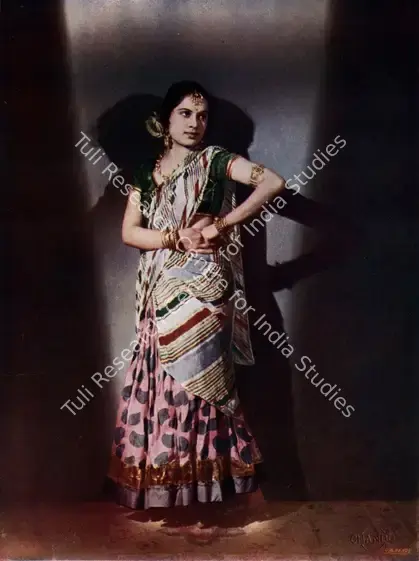
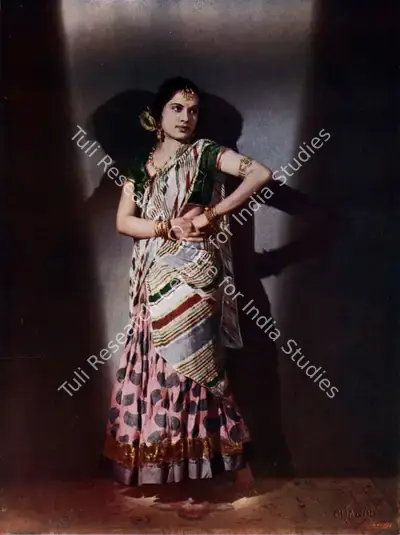
Shanta Apte
Shanta Apte occupies a singular place in Indian cinema as an accomplished actress and singer whose career spanned Marathi, Hindi, Gujarati and Tamil cinema as well as theatre. One of the most celebrated female performers of the Vintage Era, she was distinguished not only by her artistry but also by her fiercely independent temperament. More than six decades after her death, Apte remains a compelling figure of early Indian cinema—an artist who repeatedly challenged both the conventions of the studio system and the expectations placed upon women.
Born in Dudhni, Maharashtra, and raised in Pandharpur, Apte was introduced to music at an early age. Her father, a station master and a good singer, encouraged her musical abilities, and she soon attracted attention for her performances at Ganpati festivals in Poona. Her talent eventually reached Bhalji Pendharkar in Kolhapur, who cast her as Radha in Shyam Sundar (1932). In an unusual family connection, her husband in the film was played by her brother, Baburao Apte. She also sang two songs for the film. While its Hindi version failed to make much impact, the Marathi version became a major success, announcing the arrival of a remarkable new talent.
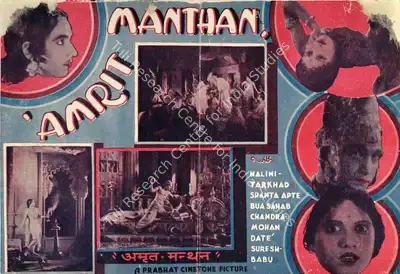
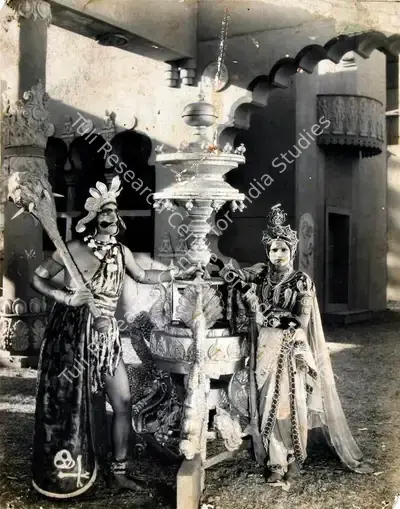
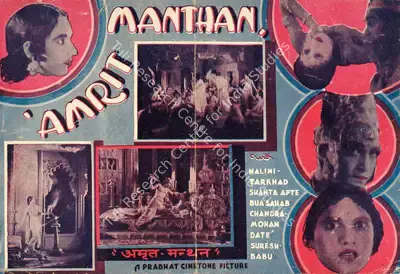
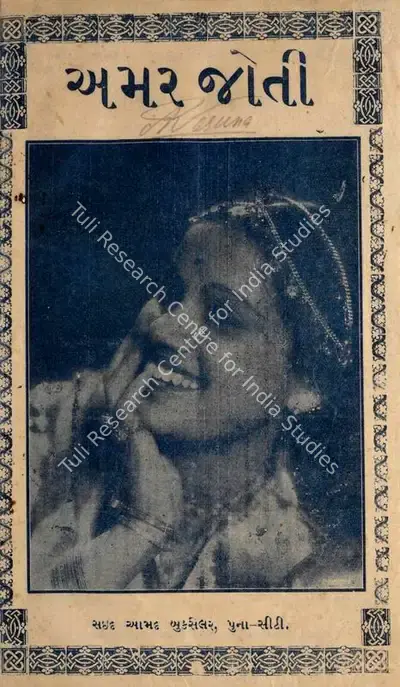
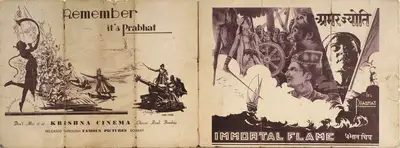
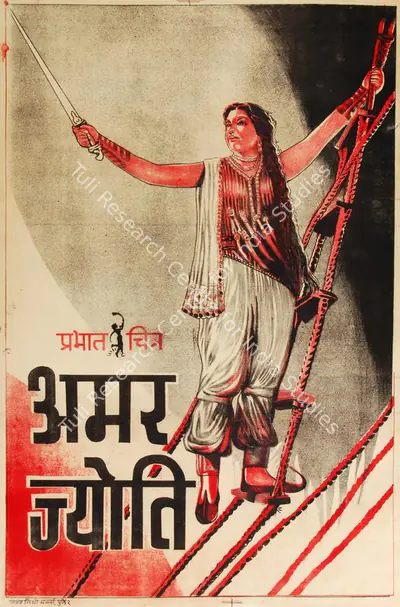
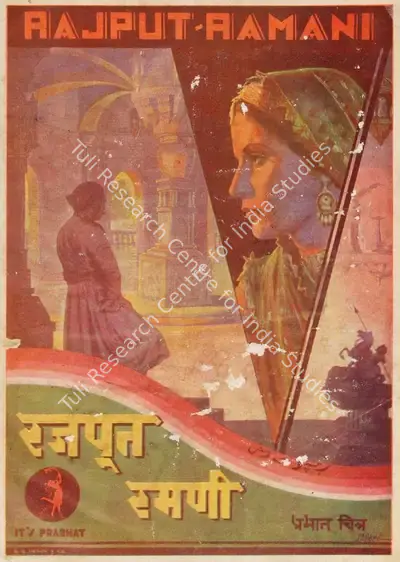
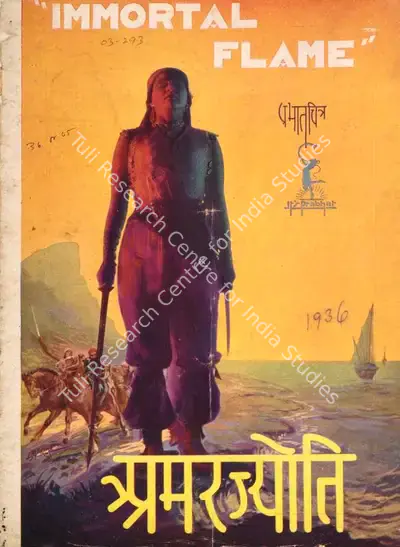
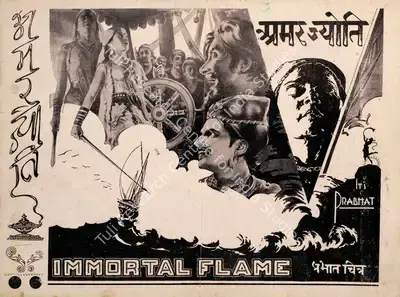
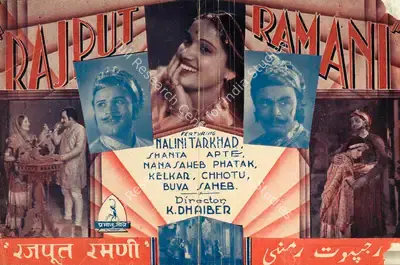
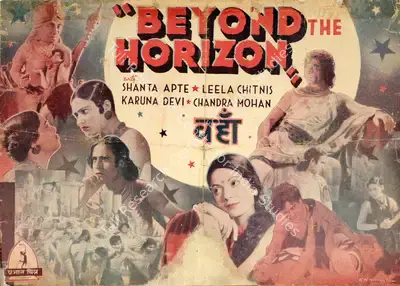
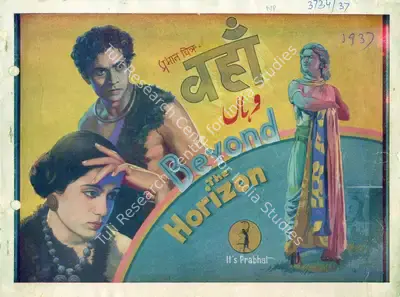
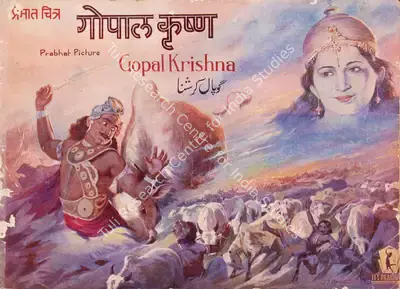
Her association with the Prabhat Film Company in Poona established Apte as a major singer-actress. She appeared in a succession of successful productions, including Amrit Manthan (1934), Amar Jyoti (1936), Rajput Ramani (1936), Duniya Na Maane (1937), Wahaan (1937) and Gopal Krishna (1938). Many were also made in Marathi and enjoyed considerable success, helping establish Apte as one of the highest-paid female stars of Marathi cinema while she simultaneously built a reputation in Hindi films.
Her performance in V. Shantaram's Duniya Na Maane (1937) was a career-defining achievement. She played Nirmala, an orphan forced into marriage with a wealthy older widower, portrayed by Keshavrao Date. Refusing to accept the marriage on his terms, Nirmala challenges her husband's expectations and compels him to confront the injustice he has inflicted upon her. His eventual remorse ends in suicide, with a note urging her to remarry. Apte brought dignity, defiance and emotional depth to the role, while her rendition of H. W. Longfellow's “A Psalm of Life” further demonstrated the distinctive fusion of acting and singing that characterized her screen career.
The same year brought Kunku (1937), the Marathi counterpart of Duniya Na Maane. It became the greatest success of Apte's career and remains one of the most highly regarded films of the period. Her work in these socially progressive films established her as an actress capable of combining star appeal with roles that challenged prevailing attitudes towards marriage and women's autonomy.
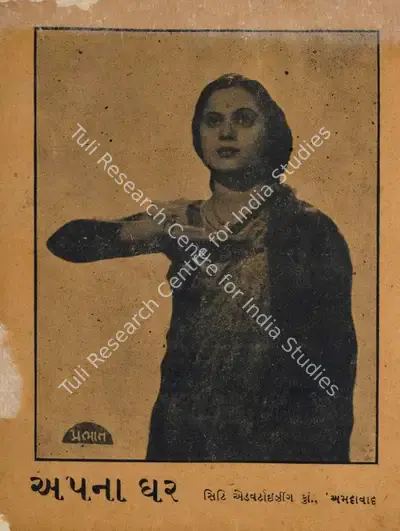
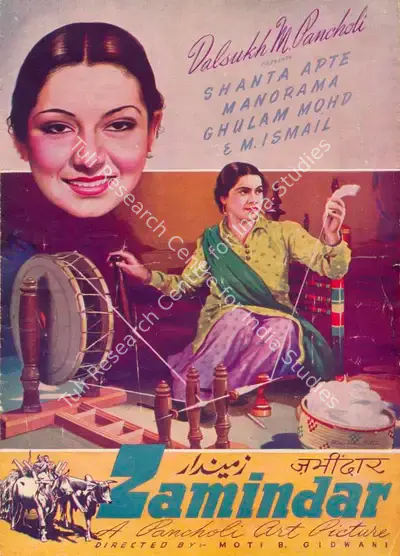
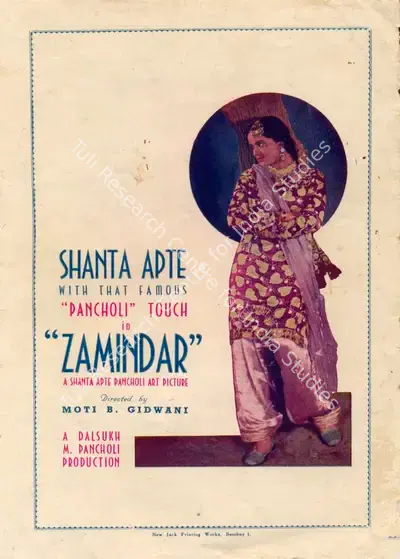
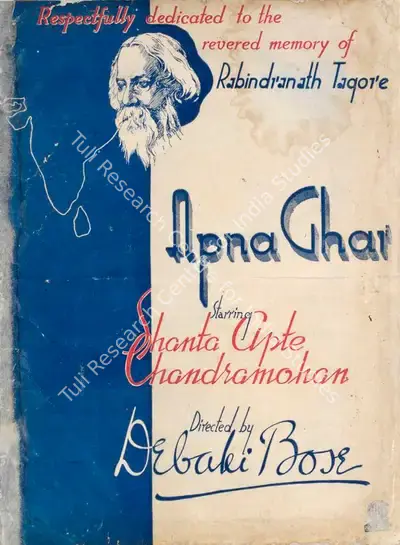
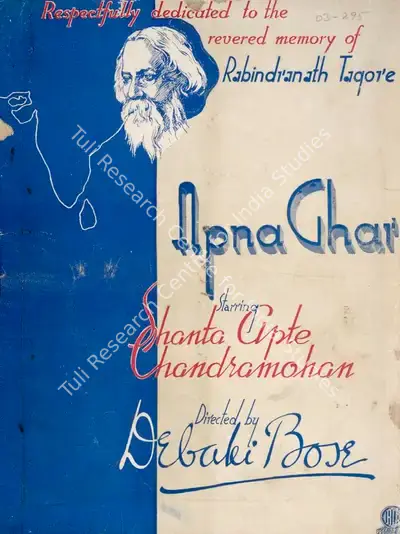
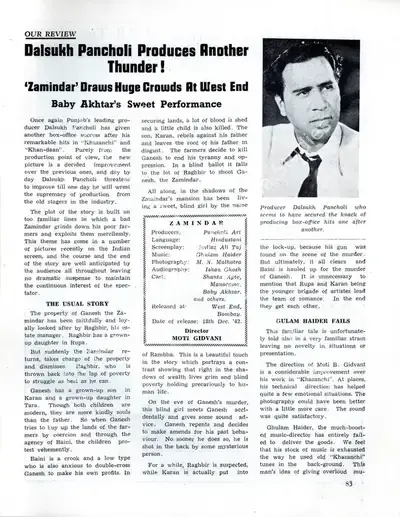
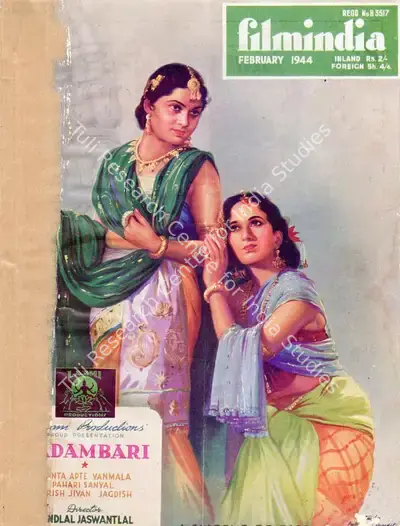
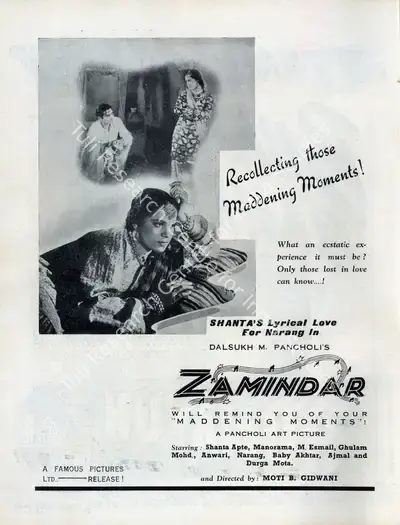
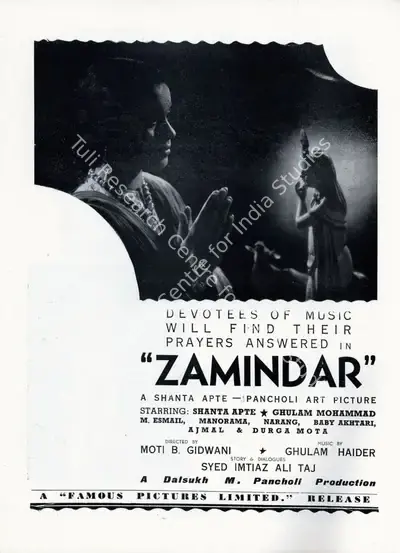
In 1938, Apte left Prabhat and embarked on an independent career at a time when the studio system dominated Indian filmmaking. Her decision to work as a freelancer was highly unusual and has led to her being regarded as one of the earliest major Indian actors to free herself from a studio contract during the Studio Era. She subsequently appeared in Apna Ghar (1942), Zamindaar (1942), Duhaai (1943), Mohabbat (1943), Bhagya Lakshmi (1944), Kadambari (1944), Panihari (1946), Subhadra (1946), Uttara Abhimanyu (1946) and Valmiki (1946), continuing to sing her own songs.
Her career was equally notable for its linguistic and geographical range. Alongside Marathi and Hindi cinema, she had a substantial presence in Marathi and Gujarati theatre and appeared in the Tamil film Savitri (1941), featuring the celebrated Carnatic vocalist M. S. Subbulakshmi as Narada. Apte consequently enjoyed the rare distinction of acting and singing alongside three iconic female singing stars of Indian cinema: M. S. Subbulakshmi in Savitri (1941), Noor Jehan in Duhaai (1943), and Lata Mangeshkar in Subhadra (1946).
After the mid-1940s, however, her screen career declined. Following a long absence, she returned in Chandi Pooja (1957), under the musical direction of Ajit Merchant, where she sang what is generally regarded as the final recorded song of her career. Her name also appears in the credits of Ram Bhakta Vibhishan (1958), another Merchant production, although no song is credited to her in the Hindi Film Geet Kosh. It was her final film.
Apte was as famous for her rebellious personality as for her artistic accomplishments. She was unwilling to accept what she considered injustice and reportedly confronted Filmindia editor Baburao Patel over material she regarded as scandalous. When dissatisfied with Prabhat, she is said to have gone on hunger strike outside its office in protest. Such defiance contributed to her enduring epithet, the “Stormy Petrel of Indian Cinema.”
Her later years, however, were marked by declining opportunities, isolation and alcoholism. Once among the most celebrated stars of her generation, Apte died in February 1964, largely removed from the cinematic world she had helped define. Her Marathi autobiography, Jau Mi Cinemat, provides another window into the personality behind the legend.
Apte's life ultimately embodies both the triumph and tragedy of early Indian cinema. A gifted singer, pioneering independent performer and major Marathi star, she brought unusual force to socially challenging roles. In an era when female performers were expected to remain within narrowly prescribed boundaries, Shanta Apte repeatedly crossed them. Her artistry, independence and defiance ensured that she could never be easily contained—and that remains central to her enduring legacy.
References:
https://www.streeshakti.com/bookS.aspx?author=16
https://www.songsofyore.com/the-stormy-petrel-of-the-indian-screen-i-knew-very-late-shanta-apte/
शांता आप्टे का भारतीय सिनेमा में खास स्थान है। वे एक बेहतरीन अभिनेत्री और गायिका थीं, जिनका करियर मराठी, हिंदी, गुजराती और तमिल सिनेमा के साथ-साथ थिएटर तक फैला हुआ था। पुराने दौर की सबसे मशहूर महिला कलाकारों में से एक, शांता आप्टे न केवल अपनी कला के लिए, बल्कि अपने बेहद स्वतंत्र स्वभाव के लिए भी जानी जाती थीं। उनके निधन के छह दशक से भी अधिक समय बाद, शांता आप्टे शुरुआती भारतीय सिनेमा की एक ऐसी शख़्सियत हैं, जिन्होंने स्टूडियो सिस्टम की परंपराओं और महिलाओं से जुड़ी उम्मीदों दोनों को ही बार-बार चुनौती दी।
महाराष्ट्र के दुधनी में जन्मीं और पंढरपुर में पली-बढ़ीं शांता आप्टे का परिचय बहुत कम उम्र में ही संगीत से हो गया था। उनके पिता, जो एक स्टेशन मास्टर और अच्छे गायक थे, उन्होंने उनकी संगीत प्रतिभा को बढ़ावा दिया। जल्द ही, पुणे में गणपति उत्सवों के दौरान अपनी प्रस्तुतियों से उन्होंने सबका ध्यान अपनी ओर खींचा। उनकी प्रतिभा की ख़बर कोल्हापुर में भालजी पेंढारकर तक पहुंची, जिन्होंने उन्हें फ़िल्म 'श्याम सुंदर' (1932) में राधा की भूमिका दी। एक दिलचस्प बात यह रही कि फ़िल्म में उनके पति का किरदार उनके भाई, बाबुराव आप्टे ने निभाया था। उन्होंने इस फ़िल्म के लिए दो गाने भी गाए। हालाँकि फ़िल्म का हिंदी संस्करण कुछ ख़ास कमाल नहीं दिखा सका, लेकिन मराठी संस्करण बहुत सफल रहा, जिससे एक नई और शानदार प्रतिभा के आगमन की घोषणा हुई।
पुणे की प्रभात फ़िल्म कंपनी के साथ जुड़ने के बाद, शांता आप्टे एक प्रमुख गायिका-अभिनेत्री के रूप में स्थापित हो गईं। उन्होंने कई सफल फ़िल्मों में काम किया, जिनमें 'अमृत मंथन' (1934), 'अमर ज्योति' (1936), 'राजपूत रमणी' (1936), 'दुनिया न माने' (1937), 'वहां' (1937) और 'गोपाल कृष्ण' (1938) शामिल हैं। इनमें से कई फिल्में मराठी में भी बनीं और काफी सफल रहीं। इससे शांता आप्टे मराठी सिनेमा की सबसे ज्यादा फीस पाने वाली महिला सितारों में से एक बन गईं, जबकि साथ ही उन्होंने हिंदी फ़िल्मों में भी अपनी एक अलग पहचान बनाई।
वी. शांताराम की फ़िल्म 'दुनिया न माने' (1937) में उनका अभिनय उनके करियर का एक अहम पड़ाव साबित हुआ। इसमें उन्होंने निर्मला का किरदार निभाया था। एक अनाथ लड़की, जिसे एक अमीर और उम्रदराज़ विधुर (जिसका किरदार केशवराव दाते ने निभाया था) से शादी करने के लिए मज़बूर किया जाता है। अपनी शर्तों पर शादी को मानने से इनकार करते हुए, निर्मला अपने पति की अपेक्षाओं को चुनौती देती है और उसे उस अन्याय का सामना करने पर मज़बूर करती है जो उसने उसके साथ किया है। अंततः, अपने किए पर पछताते हुए उसका पति आत्महत्या कर लेता है और एक नोट छोड़ जाता है जिसमें वह निर्मला से दोबारा शादी करने का आग्रह करता है। आप्टे ने इस किरदार में गरिमा, विद्रोही तेवर और गहरी भावनात्मक गहराई ला दी। इसके अलावा, एच. डब्ल्यू. लॉन्गफेलो की कविता “अ साल्म ऑफ़ लाइफ़” (A Psalm of Life) को जिस तरह से उन्होंने पेश किया, वह उनके अभिनय और गायन के उस अनोखे मेल को और भी स्पष्ट करता है, जो उनके फ़िल्मी करियर की एक ख़ास पहचान रही।
उसी साल 'कुंकू' (1937) आई, जो 'दुनिया न माने' का मराठी संस्करण थी। यह आप्टे के करियर की सबसे बड़ी सफलता साबित हुई और उस दौर की सबसे बेहतरीन फ़िल्मों में गिनी जाती है। सामाजिक रूप से प्रगतिशील इन फ़िल्मों में उनके काम ने उन्हें एक ऐसी अभिनेत्री के रूप में स्थापित किया, जो स्टार अपील के साथ-साथ ऐसे किरदारों को भी बख़ूबी निभा सकती थी, जो विवाह और महिलाओं की स्वतंत्रता के प्रति उस समय की सोच को चुनौती देते थे।
1938 में, आप्टे ने 'प्रभात' स्टूडियो छोड़ दिया और एक स्वतंत्र करियर की शुरुआत की। यह उस समय की बात है जब भारतीय फ़िल्म निर्माण में 'स्टूडियो सिस्टम' का बोलबाला था। फ्रीलांसर के तौर पर काम करने का उनका फ़ैसला काफ़ी अनोखा था। उन्हें 'स्टूडियो युग' के दौरान स्टूडियो के अनुबंध (कॉन्ट्रैक्ट) से ख़ुद को मुक्त करने वाली पहली प्रमुख भारतीय अभिनेत्रियों में से एक माना जाता है। इसके बाद उन्होंने 'अपना घर' (1942), 'ज़मींदार' (1942), 'दुहाई' (1943), 'मोहब्बत' (1943), 'भाग्य लक्ष्मी' (1944), 'कादंबरी' (1944), 'पनिहारी' (1946), 'सुभद्रा' (1946), 'उत्तरा अभिमन्यु' (1946) और 'वाल्मीकि' (1946) जैसी फ़िल्मों में काम किया, और इन सभी में उन्होंने अपने गाने ख़ुद ही गाए।
उनका करियर भाषाओं और भौगोलिक विस्तार के लिहाज़ से भी काफ़ी उल्लेखनीय रहा। मराठी और हिंदी सिनेमा के अलावा, मराठी और गुजराती थिएटर में भी उनकी अच्छी-ख़ासी मौजूदगी थी। उन्होंने तमिल फ़िल्म 'सावित्री' (1941) में भी काम किया, जिसमें मशहूर कर्नाटक संगीत गायिका एम. एस. सुब्बुलक्ष्मी ने नारद की भूमिका निभाई थी। इस तरह, आप्टे को भारतीय सिनेमा की तीन दिग्गज महिला गायिकाओं-अभिनेत्रियों के साथ काम करने और गाने का दुर्लभ अवसर मिला: 'सावित्री' (1941) में एम. एस. सुब्बुलक्ष्मी, 'दुहाई' (1943) में नूरजहाँ और 'सुभद्रा' (1946) में लता मंगेशकर।
हालाँकि, 1940 के दशक के मध्य के बाद उनके फ़िल्मी करियर में गिरावट आने लगी। लंबे समय तक पर्दे से दूर रहने के बाद, उन्होंने 'चंडी पूजा' (1957) फ़िल्म से वापसी की। इस फ़िल्म में संगीत निर्देशन अजीत मर्चेंट का था, और इसमें उन्होंने जो गाना गाया, उसे उनके करियर का आख़िरी रिकॉर्ड किया गया गाना माना जाता है। उनका नाम 'राम भक्त विभीषण' (1958) के क्रेडिट में भी आता है, जो मर्चेंट प्रोडक्शन की ही एक और फ़िल्म थी, हालाँकि 'हिंदी फ़िल्म गीत कोश' में उनके नाम कोई भी गाना दर्ज नहीं है। यह उनकी आख़िरी फ़िल्म थी।
आप्टे अपनी कलात्मक उपलब्धियों के साथ-साथ अपने विद्रोही स्वभाव के लिए भी मशहूर थीं। उन्हें जो भी अन्यायपूर्ण लगता, वे उसे कभी स्वीकार नहीं करती थीं, कहा जाता है कि 'फ़िल्मइंडिया' के संपादक बाबूराव पटेल द्वारा प्रकाशित कुछ आपत्तिजनक सामग्री का उन्होंने कड़ा विरोध किया था। 'प्रभात' (फ़िल्म कंपनी) से असंतुष्ट होने पर, उन्होंने विरोध जताने के लिए कंपनी के दफ़्तर के बाहर भूख हड़ताल भी की थी। उनके इसी विद्रोही तेवर की वजह से उन्हें "भारतीय सिनेमा की 'स्टॉर्मी पेट्रेल' (विद्रोही या तूफानी शख्सियत)" कहा जाने लगा।
हालाँकि, उनके जीवन के आख़िरी सालों में उन्हें काम मिलना कम हो गया, वे अकेली पड़ गईं और शराब की लत का शिकार हो गईं। अपनी पीढ़ी की सबसे मशहूर अभिनेत्रियों में से एक रहीं आप्टे का फरवरी 1964 में निधन हो गया। उस समय वे उस सिनेमाई दुनिया से लगभग पूरी तरह कट चुकी थीं, जिसे संवारने में उन्होंने ख़ुद अहम योगदान दिया था। उनकी मराठी आत्मकथा, 'जाऊ मी सिनेमैट' (Jau Mi Cinemat), इस महान कलाकार के व्यक्तित्व को और क़रीब से समझने का एक जरिया है।
आप्टे का जीवन, एक तरह से शुरुआती भारतीय सिनेमा की कामयाबी और त्रासदी दोनों को दर्शाता है। एक बेहतरीन गायिका, स्वतंत्र रूप से काम करने वाली अग्रणी कलाकार और मराठी सिनेमा की बड़ी स्टार होने के नाते, उन्होंने सामाजिक चुनौतियों से भरे किरदारों में एक अनोखी जान फूंक दी थी। उस दौर में, जब महिला कलाकारों से यह उम्मीद की जाती थी कि वे तय की गई सीमाओं के भीतर ही रहें, शांता आप्टे ने बार-बार उन सीमाओं को तोड़ा। उनकी कला, उनकी स्वतंत्रता और उनके विद्रोही स्वभाव ने यह साबित कर दिया कि उन्हें किसी दायरे में बाँधकर रखना मुमकिन नहीं था और यही बात आज भी उनकी विरासत का सबसे अहम हिस्सा बनी हुई है।
स्रोत:
https://www.streeshakti.com/bookS.aspx?author=16
https://www.songsofyore.com/the-stormy-petrel-of-the-indian-screen-i-knew-very-late-shanta-apte/
The whole holding
Research Centre
20 of 48
20 of 45