TRIS logo image
Search275,000+ actors, artists, objects, artworks, films, exhibitions, archives

EN

EN

English

HI

Hindi

EN

EN

English

HI

Hindi

Tuli Research Centre for India Studies

Tuli Research Centre for India Studies

Vision

Manifesto

Archive & Library

Vanraja Sanctuary & Hospice

Home

Research Categories

Browse All

ICore

1_CinemaEducation_Cinema as a Critical Educational Resource

2_FineArts_Modern and Contemporary Indian Fine Arts

3_Photography_Photography in India

4_PopCulture_The Printed Image, Popular Arts, and Crafts

IIMaterial

5_ArcHeritage_India's Architectural Heritage as Inspiration

6_EconomicsArt_Economics of Art & Cultural Industry

7_Travel_Automobile, Transport and Travel Heritage

8_Uncertainty_Uncertainty

IIICritical

9_SocialDuty_Social Responsibility of the Creative Mind

10_Childhood_The Changing Smile of Childhood & Its Second Coming

11_Sensuality_The Sensual Discipline within Creativity

12_Scholarship_The History & Historiography of Scholarship in the Arts, Humanities, and Social Sciences

IVMeaningful

13_SeekJustice_Seeking Justice and Political Integrity

14_IndoWorld_India and her Relationship with the World

15_SpiritualPoetics_The Religious-Spiritual-Poetic-Philosophical Framework

16_Continuum_The Animal-Human-Nature Continuum

Explore

All

Posts

Masterlists

Calendar

Live | Upcoming

All Events

Timetable

Search275,000+ actors, artists, objects, artworks, films, exhibitions, archives

EN

EN

English

HI

Hindi

Home/Shankarsingh Raghuwanshi

Shankarsingh Raghuwanshi

The whole holding
Scroll→

Research Centre

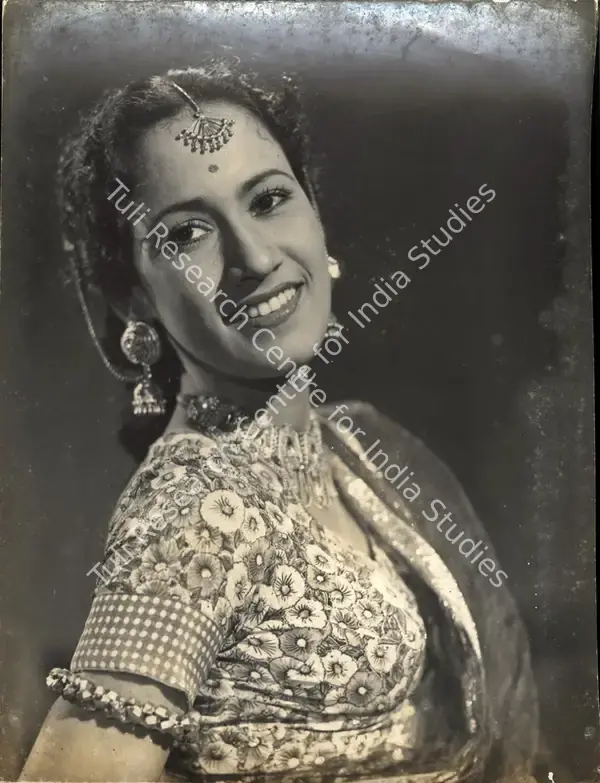
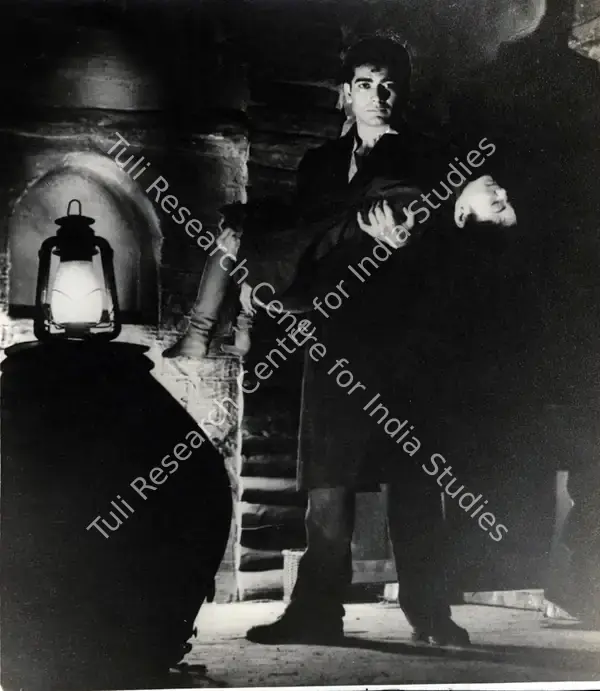
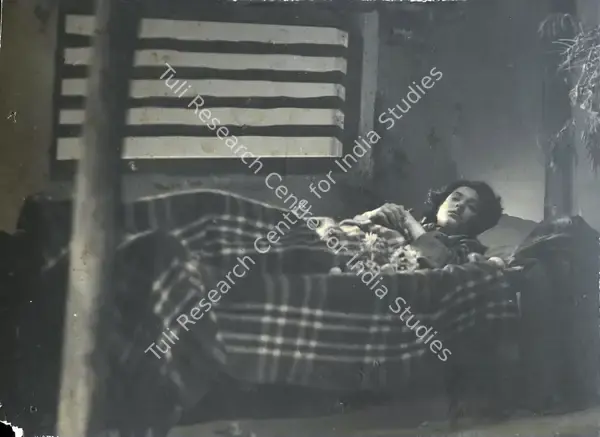
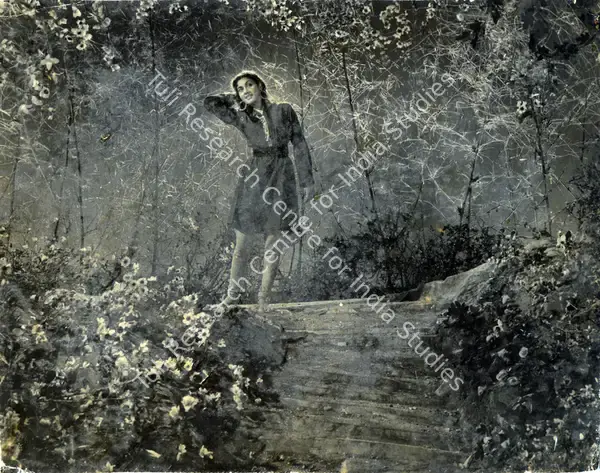
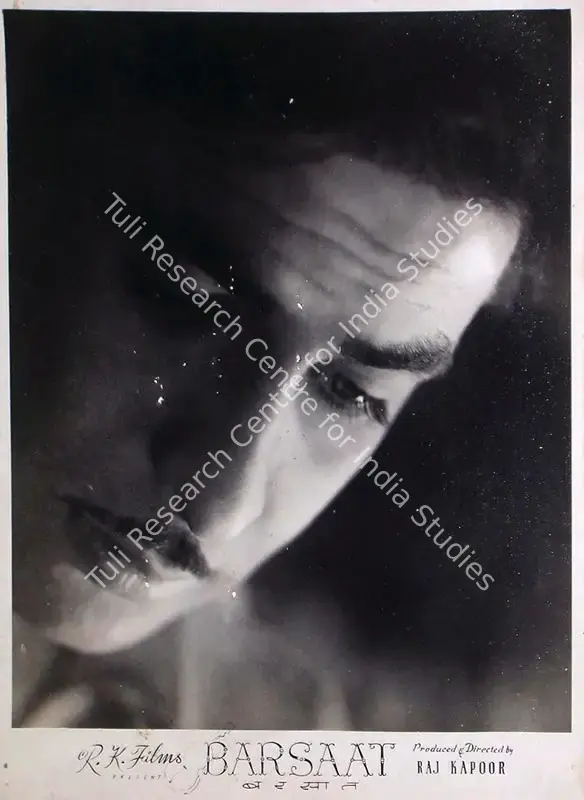
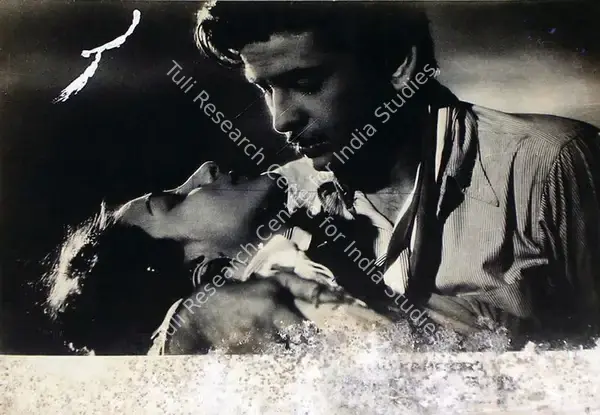
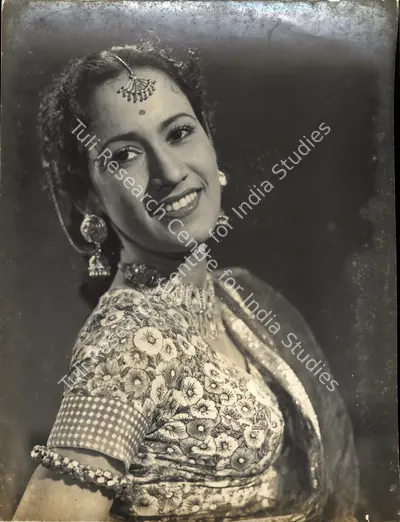
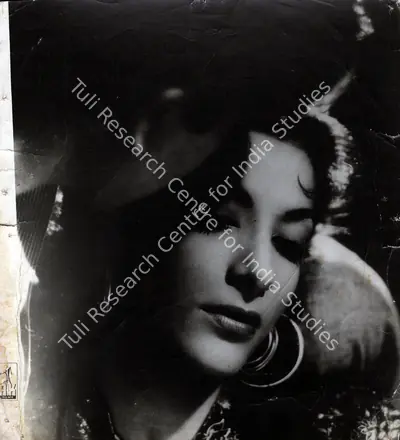
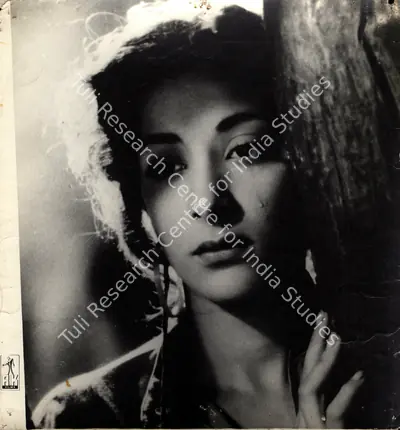
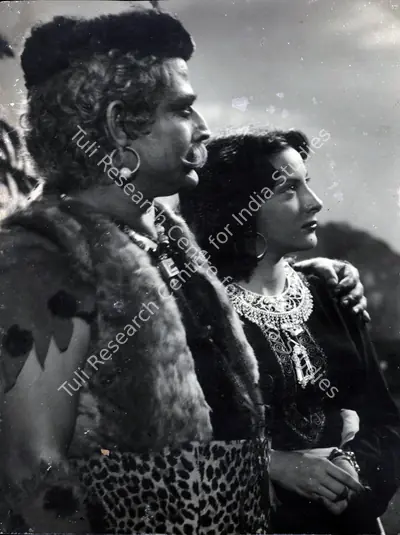
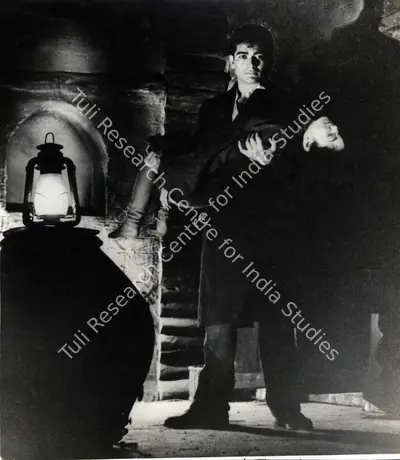
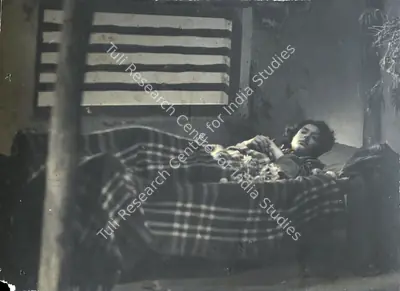
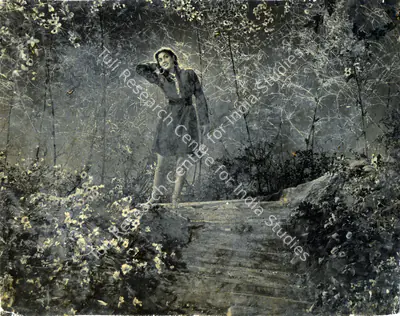
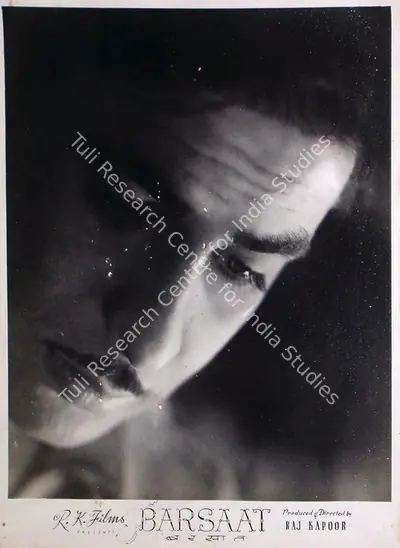
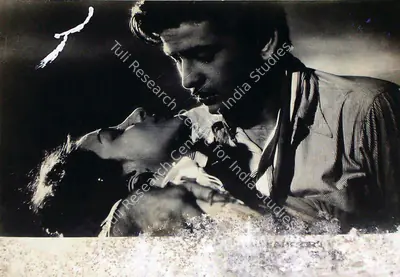
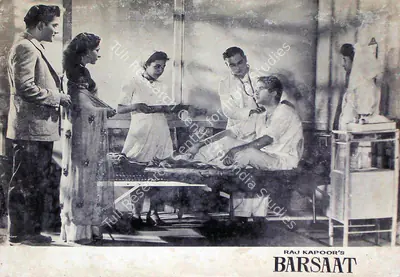
Jal Mistry (Cinematographer), Barsaat, 1949, Photographic Still
Mistry, Jal (Cinematographer), Barsaat, 1949 | Photographic Still
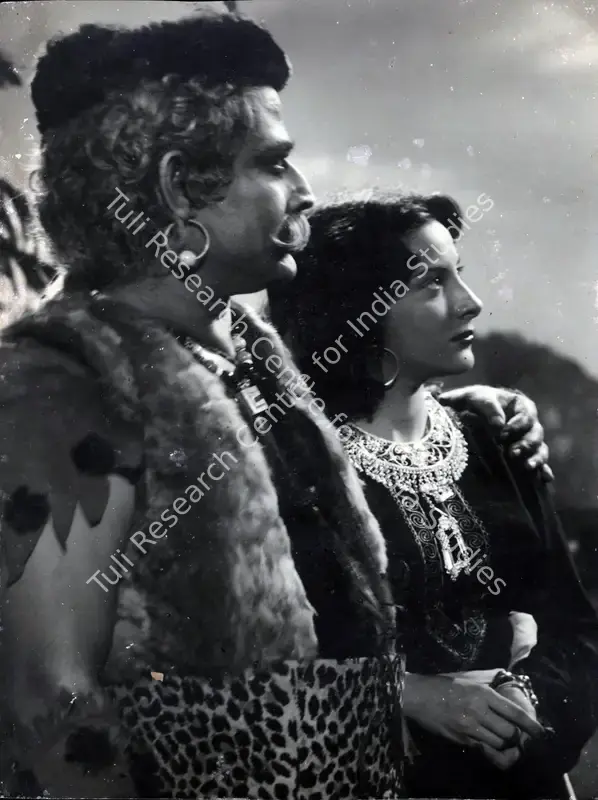
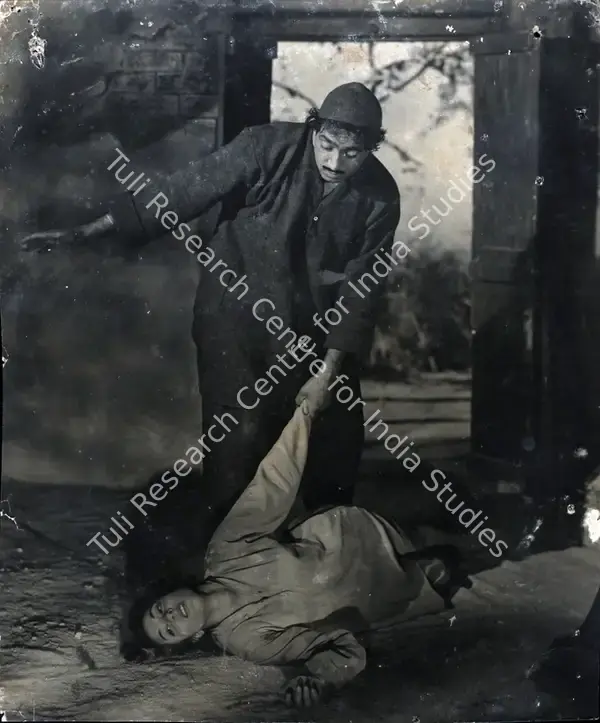
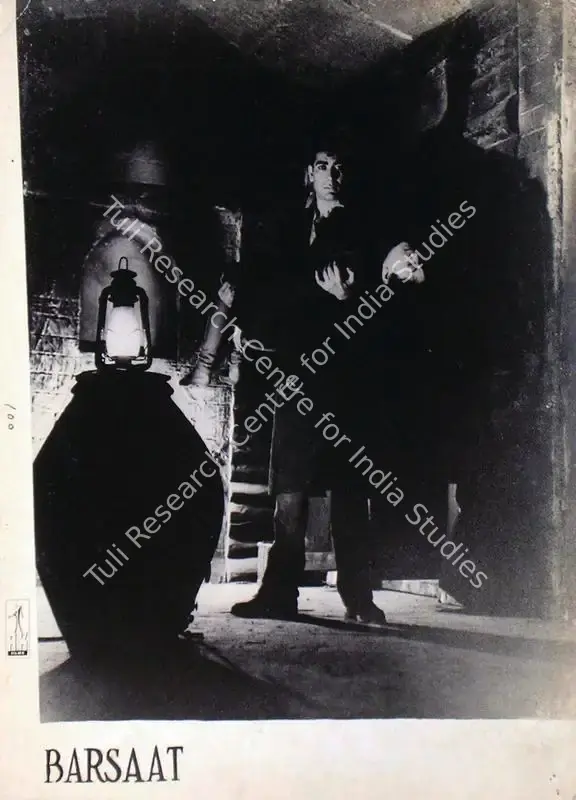
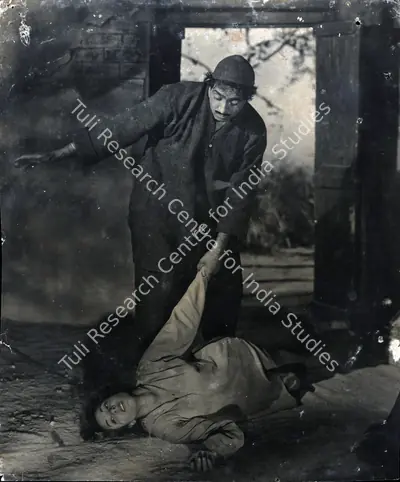
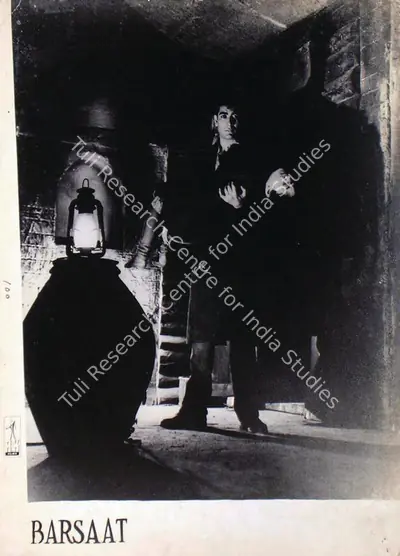
Jal Mistry (Cinematographer), Barsaat, 1949, Photographic Still
Mistry, Jal (Cinematographer), Barsaat, 1949 | Photographic Still
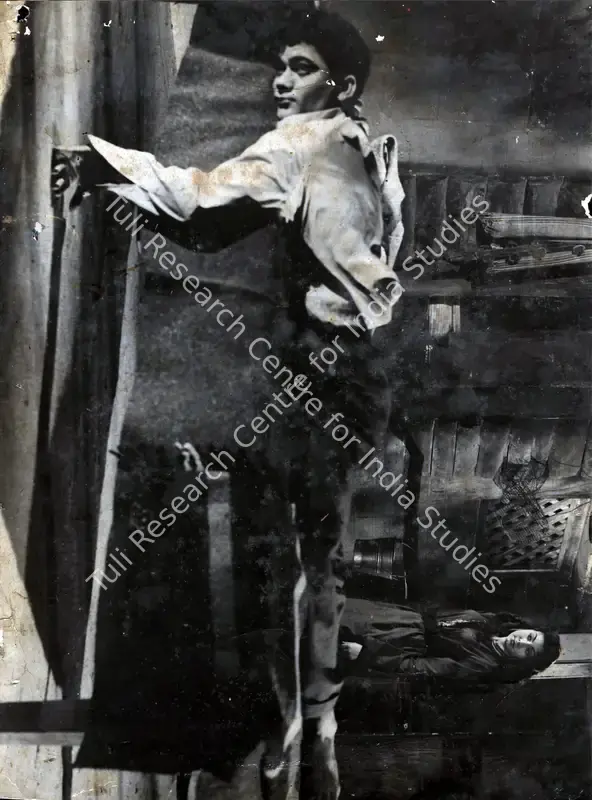
Jal Mistry (Cinematographer), Barsaat, 1949, Photographic Still
Mistry, Jal (Cinematographer), Barsaat, 1949 | Photographic Still
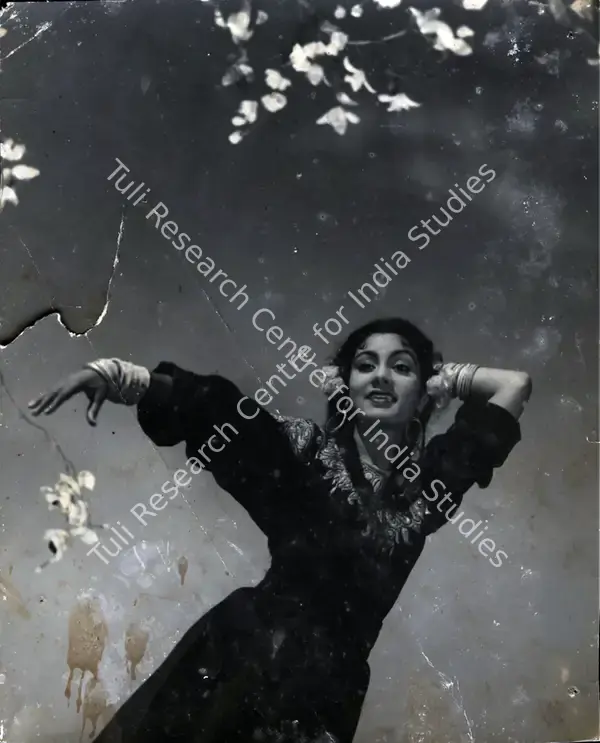
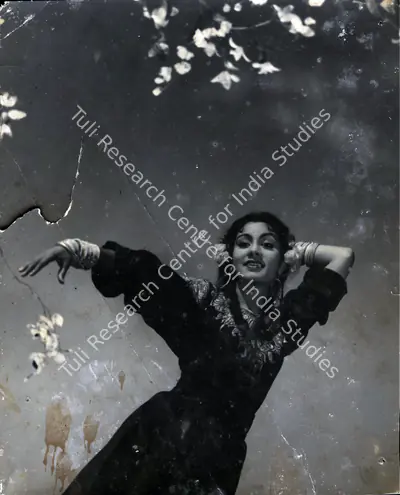
Jal Mistry (Cinematographer), Barsaat, 1949, Photographic Still
Mistry, Jal (Cinematographer), Barsaat, 1949 | Photographic Still
Jal Mistry (Cinematographer), Barsaat, 1949, Photographic Still
Mistry, Jal (Cinematographer), Barsaat, 1949 | Photographic Still
Jal Mistry (Cinematographer), Barsaat, 1949, Photographic Still
Mistry, Jal (Cinematographer), Barsaat, 1949 | Photographic Still
Jal Mistry (Cinematographer), Barsaat, 1949, Photographic Still
Mistry, Jal (Cinematographer), Barsaat, 1949 | Photographic Still
Jal Mistry (Cinematographer), Barsaat, 1949, Photographic Still
Mistry, Jal (Cinematographer), Barsaat, 1949 | Photographic Still
Jal Mistry (Cinematographer), Barsaat, 1949, Photographic Still
Mistry, Jal (Cinematographer), Barsaat, 1949 | Photographic Still
Jal Mistry (Cinematographer), Barsaat, 1949, Photographic Still
Mistry, Jal (Cinematographer), Barsaat, 1949 | Photographic Still
Raj Kapoor (Producer), Barsaat, 1949, Song-Synopsis Booklet
Kapoor, Raj (Producer), Barsaat, 1949 | Song-Synopsis Booklet
Raj Kapoor (Producer), Barsaat, 1949, Song-Synopsis Booklet
Kapoor, Raj (Producer), Barsaat, 1949 | Song-Synopsis Booklet
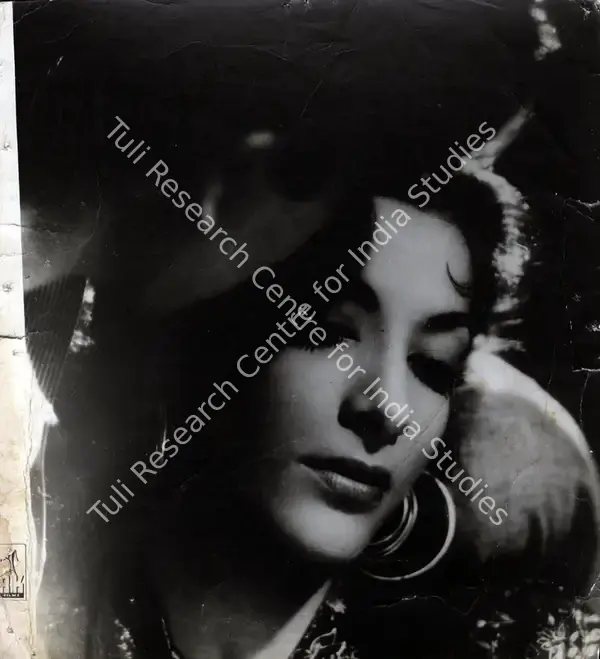
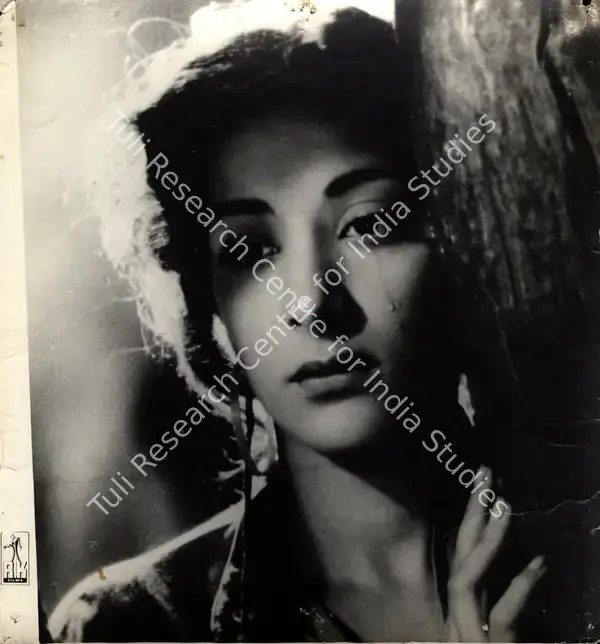
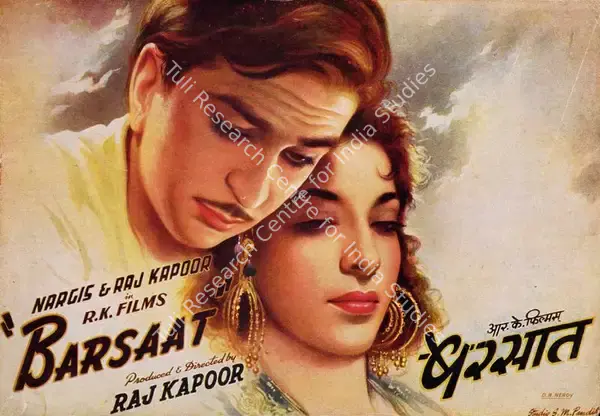
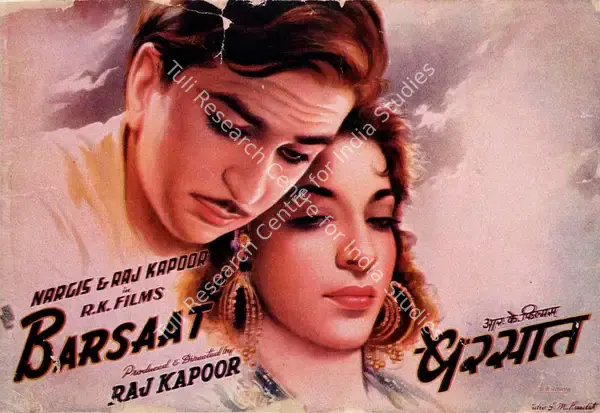
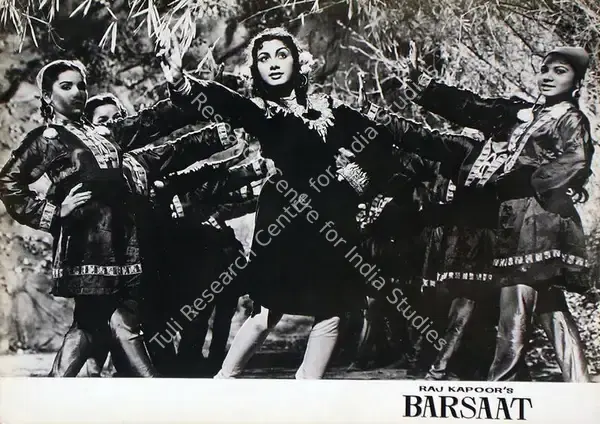
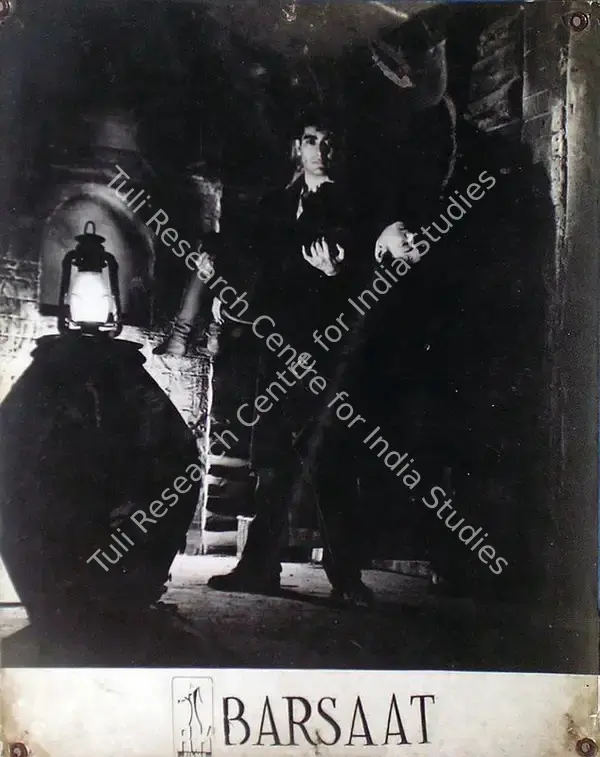
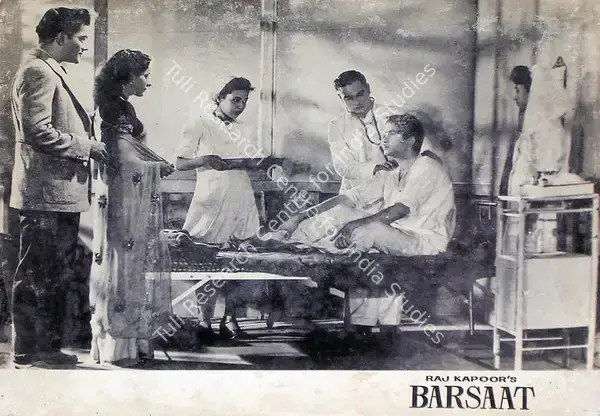
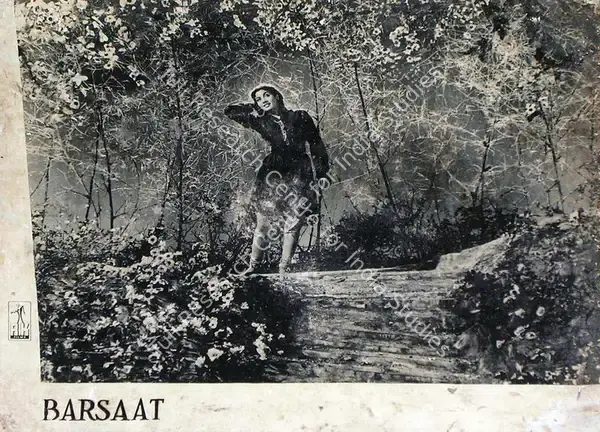
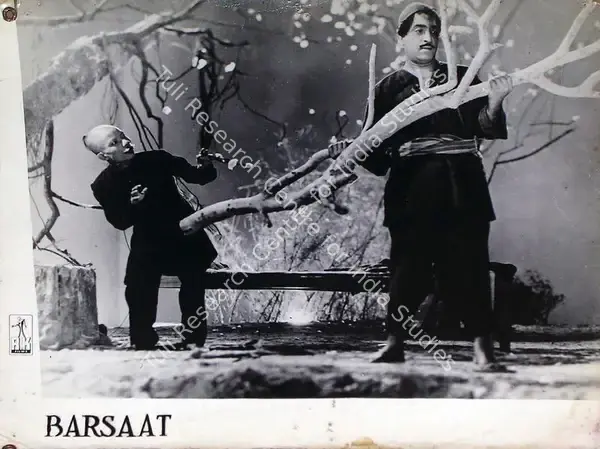
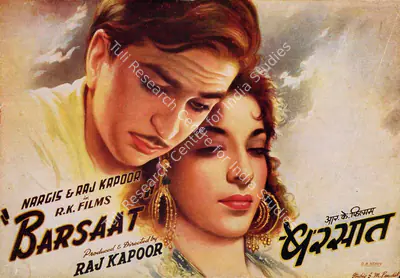
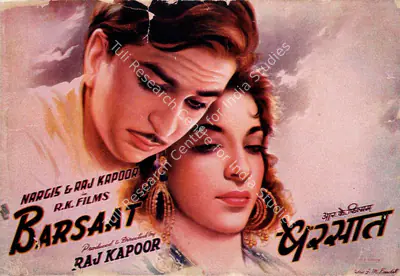
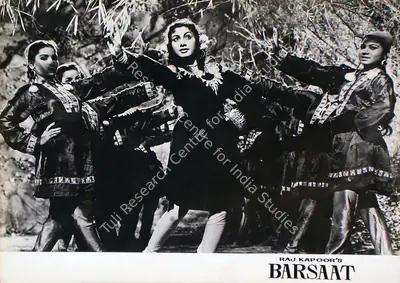
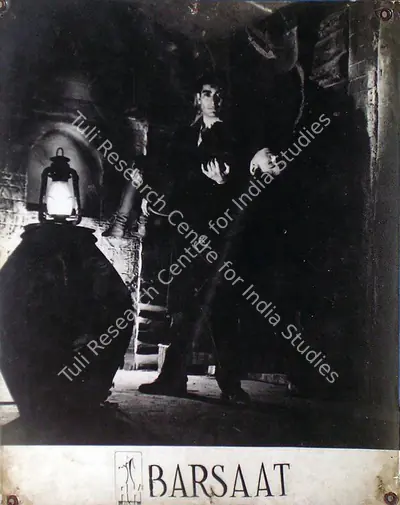
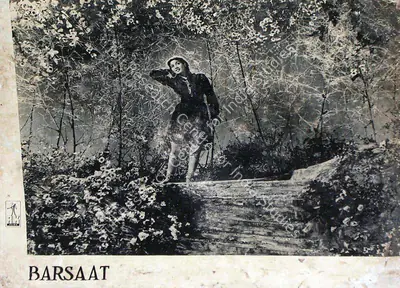
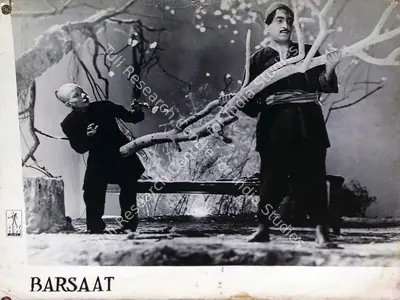
Jal Mistry (Cinematographer), Barsaat, 1949, Lobby Card
Mistry, Jal (Cinematographer), Barsaat, 1949 | Lobby Card
Jal Mistry (Cinematographer), Barsaat, 1949, Lobby Card
Mistry, Jal (Cinematographer), Barsaat, 1949 | Lobby Card
Jal Mistry (Cinematographer), Barsaat, 1949, Lobby Card
Mistry, Jal (Cinematographer), Barsaat, 1949 | Lobby Card
Jal Mistry (Cinematographer), Barsaat, 1949, Lobby Card
Mistry, Jal (Cinematographer), Barsaat, 1949 | Lobby Card
Jal Mistry (Cinematographer), Barsaat, 1949, Lobby Card
Mistry, Jal (Cinematographer), Barsaat, 1949 | Lobby Card
Jal Mistry (Cinematographer), Barsaat, 1949, Lobby Card
Mistry, Jal (Cinematographer), Barsaat, 1949 | Lobby Card
Jal Mistry (Cinematographer), Barsaat, 1949, Lobby Card
Mistry, Jal (Cinematographer), Barsaat, 1949 | Lobby Card
Jal Mistry (Cinematographer), Barsaat, 1949, Lobby Card
Mistry, Jal (Cinematographer), Barsaat, 1949 | Lobby Card
20 of 646
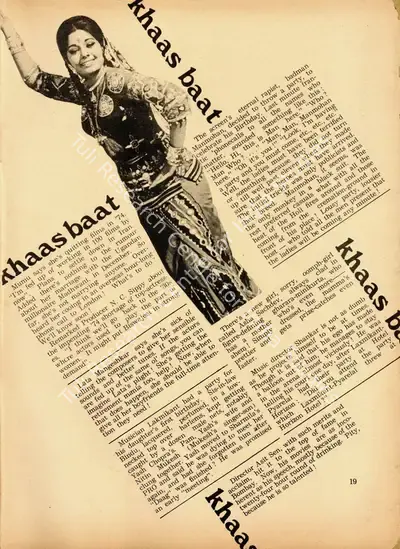
Khaas Baat, 1973, Column
Khaas Baat. In Sunday. 29 April 1973 | Column | 00802259
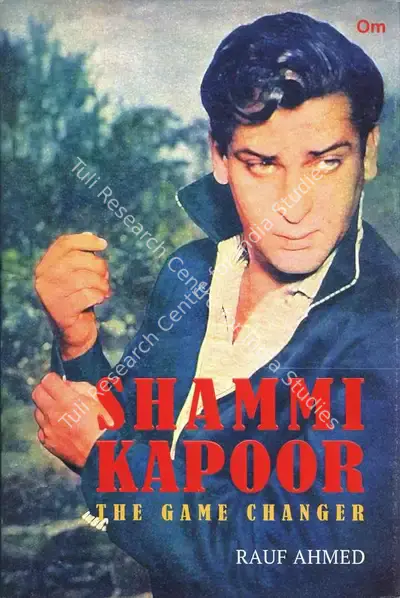
Rauf Ahmed (Author), Shammi Kapoor, 2016, Authored Book
Ahmed, Rauf (Author). Shammi Kapoor, 2016 | Authored Book | 00844063
Jal Mistry (Cinematographer), Barsaat, 1949, Photographic Still
Mistry, Jal (Cinematographer), Barsaat, 1949 | Photographic Still
Jal Mistry (Cinematographer), Barsaat, 1949, Photographic Still
Mistry, Jal (Cinematographer), Barsaat, 1949 | Photographic Still
Jal Mistry (Cinematographer), Barsaat, 1949, Photographic Still
Mistry, Jal (Cinematographer), Barsaat, 1949 | Photographic Still
Jal Mistry (Cinematographer), Barsaat, 1949, Photographic Still
Mistry, Jal (Cinematographer), Barsaat, 1949 | Photographic Still
Jal Mistry (Cinematographer), Barsaat, 1949, Photographic Still
Mistry, Jal (Cinematographer), Barsaat, 1949 | Photographic Still
Jal Mistry (Cinematographer), Barsaat, 1949, Photographic Still
Mistry, Jal (Cinematographer), Barsaat, 1949 | Photographic Still
Jal Mistry (Cinematographer), Barsaat, 1949, Photographic Still
Mistry, Jal (Cinematographer), Barsaat, 1949 | Photographic Still
Jal Mistry (Cinematographer), Barsaat, 1949, Photographic Still
Mistry, Jal (Cinematographer), Barsaat, 1949 | Photographic Still
Jal Mistry (Cinematographer), Barsaat, 1949, Photographic Still
Mistry, Jal (Cinematographer), Barsaat, 1949 | Photographic Still
Jal Mistry (Cinematographer), Barsaat, 1949, Photographic Still
Mistry, Jal (Cinematographer), Barsaat, 1949 | Photographic Still
Raj Kapoor (Producer), Barsaat, 1949, Song-Synopsis Booklet
Kapoor, Raj (Producer), Barsaat, 1949 | Song-Synopsis Booklet
Raj Kapoor (Producer), Barsaat, 1949, Song-Synopsis Booklet
Kapoor, Raj (Producer), Barsaat, 1949 | Song-Synopsis Booklet
Jal Mistry (Cinematographer), Barsaat, 1949, Lobby Card
Mistry, Jal (Cinematographer), Barsaat, 1949 | Lobby Card
Jal Mistry (Cinematographer), Barsaat, 1949, Lobby Card
Mistry, Jal (Cinematographer), Barsaat, 1949 | Lobby Card
Jal Mistry (Cinematographer), Barsaat, 1949, Lobby Card
Mistry, Jal (Cinematographer), Barsaat, 1949 | Lobby Card
Jal Mistry (Cinematographer), Barsaat, 1949, Lobby Card
Mistry, Jal (Cinematographer), Barsaat, 1949 | Lobby Card
Jal Mistry (Cinematographer), Barsaat, 1949, Lobby Card
Mistry, Jal (Cinematographer), Barsaat, 1949 | Lobby Card
Jal Mistry (Cinematographer), Barsaat, 1949, Lobby Card
Mistry, Jal (Cinematographer), Barsaat, 1949 | Lobby Card
Jal Mistry (Cinematographer), Barsaat, 1949, Lobby Card
Mistry, Jal (Cinematographer), Barsaat, 1949 | Lobby Card
Jal Mistry (Cinematographer), Barsaat, 1949, Lobby Card
Mistry, Jal (Cinematographer), Barsaat, 1949 | Lobby Card
20 of 636
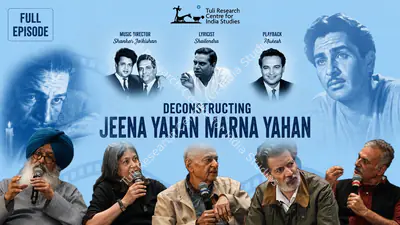
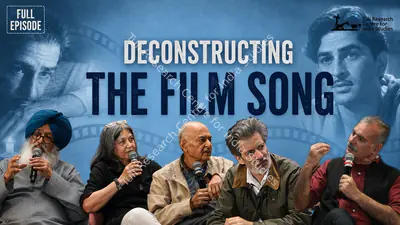
Tuli Research Centre for India Studies (Editor). Jeena Yahan Marna Yahan: The Existential Vision of Raj Kapoor | Mera Naam Joker (1970), 07 August 2026 | In-house Video, 2026 · 20 min 44 sec · Long-form Video
▶
Tuli Research Centre for India Studies (Editor). Jeena Yahan Marna Yahan: The Existential Vision of Raj Kapoor | Mera Naam Joker (1970), 07 August 2026 | In-house Video
2026 · 20 min 44 sec · Long-form Video
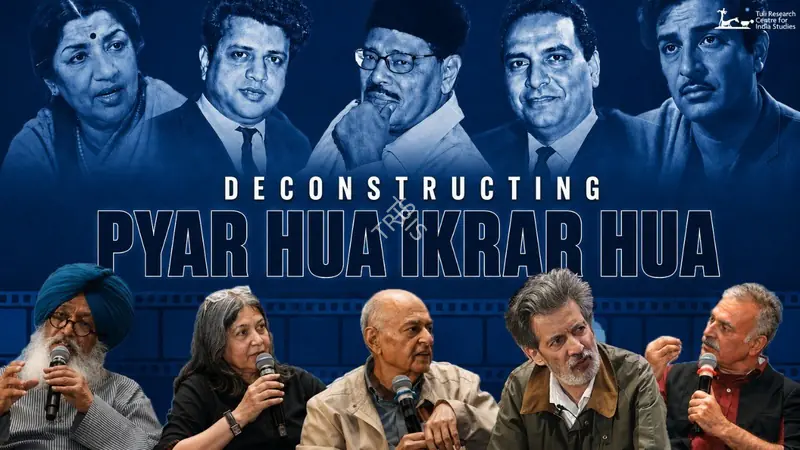
Tuli Research Centre for India Studies (Editor). "Pyaar Hua Ikraar Hua" and the Raj Kapoor-Nargis Pairing That Defined an Era, 06 August 2026 | In-house Video, 2026 · 30 min 39 sec · Long-form Video
▶
Tuli Research Centre for India Studies (Editor). "Pyaar Hua Ikraar Hua" and the Raj Kapoor-Nargis Pairing That Defined an Era, 06 August 2026 | In-house Video
2026 · 30 min 39 sec · Long-form Video
Tuli Research Centre for India Studies (Editor). Uncertainty, Destiny and the Tramp in Raj Kapoor’s "Awara Hoon" | Awara (1951)
, 05 August 2026 | In-house Video, 2026 · 1 min 16 sec · Vertical Video
▶
Tuli Research Centre for India Studies (Editor). Uncertainty, Destiny and the Tramp in Raj Kapoor’s "Awara Hoon" | Awara (1951) , 05 August 2026 | In-house Video
2026 · 1 min 16 sec · Vertical Video
Tuli Research Centre for India Studies (Editor). What made Raj Kapoor's "Awara" one of the most enduring figures in world cinema?, 04 August 2026 | In-house Video, 2026 · 1 min 1 sec · Vertical Video
▶
Tuli Research Centre for India Studies (Editor). What made Raj Kapoor's "Awara" one of the most enduring figures in world cinema?, 04 August 2026 | In-house Video
2026 · 1 min 1 sec · Vertical Video
Tuli Research Centre for India Studies (Editor). From Mumbai to Moscow- The enduring appeal of Raj Kapoor’s “Awara Hoon” | Awara (1951), 04 August 2026 | In-house Video, 2026 · 26 min 5 sec · Long-form Video
▶
Tuli Research Centre for India Studies (Editor). From Mumbai to Moscow- The enduring appeal of Raj Kapoor’s “Awara Hoon” | Awara (1951), 04 August 2026 | In-house Video
2026 · 26 min 5 sec · Long-form Video
Tuli Research Centre for India Studies (Editor). "Ramaiya Vastavaiya"- The Telugu Refrain That Was Never Meant to Survive | Shree 420 (1955), 04 August 2026 | In-house Video, 2026 · 22 min 34 sec · Long-form Video
▶
Tuli Research Centre for India Studies (Editor). "Ramaiya Vastavaiya"- The Telugu Refrain That Was Never Meant to Survive | Shree 420 (1955), 04 August 2026 | In-house Video
2026 · 22 min 34 sec · Long-form Video
Tuli Research Centre for India Studies (Editor). Raj Kapoor's Film Songs: The Soul and Social Vision That Changed Indian Cinema, 04 August 2026 | In-house Video, 2026 · 1 hr 33 min · Long-form Video
▶
Tuli Research Centre for India Studies (Editor). Raj Kapoor's Film Songs: The Soul and Social Vision That Changed Indian Cinema, 04 August 2026 | In-house Video
2026 · 1 hr 33 min · Long-form Video
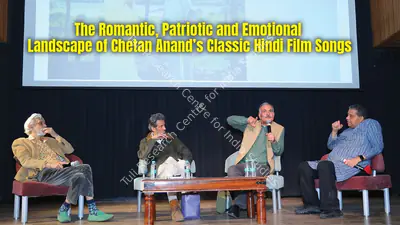
Tuli Research Centre for India Studies (Editor). The Romantic, Patriotic and Emotional Landscape of Chetan Anand’s Classic Hindi Film Songs, 21 July 2026 | In-house Video, 2026 · 1 hour 6 min · Long-form Video
▶
Tuli Research Centre for India Studies (Editor). The Romantic, Patriotic and Emotional Landscape of Chetan Anand’s Classic Hindi Film Songs, 21 July 2026 | In-house Video
2026 · 1 hour 6 min · Long-form Video
Rauf Ahmed (Author), Shammi Kapoor, 2016, Authored Book
Ahmed, Rauf (Author). Shammi Kapoor, 2016 | Authored Book | 00844063
Tuli Research Centre for India Studies

Tuli Research Centre

for India Studies

A free and open knowledge base for the modern and contemporary Indian arts, cinema, photography and cultural heritage.

Support

Contact Us

Discover

Tuli Research Centre for India StudiesVisionManifestoArchive & LibraryVanraja Sanctuary & Hospice

Legal

Privacy PolicyTerms & Conditions

Follow us

Youtube

Youtube

Instagram

Instagram

Facebook

Facebook

© Tuli Research Centre for India Studies 2026

Tuli Research Centre for India Studies

Tuli Research Centre

for India Studies

A free and open knowledge base for the modern and contemporary Indian arts, cinema, photography and cultural heritage.

Tuli Research Centre for India StudiesVisionManifestoArchive & LibraryVanraja Sanctuary & Hospice
Contact Us
Privacy PolicyTerms & Conditions

Follow us

YoutubeInstagramFacebook

© Tuli Research Centre for India Studies 2026

                          Tuli Research Centre for India Studies (Editor). "Pyaar Hua Ikraar Hua" and the Raj Kapoor-Nargis Pairing That Defined an Era, 06 August 2026 | In-house Video | CinemaEducation | 00883655
                          30 min 39 sec · Long-form Video

                          "Pyaar Hua Ikraar Hua" and the Raj Kapoor-Nargis Pairing That Defined an Era

                          Tuli Research Centre for India Studies (Editor)

                          Document TypeIn-house Video
                          Date06 August 2026
                          Duration30 min 39 sec
                          FormatLong-form Video
                          Description
                          One of Indian cinema’s most enduring love songs, the classic romantic duet “Pyaar Hua Ikrar Hua” from Raj Kapoor’s Shree 420 (1955), is the definitive song that captures the on-screen pairing of actors Raj Kapoor and Nargis, a pairing that defined a whole era of Hindi film romance. In this session, Neville Tuli, Madan Gopal Singh, Amit Khanna, Ravikant, and Juhi Saklani explore the timeless beauty of “Pyaar Hua Ikrar Hua” and examine how Raj Kapoor transformed a simple moment of love into one of the most iconic sequences in Indian cinema. Through reflections on rain, romance, visual composition, music, performance, and memory, the panelists reveal how the song continues to resonate across generations as a symbol of hope and companionship. The conversation also highlights the creative contributions of Nargis, Shankar–Jaikishan, Shailendra, Lata Mangeshkar, and Manna Dey, while exploring the nuances that enable film songs to become part of India's collective imagination and cultural memory. This video is from 'A Musical Glue for Nation-Building: Deconstructing the Film Song', presented by the Tuli Research Centre for India Studies (T.R.I.S.) at the 7th Self-Discovery via Rediscovering India Festival. Chapters: 0:00 "Pyaar Hua Ikrar Hua" — the song (Shree 420, 1955) 4:33 Neville Tuli — the triumph of the heart 5:38 Madan Gopal Singh — two destitute lovers & a newly free India 10:53 "Ikrar" as covenant: love, constitution, bonding 11:40 Folk vs classical: the open-ended call 12:49 Ravikant — quiet rebellion & the chaiwala who approves 14:05 Nargis's gaze: desire through the woman's eyes 15:10 Juhi Saklani — the "footpath palace hotel" proposal 17:03 Barthes, immortality & the three children 17:37 Amit Khanna — the Manna Dey vs Mukesh battle 19:19 Radhu Karmakar: the magic of rain and light

                          Related Links17

                          Masterlist16
                          Raj KapoorNargisDigital in House VideosShailendraManna DeyAmit KhannaNeville TuliDeconstructing the Film Song 2026NadiraKhwaja Ahmad AbbasRadhu KarmakarHasrat JaipuriAsha BhosleLata MangeshkarMohammad RafiMukesh
                          Research Categories
                          01Cinema as a Critical Educational Resource