Sanjay Dutt
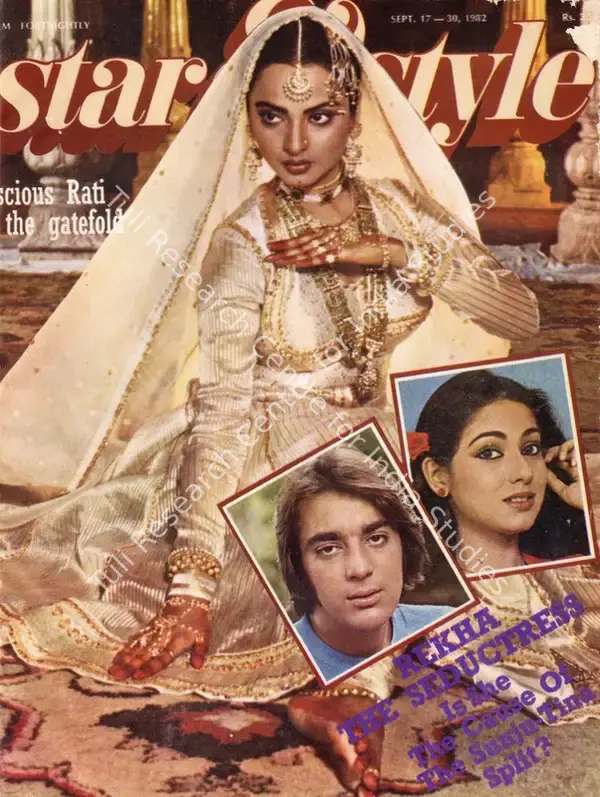
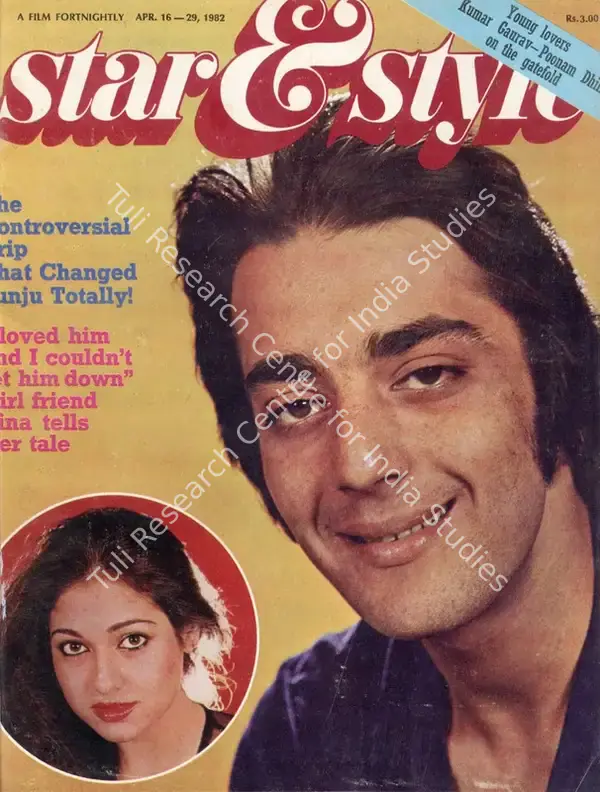
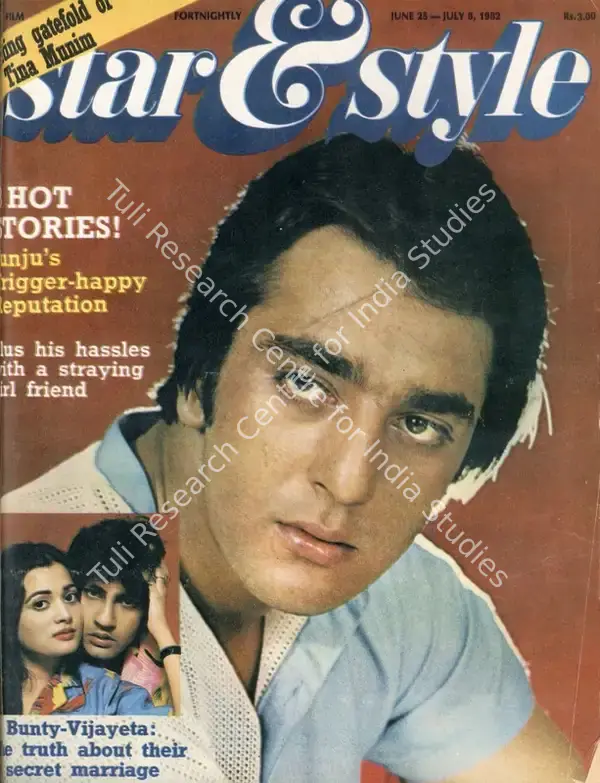
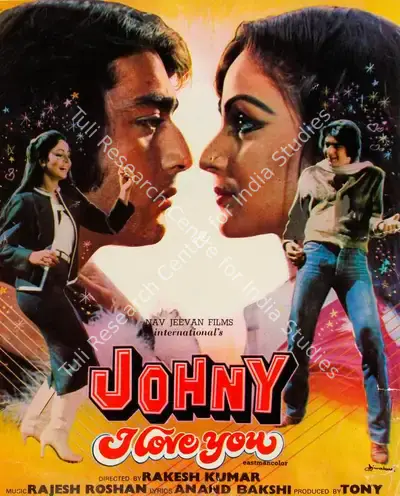
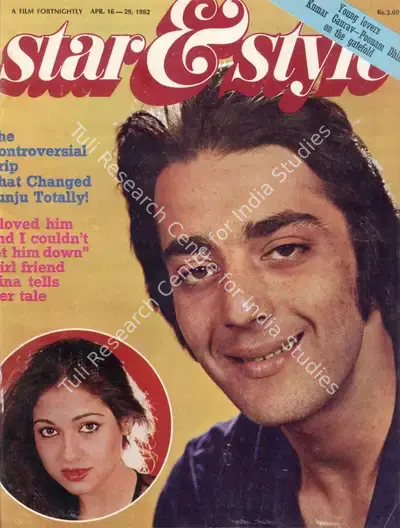
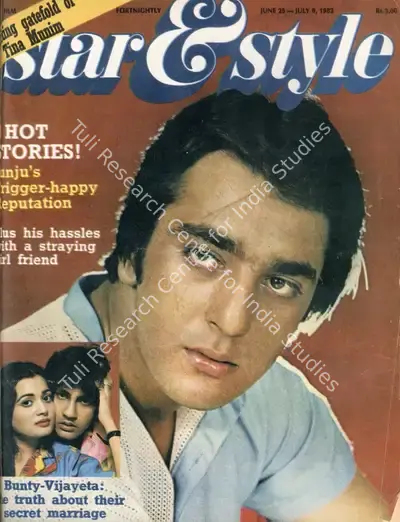
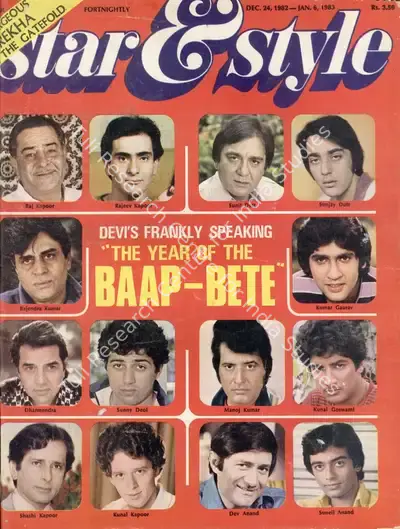
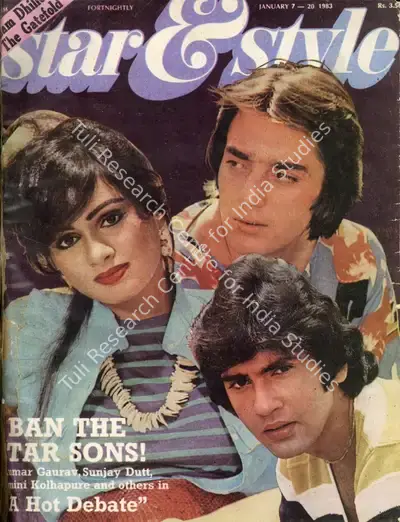
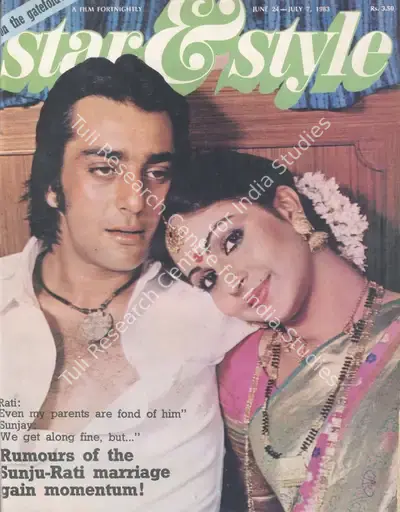
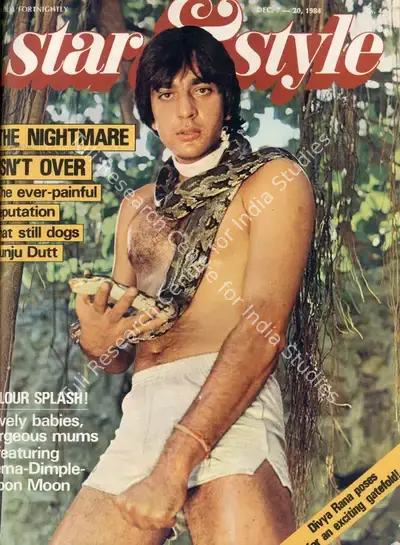
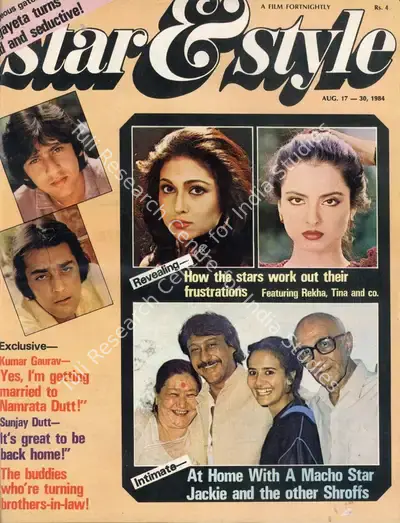
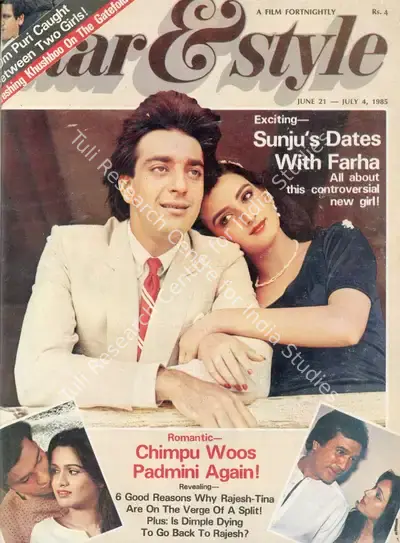
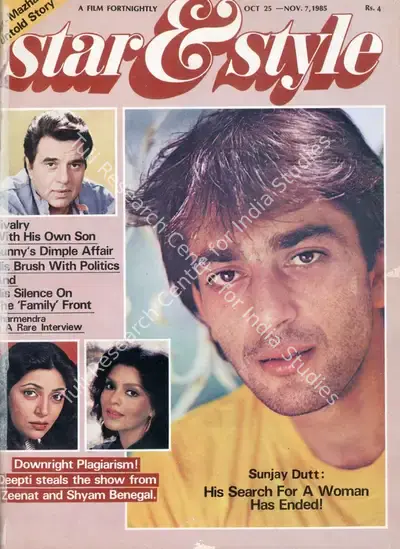
Sanjay Dutt (29 July 1959, Bombay now Mumbai) He is one of Hindi cinema's most popular and complex figures, with a career spanning over four decades and more than 135 film appearances. The son of celebrated actor-politicians Sunil Dutt and Nargis Dutt, he emerged from a distinguished yet culturally syncretic lineage shaped by both Hindu and Muslim traditions. Educated at The Lawrence School, Sanawar, and later at Elphinstone College, Mumbai, Dutt's early life reflected both privilege and the weight of cinematic legacy.
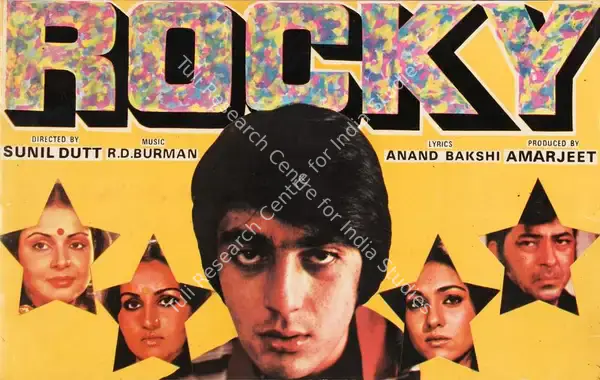
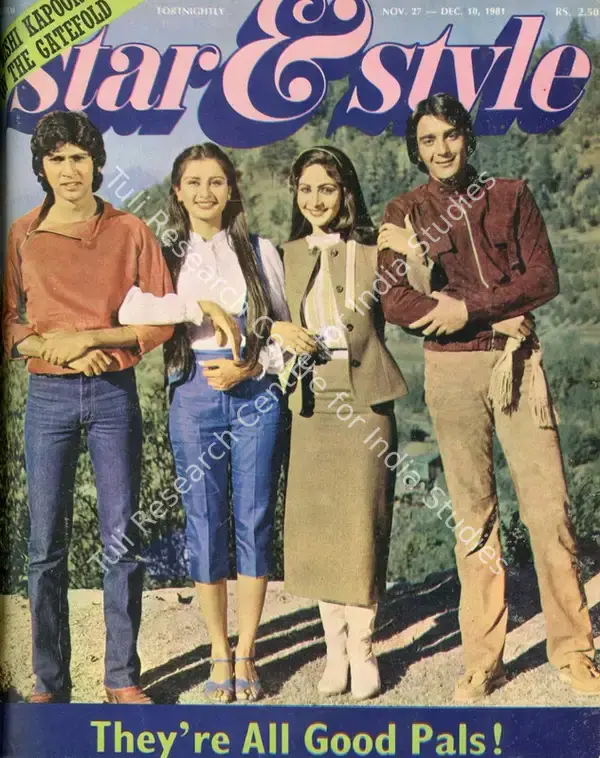
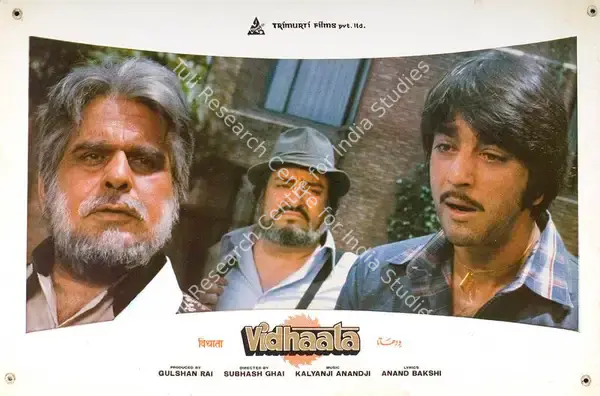
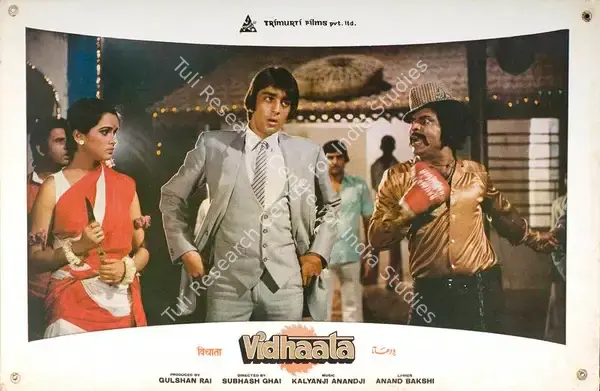
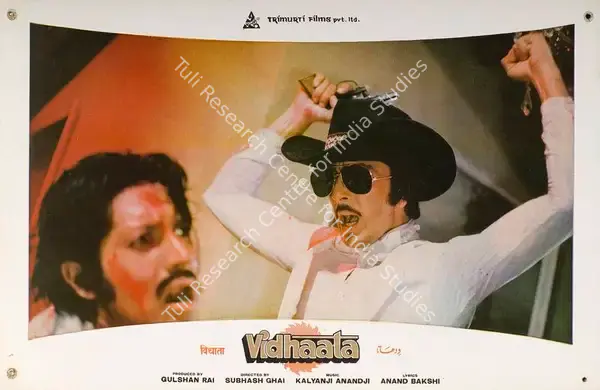
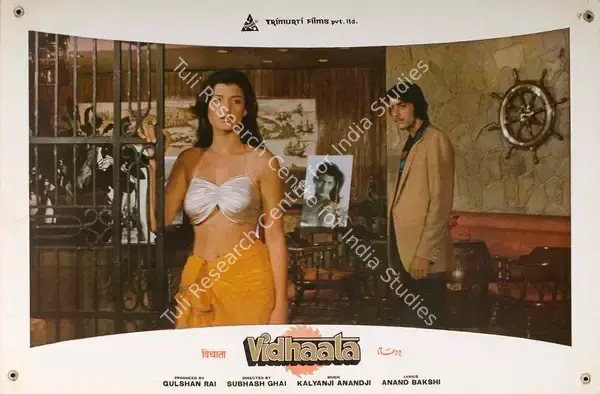
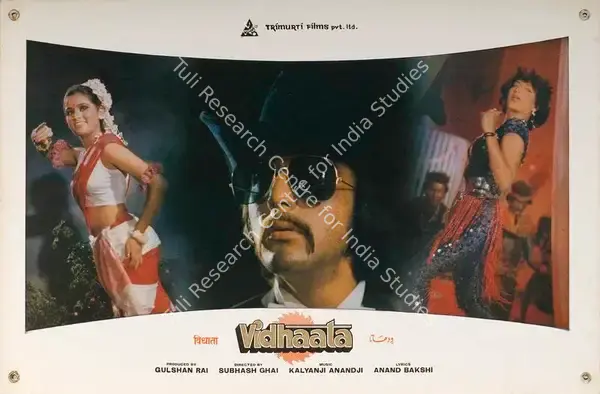
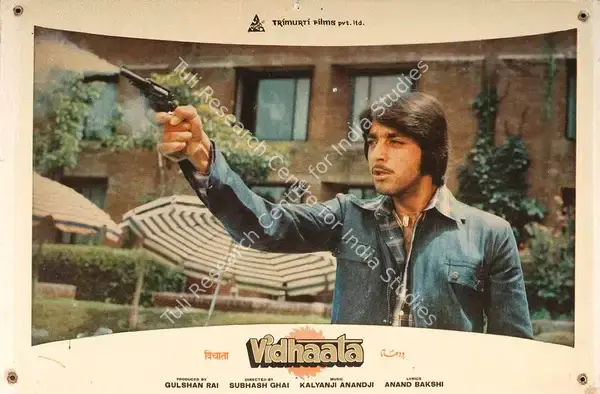
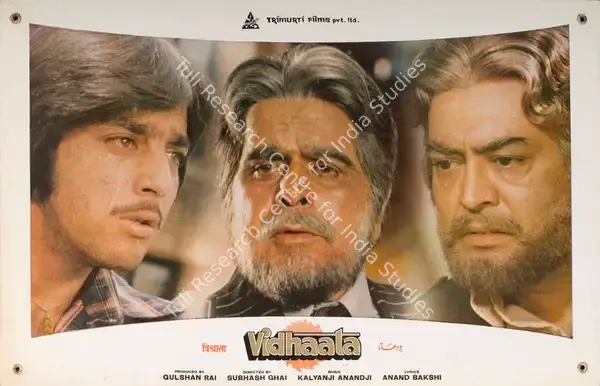
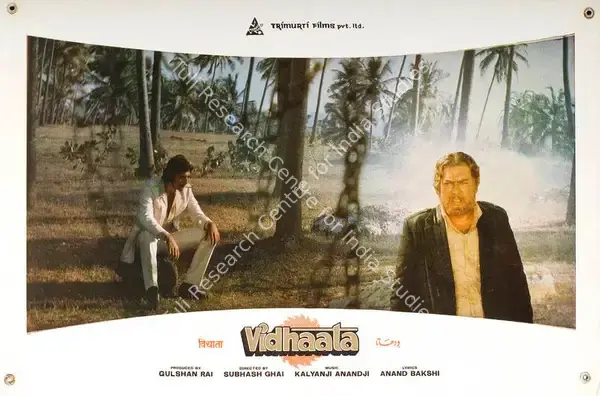
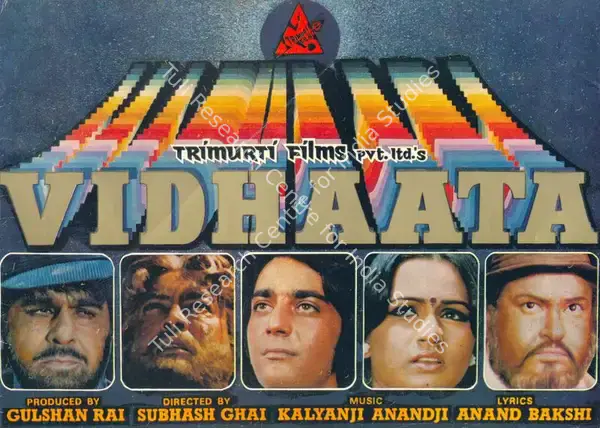
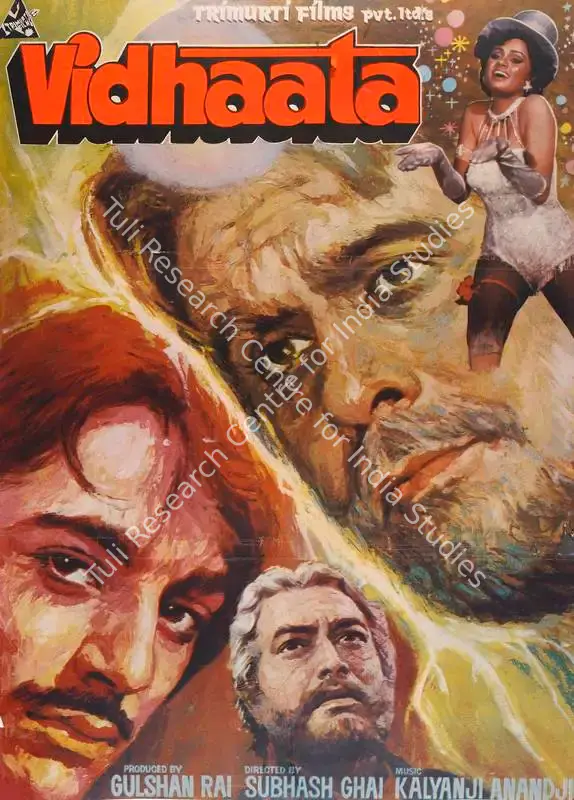
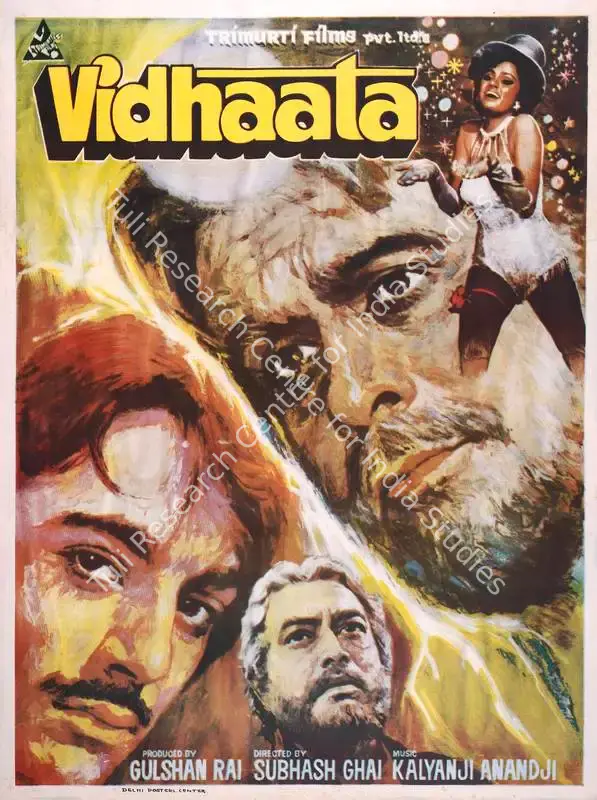
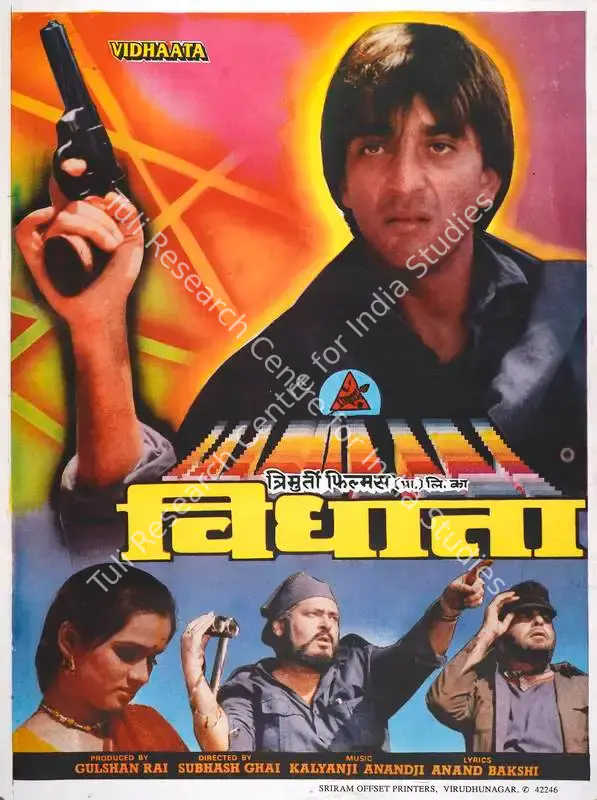
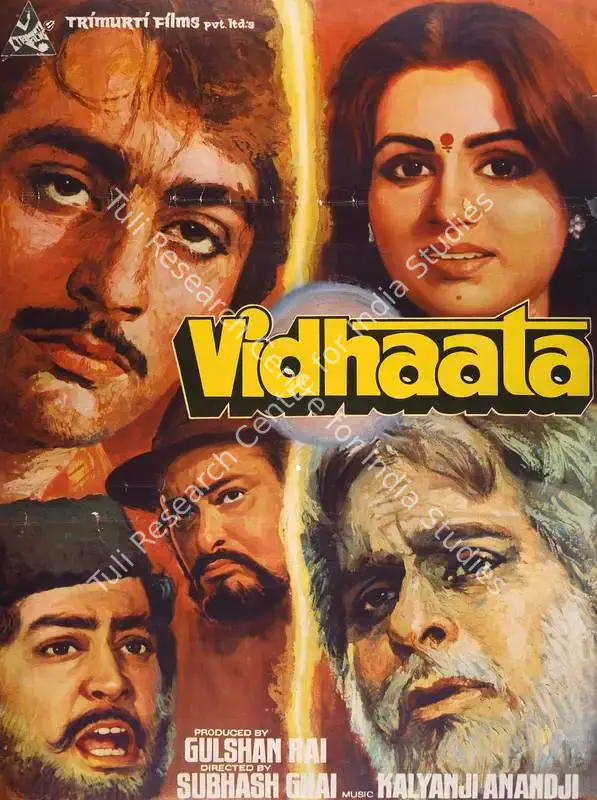
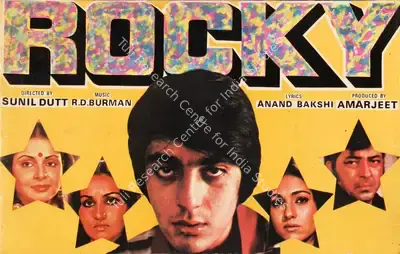
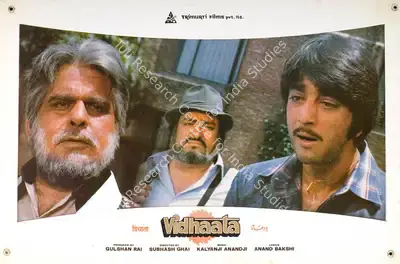
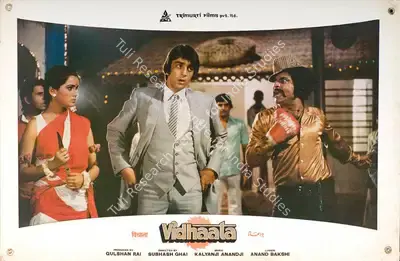
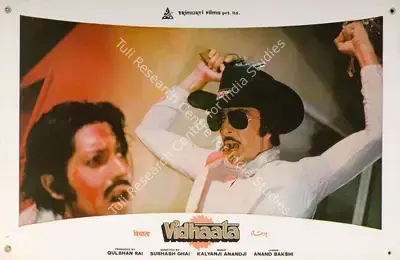
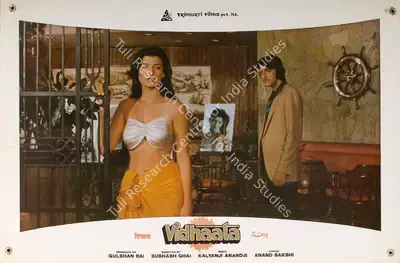
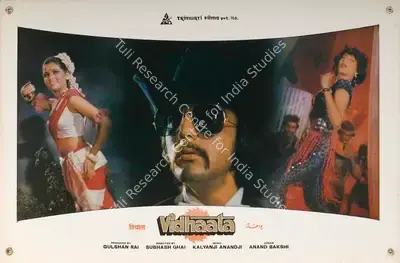
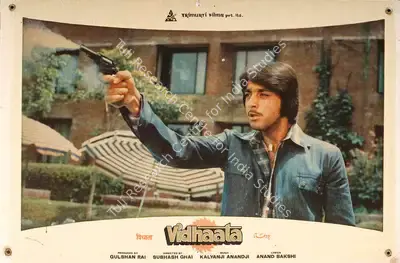
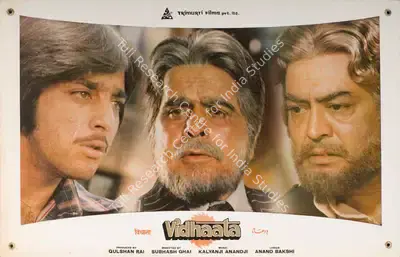
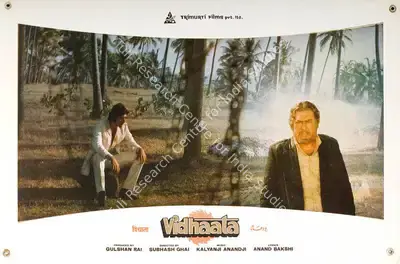
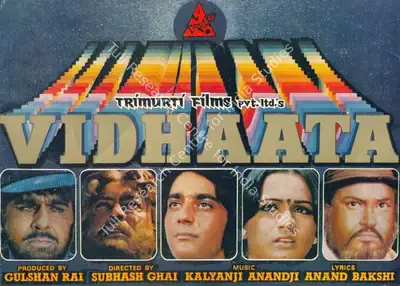
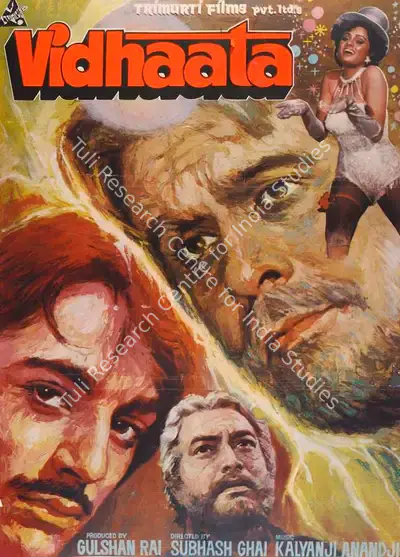
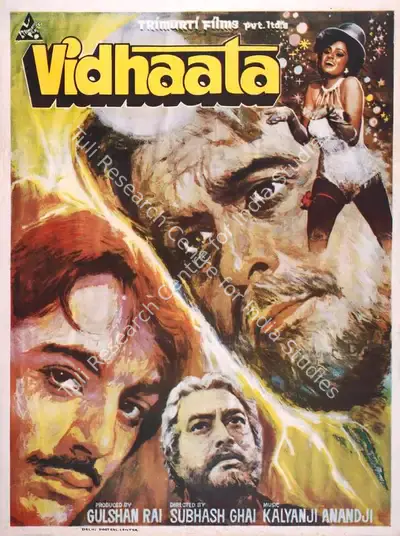
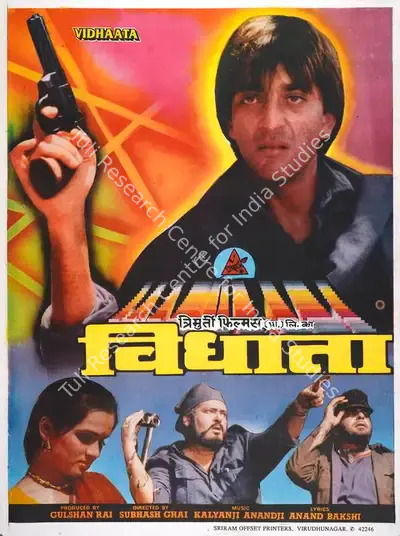
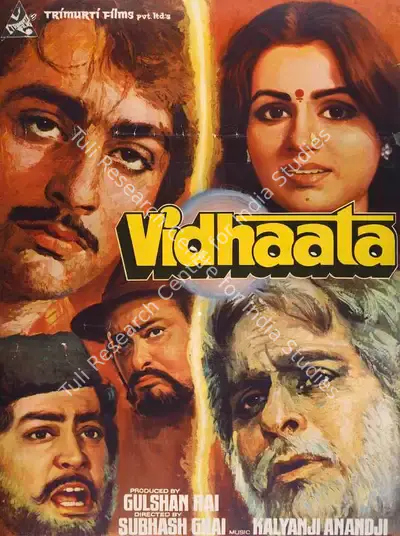
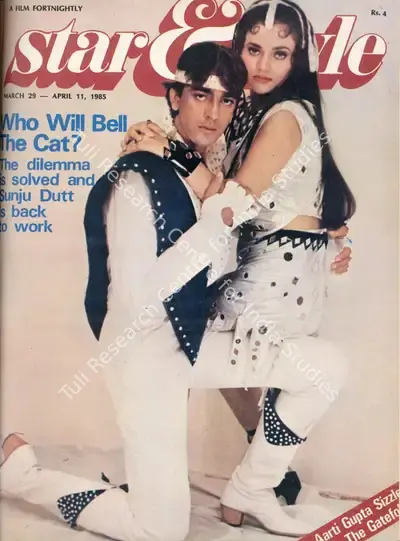
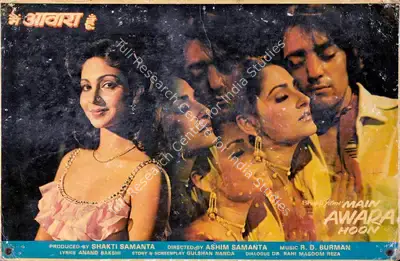
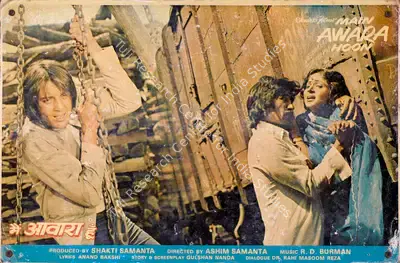
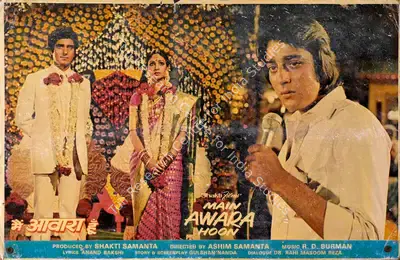
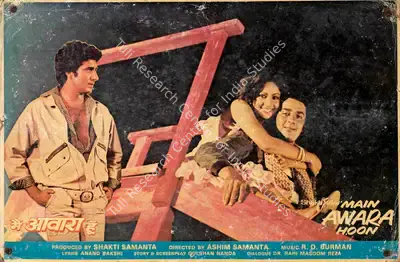
He made an initial screen appearance as a child in Reshma Aur Shera (1971), but his formal debut came with Rocky (1981), directed by his father. Early roles in Vidhaata (1982), Main Awara Hoon (1983), and Zameen Aasmaan (1984) established his screen presence, though it was Naam (1986) that marked a decisive turning point, earning both critical acclaim and commercial success. Throughout the late 1980s, he featured prominently in mainstream Hindi cinema with films such as Inaam Dus Hazaar (1987), Jeete Hain Shaan Se (1988), Ilaaka (1989), and Kanoon Apna Apna (1989), often appearing alongside leading stars of the era.
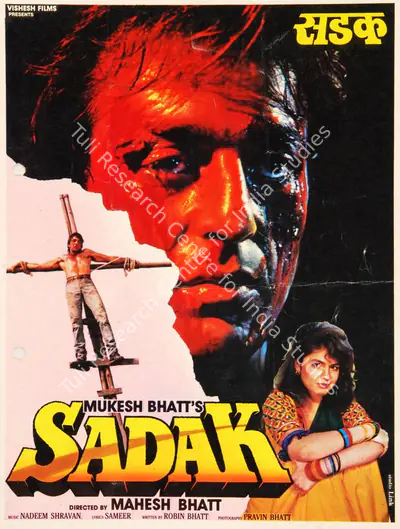
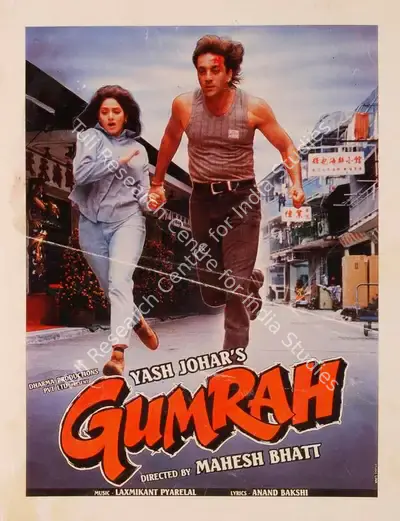
The early 1990s proved formative in consolidating Dutt's stardom. Films such as Sadak (1991), Saajan (1991), and Khalnayak (1993) not only achieved substantial box-office success but also defined his screen persona as the conflicted, emotionally turbulent anti-hero. Saajan (1991) ranked among the highest-grossing films of its year, while Khalnayak (1993) became one of the biggest commercial successes of the decade. Additional successes, including Gumrah (1993) and Aatish Feel the Fire (1994), reinforced his popularity despite intermittent career fluctuations.
Dutt's career, however, was deeply intersected by legal challenges arising from the 1993 Bombay bombings. Arrested under TADA and the Arms Act, he was ultimately convicted for illegal possession of firearms linked to individuals involved in the attacks, though acquitted of terrorism charges. Following a protracted judicial process culminating in a five-year sentence upheld by the Supreme Court of India, he completed his imprisonment in 2016, marking a significant personal and professional turning point.
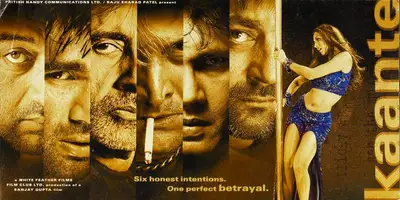
The late 1990s witnessed a major resurgence. The year 1999, in particular, is widely regarded as a comeback phase, with multiple successful releases including Kartoos (1999), Haseena Maan Jaayegi (1999), Daag The Fire (1999), and the critically acclaimed Vaastav The Reality (1999), for which he received the Filmfare Award for Best Actor. This momentum continued into the 2000s with Mission Kashmir (2000), Jodi No 1 (2001), and Kaante (2002). His portrayal of the affable gangster in Munna Bhai M.B.B.S. (2003) and its sequel Lage Raho Munna Bhai (2006) remains among the most culturally significant performances in contemporary Indian cinema, blending satire with social commentary.
Subsequent years saw Dutt balancing comedic, dramatic, and antagonist roles in films such as Shootout at Lokhandwala (2007), Dhamaal (2007), All the Best Fun Begins (2009), Agneepath (2012), and PK (2014). His performance as a menacing antagonist in Agneepath (2012) was particularly lauded for its intensity and physical transformation.
Following his release from incarceration, Dutt expanded into South Indian cinema, reinventing himself as a formidable pan-Indian antagonist. His portrayal of Adheera in KGF Chapter 2 (2022) was instrumental in the film's nationwide success, followed by notable appearances in Leo (2023) and Double iSmart (2024), with further projects such as KD The Devil and The Raja Saab forthcoming in 2026 .
Beyond cinema, Dutt's life has attracted sustained public and media attention, culminating in the biographical film Sanju (2018), starring Ranbir Kapoor. Despite personal struggles, including a battle with lung cancer from which he has since recovered, Dutt remains a resilient and influential figure. His career, marked by reinvention and endurance, continues to reflect both the volatility and vitality of Indian popular cinema.
He made an initial screen appearance as a child in Reshma Aur Shera (1971), but his formal debut came with Rocky (1981), directed by his father. Early roles in Vidhaata (1982), Main Awara Hoon (1983), and Zameen Aasmaan (1984) established his screen presence, though it was Naam (1986) that marked a decisive turning point, earning both critical acclaim and commercial success. Throughout the late 1980s, he featured prominently in mainstream Hindi cinema with films such as Inaam Dus Hazaar (1987), Jeete Hain Shaan Se (1988), Ilaaka (1989), and Kanoon Apna Apna (1989), often appearing alongside leading stars of the era.
The early 1990s proved formative in consolidating Dutt's stardom. Films such as Sadak (1991), Saajan (1991), and Khalnayak (1993) not only achieved substantial box-office success but also defined his screen persona as the conflicted, emotionally turbulent anti-hero. Saajan (1991) ranked among the highest-grossing films of its year, while Khalnayak (1993) became one of the biggest commercial successes of the decade. Additional successes, including Gumrah (1993) and Aatish Feel the Fire (1994), reinforced his popularity despite intermittent career fluctuations.
Dutt's career, however, was deeply intersected by legal challenges arising from the 1993 Bombay bombings. Arrested under TADA and the Arms Act, he was ultimately convicted for illegal possession of firearms linked to individuals involved in the attacks, though acquitted of terrorism charges. Following a protracted judicial process culminating in a five-year sentence upheld by the Supreme Court of India, he completed his imprisonment in 2016, marking a significant personal and professional turning point.
The late 1990s witnessed a major resurgence. The year 1999, in particular, is widely regarded as a comeback phase, with multiple successful releases including Kartoos (1999), Haseena Maan Jaayegi (1999), Daag The Fire (1999), and the critically acclaimed Vaastav The Reality (1999), for which he received the Filmfare Award for Best Actor. This momentum continued into the 2000s with Mission Kashmir (2000), Jodi No 1 (2001), and Kaante (2002). His portrayal of the affable gangster in Munna Bhai M.B.B.S. (2003) and its sequel Lage Raho Munna Bhai (2006) remains among the most culturally significant performances in contemporary Indian cinema, blending satire with social commentary.
Subsequent years saw Dutt balancing comedic, dramatic, and antagonist roles in films such as Shootout at Lokhandwala (2007), Dhamaal (2007), All the Best Fun Begins (2009), Agneepath (2012), and PK (2014). His performance as a menacing antagonist in Agneepath (2012) was particularly lauded for its intensity and physical transformation.
Following his release from incarceration, Dutt expanded into South Indian cinema, reinventing himself as a formidable pan-Indian antagonist. His portrayal of Adheera in KGF Chapter 2 (2022) was instrumental in the film's nationwide success, followed by notable appearances in Leo (2023) and Double iSmart (2024), with further projects such as KD The Devil and The Raja Saab forthcoming in 2026 .
Beyond cinema, Dutt's life has attracted sustained public and media attention, culminating in the biographical film Sanju (2018), starring Ranbir Kapoor. Despite personal struggles, including a battle with lung cancer from which he has since recovered, Dutt remains a resilient and influential figure. His career, marked by reinvention and endurance, continues to reflect both the volatility and vitality of Indian popular cinema.
The whole holding
Research Centre
20 of 507



20 of 65
20 of 442