Phani Majumdar
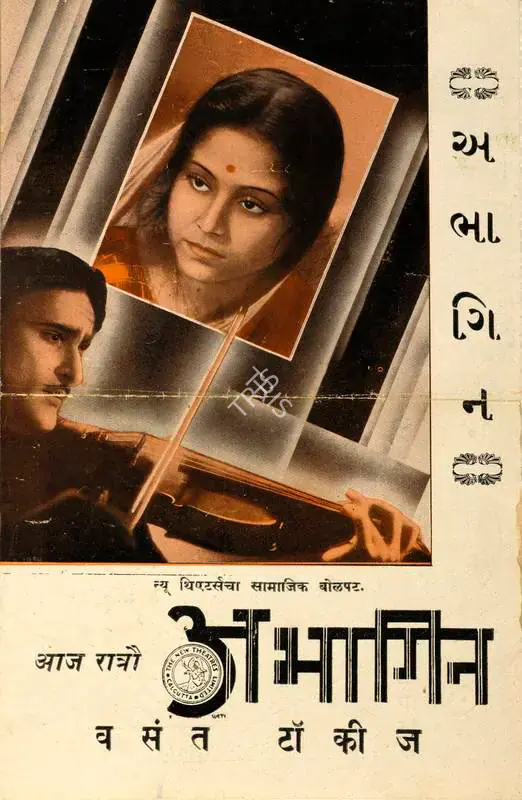
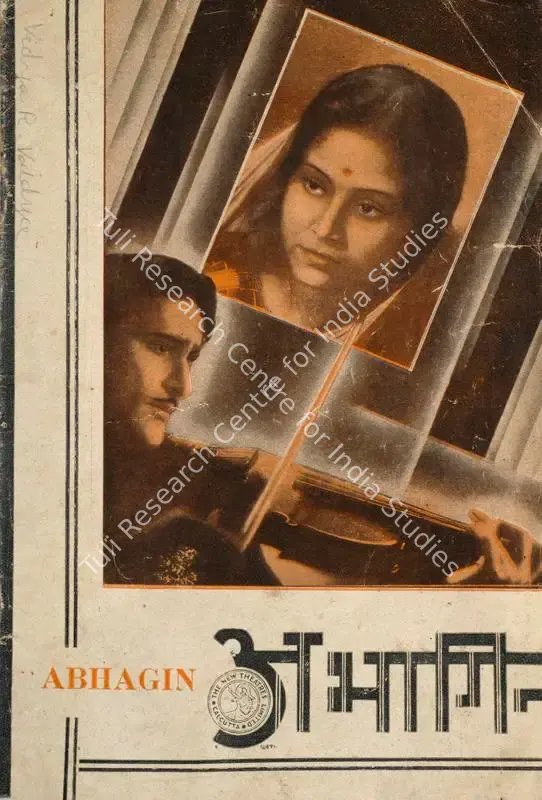
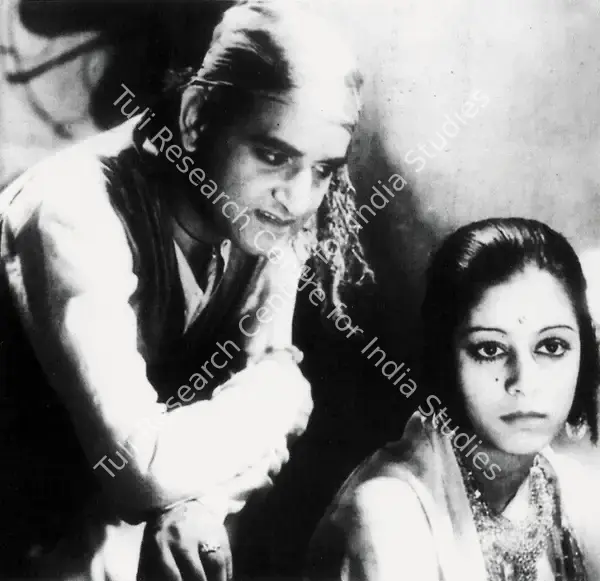
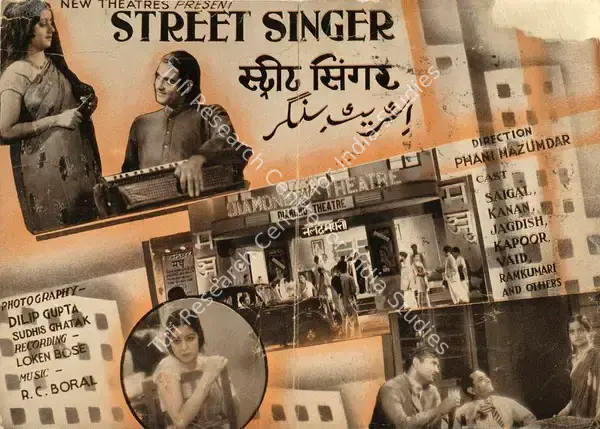
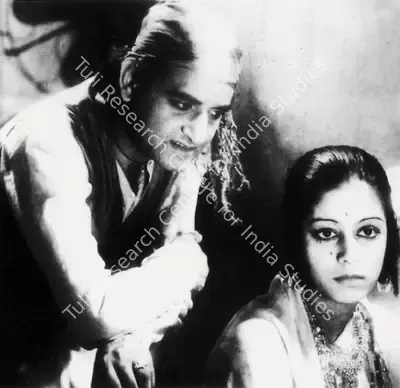
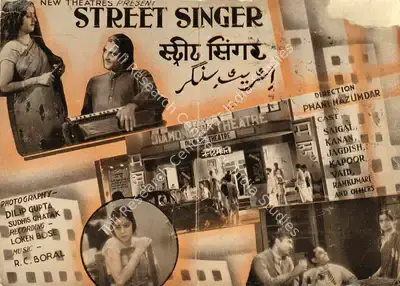
Phani Majumdar (28 December 1911 – 16 May 1994) He was one of the pioneering filmmakers of Indian cinema whose artistic contributions significantly shaped the evolution of Bengali and Hindi filmmaking during the formative decades of the twentieth century. Best remembered for directing Street Singer (1938), featuring K.L. Saigal and the immortal rendition of Babul Mora Naihar Chhooto Jaye, he also helmed acclaimed classics such as Aarti (1962), starring Meena Kumari, and Oonche Log (1965). His influence extended beyond India, notably through the celebrated Malay historical epic Hang Tuah (1955), produced in Singapore and nominated for the Golden Bear at the 7th Berlin International Film Festival.
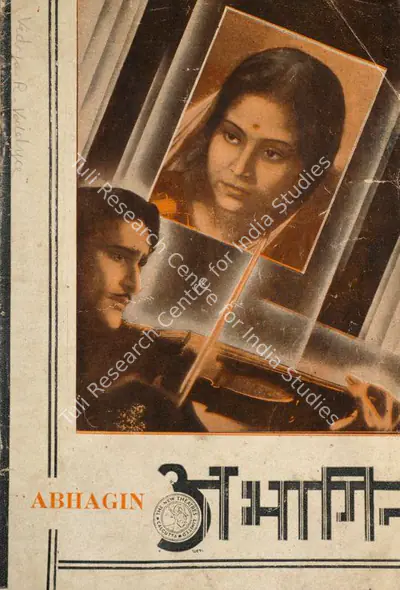
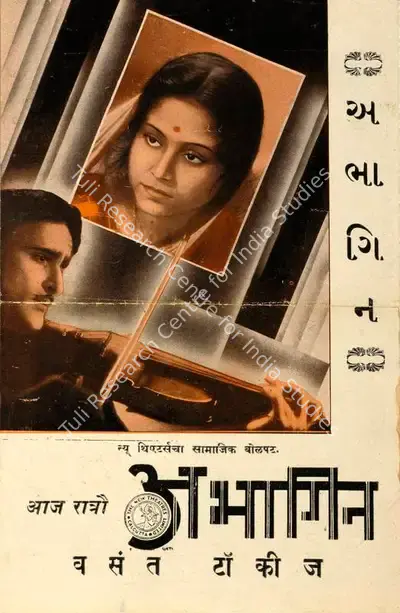
Born on 28 December 1911 in Faridpur, Bengal Presidency, British India (now in Bangladesh), Majumdar emerged from the intellectually vibrant milieu of Bengal's cultural renaissance. He began his cinematic career in the 1930s at the legendary New Theatres studio in Calcutta under the mentorship of P.C. Barua and the visionary studio founder B.N. Sircar, whose productions, including Devdas (1935), transformed Indian filmmaking through their literary refinement and technical innovation. This formative environment profoundly shaped Majumdar's aesthetic sensibilities, fostering a cinematic vision distinguished by emotional subtlety, literary sophistication, and humanistic realism.
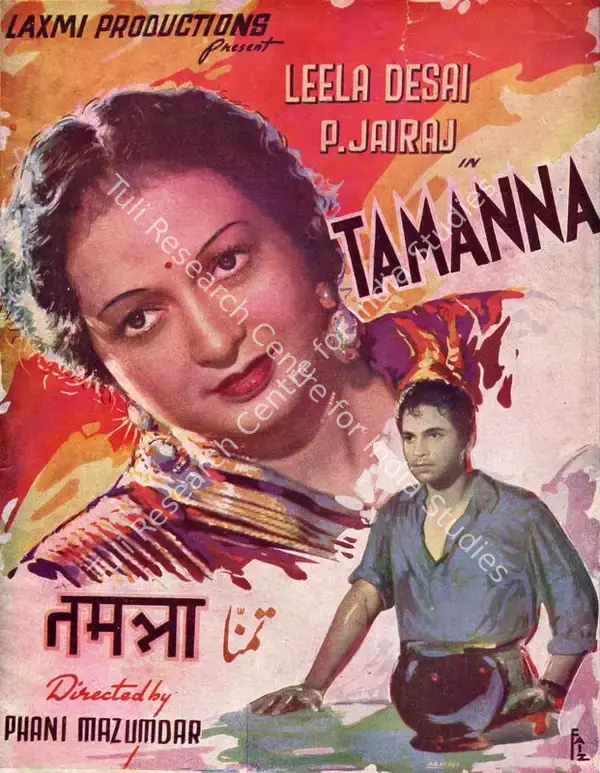
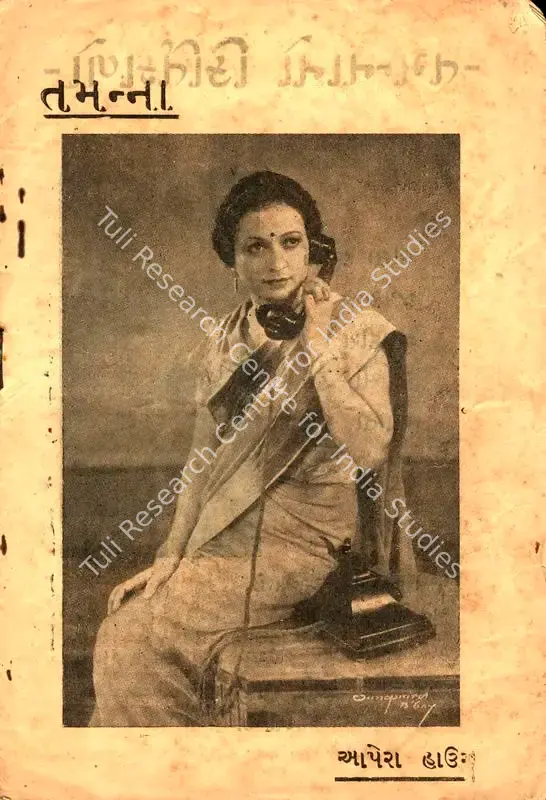
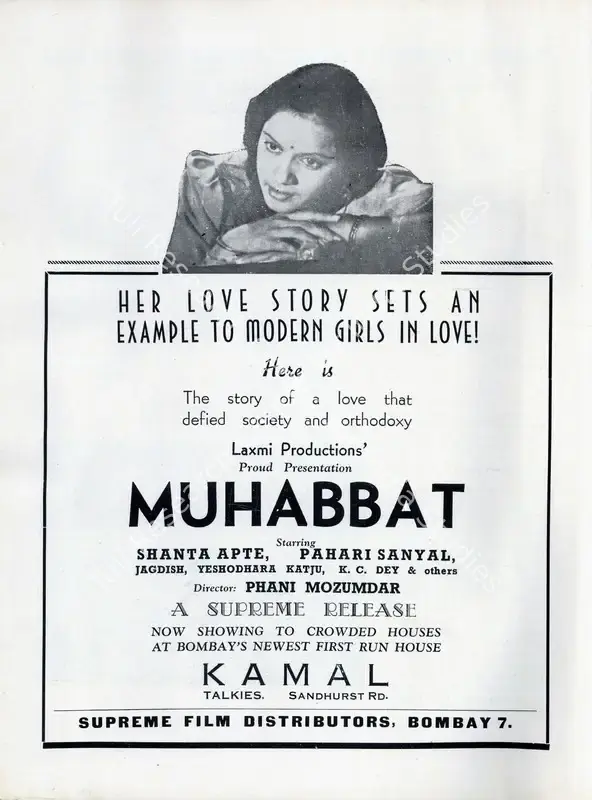
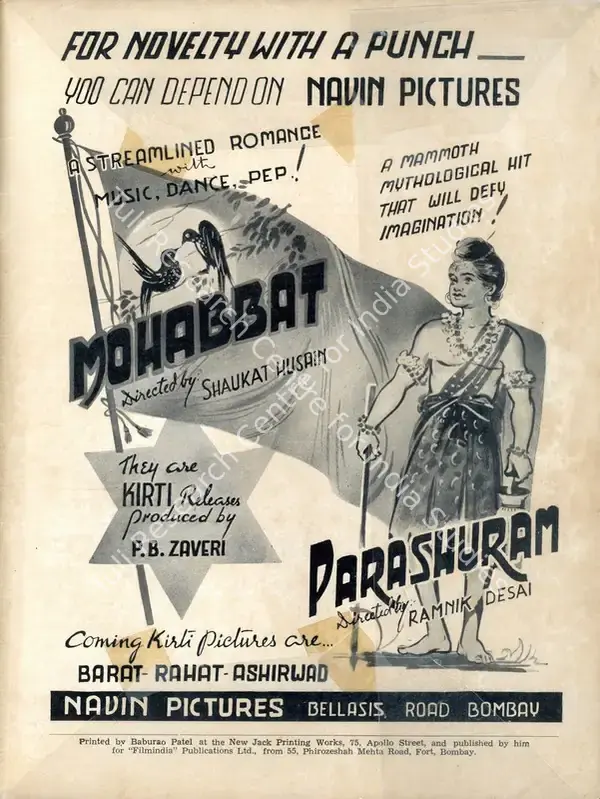
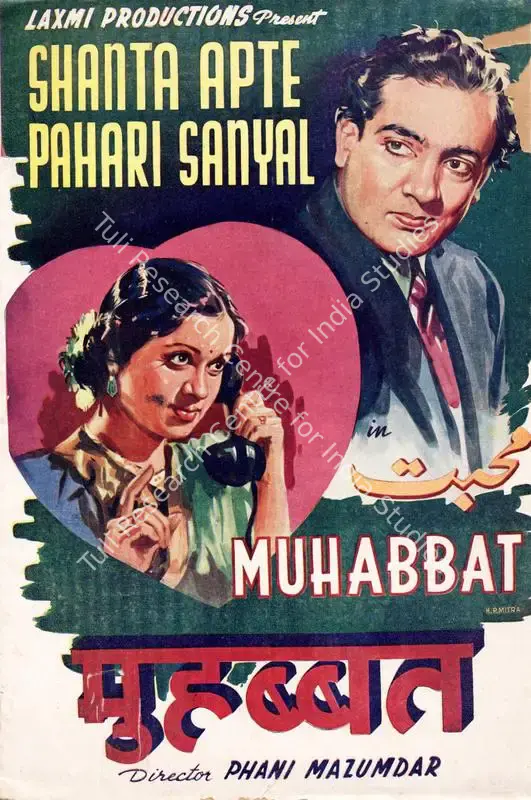
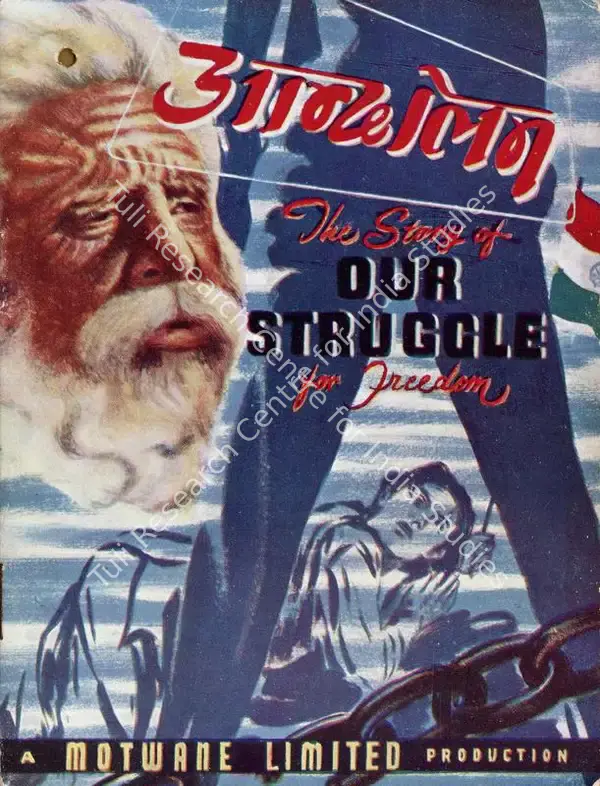
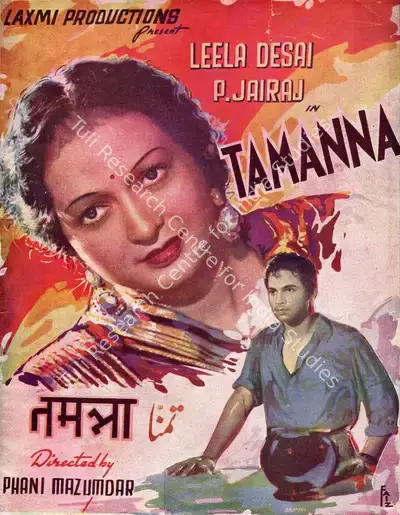
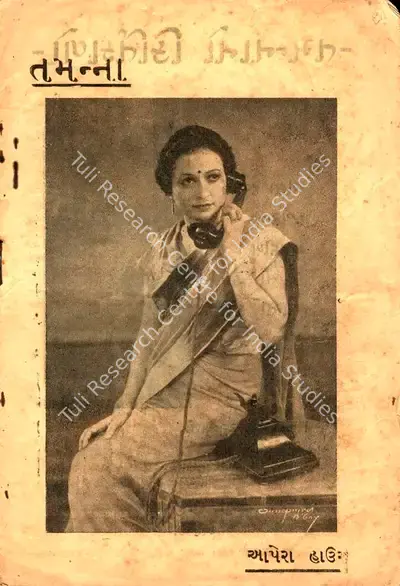
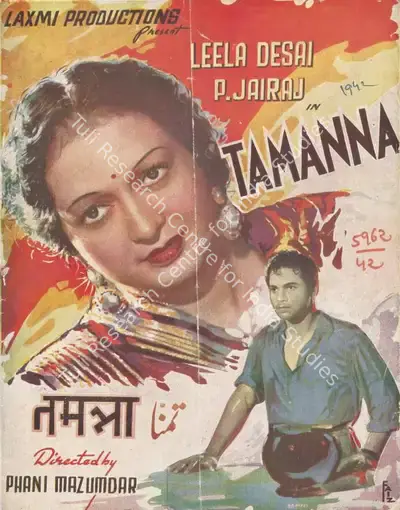
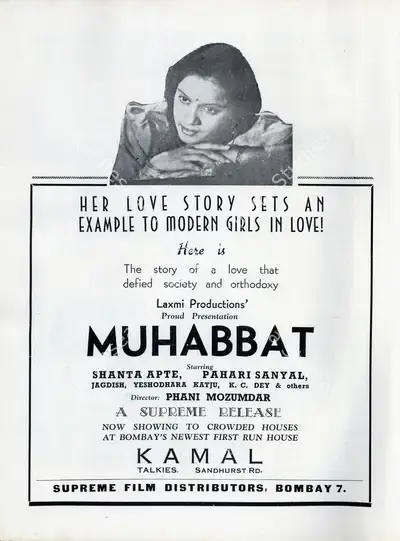
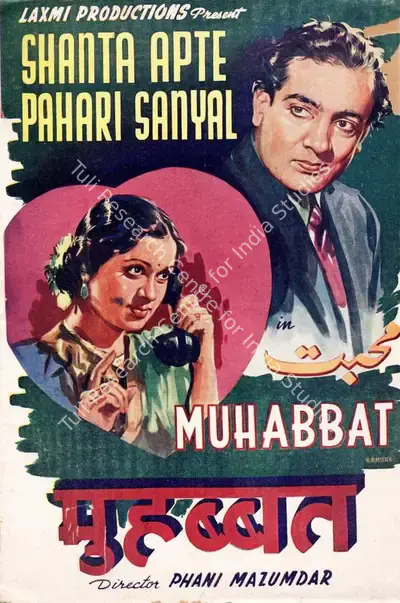
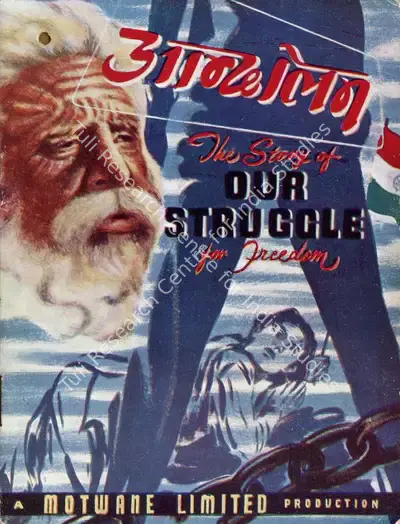
In 1941, Majumdar relocated to Bombay and joined Bombay Talkies, where he directed films such as Tamanna (1942), Mohabbat (1943), and Andolan (1951). His remarkable versatility enabled him to work across several Indian languages, including Bengali, Hindi, Punjabi, Magadhi (Bhaiya, 1961), and Maithili (Kanyadaan, 1965). His Oonche Log not only earned the National Film Award for Second Best Feature Film but also marked the first major commercial success of actor Feroz Khan. Equally significant was his role as mentor to future filmmaker Shakti Samanta, who assisted him on productions including Tamasha, Baadbaan, and Dhobi Doctor before establishing his own distinguished career.
Unlike many of his contemporaries, whose reputations were built upon spectacle or commercial success, Majumdar cultivated a restrained cinematic style rooted in psychological depth, moral complexity, and compassionate observation of ordinary lives. His films explored themes of social transformation, ethical conflict, and enduring human relationships, balancing artistic integrity with popular accessibility. Through nuanced performances, evocative music, and understated visual storytelling, he forged a cinematic language that resonated across regional and national boundaries.
Married to Monica Desai, sister of actress Leela Desai, Phani Majumdar remained an influential creative force until his later years. He passed away in Bombay on 16 May 1994. Today, his body of work stands as an enduring testament to the formative years of South Asian cinema, reflecting a rare synthesis of artistic excellence, cultural rootedness, and profound humanism that continues to merit renewed scholarly attention.
Born on 28 December 1911 in Faridpur, Bengal Presidency, British India (now in Bangladesh), Majumdar emerged from the intellectually vibrant milieu of Bengal's cultural renaissance. He began his cinematic career in the 1930s at the legendary New Theatres studio in Calcutta under the mentorship of P.C. Barua and the visionary studio founder B.N. Sircar, whose productions, including Devdas (1935), transformed Indian filmmaking through their literary refinement and technical innovation. This formative environment profoundly shaped Majumdar's aesthetic sensibilities, fostering a cinematic vision distinguished by emotional subtlety, literary sophistication, and humanistic realism.
In 1941, Majumdar relocated to Bombay and joined Bombay Talkies, where he directed films such as Tamanna (1942), Mohabbat (1943), and Andolan (1951). His remarkable versatility enabled him to work across several Indian languages, including Bengali, Hindi, Punjabi, Magadhi (Bhaiya, 1961), and Maithili (Kanyadaan, 1965). His Oonche Log not only earned the National Film Award for Second Best Feature Film but also marked the first major commercial success of actor Feroz Khan. Equally significant was his role as mentor to future filmmaker Shakti Samanta, who assisted him on productions including Tamasha, Baadbaan, and Dhobi Doctor before establishing his own distinguished career.
Unlike many of his contemporaries, whose reputations were built upon spectacle or commercial success, Majumdar cultivated a restrained cinematic style rooted in psychological depth, moral complexity, and compassionate observation of ordinary lives. His films explored themes of social transformation, ethical conflict, and enduring human relationships, balancing artistic integrity with popular accessibility. Through nuanced performances, evocative music, and understated visual storytelling, he forged a cinematic language that resonated across regional and national boundaries.
Married to Monica Desai, sister of actress Leela Desai, Phani Majumdar remained an influential creative force until his later years. He passed away in Bombay on 16 May 1994. Today, his body of work stands as an enduring testament to the formative years of South Asian cinema, reflecting a rare synthesis of artistic excellence, cultural rootedness, and profound humanism that continues to merit renewed scholarly attention.
The whole holding

Research Centre
20 of 112
20 of 109