TRIS logo image
Search275,000+ actors, artists, objects, artworks, films, exhibitions, archives

EN

EN

English

HI

Hindi

EN

EN

English

HI

Hindi

Tuli Research Centre for India Studies

Tuli Research Centre for India Studies

Vision

Manifesto

Archive & Library

Vanraja Sanctuary & Hospice

Home

Research Categories

Browse All

ICore

1_CinemaEducation_Cinema as a Critical Educational Resource

2_FineArts_Modern and Contemporary Indian Fine Arts

3_Photography_Photography in India

4_PopCulture_The Printed Image, Popular Arts, and Crafts

IIMaterial

5_ArcHeritage_India's Architectural Heritage as Inspiration

6_EconomicsArt_Economics of Art & Cultural Industry

7_Travel_Automobile, Transport and Travel Heritage

8_Uncertainty_Uncertainty

IIICritical

9_SocialDuty_Social Responsibility of the Creative Mind

10_Childhood_The Changing Smile of Childhood & Its Second Coming

11_Sensuality_The Sensual Discipline within Creativity

12_Scholarship_The History & Historiography of Scholarship in the Arts, Humanities, and Social Sciences

IVMeaningful

13_SeekJustice_Seeking Justice and Political Integrity

14_IndoWorld_India and her Relationship with the World

15_SpiritualPoetics_The Religious-Spiritual-Poetic-Philosophical Framework

16_Continuum_The Animal-Human-Nature Continuum

Explore

All

Posts

Masterlists

Calendar

Live | Upcoming

All Events

Timetable

Search275,000+ actors, artists, objects, artworks, films, exhibitions, archives

EN

EN

English

HI

Hindi

Home/Mehboob

Mehboob

Mehboob Khan (1907–1964) He was one of the most influential filmmakers in the history of Indian cinema, widely regarded for shaping the narrative and aesthetic foundations of early Hindi filmmaking. Over a career spanning more than three decades, he directed a series of landmark films that combined social themes with popular cinematic form, establishing himself as a pioneering auteur of pre- and post-independence Indian cinema. His work is especially noted for its engagement with issues of gender, class, morality, and nation-building.

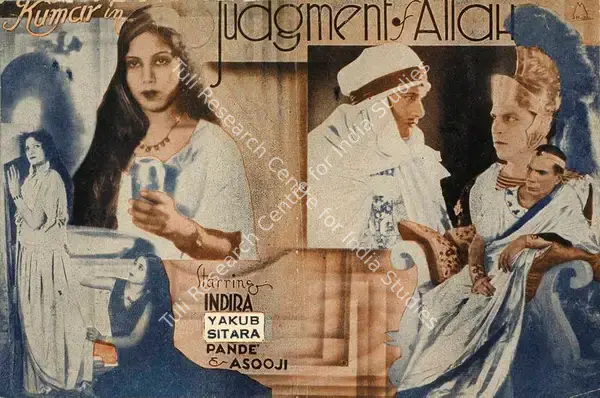
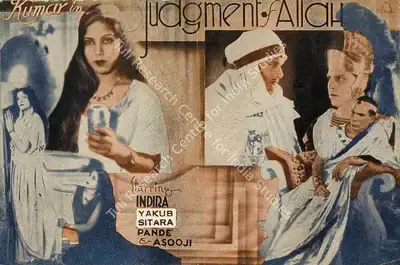
Khan's early directorial ventures included Al Hilal (1935) and Judgement of Allah (1935), both of which reflected his initial exploration of socially conscious storytelling within the constraints of early sound cinema. He gained further recognition with Aurat (1940), a significant film that examined rural hardship and female resilience, themes that would later reach their fullest expression in his celebrated masterpiece Mother India (1957). During the 1940s, he continued to refine his narrative style with Roti (1942), a film that critiqued materialism and class inequality, and Anmol Ghadi (1946), a major commercial success remembered for its music and emotional appeal. He followed this with Anokhi Ada (1948), which further demonstrated his command over romantic melodrama and character-driven storytelling.

The late 1940s and early 1950s marked the peak of Khan's creative and commercial success. Andaz (1949) became one of the defining urban social dramas of its time, notable for its sophisticated portrayal of interpersonal relationships and modernity. This was followed by Aan (1952), India's first Technicolor film and an international showcase for Indian cinema, which was honoured at the inaugural International Film Festival of India in 1952 and screened widely across global festivals. Khan continued his exploration of moral complexity with Amar (1954), a psychologically intense drama that addressed themes of guilt, consent, and social judgment.

His most iconic work, Mother India (1957), stands as a defining moment in Indian cinematic history. The film received an Academy Award nomination for Best Foreign Language Film in 1958, becoming the first Indian film to achieve this distinction, and it also won the Filmfare Award for Best Film. The film's portrayal of sacrifice, agrarian struggle, and maternal endurance has since become emblematic of national identity in Indian popular culture.

Khan's body of work also includes several films that are frequently cited among the classics of Hindi cinema, including Roti (1942), Anmol Ghadi (1946), Andaz (1949), and Aurat (1940), all of which contributed significantly to the development of narrative realism and melodramatic form in Indian film.

In recognition of his lasting contribution to Indian cinema, Mehboob Khan was posthumously honoured with the Filmfare Lifetime Achievement Award in 1999. His films continue to be studied for their formal innovation and their role in shaping the ideological and aesthetic contours of mainstream Hindi cinema.

Mehboob Khan was married twice. With his first wife, Fatima, he had three sons: Ayub, Iqbal, and Shaukat. Following their separation, he married the actress Sardar Akhtar (1915–1986) in 1942. The couple adopted Sajid Khan (born 28 December 1951), who later acted in several Indian films as well as international English-language productions.

He died of a heart attack on 28 May 1964.] As a part of his birth centenary celebrations, the Indian postal department released a commemorative stamp of Mehboob Khan at a function held at the Mehboob Studios in September 2007.

महबूब ख़ान (1907–1964) भारतीय सिनेमा के इतिहास के जाने-माने फ़िल्म निर्माताओं में से एक थे। उन्हें शुरुआती हिंदी फ़िल्म निर्माण की कहानी कहने के तरीके और कलात्मक आधार को आकार देने के लिए जाना जाता है। तीन दशक लंबे करियर में उन्होंने कई यादगार फ़िल्में बनाईं जिनमें सामाजिक मुद्दों को लोकप्रिय सिनेमाई शैली के साथ जोड़ा। इस तरह उन्होंने आज़ादी से पहले और बाद के भारतीय सिनेमा में एक प्रमुख फ़िल्म निर्माता के तौर पर अपनी पहचान बनाई। उनके काम को ख़ास तौर पर जेंडर, क्लास, नैतिकता और राष्ट्र-निर्माण जैसे मुद्दों को उठाने के लिए जाना जाता है।
ख़ान की शुरुआती फ़िल्मों में 'अल हिलाल' (1935) और 'जजमेंट ऑफ़ अल्लाह' (1935) शामिल थीं। इन दोनों फ़िल्मों में शुरुआती दौर के साउंड सिनेमा की सीमाओं के भीतर सामाजिक रूप से जागरूक कहानी कहने की उनकी शुरुआती कोशिशें दिखाई दीं। उन्हें 'औरत' (1940) से और ज़्यादा पहचान मिली। यह एक अहम फ़िल्म थी जिसमें ग्रामीण इलाकों की मुश्किलों और महिलाओं के हौसले को दिखाया गया था। ये ऐसे विषय थे जिन्हें बाद में उनकी मशहूर फ़िल्म 'मदर इंडिया' (1957) में पूरी तरह से दिखाया गया। 1940 के दशक में, उन्होंने अपनी कहानी कहने की शैली को और बेहतर बनाया। इसमें 'रोटी' (1942) फ़िल्म थी, जो भौतिकवाद और वर्ग-असमानता की आलोचना करती थी, और 'अनमोल घड़ी' (1946) जो व्यावसायिक रूप से बहुत सफल रही और अपने संगीत और भावनात्मक अपील के लिए याद की जाती है। इसके बाद उन्होंने 'अनोखी अदा' (1948) बनाई, जिसने रोमांटिक मेलोड्रामा और किरदारों पर आधारित कहानी कहने की कला पर उनकी पकड़ को और साबित किया।
1940 के दशक के आख़िर और 1950 के दशक की शुरुआत का समय ख़ान की क्रिएटिव और कमर्शियल सफलता का चरम दौर था। 'अंदाज़' (1949) अपने समय की एक अहम शहरी सोशल ड्रामा फ़िल्म बनी, जो आपसी रिश्तों और आधुनिकता को बेहतरीन ढंग से दिखाने के लिए जानी जाती है। इसके बाद 'आन' (1952) आई, जो भारत की पहली टेक्नीकलर फ़िल्म थी और भारतीय सिनेमा को अंतरराष्ट्रीय स्तर पर पहचान दिलाने वाली फ़िल्म साबित हुई। इसे 1952 में पहले 'इंटरनेशनल फ़िल्म फ़ेस्टिवल ऑफ़ इंडिया' में सम्मानित किया गया और दुनिया भर के फ़िल्म फ़ेस्टिवल में दिखाया गया। ख़ान ने 'अमर' (1954) के साथ नैतिक उलझनों को समझने का अपना सफ़र जारी रखा। यह एक मनोवैज्ञानिक रूप से गहरी फ़िल्म थी जिसमें अपराध-बोध, सहमति और समाज की सोच जैसे विषयों को उठाया गया था।
उनकी सबसे यादगार फ़िल्म, 'मदर इंडिया' (1957), भारतीय सिनेमा के इतिहास में एक मील का पत्थर साबित हुई। इस फ़िल्म को 1958 में 'बेस्ट फ़ॉरेन लैंग्वेज़ फ़िल्म' के लिए एकेडमी अवॉर्ड (ऑस्कर) का नॉमिनेशन मिला। ऐसा करने वाली यह पहली भारतीय फ़िल्म थी और इसने 'बेस्ट फ़िल्म' का फ़िल्मफ़ेयर अवॉर्ड भी जीता। फ़िल्म में दिखाए गए त्याग, खेती-किसानी से जुड़े संघर्ष और माँ के धैर्य को भारतीय पॉपुलर कल्चर में राष्ट्रीय पहचान का प्रतीक माना जाता है।
ख़ान के काम में ऐसी कई फ़िल्में शामिल हैं जिन्हें अक्सर हिंदी सिनेमा की क्लासिक फ़िल्मों में गिना जाता है, जैसे 'रोटी' (1942), 'अनमोल घड़ी' (1946), 'अंदाज़' (1949) और 'औरत' (1940)। इन सभी फ़िल्मों ने भारतीय सिनेमा में कहानी कहने के यथार्थवादी अंदाज़ और मेलोड्रामैटिक शैली के विकास में अहम भूमिका निभाई।
भारतीय सिनेमा में उनके योगदान को देखते हुए, महबूब ख़ान को 1999 में मरणोपरांत फ़िल्मफ़ेयर लाइफ़टाइम अचीवमेंट पुरस्कार से सम्मानित किया गया। उनकी फ़िल्मों का अध्ययन आज भी उनकी औपचारिक नवीनता और मुख्यधारा के हिंदी सिनेमा के वैचारिक और सौंदर्यपरक स्वरूप को आकार देने में उनकी भूमिका के लिए किया जाता है।
महबूब ख़ान ने दो विवाह किया था। अपनी पहली पत्नी फ़ातिमा से उनके तीन बेटे थे अयूब, इक़बाल और शौक़त। उनके अलग होने के बाद, उन्होंने 1942 में अभिनेत्री सरदार अख़्तर (1915-1986) से विवाह किया। इस दंपति ने साजिद ख़ान (जन्म 28 दिसंबर 1951) को गोद लिया, जिन्होंने बाद में कई भारतीय फ़िल्मों के साथ-साथ अंतरराष्ट्रीय अंग्रेजी भाषा की फ़िल्मों में भी अभिनय किया।
उनका निधन 28 मई 1964 को हृदयाघात से हुआ। उनकी जन्म शताब्दी समारोह के एक भाग के रूप में, भारतीय डाक विभाग ने सितंबर 2007 में महबूब स्टूडियो में आयोजित एक समारोह में महबूब ख़ान की स्मृति में एक डाक टिकट जारी किया, जिसमें 'मदर इंडिया' के दृश्य को दर्शाने के लिए राज कुमार और नरगिस को दर्शाया गया है
The whole holding
Scroll→

Research Centre

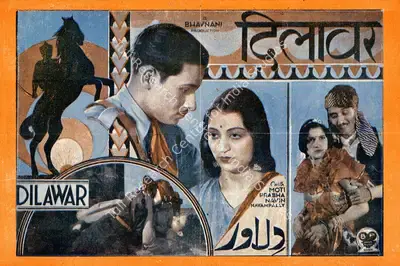
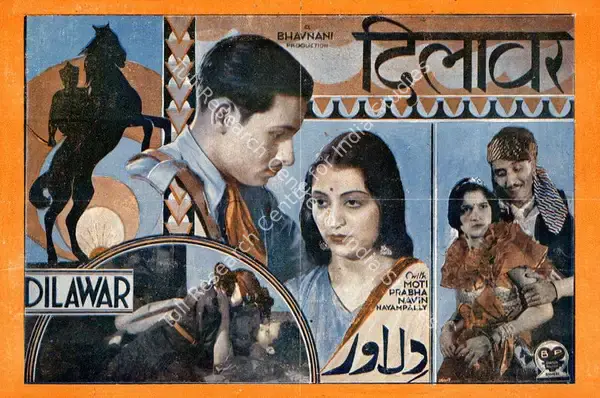
R.G. Torney (Director), Dilawar, 1931, Song-Synopsis Booklet
Torney, R.G. (Director), Dilawar, 1931 | Song-Synopsis Booklet
View full record
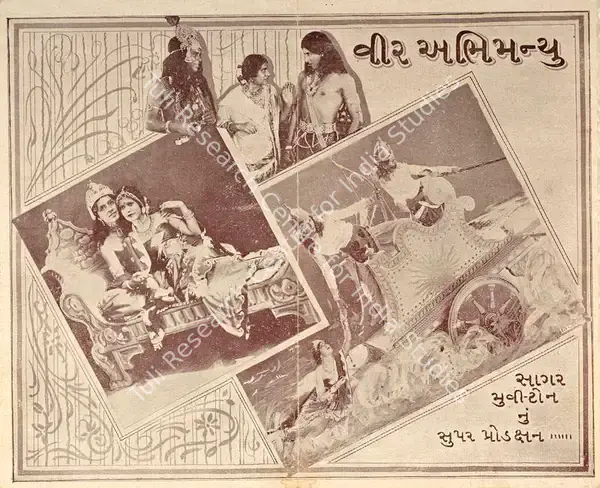
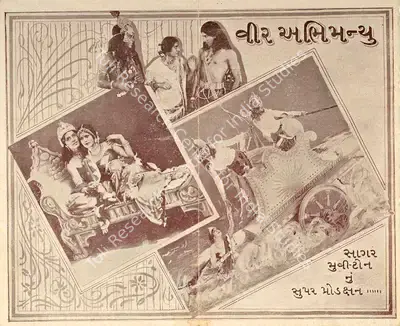
Ardeshir Irani (Producer), Veer Abhimanyu, 1931, Handbill
Irani, Ardeshir (Producer), Veer Abhimanyu, 1931 | Handbill
View full record
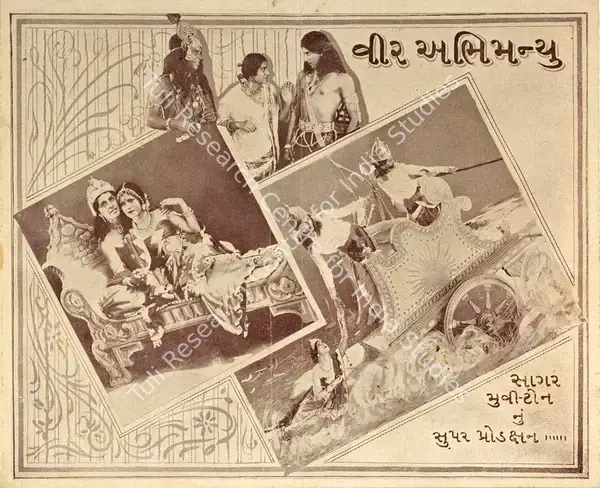
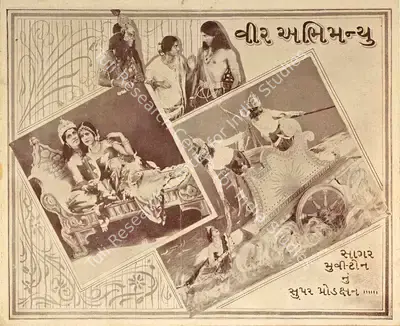
Ardeshir Irani (Producer), Veer Abhimanyu, 1931, Handbill
Irani, Ardeshir (Producer), Veer Abhimanyu, 1931 | Handbill
View full record
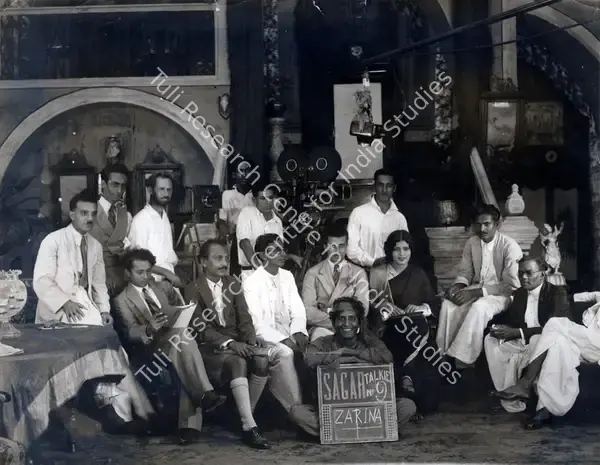
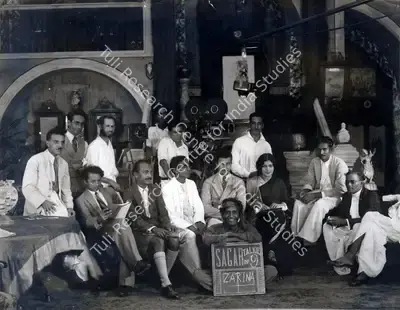
Ezra Mir (Director), Zarina, 1932, Photographic Still
Mir, Ezra (Director), Zarina, 1932 | Photographic Still
View full record
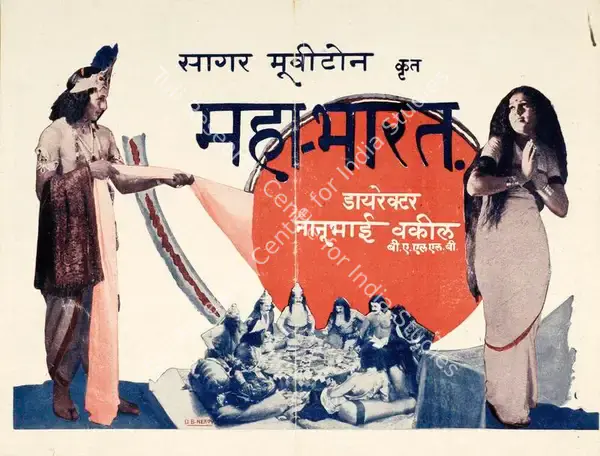
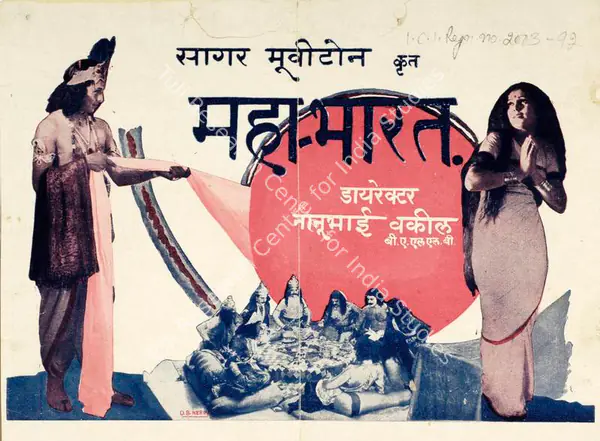
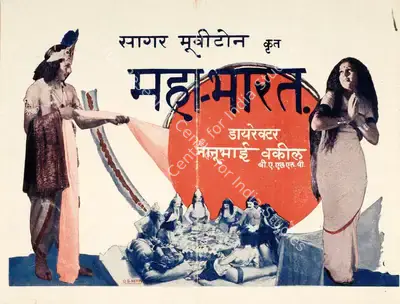
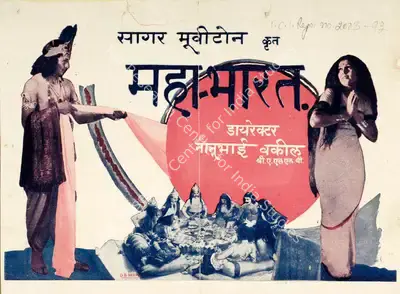
Nanubhai B. Vakil (Director), Mahabharat, 1933, Handbill
Vakil, Nanubhai B. (Director), Mahabharat, 1933 | Handbill
View full record
Nanubhai B. Vakil (Director), Mahabharat, 1933, Handbill
Vakil, Nanubhai B. (Director), Mahabharat, 1933 | Handbill
View full record
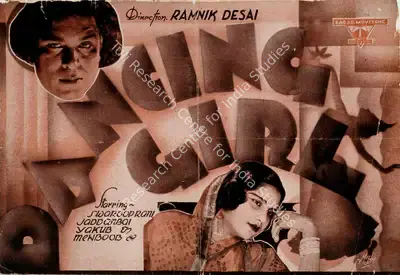
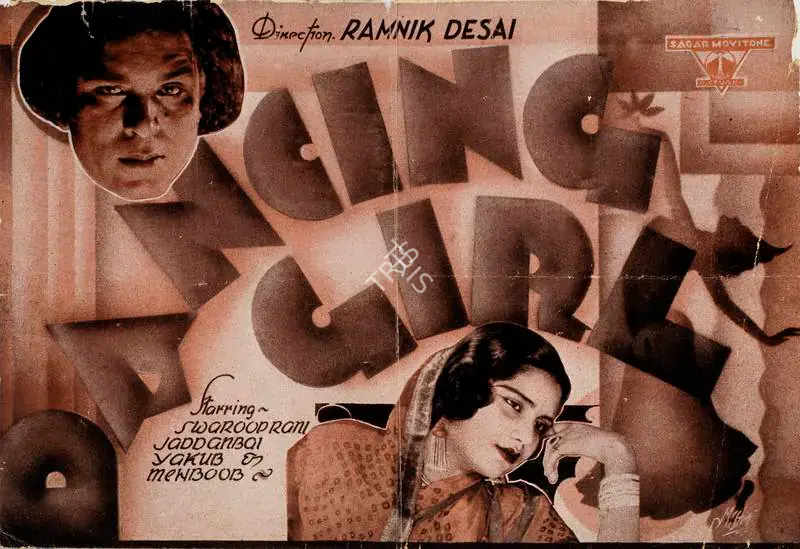
Ramnik Desai (Director), Naachwali, 1934, Handbill
Desai, Ramnik (Director), Naachwali, 1934 | Handbill
View full record
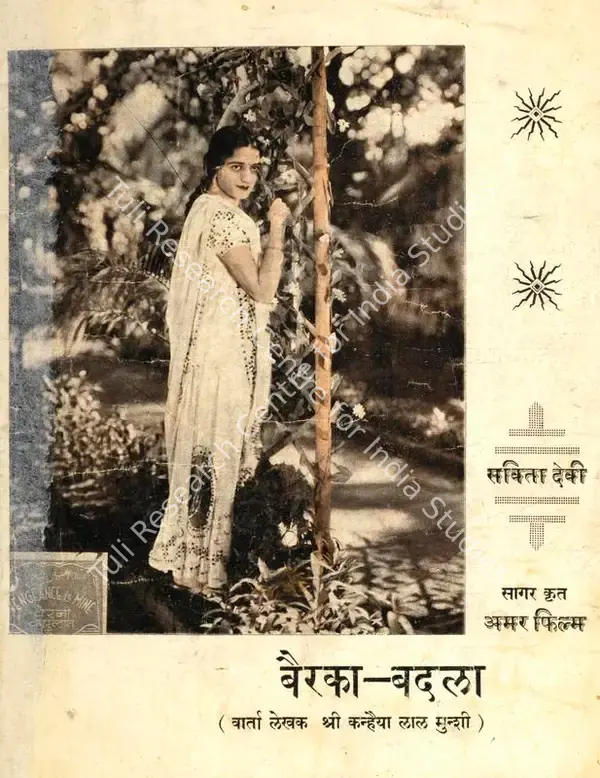
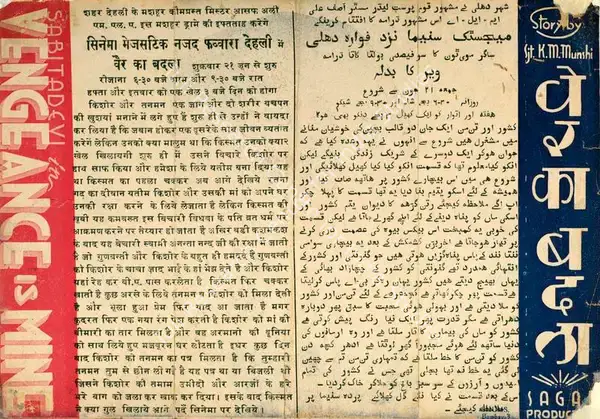
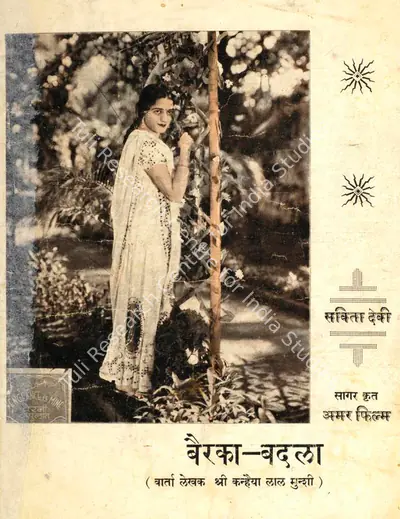
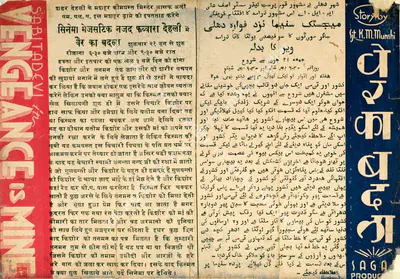
Sarvottam Badami (Director), Bair Ka Badla, 1935, Song-Synopsis Booklet
Badami, Sarvottam (Director), Bair Ka Badla, 1935 | Song-Synopsis Booklet
View full record
Mehboob (Director), Al Hilal, 1935, Handbill
Mehboob (Director), Al Hilal, 1935 | Handbill
View full record
Sarvottam Badami (Director), Bair Ka Badla, 1935, Handbill
Badami, Sarvottam (Director), Bair Ka Badla, 1935 | Handbill
View full record
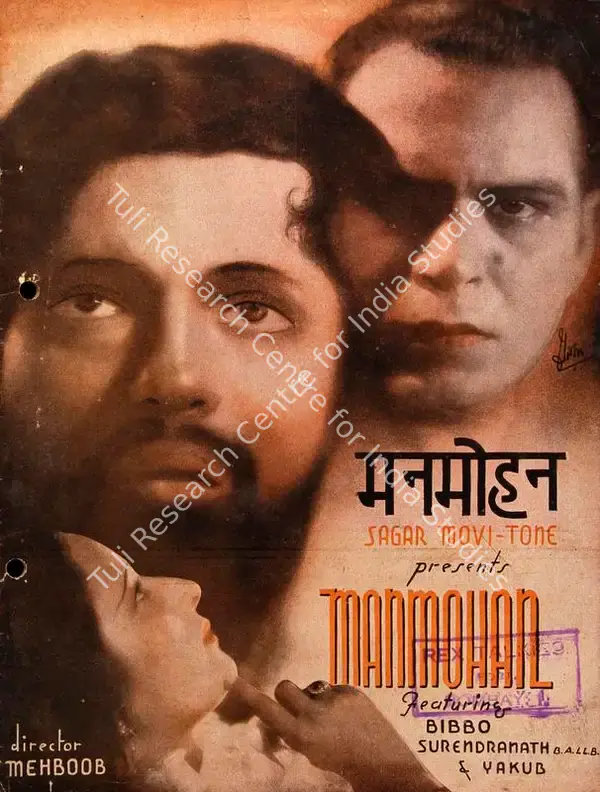
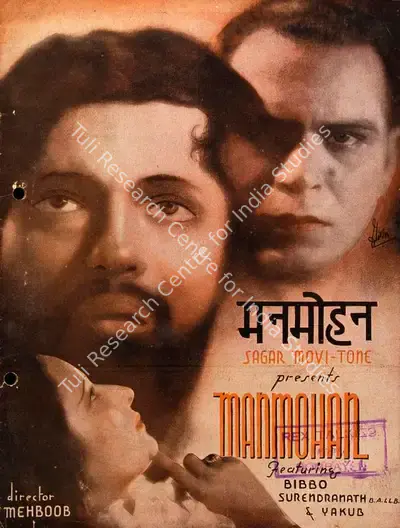
Mehboob (Director), Manmohan, 1936, Song-Synopsis Booklet
Mehboob (Director), Manmohan, 1936 | Song-Synopsis Booklet
View full record
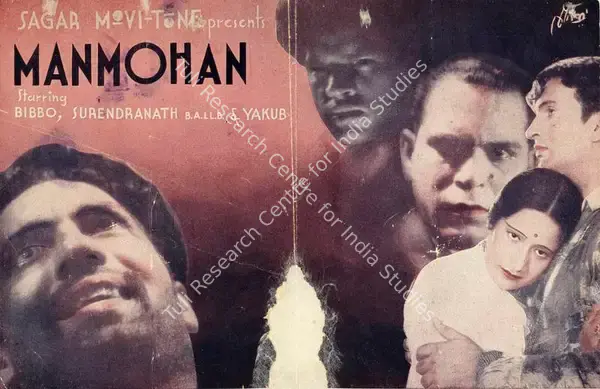
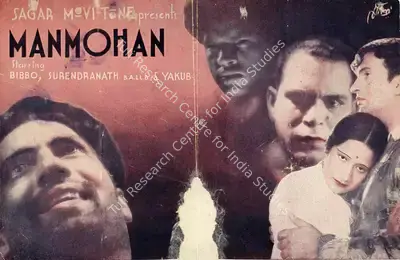
Mehboob (Director), Manmohan, 1936, Handbill
Mehboob (Director), Manmohan, 1936 | Handbill
View full record
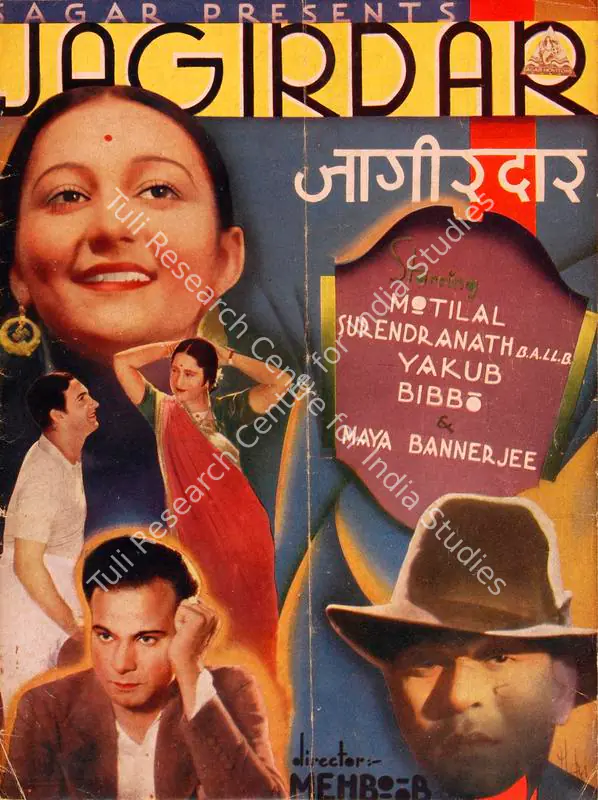
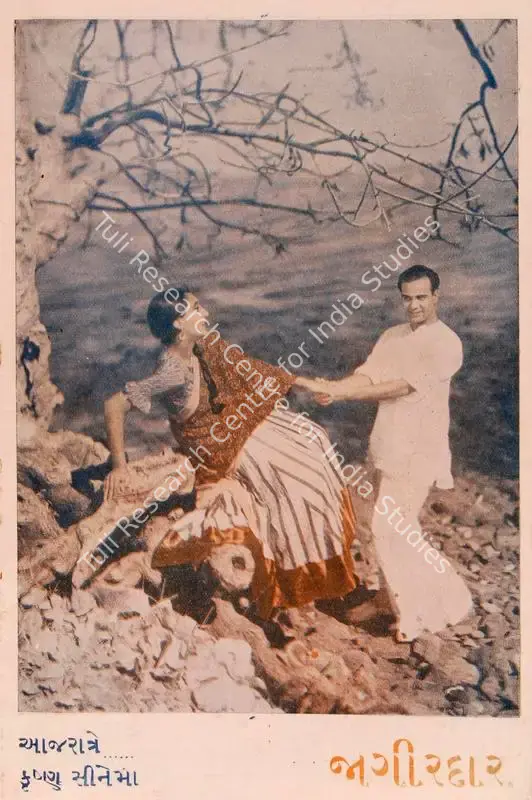
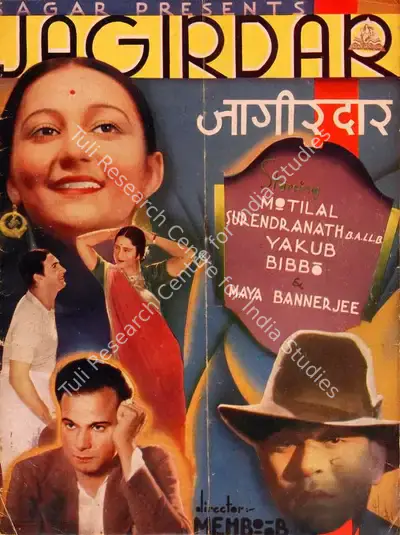
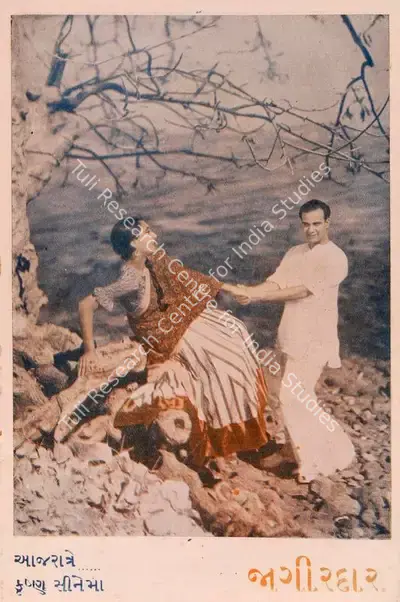
Mehboob (Director), Jagirdar, 1937, Song-Synopsis Booklet
Mehboob (Director), Jagirdar, 1937 | Song-Synopsis Booklet
View full record
Mehboob (Director), Jagirdar, 1937, Song-Synopsis Booklet
Mehboob (Director), Jagirdar, 1937 | Song-Synopsis Booklet
View full record
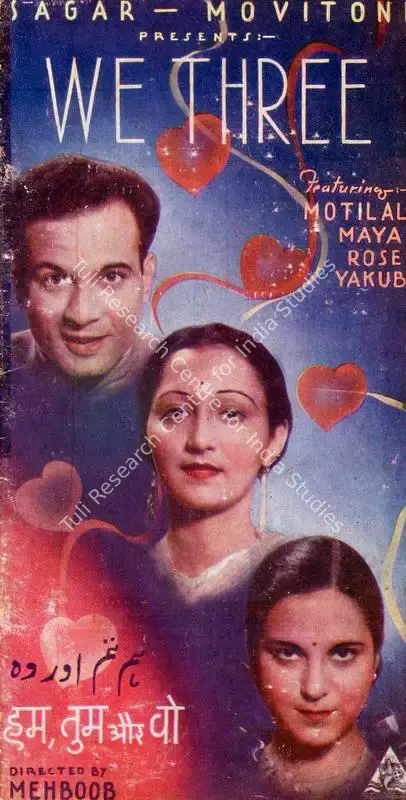
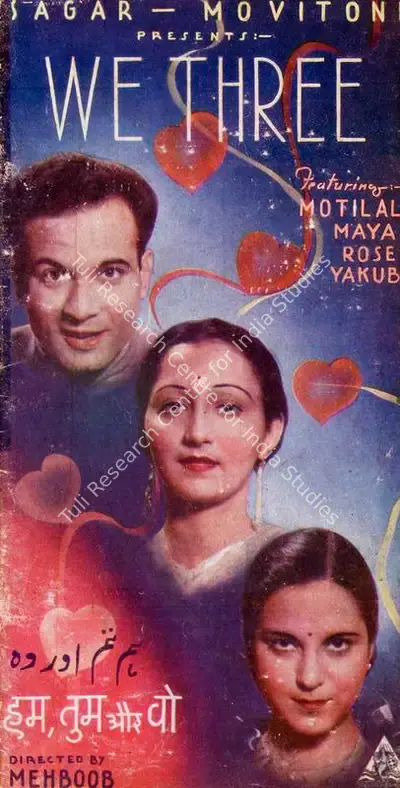
Mehboob (Director), Hum Tum Aur Woh, 1938, Song-Synopsis Booklet
Mehboob (Director), Hum Tum Aur Woh, 1938 | Song-Synopsis Booklet
View full record
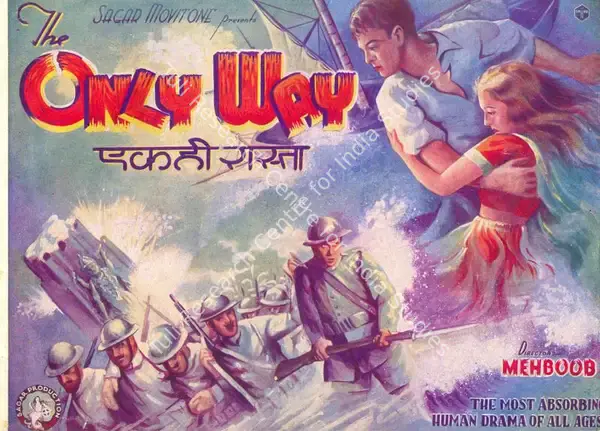
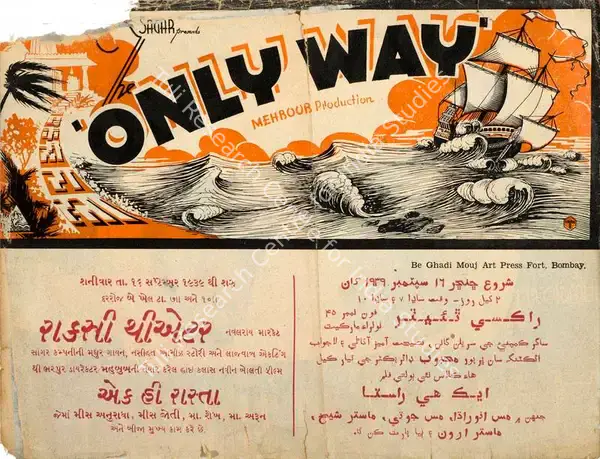
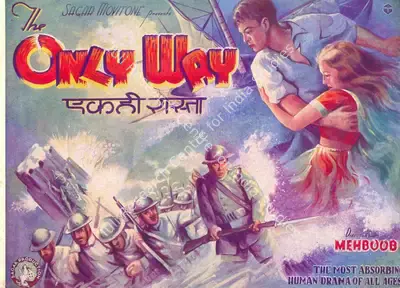
Mehboob (Director), Ek Hi Raasta, 1939, Song-Synopsis Booklet
Mehboob (Director), Ek Hi Raasta, 1939 | Song-Synopsis Booklet
View full record
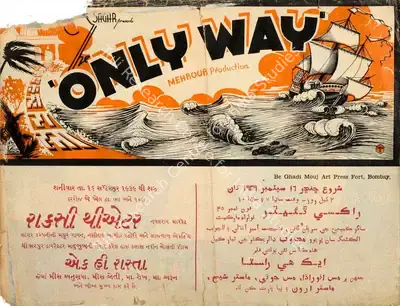
Mehboob (Director), Ek Hi Raasta, 1939, Handbill
Mehboob (Director), Ek Hi Raasta, 1939 | Handbill
View full record
Faredoon A. Irani (Cinematographer), Aurat, 1940, Photographic Still
Irani, Faredoon A. (Cinematographer), Aurat, 1940 | Photographic Still
View full record
Faredoon A. Irani (Cinematographer), Aurat, 1940, Photographic Still
Irani, Faredoon A. (Cinematographer), Aurat, 1940 | Photographic Still
View full record
Faredoon A. Irani (Cinematographer), Aurat, 1940, Photographic Still
Irani, Faredoon A. (Cinematographer), Aurat, 1940 | Photographic Still
View full record
20 of 247
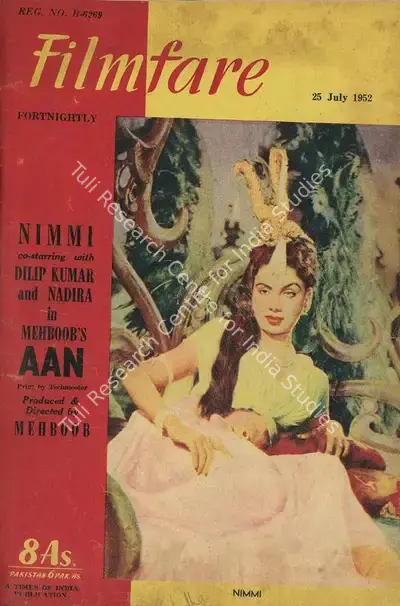
Frank Moraes (Editor), Filmfare, 1952, Magazine
Moraes, Frank (Editor). Filmfare, 25 July 1952 | Magazine | 00793116
View full record
Frank Moraes (Editor), Filmfare, 1952, Magazine
Moraes, Frank (Editor). Filmfare, 25 July 1952 | Magazine | 00793116
View full record
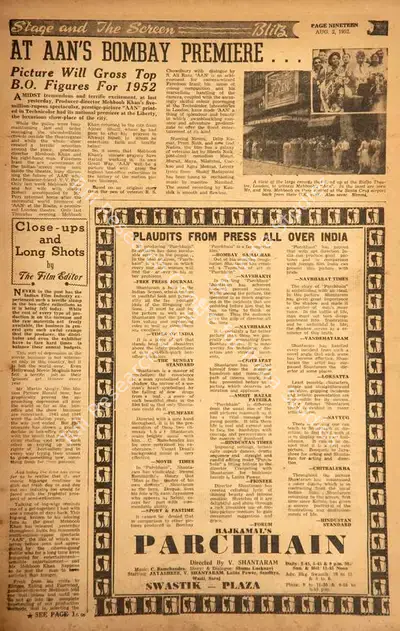
Plaudits from Press All Over India, 1952, Film Review
Plaudits from Press All Over India. In Blitz. 02 August 1952 | Film Review | 00144157
View full record
Close-Ups and Long Shots, 1952, Film Review
Close-Ups and Long Shots. In Blitz. 02 August 1952 | Film Review | 00144156
View full record
At Aan's Bombay Premiere…, 1952, Film Review
At Aan's Bombay Premiere…. In Blitz. 02 August 1952 | Film Review | 00144155
View full record
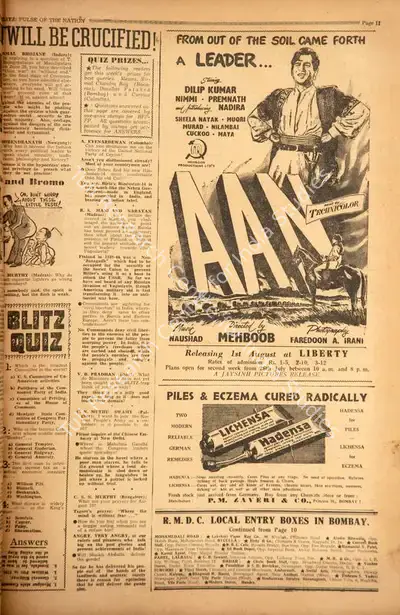
Aan , 1952, Film Review
Aan . In Blitz. 26 July 1952 | Film Review | 00144153
View full record
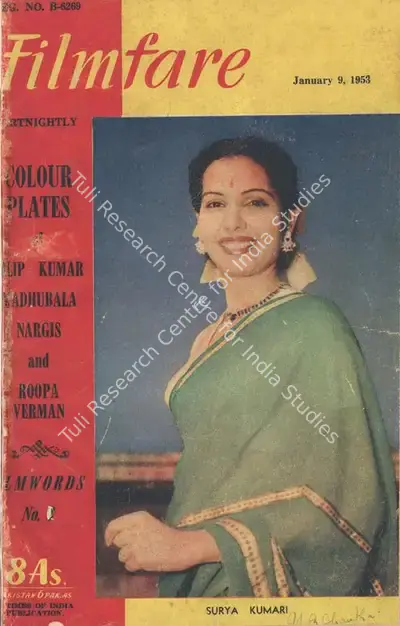
Frank Moraes (Editor), Filmfare, 1953, Magazine
Moraes, Frank (Editor). Filmfare, 09 January 1953 | Magazine | 00793127
View full record
Frank Moraes (Editor), Filmfare, 1953, Magazine
Moraes, Frank (Editor). Filmfare, 09 January 1953 | Magazine | 00793127
View full record
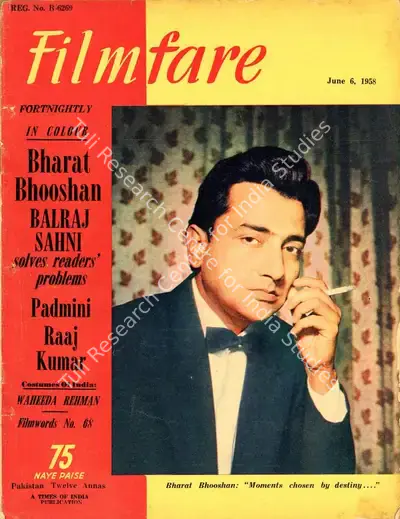
C.R. Mandy (Editor), Filmfare, 1958, Magazine
Mandy, C.R. (Editor). Filmfare, 06 June 1958 | Magazine | 00793215
View full record
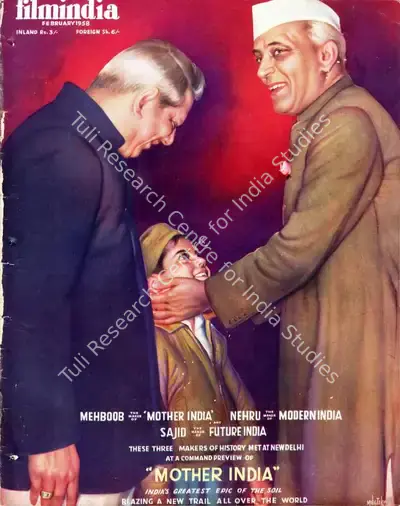
Baburao Patel (Editor), Filmindia, 1958, Magazine
Patel, Baburao (Editor). Filmindia, February 1958 | Magazine | 00796679
View full record
Baburao Patel (Editor), Filmindia, 1958, Magazine
Patel, Baburao (Editor). Filmindia, February 1958 | Magazine | 00796679
View full record
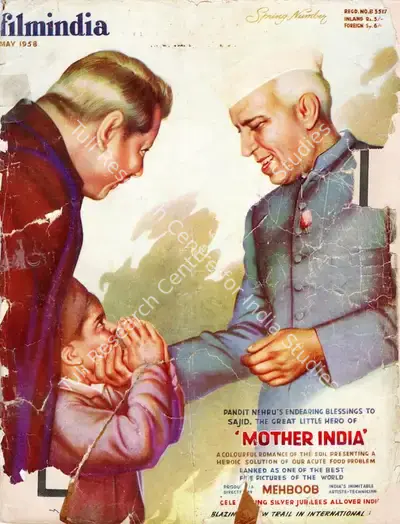
Baburao Patel (Editor), Filmindia, 1958, Magazine
Patel, Baburao (Editor). Filmindia, May 1958 | Magazine | 00796682
View full record
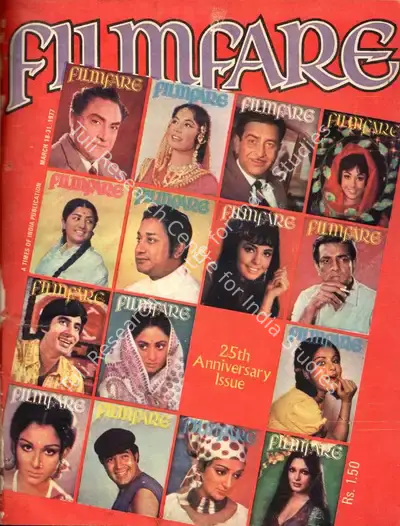
B.K. Karanjia (Editor), Filmfare, 1977, Magazine
Karanjia, B.K. (Editor). Filmfare, 18 March 1977 | Magazine | 00793601
View full record
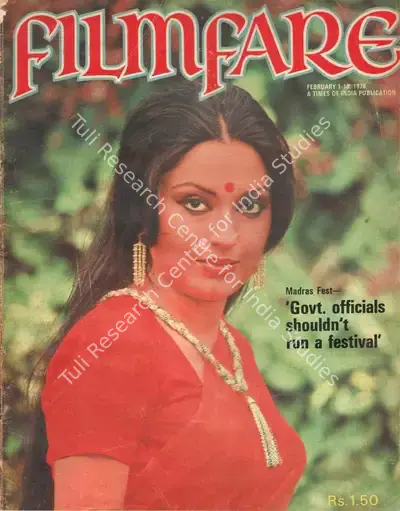
B.K. Karanjia (Editor), Filmfare, 1978, Magazine
Karanjia, B.K. (Editor). Filmfare, 01 February 1978 | Magazine | 00793623
View full record
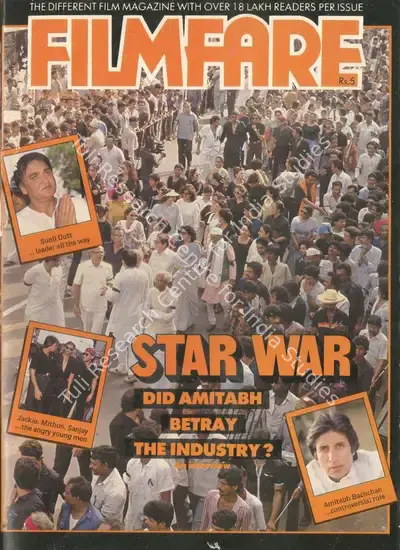
Rauf Ahmed (Editor), Filmfare, 1986, Magazine
Ahmed, Rauf (Editor). Filmfare, 01 November 1986 | Magazine | 00793807
View full record
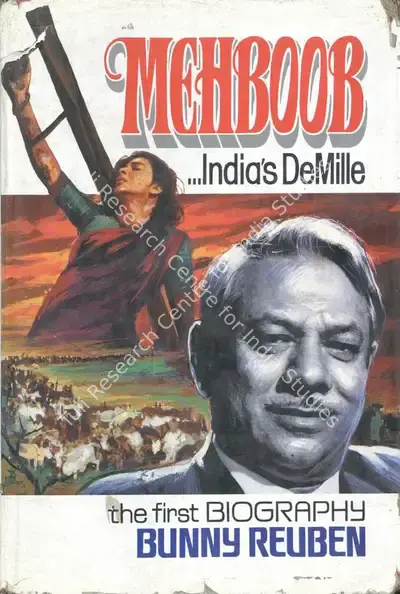
Bunny Reuben (Author), Mehboob, 1994, Authored Book
Reuben, Bunny (Author). Mehboob, 1994 | Authored Book | 00844054
View full record
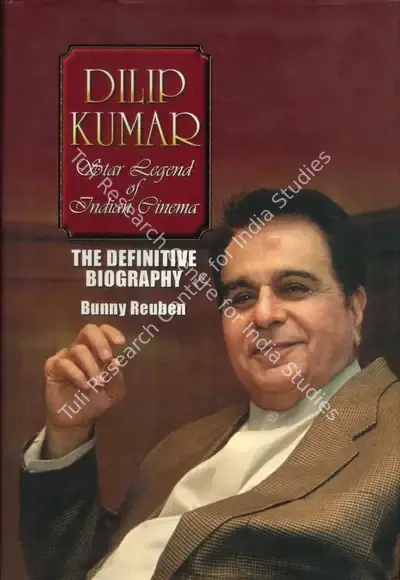
Bunny Reuben (Author), Dilip Kumar, 2004, Authored Book
Reuben, Bunny (Author). Dilip Kumar, 2004 | Authored Book | 00843946
View full record
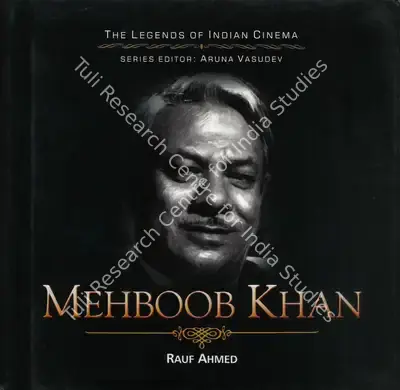
Rauf Ahmed (Author), Mehboob Khan, 2008, Authored Book
Ahmed, Rauf (Author). Mehboob Khan, 2008 | Authored Book | 00844078
View full record
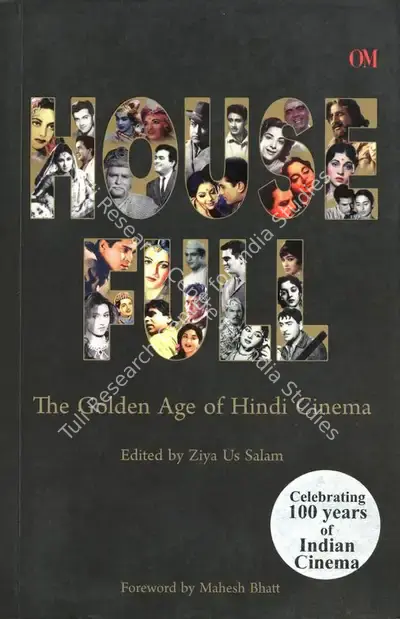
Ziya Us Salam (Editor), House Full, 2012, Edited Book
Salam, Ziya Us (Editor). House Full, 2012 | Edited Book | 00846404
View full record
R.G. Torney (Director), Dilawar, 1931, Song-Synopsis Booklet
Torney, R.G. (Director), Dilawar, 1931 | Song-Synopsis Booklet
View full record
Ardeshir Irani (Producer), Veer Abhimanyu, 1931, Handbill
Irani, Ardeshir (Producer), Veer Abhimanyu, 1931 | Handbill
View full record
Ardeshir Irani (Producer), Veer Abhimanyu, 1931, Handbill
Irani, Ardeshir (Producer), Veer Abhimanyu, 1931 | Handbill
View full record
Ezra Mir (Director), Zarina, 1932, Photographic Still
Mir, Ezra (Director), Zarina, 1932 | Photographic Still
View full record
Nanubhai B. Vakil (Director), Mahabharat, 1933, Handbill
Vakil, Nanubhai B. (Director), Mahabharat, 1933 | Handbill
View full record
Nanubhai B. Vakil (Director), Mahabharat, 1933, Handbill
Vakil, Nanubhai B. (Director), Mahabharat, 1933 | Handbill
View full record
Ramnik Desai (Director), Naachwali, 1934, Handbill
Desai, Ramnik (Director), Naachwali, 1934 | Handbill
View full record
Sarvottam Badami (Director), Bair Ka Badla, 1935, Song-Synopsis Booklet
Badami, Sarvottam (Director), Bair Ka Badla, 1935 | Song-Synopsis Booklet
View full record
Mehboob (Director), Al Hilal, 1935, Handbill
Mehboob (Director), Al Hilal, 1935 | Handbill
View full record
Sarvottam Badami (Director), Bair Ka Badla, 1935, Handbill
Badami, Sarvottam (Director), Bair Ka Badla, 1935 | Handbill
View full record
Mehboob (Director), Manmohan, 1936, Song-Synopsis Booklet
Mehboob (Director), Manmohan, 1936 | Song-Synopsis Booklet
View full record
Mehboob (Director), Manmohan, 1936, Handbill
Mehboob (Director), Manmohan, 1936 | Handbill
View full record
Mehboob (Director), Jagirdar, 1937, Song-Synopsis Booklet
Mehboob (Director), Jagirdar, 1937 | Song-Synopsis Booklet
View full record
Mehboob (Director), Jagirdar, 1937, Song-Synopsis Booklet
Mehboob (Director), Jagirdar, 1937 | Song-Synopsis Booklet
View full record
Mehboob (Director), Hum Tum Aur Woh, 1938, Song-Synopsis Booklet
Mehboob (Director), Hum Tum Aur Woh, 1938 | Song-Synopsis Booklet
View full record
Mehboob (Director), Ek Hi Raasta, 1939, Song-Synopsis Booklet
Mehboob (Director), Ek Hi Raasta, 1939 | Song-Synopsis Booklet
View full record
Mehboob (Director), Ek Hi Raasta, 1939, Handbill
Mehboob (Director), Ek Hi Raasta, 1939 | Handbill
View full record
Faredoon A. Irani (Cinematographer), Aurat, 1940, Photographic Still
Irani, Faredoon A. (Cinematographer), Aurat, 1940 | Photographic Still
View full record
Faredoon A. Irani (Cinematographer), Aurat, 1940, Photographic Still
Irani, Faredoon A. (Cinematographer), Aurat, 1940 | Photographic Still
View full record
Faredoon A. Irani (Cinematographer), Aurat, 1940, Photographic Still
Irani, Faredoon A. (Cinematographer), Aurat, 1940 | Photographic Still
View full record
20 of 227
Tuli Research Centre for India Studies (Editor). India's Cinematic Vision: Sudhir Mishra, 27 July 2007 | In-house Video, 2007 · 10 min 2 sec · Short
▶
Tuli Research Centre for India Studies (Editor). India's Cinematic Vision: Sudhir Mishra, 27 July 2007 | In-house Video
2007 · 10 min 2 sec · Short
Tuli Research Centre for India Studies

Tuli Research Centre

for India Studies

A free and open knowledge base for the modern and contemporary Indian arts, cinema, photography and cultural heritage.

Support

Contact Us

Discover

Tuli Research Centre for India StudiesVisionManifestoArchive & LibraryVanraja Sanctuary & Hospice

Legal

Privacy PolicyTerms & Conditions

Follow us

Youtube

Youtube

Instagram

Instagram

Facebook

Facebook

© Tuli Research Centre for India Studies 2026

Tuli Research Centre for India Studies

Tuli Research Centre

for India Studies

A free and open knowledge base for the modern and contemporary Indian arts, cinema, photography and cultural heritage.

Tuli Research Centre for India StudiesVisionManifestoArchive & LibraryVanraja Sanctuary & Hospice
Contact Us
Privacy PolicyTerms & Conditions

Follow us

YoutubeInstagramFacebook

© Tuli Research Centre for India Studies 2026

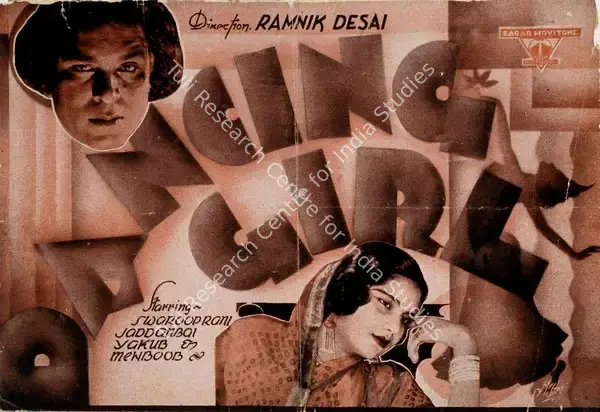
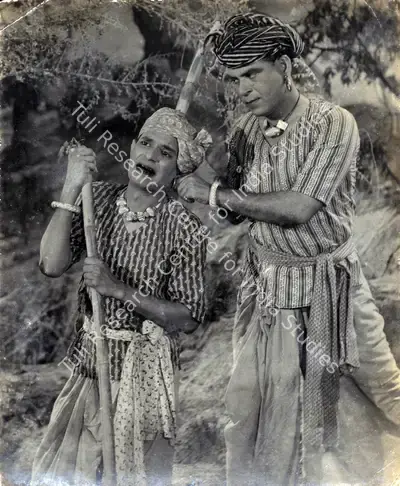
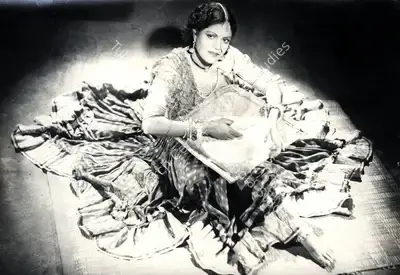
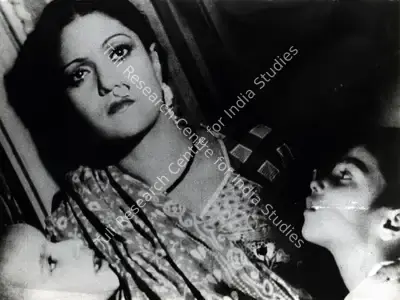
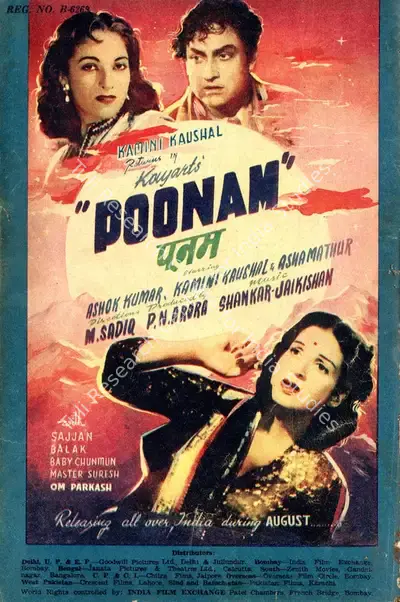
              Desai, Ramnik (Director), Naachwali, 1934 | Handbill | CinemaEducation | 00515284

              Desai, Ramnik (Director), Naachwali, 1934 | Handbill

              DirectorRamnik Desai
              Document TypeHandbill
              Film TitleNaachwali (Dancing Girl), 1934, India, Hindi
              BannerSagar Movietone
              CastSwaroop Rani, Jaddanbai, Mehboob, Yakoob
              Copyright of ImageWith Producer | Archive Object

              Research Categories

              1_CinemaEducation

              Related Links1

              Research Categories
              01Cinema as a Critical Educational Resource