Kajjan
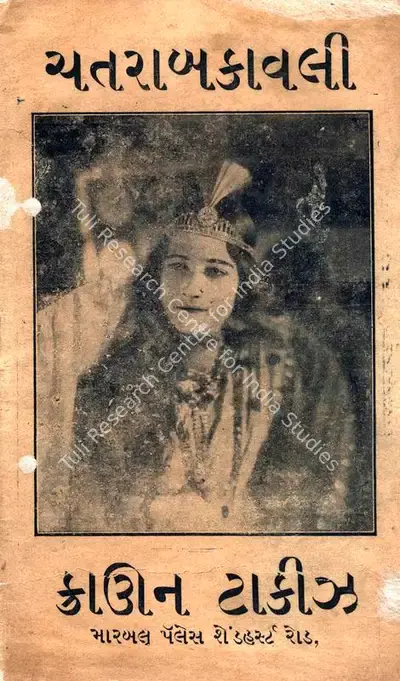
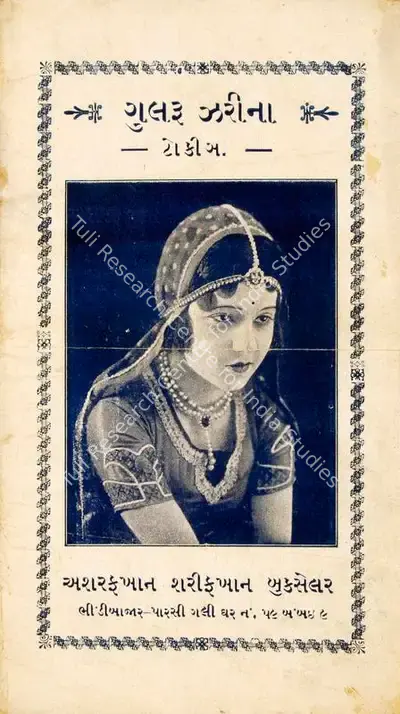
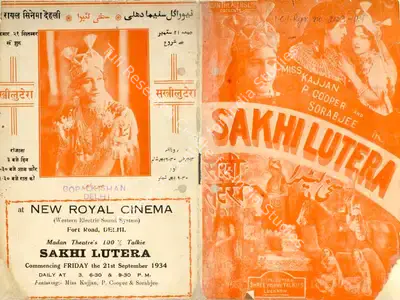
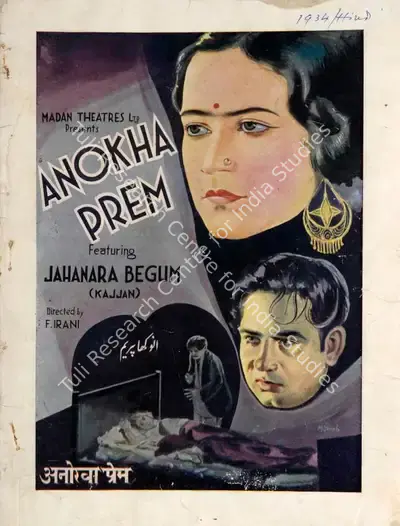
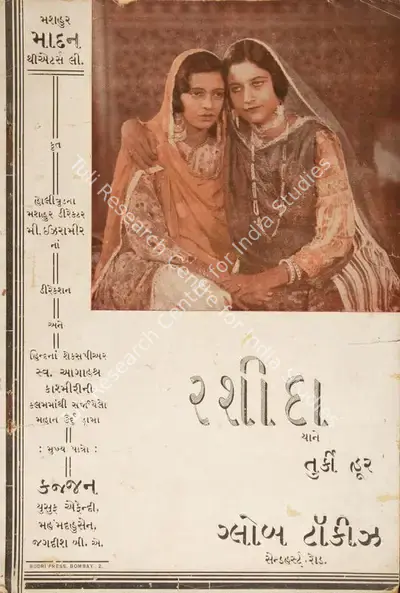
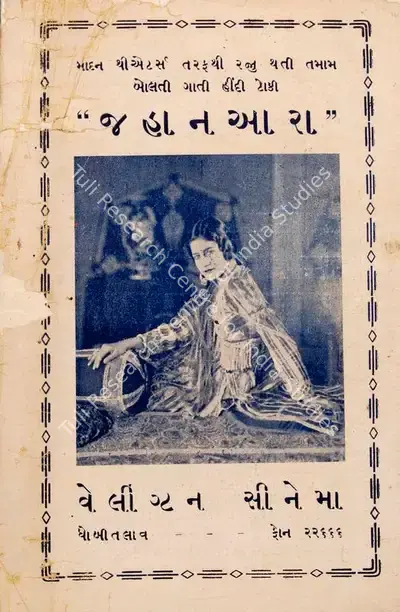
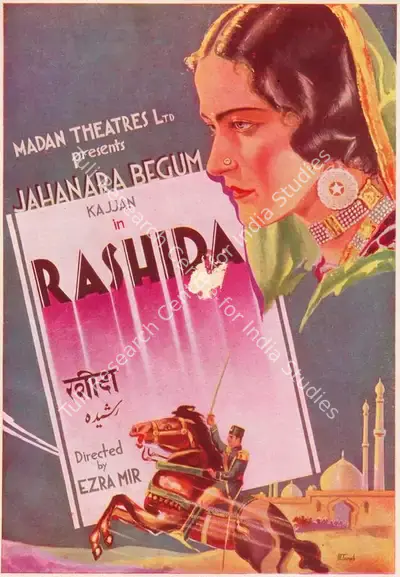
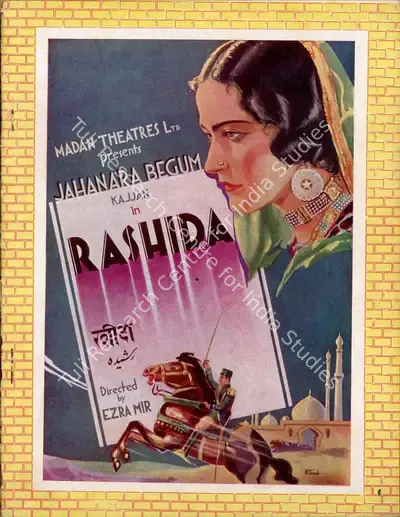
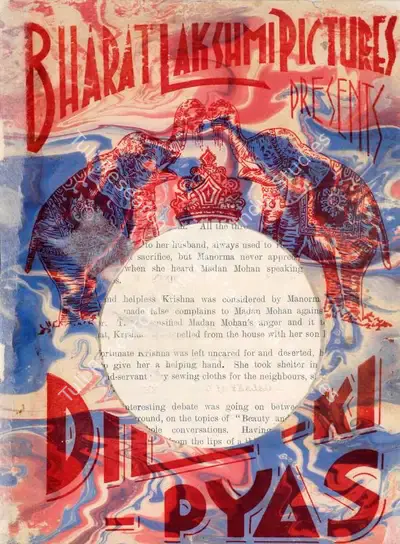
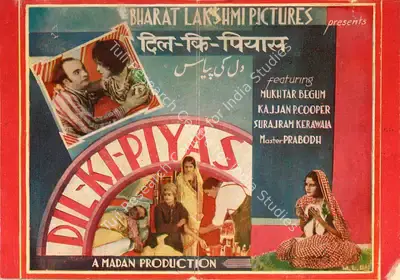
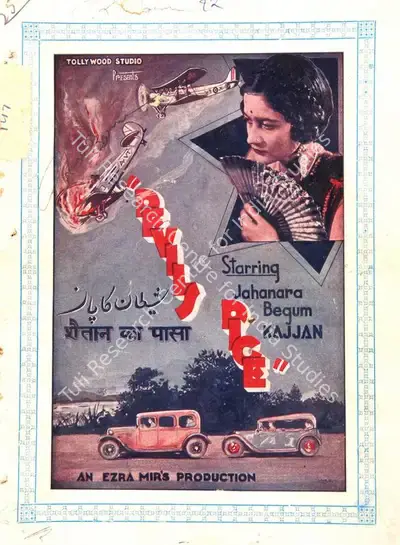
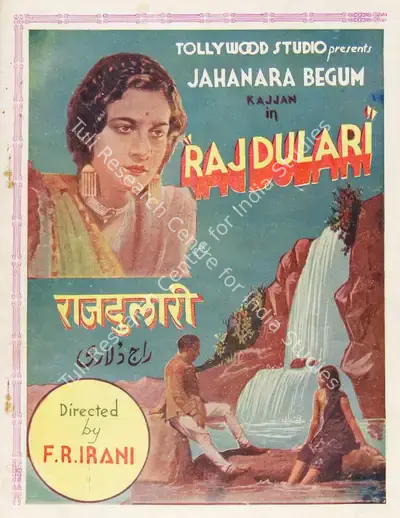
Jahanara Kajjan, popularly known as “Miss Kajjan,” was one of the most celebrated singer-actresses of India's formative talkies era. Active during the 1920s and 1930s, she was variously hailed as the “Nightingale of Bengal,” the “Lark of Hindi Cinema,” and the “Beautiful Nightingale of the Bengal Screen.” A trained classical singer, glamorous screen presence, fashion icon, and trendsetter, she embodied the theatrical splendour of early Indian cinema. Alongside Master Nissar, she formed one of the most sought-after and popular singing partnerships of the stage and screen, carrying the elaborate romantic traditions of Parsi theatre into the emerging world of sound cinema.
Kajjan was born to Suggan Bai, a renowned courtesan, and Nawab Chammi Saheb of Bhagalpur. Like many daughters raised in courtesan households, she received rigorous training in Hindustani classical vocal music and dance from an early age. Her vocal mentor was Ustad Hussain Khan, while, according to writer Veejay Sai, she studied dance under Bachwajaan, reputedly one of the last dancers associated with the court of Wajid Ali Shah. Ganesh Anantharaman, in his history of the Hindi film song, further records that Kajjan later trained the legendary singer Noor Jehan in vocal music.
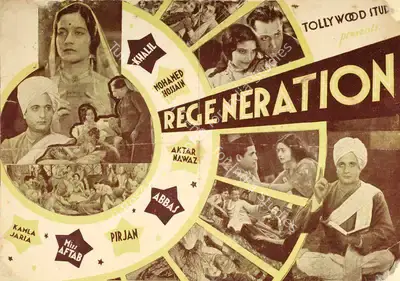
The arrival of sound transformed the social and artistic composition of Indian cinema. Many Eurasian, Jewish, and Anglo-Indian actresses who had dominated the silent era struggled to make the transition because talkies demanded performers capable not only of acting but also of speaking Hindi and Urdu and singing their own songs. Courtesan singer-actresses therefore became indispensable to the new medium. Their accomplishments extended far beyond performance: they sang, danced, choreographed, wrote lyrics, composed music, directed, produced, and wrote screenplays. Jaddan Bai, daughter of courtesan Daleepabai, became the industry's first female music composer, while Fatma Begum emerged as its first woman director-producer. Fatma's daughter Zubeida subsequently starred in Alam Ara (1931), widely regarded as the first Indian talkie.
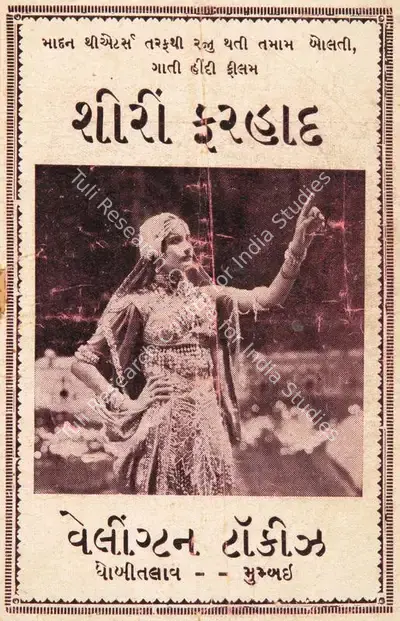
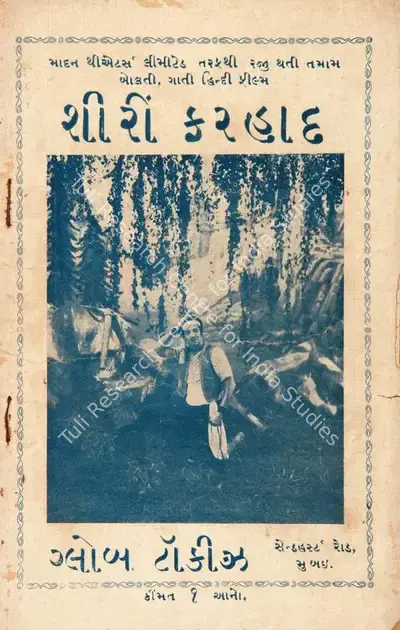
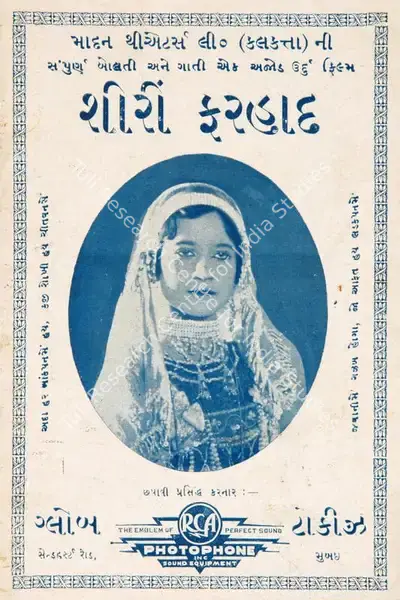
In the wake of Alam Ara (1931) came Shirin Farhad (1931) and Laila Majnu (1931), both produced by Madan Theatres in Calcutta and featuring Kajjan opposite Master Nissar. Their celebrated partnership became a defining attraction, translating the opulent romances, music, verse, and heightened performance style of Parsi theatre from stage to screen. Kajjan was still a teenager when fame arrived, although scholars and writers variously place her birth between 1910 and 1915.
Several accounts associate Kajjan's rise with her famed “knife dance,” a theatrical act in which she performed with three knives. This reportedly helped bring her to the attention of the Alfred Company, associated with Madan Theatres in Calcutta. She soon became a major attraction in the city and, by contemporary accounts, led an unusually independent professional and personal life for a woman of her time. She learned ballroom dancing and was reportedly a regular at the Calcutta Club, inhabiting a cosmopolitan world far removed from conventional expectations of female respectability.
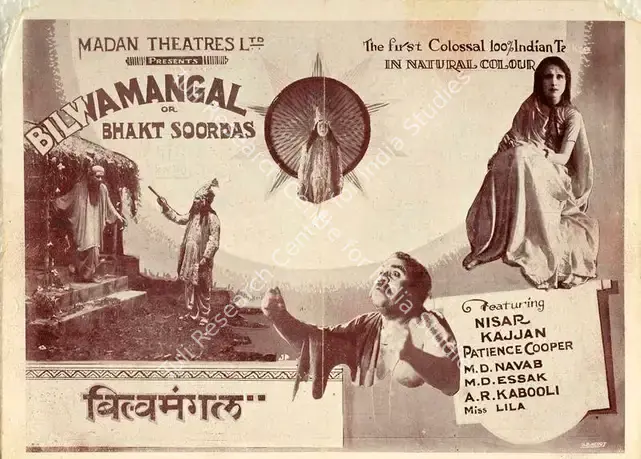
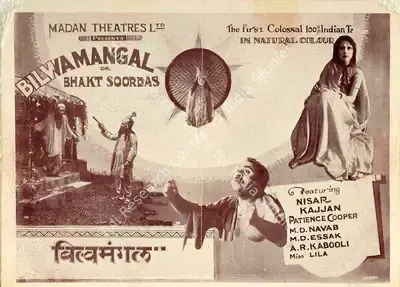
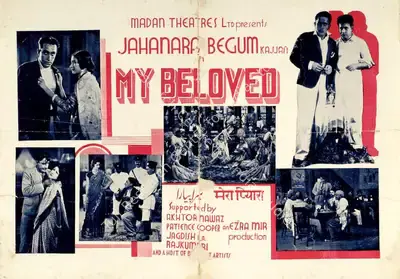
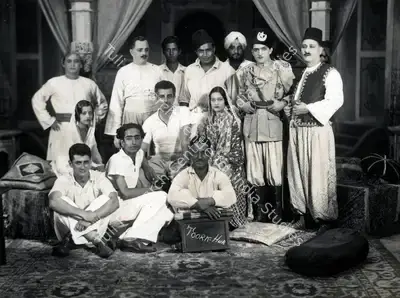
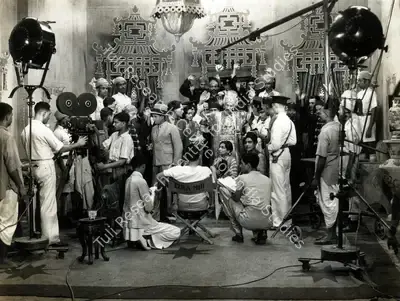
Her major films followed in rapid succession. Shirin Farhad (1931) established her as a formidable talkie star and was celebrated as the second Indian talkie, with 42 songs, many shared with Nissar. Laila Majnu (1931) repeated their success in another lavish romantic production. Indrasabha (1932), a three-and-a-half-hour verse spectacle, became legendary for its 71 songs, with Kajjan appearing as Sabz Pari, the Emerald Fairy. In the same period, Bilwamangal (1932) further demonstrated her dramatic range and is remembered among India's earliest colour productions. She also appeared in Shakuntala (1932) and Alibaba Aur Chalis Chor (1932), followed by Aankh Ka Nashaa (1933), Zehari Saanp (1933), and the devotional success Puran Bhagat (1933). Mera Pyara (1935) was among her final significant Calcutta musical dramas.
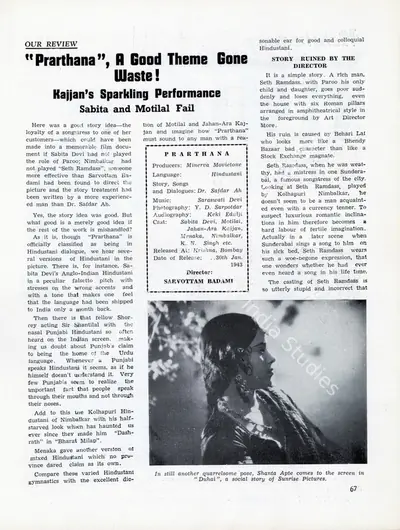
After Madan Theatres closed, Kajjan eventually moved to Bombay during the 1940s, where she transitioned into character roles under Sohrab Modi. Her later career included Prithvi Vallabh (1943), a major historical production. Yet her fortunes declined, and she was increasingly confined to minor roles. She died in 1945, still remarkably young, from illness. Her early death makes the scale of her achievements all the more poignant: only thirteen years separated her appearance as Sabz Pari in Indrasabha (1932) from her death.
Kajjan's legacy remains fragmentary, underscoring the urgent need for archival research and restoration. The surviving public record often reduces figures like her to glamorous curiosities, obscuring the intricate intersections of gender, class, performance, courtesan culture, respectability, and modernity that shaped their careers. Kajjan was not merely a star of early cinema; she was one of the artists who made the transition to Indian sound film possible.
Source:
https://www.thehindu.com/features/friday-review/peep-into-jahanara-kajjan-a-forgotten-actor-and-a-singing-star-of-the-1930s/article8025934.ece
https://www.firstpost.com/long-reads/dastaan-e-dilrubai-remembering-jahanara-kajjan-whose-incandescence-burned-briefly-but-brightly-8149901.html
जहाँआरा कज्जन, जिन्हें "मिस कज्जन" के नाम से जाना जाता था, भारत में बोलती फ़िल्मों (टॉकीज़) के शुरुआती दौर की सबसे मशहूर गायिका अभिनेत्रियों में से एक थीं। 1920 और 1930 के दशक में सक्रिय रहीं कज्जन को "बंगाल की बुलबुल," "हिंदी सिनेमा की लार्क" और "बांग्ला स्क्रीन की ख़ूबसूरत बुलबुल" जैसे नामों से पुकारा जाता था। शास्त्रीय संगीत की प्रशिक्षित गायिका, आकर्षक स्क्रीन प्रेज़ेंस, फ़ैशन आइकन और ट्रेंडसेटर होने के नाते, वह शुरुआती भारतीय सिनेमा की नाटकीय भव्यता की मिसाल थीं। मास्टर निसार के साथ मिलकर उन्होंने स्टेज और स्क्रीन पर गायन की सबसे लोकप्रिय जोड़ियों में से एक बनाई और पारसी थिएटर की शानदार रोमांटिक परंपराओं को बोलती फ़िल्मों की नई दुनिया में आगे बढ़ाया।
कज्जन का जन्म भागलपुर के नवाब चम्मी साहेब और मशहूर तवायफ़ सुग्गन बाई के घर हुआ था। तवायफ़ों के घरों में पली-बढ़ी कई बेटियों की तरह, उन्हें भी कम उम्र से ही हिंदुस्तानी शास्त्रीय गायन और नृत्य की कड़ी ट्रेनिंग मिली थी। उनके गायन गुरु उस्ताद हुसैन ख़ान थे, जबकि लेखक विजय साई के अनुसार, उन्होंने वाजिद अली शाह के दरबार से जुड़ी आख़िरी नृत्यांगनाओं में से एक मानी जाने वाली बचवाजान से नृत्य सीखा था। गणेश अनंतरामन ने हिंदी फ़िल्मी गानों के इतिहास में यह भी दर्ज किया है कि बाद में कज्जन ने महान गायिका नूरजहाँ को गायन की ट्रेनिंग दी थी।
आवाज़ के आने से भारतीय सिनेमा का सामाजिक और कलात्मक स्वरूप बदल गया। मूक फ़िल्मों के दौर में छाने वाली कई यूरेशियन, यहूदी और एंग्लो-इंडियन अभिनेत्रियों को इस बदलाव के साथ तालमेल बिठाने में मुश्किल हुई, क्योंकि टॉकीज़ के लिए ऐसे कलाकारों की ज़रूरत थी जो न सिर्फ़ अभिनय कर सकें, बल्कि हिंदी और उर्दू बोल सकें और अपने गाने ख़ुद गा सकें। इसलिए, तवायफ़ गायिकाएँ, अभिनेत्रियाँ इस नए माध्यम के लिए ज़रूरी हो गईं। उनकी उपलब्धियाँ सिर्फ़ परफ़ॉर्मेंस तक ही सीमित नहीं थीं। उन्होंने गायन, नृत्य, कोरियोग्राफ़ी, गीत लेखन, संगीत रचना, निर्देशन, निर्माण और पटकथा लेखन जैसे कई काम किए। तवायफ़ दलीपाबाई की बेटी जद्दन बाई इंडस्ट्री की पहली महिला संगीतकार बनीं, जबकि फ़ातिमा बेगम पहली महिला निर्देशक-निर्माता के तौर पर सामने आईं। इसके बाद फ़ातिमा की बेटी ज़ुबैदा ने 'आलम आरा' (1931) में काम किया, जिसे व्यापक रूप से पहली भारतीय बोलती फ़िल्म माना जाता है।
'आलम आरा' (1931) के बाद 'शीरीन फरहाद' (1931) और 'लैला मजनू' (1931) आईं। इन दोनों फ़िल्मों को कलकत्ता के मदान थिएटर्स ने बनाया था और इनमें मास्टर निसार के साथ कज्जन ने काम किया था। उनकी मशहूर जोड़ी एक ख़ास आकर्षण बन गई, जिसने पारसी थिएटर के शानदार रोमांस, संगीत, शायरी और ज़बरदस्त परफ़ॉर्मेंस स्टाइल को स्टेज से स्क्रीन पर उतारा। जब कज्जन को शोहरत मिली, तब वह बहुत कम उम्र की थीं, हालांकि जानकार और लेखक उनके जन्म का समय 1910 से 1915 के बीच बताते हैं।
कई लोग कज्जन की कामयाबी को उनके मशहूर "नाइफ डांस" (चाकू वाले डांस) से जोड़कर देखते हैं, जिसमें वह तीन चाकुओं के साथ परफ़ॉर्म करती थीं। कहा जाता है कि इसी डांस की वजह से वह कलकत्ता के मदान थिएटर्स से जुड़ी अल्फ्रेड कंपनी की नज़र में आईं। जल्द ही वह शहर में आकर्षण का केंद्र बन गईं और उस दौर की दूसरी महिलाओं के मुक़ाबले उन्होंने एक बहुत ही आज़ाद पेशेवर और निजी ज़िंदगी जी। उन्होंने बॉलरूम डांस सीखा और कलकत्ता क्लब में अक्सर जाती थीं। वह महिलाओं के सम्मान और मर्यादा से जुड़ी पारंपरिक उम्मीदों से दूर एक कॉस्मोपॉलिटन दुनिया में रहती थीं।
इसके बाद उनकी कई बड़ी फ़िल्में लगातार आईं। 'शीरीन फ़रहाद' (1931) ने उन्हें एक बड़ी टॉकी स्टार के तौर पर स्थापित किया और इसे दूसरी भारतीय टॉकी फ़िल्म माना गया। इसमें 42 गाने थे, जिनमें से कई निसार के साथ गाए गए थे। 'लैला मजनू' (1931) ने एक और शानदार रोमांटिक फ़िल्म के तौर पर उनकी कामयाबी को दोहराया। 'इंद्रसभा' (1932), जो साढ़े तीन घंटे की एक म्यूज़िकल फ़िल्म थी, अपने 71 गानों के लिए मशहूर हो गई। इसमें कज्जन ने 'सब्ज़ परी' (पन्ने जैसी हरी परी) का किरदार निभाया था। इसी दौरान, 'बिल्वमंगल' (1932) ने उनकी एक्टिंग की क़ाबिलियत को और दिखाया और इसे भारत की शुरुआती रंगीन फ़िल्मों में गिना जाता है। उन्होंने 'शकुंतला' (1932) और 'अलीबाबा और चालीस चोर' (1932) में भी काम किया, जिसके बाद 'आँख का नशा' (1933), 'ज़हरी साँप' (1933) और भक्ति-प्रधान सफल फ़िल्म 'पूरन भगत' (1933) आईं। 'मेरा प्यारा' (1935) कलकत्ता में उनके आख़िरी अहम म्यूज़िकल नाटकों में से एक था।
मदन थिएटर्स के बंद होने के बाद, कज्जन 1940 के दशक में बॉम्बे चली गईं, जहाँ उन्होंने सोहराब मोदी के साथ कैरेक्टर रोल (चरित्र भूमिकाएँ) करने शुरू किए। उनके बाद के करियर में 'पृथ्वी वल्लभ' (1943) जैसी बड़ी ऐतिहासिक फ़िल्म भी शामिल थी। लेकिन उनका करियर ढलान पर आ गया और उन्हें ज़्यादातर छोटी-मोटी भूमिकाएँ ही मिलने लगीं। 1945 में बीमारी की वजह से उनकी मौत हो गई, तब वे बहुत कम उम्र की थीं। उनकी कम उम्र में मौत उनकी उपलब्धियों को और भी दुखद बना देती है: 'इंद्रसभा' (1932) में सब्ज़ परी के तौर पर उनकी पहली बड़ी भूमिका और उनकी मौत के बीच सिर्फ़ तेरह साल का फ़ासला था।
कज्जन की विरासत आज भी अधूरी है, जिससे आर्काइव से जुड़ी रिसर्च और उसे फिर से संवारने की ज़रूरत साफ़ पता चलती है। जो पब्लिक रिकॉर्ड मौजूद हैं, उनमें अक्सर उन जैसी हस्तियों को सिर्फ़ ग्लैमरस और दिलचस्प चीज़ों के तौर पर दिखाया जाता है। इससे जेंडर, क्लास, परफ़ॉर्मेंस, तवायफ़ कल्चर, इज़्ज़त और आधुनिकता जैसे उन पेचीदा पहलुओं पर पर्दा पड़ जाता है जिन्होंने उनके करियर को आकार दिया था। कज्जन सिर्फ़ शुरुआती दौर के सिनेमा की स्टार नहीं थीं। वह उन कलाकारों में से एक थीं जिन्होंने भारतीय साउंड फ़िल्म (बोलती फ़िल्मों) के दौर में बदलाव को मुमकिन बनाया।
स्रोत:
https://www.thehindu.com/features/friday-review/peep-into-jahanara-kajjan-a-forgotten-actor-and-a-singing-star-of-the-1930s/article8025934.ece
https://www.firstpost.com/long-reads/dastaan-e-dilrubai-remembering-jahanara-kajjan-whose-incandescence-burned-briefly-but-brightly-8149901.html
The whole holding
Research Centre
20 of 48
20 of 47