Jan Nissar Akhtar
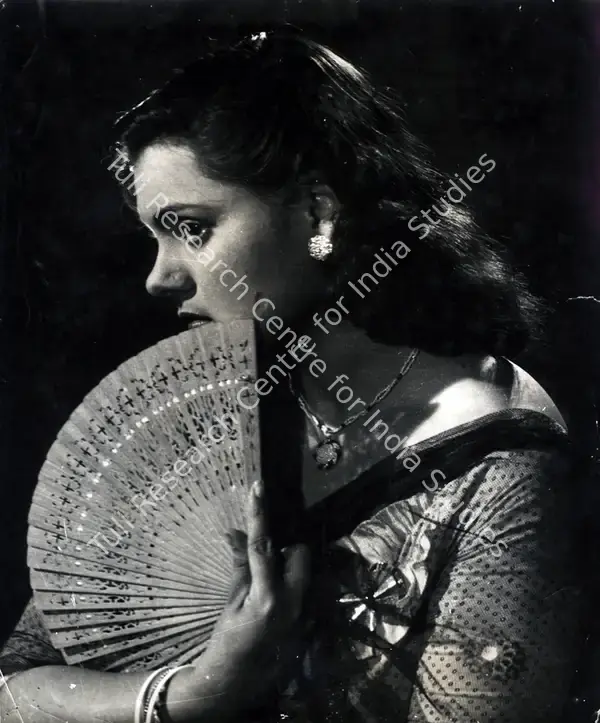
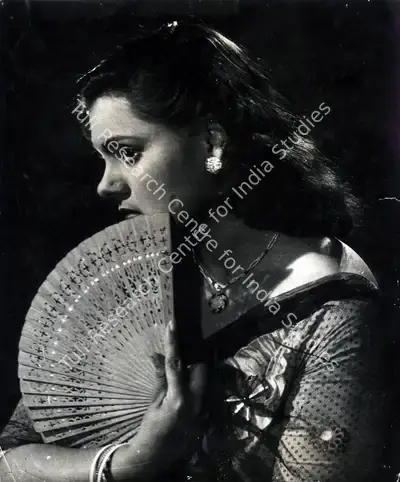
Jan Nisar Akhtar (18 February 1914 – 19 August 1976) He occupies a distinguished place in twentieth-century Indian literary and cinematic culture as an accomplished Urdu poet and an influential lyricist in Hindi cinema. Associated with the Progressive Writers' Movement, his work reflects a secular, humanist ethos shaped by concerns of freedom, dignity, and socio-economic justice. Like many of his contemporaries, Akhtar's poetry reveals a discernible leftist orientation; yet, his ghazals also embody an intimate romanticism, often interwoven with evocative depictions of domestic and familial life. His major poetic collections include Nazr-e-Butaan, Salaasil, Javidaan, Ghar Angan, and Khaak-e-Dil.
Born into a lineage of distinguished poets, he was the son of Muztar Khairabadi and the great-grandson of Fazl-e-Haq Khairabadi. Akhtar received his early education in Gwalior and later attended Aligarh Muslim University, where he completed his B.A. (Honours) and M.A., though financial constraints prevented him from completing doctoral studies.
In 1943, he married Safia, sister of the noted poet Majaz. Safia's role as a schoolteacher sustained the family during Akhtar's early, financially uncertain years. Their prolonged separation—when Akhtar moved to Bombay to pursue a career in film lyricism—gave rise to a remarkable corpus of personal letters, later published as Harf-e-Aashna and Zer-e-Lab, and translated into Hindi by Asghar Wajahat under the title Tumhare Naam. Safia's untimely death in 1953 marked a significant personal loss; Akhtar remarried in 1956.
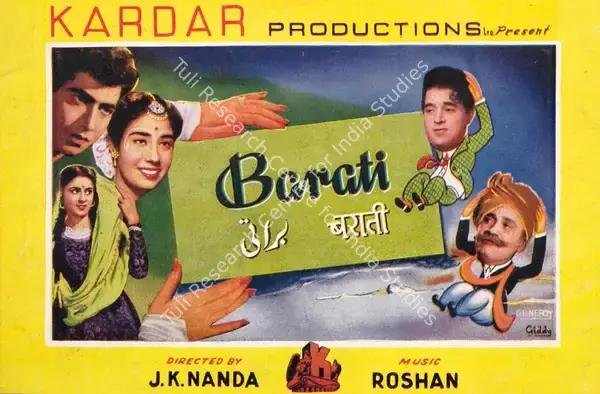
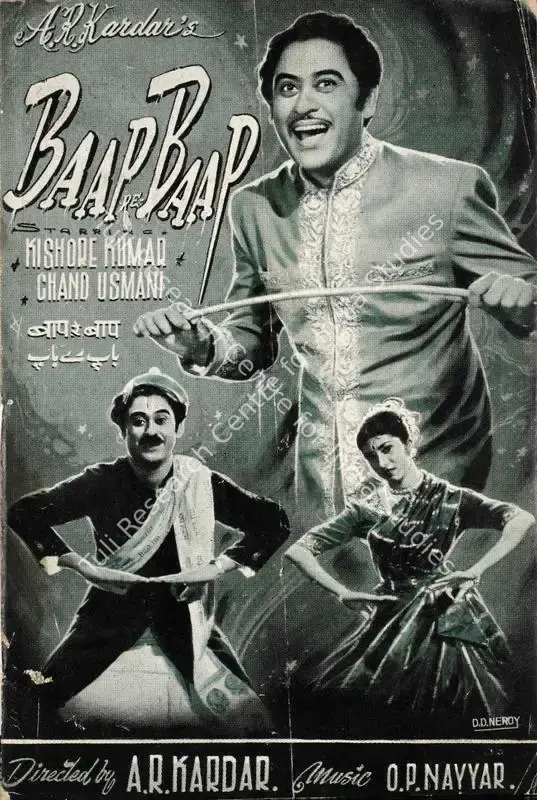
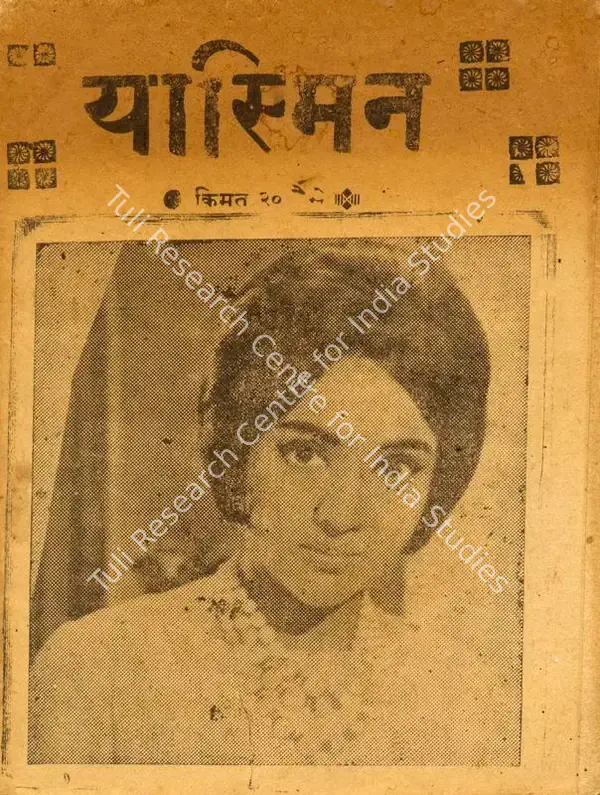
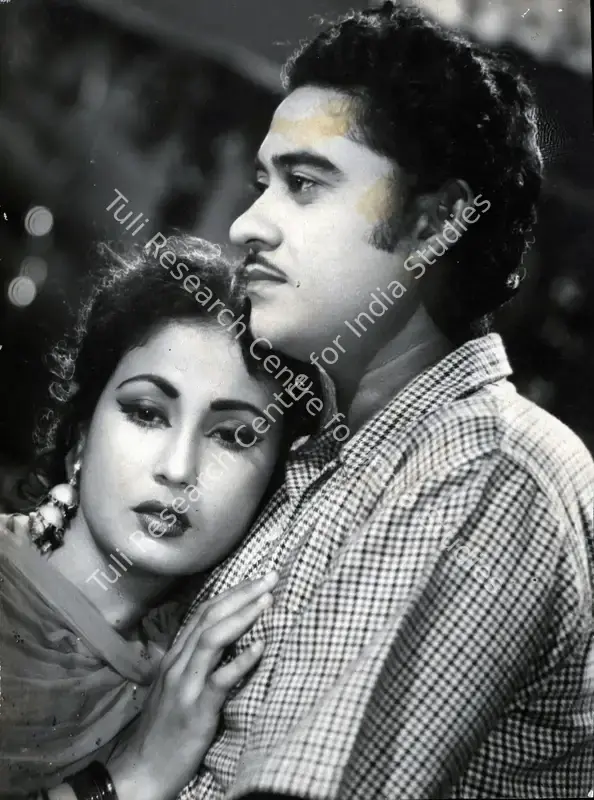
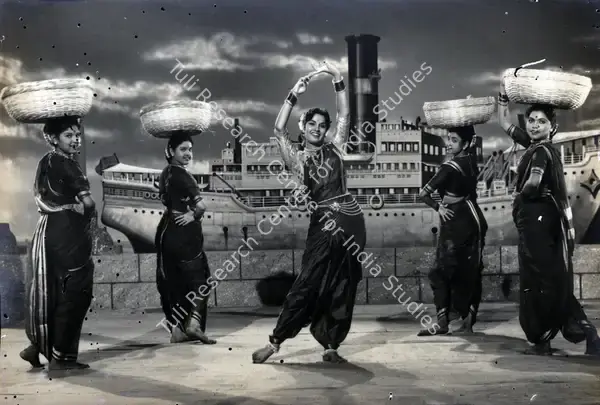
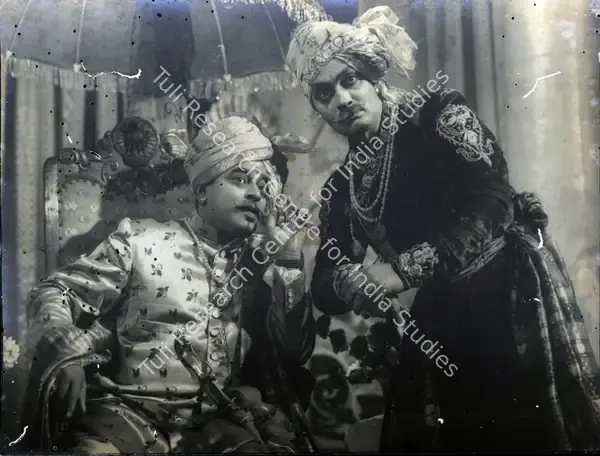
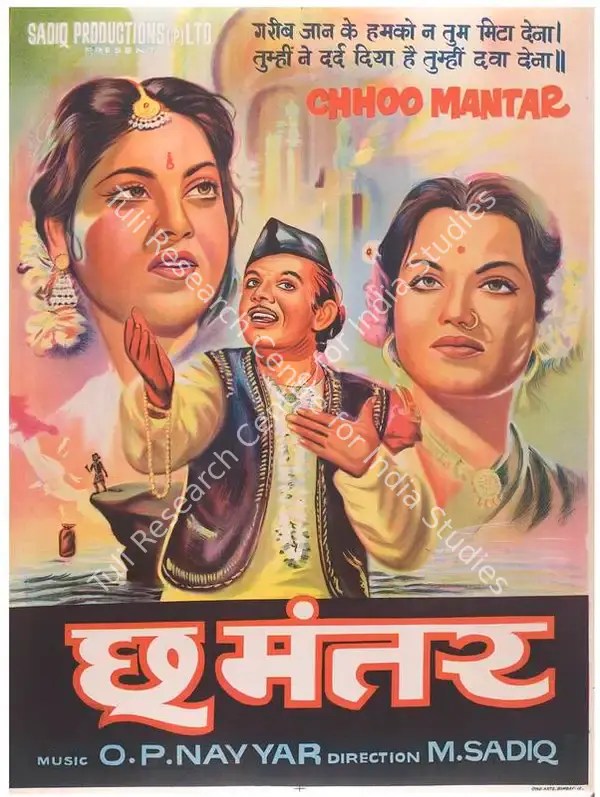
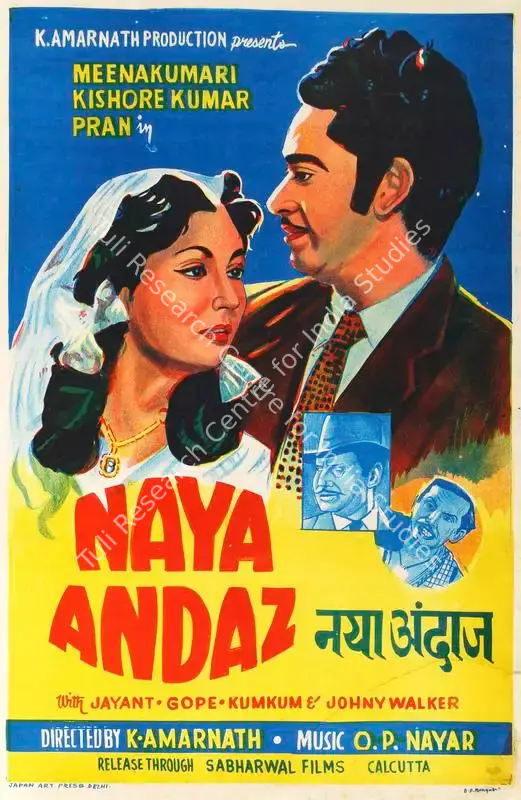
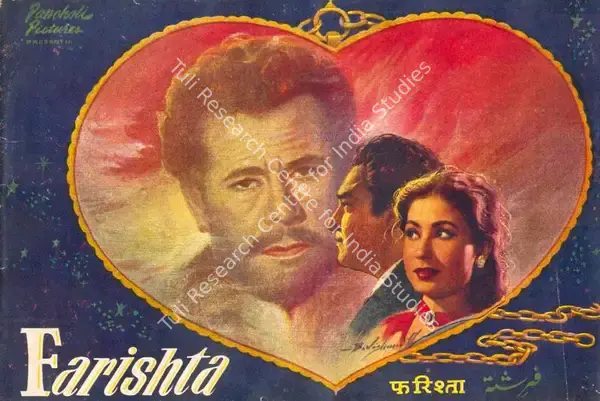
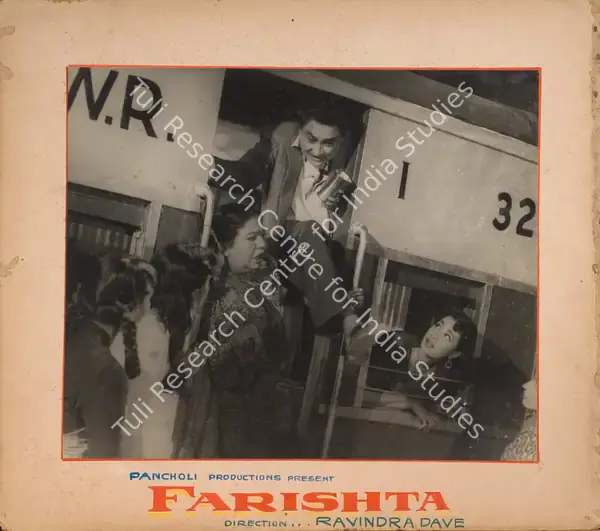
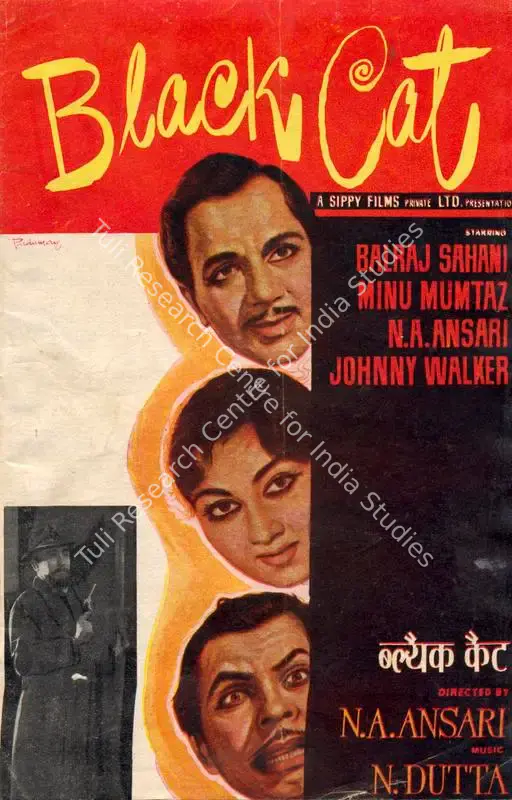
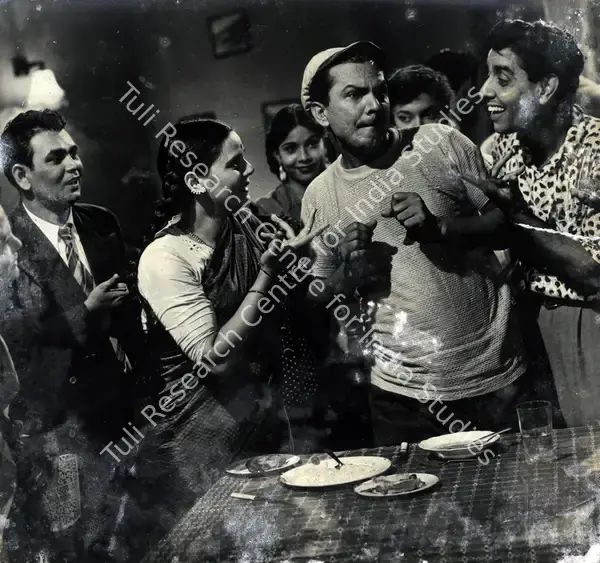
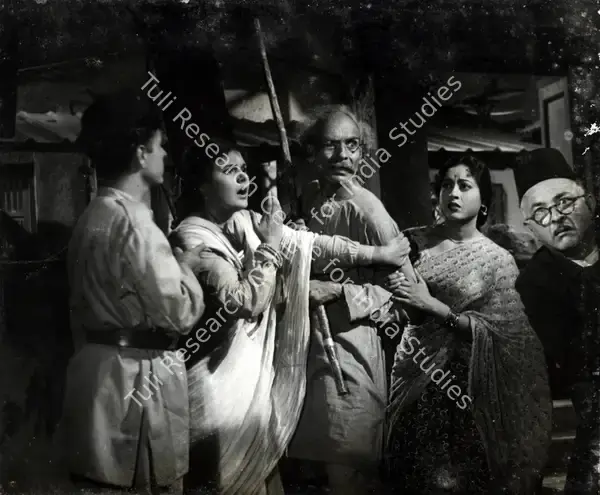
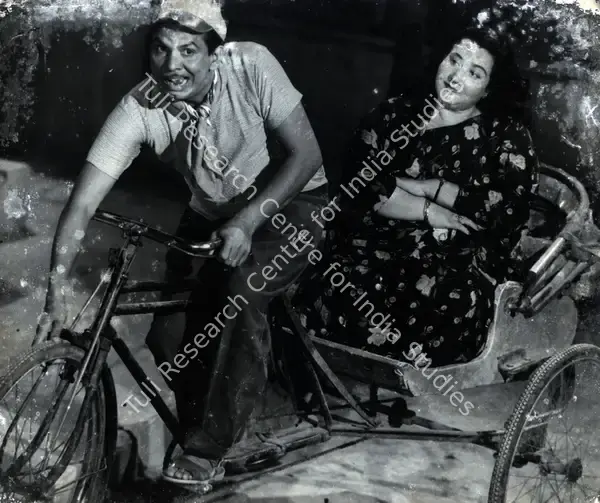
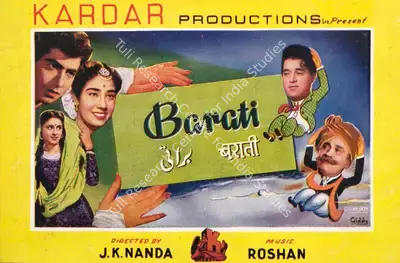
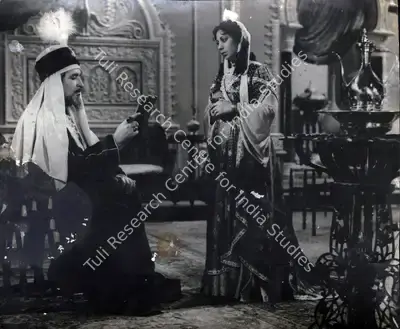
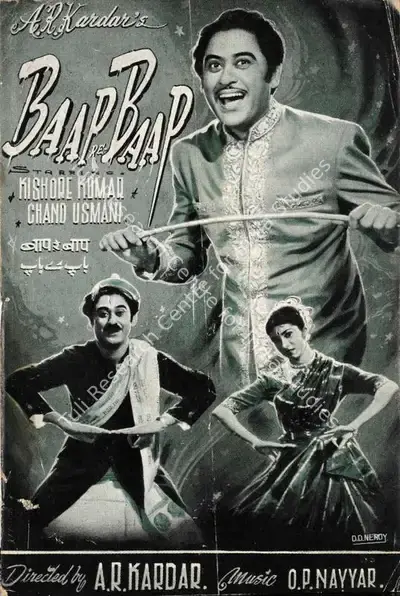
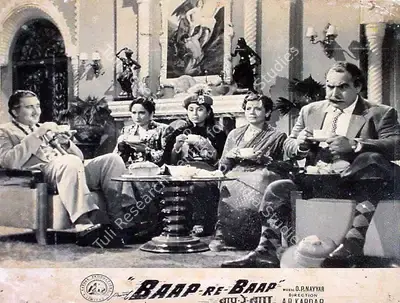
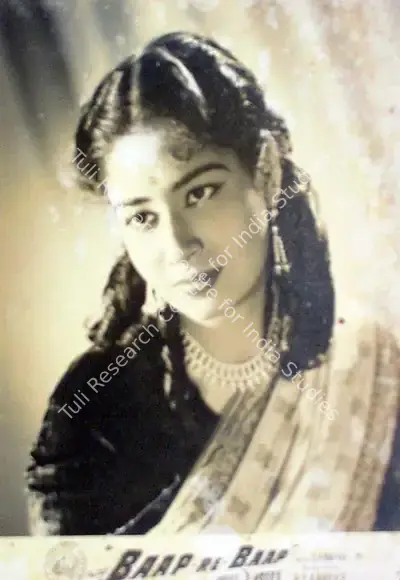
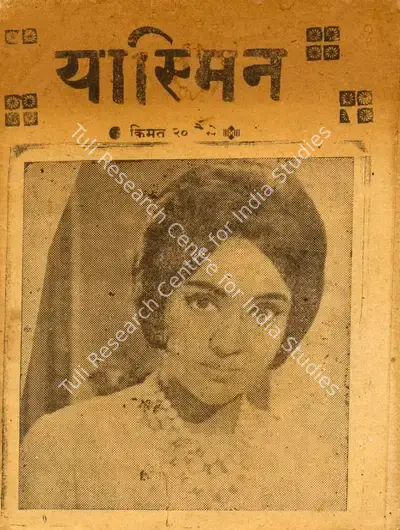
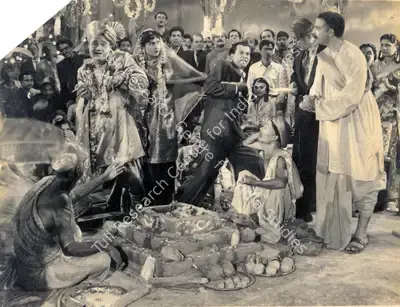
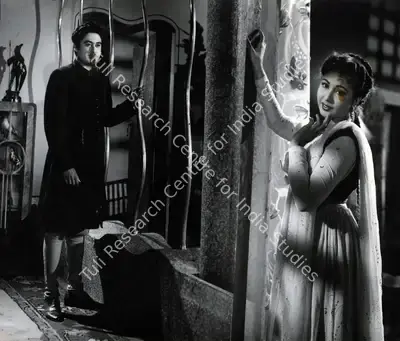
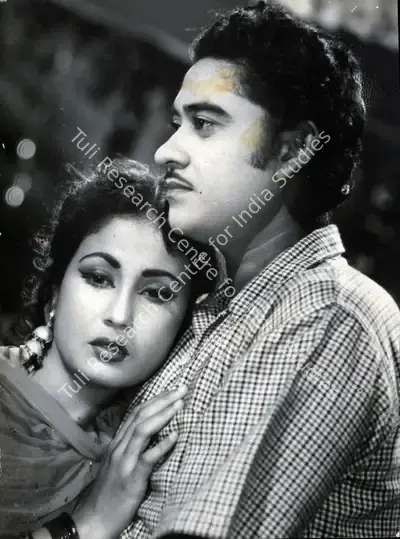
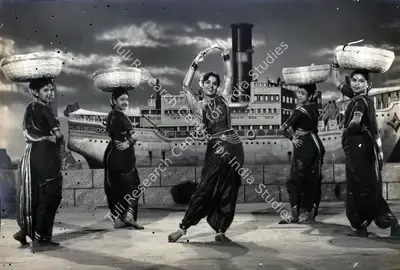
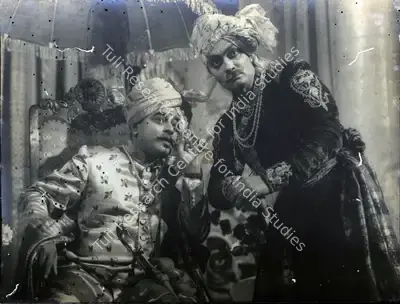
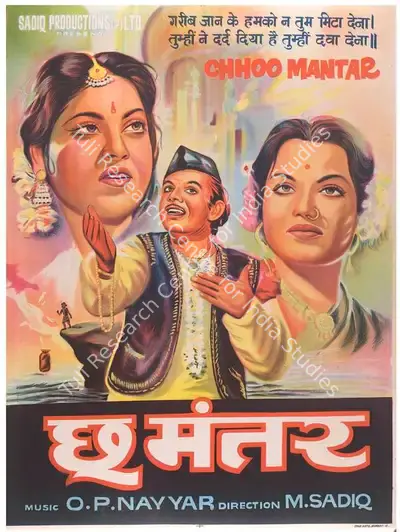
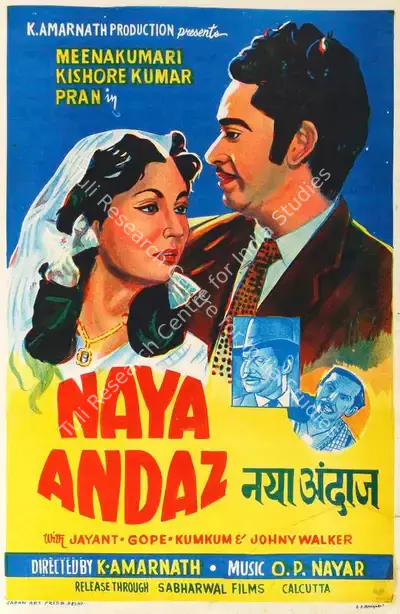
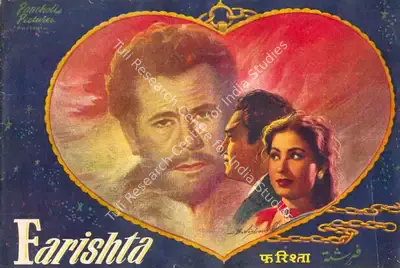
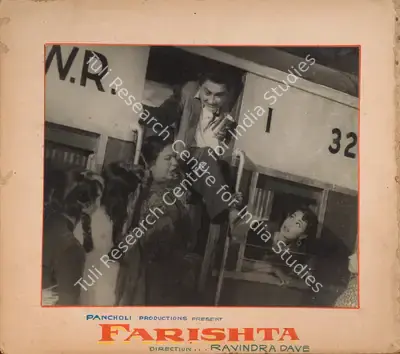
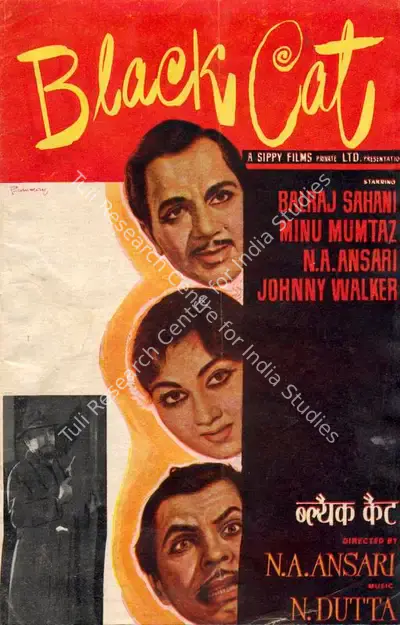
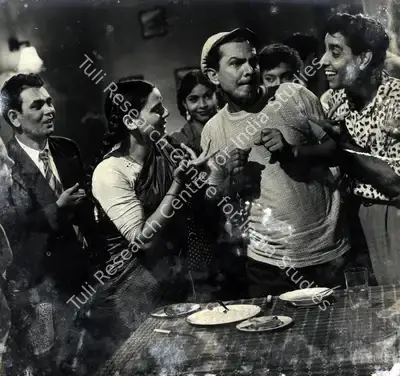
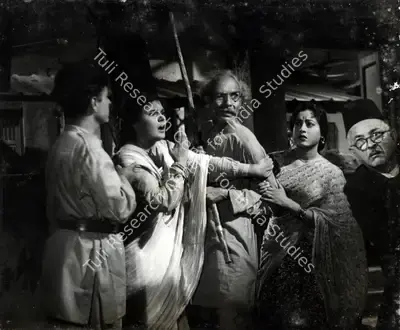
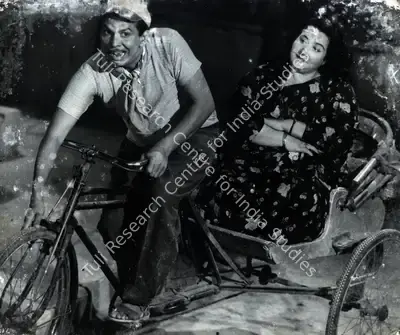
Akhtar's migration to Bombay in 1949 marked the beginning of his cinematic career. There, he engaged with prominent literary figures such as Mulk Raj Anand, Krishan Chander, Rajinder Singh Bedi, and Ismat Chughtai, collectively associated with the “Bombay Group of Writers.” His breakthrough in cinema came with Yasmin (1955), followed by enduring collaborations with composers such as C. Ramchandra, O. P. Nayyar, N. Datta, Khayyam, and Madan Mohan. His lyrics—featured in films such as CID (1956), Prem Parbat (1974), and Noorie (1979)—remain notable for their lyrical depth and emotional resonance.
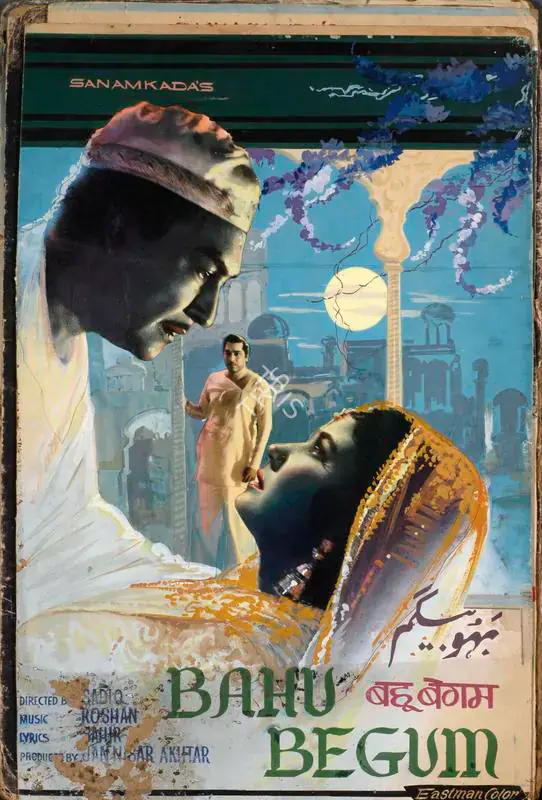
Beyond lyric writing, Akhtar also produced the film Bahu Begum (1967). His collection Khaak-e-Dil, encompassing poems from 1935 to 1970, earned him the Sahitya Akademi Award in 1976. He was also commissioned by Jawaharlal Nehru to compile a representative anthology of Hindustani poetry, later published as Hindustan Hamara and released by Indira Gandhi.
Akhtar passed away in Bombay in 1976 while working on Razia Sultan, leaving behind a rich literary and cinematic legacy that continues to inform the cultural imagination of modern South Asia.
प्रतिष्ठित कवियों के ख़ानदान में जन्मे, वे मुज़तर खैराबादी के पुत्र और फ़ज़ल-ए-हक खैराबादी के परपोते थे। अख़्तर ने अपनी प्रारंभिक शिक्षा ग्वालियर में प्राप्त की और बाद में अलीगढ़ मुस्लिम विश्वविद्यालय में दाखिला लिया, जहाँ उन्होंने बी.ए. (ऑनर्स) और एम.ए. की उपाधि प्राप्त की, हालांकि आर्थिक तंगी के कारण वे डॉक्टरेट की पढ़ाई पूरी नहीं कर सके।
1943 में, उन्होंने प्रसिद्ध कवि मजाज़ की बहन सफ़िया से विवाह किया। सफ़िया एक शिक्षिका थीं और उन्होंने अख़्तर के शुरुआती आर्थिक रूप से अस्थिर वर्षों के दौरान परिवार का भरण-पोषण किया। उनके लंबे समय तक अलग रहने के दौरान, अख़्तर फ़िल्म लेखन में अपना करियर बनाने के लिए बॉम्बे चले गए, जिससे व्यक्तिगत पत्रों का एक उल्लेखनीय संग्रह तैयार हुआ, जिसे बाद में 'हर्फ़-ए-आश्ना' और ' ज़ेर-ए-लब' के रूप में प्रकाशित किया गया और असगर वजाहत द्वारा 'तुम्हारे नाम' शीर्षक से हिंदी में अनुवाद किया गया। 1953 में सफ़िया की असामयिक मृत्यु अख़्तर के लिए एक महत्वपूर्ण व्यक्तिगत क्षति थी; अख़्तर ने 1956 में फ़िर से शादी किया।
1949 में अख़्तर का बॉम्बे में प्रवास से उनके फ़िल्मी करियर की शुरुआत हुई। वहाँ उन्होंने मुल्क राज आनंद, कृष्ण चंदर, राजिंदर सिंह बेदी और इस्मत चुगताई जैसे प्रख्यात साहित्यकारों के साथ काम किया, जो सामूहिक रूप से "बॉम्बे ग्रुप ऑफ राइटर्स" से जुड़े थे। सिनेमा में उनकी सफलता फ़िल्म 'यास्मीन' (1955) से मिली, जिसके बाद उन्होंने सी. रामचंद्र, ओ. पी. नैयर, एन. दत्ता, खय्याम और मदन मोहन जैसे संगीतकारों के साथ लंबे समय तक काम किया। उनकी रचे गीत जो 'सीआईडी' (1956), 'प्रेम पर्वत' (1974) और 'नूरी' (1979) जैसी फ़िल्मों में दिखाई दी। अपनी गीतात्मक गहराई और भावनात्मक प्रभाव के लिए आज भी उल्लेखनीय हैं।
गीत लेखन के अलावा, अख़्तर ने फ़िल्म बहू बेगम (1967) का निर्माण भी किया। 1935 से 1970 तक की कविताओं को संकलित करने वाले उनके संग्रह ख़ाक-ए-दिल के लिए उन्हें 1976 में साहित्य अकादमी पुरस्कार से सम्मानित किया गया। जवाहरलाल नेहरू ने उन्हें हिंदुस्तानी कविता का एक प्रतिनिधि संकलन तैयार करने का कार्य सौंपा था, जिसे बाद में हिंदुस्तान हमारा के रूप में प्रकाशित किया गया और इंदिरा गांधी द्वारा इसका विमोचन किया गया।
अख़्तर का निधन 1976 में बॉम्बे में रज़िया सुल्तान पर काम करते समय हुआ था, और वे अपने पीछे एक समृद्ध साहित्यिक और सिनेमाई विरासत छोड़ गए हैं जो आधुनिक दक्षिण एशिया की सांस्कृतिक कल्पना को लगातार प्रभावित करती रहती है।