Gulzar
Gulzar has come to occupy a place among the most illustrious literary and cinematic sensibilities that modern India has produced. As poet, lyricist, litterateur, screenwriter, and director working chiefly in Urdu, he has left an indelible imprint upon the idiom of Hindi cinema, wedding to it a literary refinement, an emotional subtlety, and a philosophical gravity rarely achieved within the popular form.
Born Sampooran Singh Kalra in Dina, in the Jhelum district of an as-yet-undivided India, he emerged as one of Indian cinema's most poetic voices, celebrated in equal measure as a lyricist, screenwriter, and director whose work is marked by lyrical depth and emotional restraint.
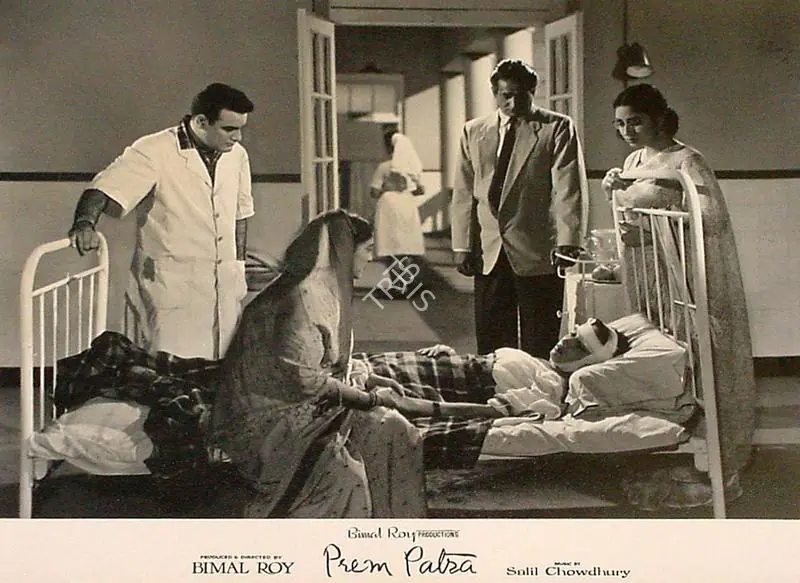
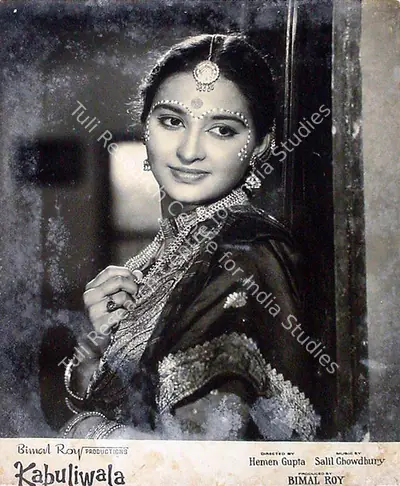
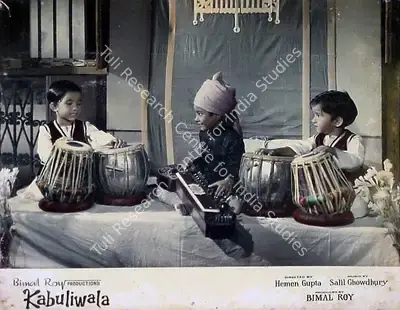
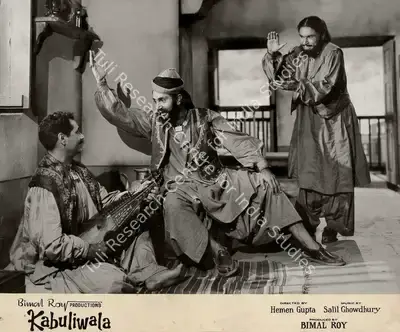
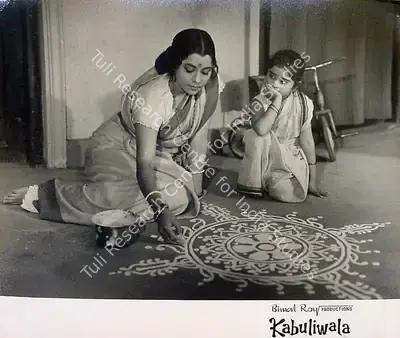
The cataclysm of Partition proved a decisive and irrevocable turn in the trajectory of his life. His family scattered in its wake, and the young Sampooran Singh was compelled to relinquish his studies and journey to Bombay, there to assume the burden of his household's sustenance. A succession of humble occupations followed, among them employment at a garage, where his task was the blending of paint to restore the disfigured bodies of automobiles — a discipline of colour which, as he would later reflect, quietly honed the aesthetic instincts that were to define his art. It was in these years, too, that he gave himself over to literature in earnest, finding in the translated verse of Rabindranath Tagore and in his association with the Progressive Writers' Movement a wellspring of formative influence. Encouraged, in the course of that movement's gatherings, by the poet Shailendra and the filmmaker Bimal Roy, he was drawn into the world of cinema, upon which he would leave a lasting mark.
Gulzar began his career as a lyricist in the 1963 film Bandini under the music direction of S. D. Burman, writing the evocative song Mora Gora Ang Layle sung by Lata Mangeshkar. His early collaborations with filmmakers such as Bimal Roy and Hrishikesh Mukherjee introduced him to a creative environment deeply rooted in literary sensibilities. He soon emerged as one of the most distinctive lyricists in Hindi cinema. Songs such as Humne Dekhi Hai Un Aankhon Ki Mehekti Khushboo from Khamoshi and the prayer Humko Man Ki Shakti Dena from Guddi revealed his daring poetic style, marked by an imaginative blending of sensory imagery.
Across decades, Gulzar forged enduring partnerships with some of India's greatest composers, including Rahul Dev Burman, Salil Chowdhury, Madan Mohan, Vishal Bhardwaj and A. R. Rahman. His lyrics enriched landmark films such as Anand, Maachis, Omkara, Kaminey, Dil Se.. and Guru. The global success of Slumdog Millionaire brought him international recognition when he and A. R. Rahman won the Academy Award and the Grammy Award for the song Jai Ho.
As a filmmaker, Gulzar made his directorial debut with Mere Apne in 1971 and went on to create a series of thoughtful and socially perceptive films including Parichay, Koshish, Achanak, Aandhi, Khushboo, Mausam and the celebrated comedy Angoor. His television series Mirza Ghalib further demonstrated his ability to translate literary heritage to the screen with sensitivity and grace.
Parallel to his cinematic work, Gulzar has remained a prolific writer of poetry and prose. His collections such as Chand Pukhraaj Ka, Raat Pashminey Ki and Pandrah Paanch Pachattar, along with the short story volume Raavi Paar, reaffirm his stature as a major contemporary Urdu poet.
Gulzar occupies a singular place in the annals of Hindustani letters as perhaps the first poet-lyricist to embrace blank verse as his chosen mode, both in poetry and in film lyric alike. His ascent to eminence was swift and enduring, his appeal spanning generations — cherished by the old, yet claimed with particular fervour by the young. Of his mastery over blank verse, the critics observe that Gulzar possessed the rare gift of honing a single thought to its utmost potency, until it struck the reader with something approaching physical force; working within the deceptive simplicity of Hindustani blank verse, he ventured into terrain hitherto unwritten, giving voice, among other things, to the shadowed underbelly of Mumbai itself.
His extraordinary body of work has been crowned with honours in abundance: five National Film Awards, twenty-two Filmfare Awards, the Sahitya Akademi Award, the Padma Bhushan, and the Dadasaheb Phalke Award. In 2024, he was conferred the Jnanpith Award — India's most exalted literary distinction — a crowning recognition that affirmed, once and for all, his stature as among the most influential creative minds in the cultural history of modern India.
https://en.wikipedia.org/wiki/Gulzar
https://timesofindia.indiatimes.com/life-style/books/interviews/let-partition-remain-in-history-gulzar/articleshow/62120472.cms
https://www.firstpost.com/entertainment/gulzar-says-his-novel-on-partition-has-stories-of-how-life-planted-refugees-all-over-the-world-4235267.html
https://www.thehindu.com/features/metroplus/festival-diary-day-1/article5569955.ece#google_vignette
Born Sampooran Singh Kalra in Dina, in the Jhelum district of an as-yet-undivided India, he emerged as one of Indian cinema's most poetic voices, celebrated in equal measure as a lyricist, screenwriter, and director whose work is marked by lyrical depth and emotional restraint.
The cataclysm of Partition proved a decisive and irrevocable turn in the trajectory of his life. His family scattered in its wake, and the young Sampooran Singh was compelled to relinquish his studies and journey to Bombay, there to assume the burden of his household's sustenance. A succession of humble occupations followed, among them employment at a garage, where his task was the blending of paint to restore the disfigured bodies of automobiles — a discipline of colour which, as he would later reflect, quietly honed the aesthetic instincts that were to define his art. It was in these years, too, that he gave himself over to literature in earnest, finding in the translated verse of Rabindranath Tagore and in his association with the Progressive Writers' Movement a wellspring of formative influence. Encouraged, in the course of that movement's gatherings, by the poet Shailendra and the filmmaker Bimal Roy, he was drawn into the world of cinema, upon which he would leave a lasting mark.
Gulzar began his career as a lyricist in the 1963 film Bandini under the music direction of S. D. Burman, writing the evocative song Mora Gora Ang Layle sung by Lata Mangeshkar. His early collaborations with filmmakers such as Bimal Roy and Hrishikesh Mukherjee introduced him to a creative environment deeply rooted in literary sensibilities. He soon emerged as one of the most distinctive lyricists in Hindi cinema. Songs such as Humne Dekhi Hai Un Aankhon Ki Mehekti Khushboo from Khamoshi and the prayer Humko Man Ki Shakti Dena from Guddi revealed his daring poetic style, marked by an imaginative blending of sensory imagery.
Across decades, Gulzar forged enduring partnerships with some of India's greatest composers, including Rahul Dev Burman, Salil Chowdhury, Madan Mohan, Vishal Bhardwaj and A. R. Rahman. His lyrics enriched landmark films such as Anand, Maachis, Omkara, Kaminey, Dil Se.. and Guru. The global success of Slumdog Millionaire brought him international recognition when he and A. R. Rahman won the Academy Award and the Grammy Award for the song Jai Ho.
As a filmmaker, Gulzar made his directorial debut with Mere Apne in 1971 and went on to create a series of thoughtful and socially perceptive films including Parichay, Koshish, Achanak, Aandhi, Khushboo, Mausam and the celebrated comedy Angoor. His television series Mirza Ghalib further demonstrated his ability to translate literary heritage to the screen with sensitivity and grace.
Parallel to his cinematic work, Gulzar has remained a prolific writer of poetry and prose. His collections such as Chand Pukhraaj Ka, Raat Pashminey Ki and Pandrah Paanch Pachattar, along with the short story volume Raavi Paar, reaffirm his stature as a major contemporary Urdu poet.
Gulzar occupies a singular place in the annals of Hindustani letters as perhaps the first poet-lyricist to embrace blank verse as his chosen mode, both in poetry and in film lyric alike. His ascent to eminence was swift and enduring, his appeal spanning generations — cherished by the old, yet claimed with particular fervour by the young. Of his mastery over blank verse, the critics observe that Gulzar possessed the rare gift of honing a single thought to its utmost potency, until it struck the reader with something approaching physical force; working within the deceptive simplicity of Hindustani blank verse, he ventured into terrain hitherto unwritten, giving voice, among other things, to the shadowed underbelly of Mumbai itself.
His extraordinary body of work has been crowned with honours in abundance: five National Film Awards, twenty-two Filmfare Awards, the Sahitya Akademi Award, the Padma Bhushan, and the Dadasaheb Phalke Award. In 2024, he was conferred the Jnanpith Award — India's most exalted literary distinction — a crowning recognition that affirmed, once and for all, his stature as among the most influential creative minds in the cultural history of modern India.
https://en.wikipedia.org/wiki/Gulzar
https://timesofindia.indiatimes.com/life-style/books/interviews/let-partition-remain-in-history-gulzar/articleshow/62120472.cms
https://www.firstpost.com/entertainment/gulzar-says-his-novel-on-partition-has-stories-of-how-life-planted-refugees-all-over-the-world-4235267.html
https://www.thehindu.com/features/metroplus/festival-diary-day-1/article5569955.ece#google_vignette
आधुनिक भारत की सबसे शानदार साहित्यिक और सिनेमाई प्रतिभाओं में गुलज़ार का नाम प्रमुखता से लिया जाता है। मुख्य रूप से उर्दू में काम करने वाले कवि, गीतकार, साहित्यकार, पटकथा लेखक और निर्देशक के तौर पर उन्होंने हिंदी सिनेमा की भाषा-शैली पर गहरी छाप छोड़ी है। उन्होंने इसमें साहित्यिक नज़ाकत, भावनाओं की बारीकी और दार्शनिक गहराई का ऐसा संगम किया है, जो आम तौर पर लोकप्रिय सिनेमा में कम ही देखने को मिलता है।
अविभाजित भारत के झेलम ज़िले के दीना में जन्मे संपूर्ण सिंह कालरा, भारतीय सिनेमा की सबसे काव्यात्मक आवाज़ों में से एक के रूप में जाने जाने लगे। एक गीतकार, पटकथा लेखक और निर्देशक के तौर पर उन्हें समान रूप से सराहा गया। उनके काम में गीतों की गहराई और भावनाओं पर संयम साफ़ झलकता है।
बंटवारे की त्रासदी उनके जीवन की दिशा में एक निर्णायक और कभी न बदलने वाला मोड़ साबित हुई। इसके कारण उनका परिवार बिखर गया और युवा संपूर्ण सिंह को अपनी पढ़ाई छोड़कर मुंबई जाना पड़ा, ताकि वे घर-परिवार चलाने की ज़िम्मेदारी उठा सकें। इसके बाद उन्होंने कई छोटे-मोटे काम किए, जिनमें एक गैराज में नौकरी भी शामिल थी। वहाँ उनका काम गाड़ियों की खराब बॉडी को ठीक करने के लिए पेंट मिलाना था। रंगों की यह समझ, जैसा कि उन्होंने बाद में महसूस किया, चुपचाप उनकी कलात्मक समझ को निखार रही थी, जिसने आगे चलकर उनकी कला को एक नई पहचान दी। इन्हीं सालों में उन्होंने पूरी गंभीरता से साहित्य की ओर रुख़ किया। रवींद्रनाथ टैगोर की कविताओं के अनुवाद और 'प्रोग्रेसिव राइटर्स मूवमेंट' (प्रगतिशील लेखक संघ) से जुड़कर उन्हें अपनी कला को गढ़ने की बड़ी प्रेरणा मिली। उस आंदोलन की बैठकों में कवि शैलेंद्र और फ़िल्मकार बिमल रॉय से मिले प्रोत्साहन के बाद, वे आख़िरकार सिनेमा की दुनिया से जुड़ गए, जिस पर उन्होंने अपनी अमिट छाप छोड़ी।
गुलज़ार ने 1963 की फ़िल्म 'बंदिनी' में एस. डी. बर्मन के संगीत निर्देशन में गीतकार के तौर पर अपना करियर शुरू किया। उन्होंने लता मंगेशकर द्वारा गाया गया यादगार गीत 'मोरा गोरा अंग लैले' लिखा। बिमल रॉय और ऋषिकेश मुखर्जी जैसे फ़िल्मकारों के साथ उनके शुरुआती काम ने उन्हें साहित्य की समझ वाले रचनात्मक माहौल से जोड़ा। जल्द ही वे हिंदी सिनेमा के सबसे ख़ास गीतकारों में से एक बन गए। 'ख़ामोश' फ़िल्म का गाना 'हमने देखी है उन आँखों की महकती ख़ुशबू' और 'गुड्डी' फ़िल्म की प्रार्थना 'हमको मन की शक्ति देना' जैसे गानों ने उनके साहसी और कल्पनाशील काव्य-अंदाज़ को दिखाया, जिसमें इंद्रियों को छूने वाले बिंबों का अनूठा मेल था।
कई दशकों तक, गुलज़ार ने भारत के कुछ महान संगीतकारों जैसे राहुल देव बर्मन, सलिल चौधरी, मदन मोहन, विशाल भारद्वाज और ए. आर. रहमान के साथ काम किया। उनके गीतों ने 'आनंद', 'माचिस', 'ओमकारा', 'कमीने', 'दिल से..' और 'गुरु' जैसी यादगार फ़िल्मों को और बेहतर बनाया। 'स्लमडॉग मिलियनेयर' की वैश्विक सफलता ने उन्हें अंतरराष्ट्रीय पहचान दिलाई, जब उन्हें और ए. आर. रहमान को 'जय हो' गाने के लिए अकादमी अवॉर्ड और ग्रैमी अवॉर्ड मिला।
एक फ़िल्मकार के तौर पर, गुलज़ार ने 1971 में 'मेरे अपने' से निर्देशन की शुरुआत की और कई विचारशील और सामाजिक समझ वाली फ़िल्में बनाईं, जिनमें 'परिचय', 'कोशिश', 'अचानक', 'आंधी', 'खुशबू', 'मौसम' और मशहूर कॉमेडी फ़िल्म 'अंगूर' शामिल हैं। उनकी टेलीविज़न सीरीज़ 'मिर्ज़ा ग़ालिब' ने यह भी दिखाया कि वे साहित्यिक विरासत को कितनी संवेदनशीलता और ख़ूबसूरती से पर्दे पर उतार सकते हैं।
फ़िल्मों में अपने काम के साथ-साथ, गुलज़ार कविता और गद्य के भी बहुत अच्छे लेखक रहे हैं। 'चांद पुखराज का', 'रात पश्मीने की' और 'पंद्रह पांच पचहत्तर' जैसे उनके कविता-संग्रह, और साथ ही लघु-कथाओं की किताब 'रावी पार', एक बड़े समकालीन उर्दू कवि के तौर पर उनकी पहचान को और पक्का करते हैं।
हिंदुस्तानी साहित्य के इतिहास में गुलज़ार का एक ख़ास स्थान है। वे शायद पहले ऐसे कवि-गीतकार थे जिन्होंने कविता और फ़िल्मी गीतों, दोनों में ही 'ब्लैंक वर्स' (बिना तुकबंदी वाली कविता) को अपनी शैली के तौर पर अपनाया। वे तेज़ी से मशहूर हुए और उनकी लोकप्रियता लंबे समय तक बनी रही। उन्हें हर पीढ़ी के लोग पसंद करते थे। बुज़ुर्गों के बीच तो वे लोकप्रिय थे ही, युवा भी उन्हें पूरे जोश के साथ अपना मानते थे। 'ब्लैंक वर्स' पर उनकी महारत के बारे में आलोचकों का कहना है कि गुलज़ार में किसी एक विचार को उसकी पूरी ताक़त तक निखारने का अनोखा हुनर था, जिससे वह विचार पाठक पर किसी शारीरिक चोट की तरह असर करता था। हिंदुस्तानी 'ब्लैंक वर्स' की देखने में सरल लगने वाली शैली में काम करते हुए, उन्होंने ऐसे विषयों पर लिखा जिन पर पहले कभी नहीं लिखा गया था। उन्होंने मुंबई के उस छिपे हुए और अंधेरे पहलू को भी आवाज़ दी, जिस पर आम तौर पर बात नहीं होती थी।
उनके शानदार काम के लिए उन्हें कई सम्मान मिले हैं। पाँच नेशनल फ़िल्म अवॉर्ड, बाईस फ़िल्मफ़ेयर अवॉर्ड, साहित्य अकादमी अवॉर्ड, पद्म भूषण और दादा साहब फाल्के अवॉर्ड। 2024 में उन्हें ज्ञानपीठ अवॉर्ड से सम्मानित किया गया, जो भारत का सबसे बड़ा साहित्यिक सम्मान है। इस सम्मान ने हमेशा के लिए यह साबित कर दिया कि आधुनिक भारत के सांस्कृतिक इतिहास में वे सबसे प्रभावशाली रचनात्मक लोगों में से एक हैं।
स्रोत:
https://en.wikipedia.org/wiki/Gulzar
https://timesofindia.indiatimes.com/life-style/books/interviews/let-partition-remain-in-history-gulzar/articleshow/62120472.cms
https://www.firstpost.com/entertainment/gulzar-says-his-novel-on-partition-has-stories-of-how-life-planted-refugees-all-over-the-world-4235267.html
https://www.thehindu.com/features/metroplus/festival-diary-day-1/article5569955.ece#google_vignette
अविभाजित भारत के झेलम ज़िले के दीना में जन्मे संपूर्ण सिंह कालरा, भारतीय सिनेमा की सबसे काव्यात्मक आवाज़ों में से एक के रूप में जाने जाने लगे। एक गीतकार, पटकथा लेखक और निर्देशक के तौर पर उन्हें समान रूप से सराहा गया। उनके काम में गीतों की गहराई और भावनाओं पर संयम साफ़ झलकता है।
बंटवारे की त्रासदी उनके जीवन की दिशा में एक निर्णायक और कभी न बदलने वाला मोड़ साबित हुई। इसके कारण उनका परिवार बिखर गया और युवा संपूर्ण सिंह को अपनी पढ़ाई छोड़कर मुंबई जाना पड़ा, ताकि वे घर-परिवार चलाने की ज़िम्मेदारी उठा सकें। इसके बाद उन्होंने कई छोटे-मोटे काम किए, जिनमें एक गैराज में नौकरी भी शामिल थी। वहाँ उनका काम गाड़ियों की खराब बॉडी को ठीक करने के लिए पेंट मिलाना था। रंगों की यह समझ, जैसा कि उन्होंने बाद में महसूस किया, चुपचाप उनकी कलात्मक समझ को निखार रही थी, जिसने आगे चलकर उनकी कला को एक नई पहचान दी। इन्हीं सालों में उन्होंने पूरी गंभीरता से साहित्य की ओर रुख़ किया। रवींद्रनाथ टैगोर की कविताओं के अनुवाद और 'प्रोग्रेसिव राइटर्स मूवमेंट' (प्रगतिशील लेखक संघ) से जुड़कर उन्हें अपनी कला को गढ़ने की बड़ी प्रेरणा मिली। उस आंदोलन की बैठकों में कवि शैलेंद्र और फ़िल्मकार बिमल रॉय से मिले प्रोत्साहन के बाद, वे आख़िरकार सिनेमा की दुनिया से जुड़ गए, जिस पर उन्होंने अपनी अमिट छाप छोड़ी।
गुलज़ार ने 1963 की फ़िल्म 'बंदिनी' में एस. डी. बर्मन के संगीत निर्देशन में गीतकार के तौर पर अपना करियर शुरू किया। उन्होंने लता मंगेशकर द्वारा गाया गया यादगार गीत 'मोरा गोरा अंग लैले' लिखा। बिमल रॉय और ऋषिकेश मुखर्जी जैसे फ़िल्मकारों के साथ उनके शुरुआती काम ने उन्हें साहित्य की समझ वाले रचनात्मक माहौल से जोड़ा। जल्द ही वे हिंदी सिनेमा के सबसे ख़ास गीतकारों में से एक बन गए। 'ख़ामोश' फ़िल्म का गाना 'हमने देखी है उन आँखों की महकती ख़ुशबू' और 'गुड्डी' फ़िल्म की प्रार्थना 'हमको मन की शक्ति देना' जैसे गानों ने उनके साहसी और कल्पनाशील काव्य-अंदाज़ को दिखाया, जिसमें इंद्रियों को छूने वाले बिंबों का अनूठा मेल था।
कई दशकों तक, गुलज़ार ने भारत के कुछ महान संगीतकारों जैसे राहुल देव बर्मन, सलिल चौधरी, मदन मोहन, विशाल भारद्वाज और ए. आर. रहमान के साथ काम किया। उनके गीतों ने 'आनंद', 'माचिस', 'ओमकारा', 'कमीने', 'दिल से..' और 'गुरु' जैसी यादगार फ़िल्मों को और बेहतर बनाया। 'स्लमडॉग मिलियनेयर' की वैश्विक सफलता ने उन्हें अंतरराष्ट्रीय पहचान दिलाई, जब उन्हें और ए. आर. रहमान को 'जय हो' गाने के लिए अकादमी अवॉर्ड और ग्रैमी अवॉर्ड मिला।
एक फ़िल्मकार के तौर पर, गुलज़ार ने 1971 में 'मेरे अपने' से निर्देशन की शुरुआत की और कई विचारशील और सामाजिक समझ वाली फ़िल्में बनाईं, जिनमें 'परिचय', 'कोशिश', 'अचानक', 'आंधी', 'खुशबू', 'मौसम' और मशहूर कॉमेडी फ़िल्म 'अंगूर' शामिल हैं। उनकी टेलीविज़न सीरीज़ 'मिर्ज़ा ग़ालिब' ने यह भी दिखाया कि वे साहित्यिक विरासत को कितनी संवेदनशीलता और ख़ूबसूरती से पर्दे पर उतार सकते हैं।
फ़िल्मों में अपने काम के साथ-साथ, गुलज़ार कविता और गद्य के भी बहुत अच्छे लेखक रहे हैं। 'चांद पुखराज का', 'रात पश्मीने की' और 'पंद्रह पांच पचहत्तर' जैसे उनके कविता-संग्रह, और साथ ही लघु-कथाओं की किताब 'रावी पार', एक बड़े समकालीन उर्दू कवि के तौर पर उनकी पहचान को और पक्का करते हैं।
हिंदुस्तानी साहित्य के इतिहास में गुलज़ार का एक ख़ास स्थान है। वे शायद पहले ऐसे कवि-गीतकार थे जिन्होंने कविता और फ़िल्मी गीतों, दोनों में ही 'ब्लैंक वर्स' (बिना तुकबंदी वाली कविता) को अपनी शैली के तौर पर अपनाया। वे तेज़ी से मशहूर हुए और उनकी लोकप्रियता लंबे समय तक बनी रही। उन्हें हर पीढ़ी के लोग पसंद करते थे। बुज़ुर्गों के बीच तो वे लोकप्रिय थे ही, युवा भी उन्हें पूरे जोश के साथ अपना मानते थे। 'ब्लैंक वर्स' पर उनकी महारत के बारे में आलोचकों का कहना है कि गुलज़ार में किसी एक विचार को उसकी पूरी ताक़त तक निखारने का अनोखा हुनर था, जिससे वह विचार पाठक पर किसी शारीरिक चोट की तरह असर करता था। हिंदुस्तानी 'ब्लैंक वर्स' की देखने में सरल लगने वाली शैली में काम करते हुए, उन्होंने ऐसे विषयों पर लिखा जिन पर पहले कभी नहीं लिखा गया था। उन्होंने मुंबई के उस छिपे हुए और अंधेरे पहलू को भी आवाज़ दी, जिस पर आम तौर पर बात नहीं होती थी।
उनके शानदार काम के लिए उन्हें कई सम्मान मिले हैं। पाँच नेशनल फ़िल्म अवॉर्ड, बाईस फ़िल्मफ़ेयर अवॉर्ड, साहित्य अकादमी अवॉर्ड, पद्म भूषण और दादा साहब फाल्के अवॉर्ड। 2024 में उन्हें ज्ञानपीठ अवॉर्ड से सम्मानित किया गया, जो भारत का सबसे बड़ा साहित्यिक सम्मान है। इस सम्मान ने हमेशा के लिए यह साबित कर दिया कि आधुनिक भारत के सांस्कृतिक इतिहास में वे सबसे प्रभावशाली रचनात्मक लोगों में से एक हैं।
स्रोत:
https://en.wikipedia.org/wiki/Gulzar
https://timesofindia.indiatimes.com/life-style/books/interviews/let-partition-remain-in-history-gulzar/articleshow/62120472.cms
https://www.firstpost.com/entertainment/gulzar-says-his-novel-on-partition-has-stories-of-how-life-planted-refugees-all-over-the-world-4235267.html
https://www.thehindu.com/features/metroplus/festival-diary-day-1/article5569955.ece#google_vignette
The whole holding
Research Centre
20 of 457


20 of 44
20 of 413