TRIS logo image
Search275,000+ actors, artists, objects, artworks, films, exhibitions, archives

EN

EN

English

HI

Hindi

EN

EN

English

HI

Hindi

Tuli Research Centre for India Studies

Tuli Research Centre for India Studies

Vision

Manifesto

Archive & Library

Vanraja Sanctuary & Hospice

Home

Research Categories

Browse All

ICore

1_CinemaEducation_Cinema as a Critical Educational Resource

2_FineArts_Modern and Contemporary Indian Fine Arts

3_Photography_Photography in India

4_PopCulture_The Printed Image, Popular Arts, and Crafts

IIMaterial

5_ArcHeritage_India's Architectural Heritage as Inspiration

6_EconomicsArt_Economics of Art & Cultural Industry

7_Travel_Automobile, Transport and Travel Heritage

8_Uncertainty_Uncertainty

IIICritical

9_SocialDuty_Social Responsibility of the Creative Mind

10_Childhood_The Changing Smile of Childhood & Its Second Coming

11_Sensuality_The Sensual Discipline within Creativity

12_Scholarship_The History & Historiography of Scholarship in the Arts, Humanities, and Social Sciences

IVMeaningful

13_SeekJustice_Seeking Justice and Political Integrity

14_IndoWorld_India and her Relationship with the World

15_SpiritualPoetics_The Religious-Spiritual-Poetic-Philosophical Framework

16_Continuum_The Animal-Human-Nature Continuum

Explore

All

Posts

Masterlists

Calendar

Live | Upcoming

All Events

Timetable

Search275,000+ actors, artists, objects, artworks, films, exhibitions, archives

EN

EN

English

HI

Hindi

Home/Deepa Mehta

Deepa Mehta

Deepa Mehta (born 15 September 1950) She is an Indian-born Canadian filmmaker, screenwriter, and producer whose work has profoundly shaped contemporary transnational cinema. Internationally celebrated for her Elements Trilogy—Fire (1996), Earth (1998), and Water (2005)—she has consistently examined questions of identity, gender, religious orthodoxy, displacement, and social injustice. Water, nominated for the Academy Award for Best Foreign Language Film, established Mehta as one of the foremost voices in world cinema.

Born in Amritsar, Punjab, close to the India–Pakistan border, Mehta grew up amid memories of Partition, an experience that profoundly influenced her artistic sensibility. Her family's subsequent move to New Delhi, where her father worked as a film distributor, exposed her to cinema from an early age. Educated at Welham Girls' School, Dehradun, and later at Lady Shri Ram College, University of Delhi, where she studied Philosophy, Mehta developed an enduring interest in intellectual inquiry and global cinema. The works of Satyajit Ray, Ritwik Ghatak, François Truffaut, Jean-Luc Godard, Yasujirō Ozu, and Kenji Mizoguchi significantly shaped her cinematic vision.

After beginning her career in India producing documentaries and educational films, Mehta relocated to Toronto in 1973 following her marriage to Canadian filmmaker Paul Saltzman. She later co-founded Sunrise Films with Saltzman and her brother, filmmaker Dilip Mehta, before establishing Hamilton-Mehta Productions with producer David Hamilton, whom she subsequently married. Her early documentaries received critical acclaim, while her feature debut, Sam & Me (1991), earned a Special Mention in the Caméra d'Or competition at the Cannes Film Festival. Her diverse body of work includes Bollywood/Hollywood, The Republic of Love, Heaven on Earth, Beeba Boys, Anatomy of Violence, and Funny Boy, the latter winning Canadian Screen Awards for Best Director and Best Adapted Screenplay.

Mehta's cinema is distinguished by its exploration of the intersections between Indian cultural traditions and Western modernity, reflecting her dual national identity and positioning her as a seminal transnational filmmaker. Her films have frequently challenged social conventions, provoking public debate while earning widespread critical recognition.

Her distinguished career has been honoured with numerous accolades, including the Governor General's Performing Arts Award for Lifetime Artistic Achievement, the Order of Ontario, and appointment as an Officer of the Order of Canada. She has also received Genie and Canadian Screen Awards, induction into Canada's Walk of Fame, and international honours recognizing both her artistic excellence and her unwavering commitment to freedom of expression, human rights, and socially engaged filmmaking.

दीपा मेहता (जन्म 15 सितंबर 1950) भारतीय मूल की कनाडाई फ़िल्म निर्माता, पटकथा लेखक और प्रोड्यूसर हैं, जिनके काम ने समकालीन ट्रांसनेशनल सिनेमा को गहराई से प्रभावित किया है। अपनी 'एलिमेंट्स ट्राइलॉजी' फ़ायर (1996), अर्थ (1998) और वॉटर (2005) के लिए अंतरराष्ट्रीय स्तर पर मशहूर दीपा मेहता ने पहचान, जेंडर, धार्मिक कट्टरता, विस्थापन और सामाजिक अन्याय जैसे मुद्दों पर लगातार काम किया है। 'वॉटर' फ़िल्म, जिसे बेस्ट फ़ॉरेन लैंग्वेज़ फ़िल्म के लिए एकेडमी अवॉर्ड के लिए नॉमिनेट किया गया था, ने उन्हें वर्ल्ड सिनेमा की प्रमुख आवाज़ों में से एक के तौर पर स्थापित किया।
पंजाब के अमृतसर में भारत-पाकिस्तान बॉर्डर के पास जन्मीं मेहता बंटवारे की यादों के बीच बड़ी हुईं। इस अनुभव ने उनकी कलात्मक सोच पर गहरा असर डाला। बाद में उनका परिवार नई दिल्ली आ गया, जहाँ उनके पिता फ़िल्म डिस्ट्रीब्यूटर थे, जिससे उन्हें कम उम्र में ही सिनेमा से जुड़ने का मौका मिला। देहरादून के वेलहम गर्ल्स स्कूल और बाद में दिल्ली यूनिवर्सिटी के लेडी श्रीराम कॉलेज में पढ़ाई के दौरान, जहाँ उन्होंने फ़िलॉसफ़ी की पढ़ाई की। मेहता की बौद्धिक खोज और ग्लोबल सिनेमा में गहरी दिलचस्पी पैदा हुई। सत्यजीत रे, ऋत्विक घटक, फ्रांस्वा त्रुफो, ज्याँ-ल्यूक गोडार्ड, यासुजिरो ओज़ू और केंजी मिज़ोगुची के कामों ने उनके सिनेमाई नज़रिए को काफ़ी हद तक आकार दिया।
भारत में डॉक्यूमेंट्री और एजुकेशनल फ़िल्में बनाने से अपना करियर शुरू करने के बाद, मेहता 1973 में कनाडाई फ़िल्ममेकर पॉल साल्ट्ज़मैन से शादी करके टोरंटो चली गईं। बाद में उन्होंने साल्ट्ज़मैन और अपने भाई, फ़िल्ममेकर दिलीप मेहता के साथ मिलकर 'सनराइज़ फ़िल्म्स' की शुरुआत की। इसके बाद उन्होंने प्रोड्यूसर डेविड हैमिल्टन के साथ 'हैमिल्टन-मेहता प्रोडक्शन्स' बनाई और बाद में उनसे शादी कर ली। उनकी शुरुआती डॉक्यूमेंट्रीज़ को काफ़ी तारीफ़ मिली, जबकि उनकी पहली फ़ीचर फ़िल्म 'सैम एंड मी' (1991) को कान फ़िल्म फ़ेस्टिवल में 'कैमेरा डी'ओर' (Caméra d'Or) कॉम्पिटिशन में 'स्पेशल मेंशन' मिला। उनके अलग-अलग तरह के कामों में 'बॉलीवुड/हॉलीवुड', 'द रिपब्लिक ऑफ़ लव', 'हेवन ऑन अर्थ', 'बीबा बॉयज़', 'एनाटॉमी ऑफ़ वायलेंस' और 'फ़नी बॉय' शामिल हैं। 'फ़नी बॉय' को बेस्ट डायरेक्टर और बेस्ट अडैप्टेड स्क्रीनप्ले के लिए कनाडाई स्क्रीन अवॉर्ड्स मिले।
मेहता का सिनेमा भारतीय सांस्कृतिक परंपराओं और पश्चिमी आधुनिकता के मेल-जोल को समझने के लिए जाना जाता है। यह उनकी दोहरी राष्ट्रीय पहचान को दिखाता है और उन्हें एक अहम ट्रांसनेशनल फ़िल्ममेकर के तौर पर स्थापित करता है। उनकी फ़िल्मों ने अक्सर सामाजिक रीति-रिवाजों को चुनौती दी है और लोगों के बीच बहस छेड़ी है, साथ ही उन्हें आलोचकों से भी काफ़ी सराहना मिली है।
उनके शानदार करियर को कई सम्मान मिले हैं, जिनमें 'लाइफ़टाइम आर्टिस्टिक अचीवमेंट' के लिए 'गवर्नर जनरल परफ़ॉर्मिंग आर्ट्स अवार्ड', 'ऑर्डर ऑफ़ ओंटारियो' और 'ऑर्डर ऑफ़ कनाडा' में 'ऑफ़िसर' के तौर पर नियुक्ति शामिल है। उन्हें 'जिनी' और 'कैनेडियन स्क्रीन अवार्ड्स' भी मिले हैं और उन्हें 'कनाडाज़ वॉक ऑफ़ फ़ेम' में भी शामिल किया गया है। साथ ही, उन्हें अभिव्यक्ति की आज़ादी, मानवाधिकारों और सामाजिक मुद्दों पर आधारित फ़िल्म-निर्माण के प्रति उनकी अटूट प्रतिबद्धता और उनकी कलात्मक उत्कृष्टता के लिए अंतरराष्ट्रीय सम्मान भी मिले हैं।
The whole holding
Scroll→

Research Centre

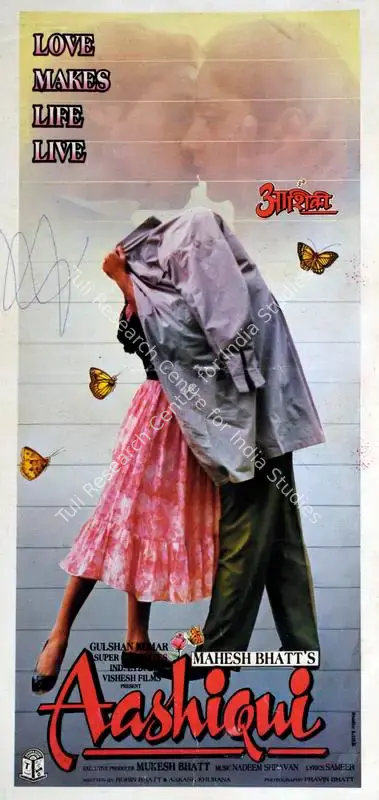
Gulshan Kumar (Producer), Aashiqui, 1990, Song-Synopsis Booklet
Kumar, Gulshan (Producer), Aashiqui, 1990 | Song-Synopsis Booklet
View full record
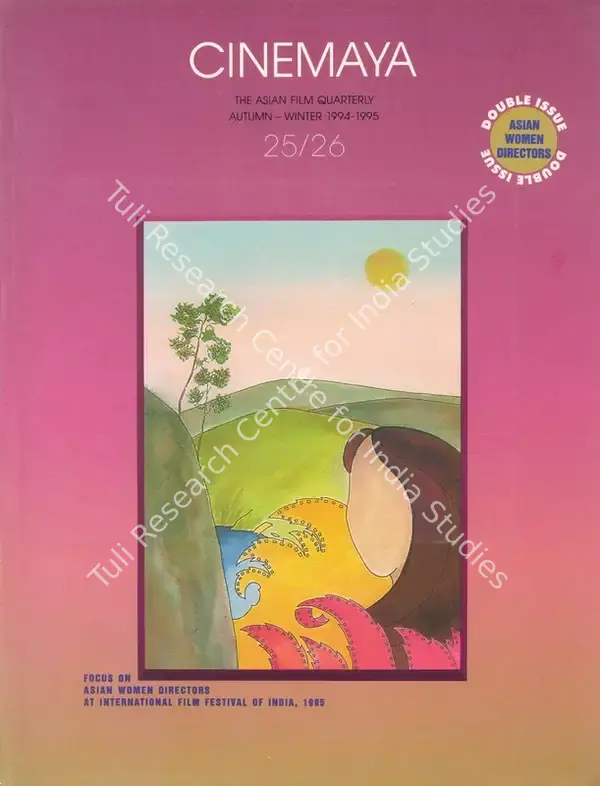
Aruna Vasudev (Editor), Cinemaya, 1994, Magazine
Vasudev, Aruna (Editor). Cinemaya, October1994-March 1995 | Magazine | 00551748
View full record
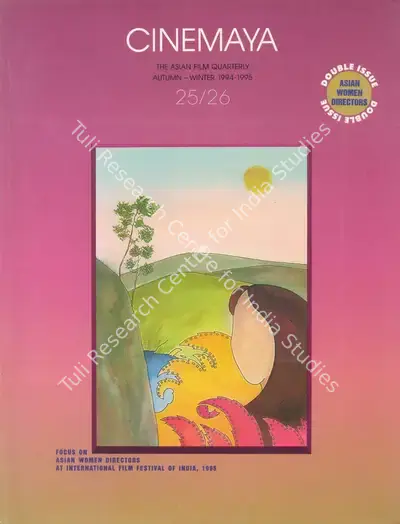
Aruna Vasudev (Editor), Cinemaya, 1994, Magazine
Vasudev, Aruna (Editor). Cinemaya, October1994-March 1995 | Magazine | 00551748
View full record
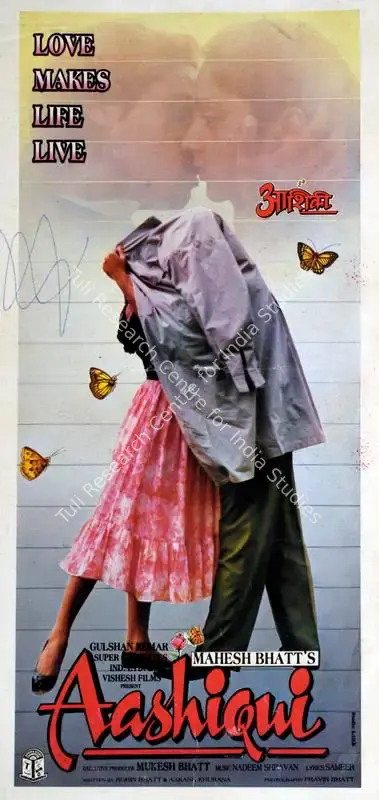
Gulshan Kumar (Producer), Aashiqui, 1990, Song-Synopsis Booklet
Kumar, Gulshan (Producer), Aashiqui, 1990 | Song-Synopsis Booklet
View full record
Tuli Research Centre for India Studies

Tuli Research Centre

for India Studies

A free and open knowledge base for the modern and contemporary Indian arts, cinema, photography and cultural heritage.

Support

Contact Us

Discover

Tuli Research Centre for India StudiesVisionManifestoArchive & LibraryVanraja Sanctuary & Hospice

Legal

Privacy PolicyTerms & Conditions

Follow us

Youtube

Youtube

Instagram

Instagram

Facebook

Facebook

© Tuli Research Centre for India Studies 2026

Tuli Research Centre for India Studies

Tuli Research Centre

for India Studies

A free and open knowledge base for the modern and contemporary Indian arts, cinema, photography and cultural heritage.

Tuli Research Centre for India StudiesVisionManifestoArchive & LibraryVanraja Sanctuary & Hospice
Contact Us
Privacy PolicyTerms & Conditions

Follow us

YoutubeInstagramFacebook

© Tuli Research Centre for India Studies 2026

              Vasudev, Aruna (Editor). Cinemaya - The Asian Film Magazine - Focus on Asian Women Directors at International Film Festival of India, 1995. 25-26(Autumn-Winter). New Delhi: Aruna Vasudev, October1994-March 1995 | Magazine | CinemaEducation | 00551748
              1 / 2
              2
              Aruna Vasudev (Editor)
              TitleCinemaya - The Asian Film Magazine - Focus on Asian Women Directors at International Film Festival of India, 1995
              Contributor(s)Aruna Vasudev, Paul Clark, Berenice Reynaud, Krishna Sen, Yves Thoraval, Partha Chatterjee, Sudhir Bose, Mohini Kent, Manjula Negi, Ken Ichi Okubo, Max Tessier, Noushabeh Amiri, Renee Tajima, See Kam Tan, Atilla Dorsay, Gonul Donmez Colin Colin, Marra P. L. Lanot, Ashley Ratnavibhushana, Massoud Mehrabi, Tyu Hyun Mi, Latika Padgaonkar, Maria Teresa Oldani, Jerry White, Philip Cheah, Umberto Rossi (Essayist)
              Document TypeMagazine
              PublisherAruna Vasudev, New Delhi
              Date of PublicationOctober1994-March 1995
              Volume25-26,IssueAutumn-Winter,Pages108
              BindingPB
              LanguageEnglish
              ISSN09708782
              Keywordswomen-directors | gurinder-chadha | mira-nair | deepa-mehta | periodicals-magazines | book-mag | library

              Research Categories

              1_CinemaEducation
              12_Scholarship

              View More in this Publication

              Essays (53)

              Related Links4

              Masterlist2
              Aruna VasudevPeriodicals Magazines
              Research Categories2
              01Cinema as a Critical Educational Resource12The History & Historiography of Scholarship in the Arts, Humanities, and Social Sciences