Basu Chatterjee
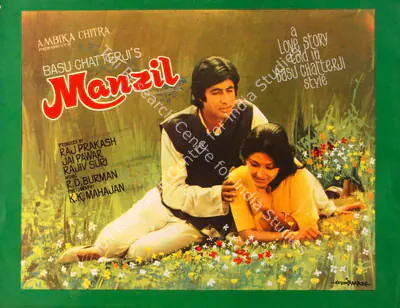
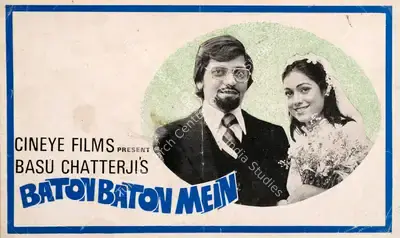
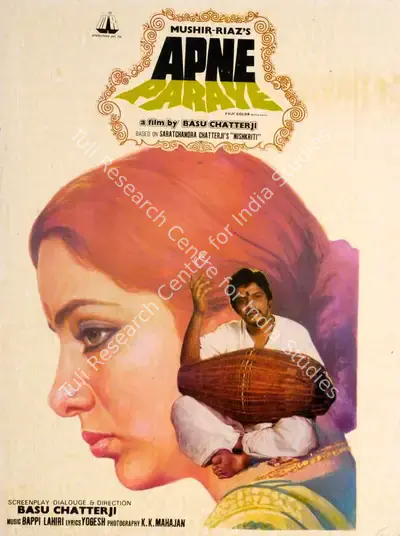
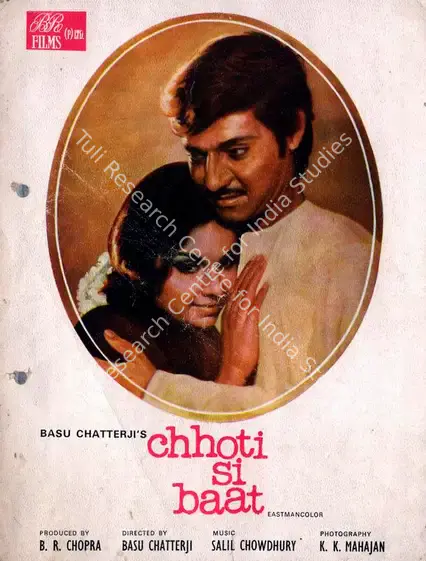
Basu Chatterjee (10 January 1927 – 4 June 2020) He was among the most influential filmmakers of post-independence Indian cinema, renowned for his sensitive and realistic portrayal of urban middle-class life. Working primarily in Hindi and Bengali cinema, Chatterjee emerged during the 1970s and 1980s as a major representative of middle cinema alongside filmmakers such as Hrishikesh Mukherjee and Basu Bhattacharya. His films occupied a distinctive space between mainstream commercial cinema and parallel art-house filmmaking, presenting understated narratives centred on everyday relationships, domestic anxieties, and the aspirations of India's expanding middle class.
Born in Ajmer into a Bengali family, Chatterjee belonged to a middle-class family and his upbringing deeply shaped his cinematic vision. In contrast to the glamour-oriented narratives dominant in mainstream Hindi cinema, his films focused on ordinary individuals negotiating love, marriage, family tensions, and social expectations in urban settings. His work became synonymous with warmth, simplicity, humour, and emotional authenticity.
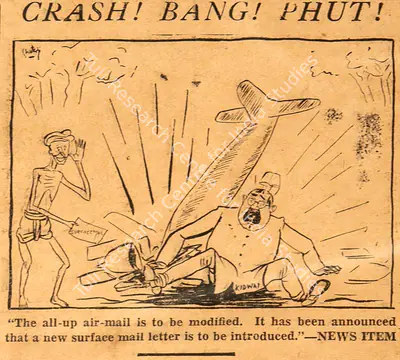
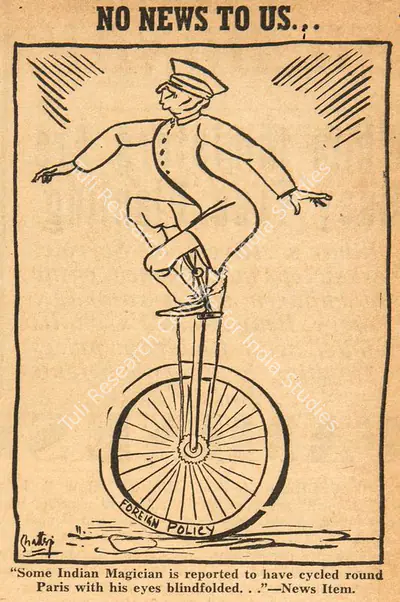
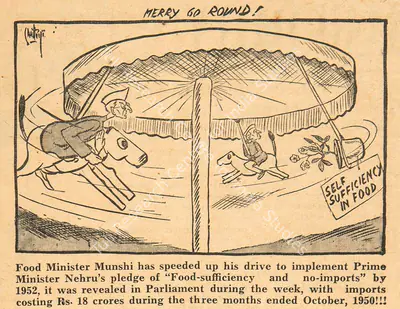
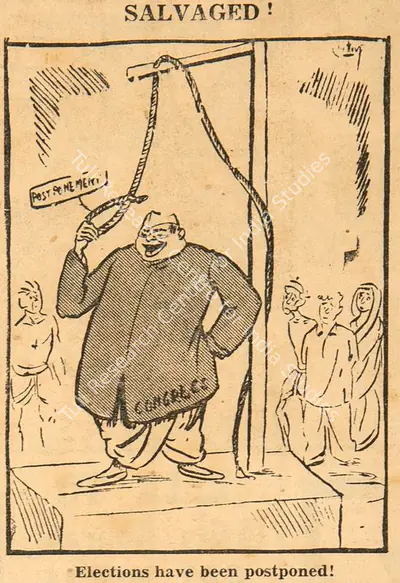
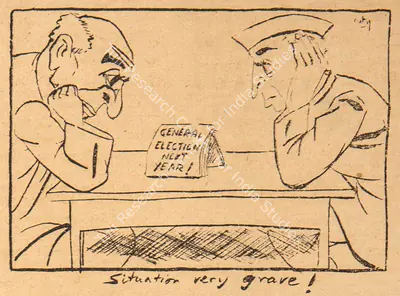
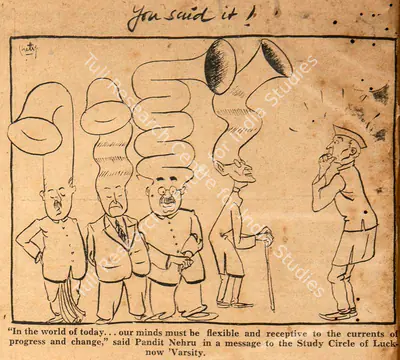
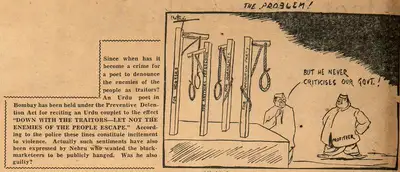
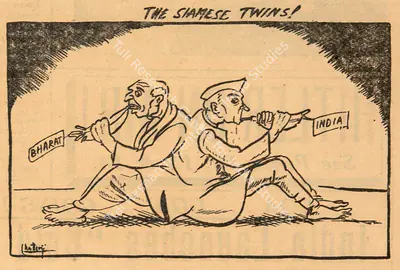
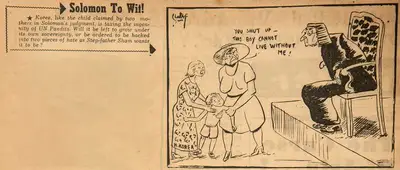
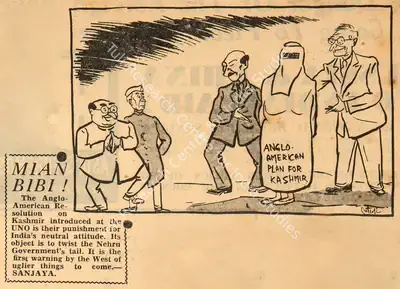
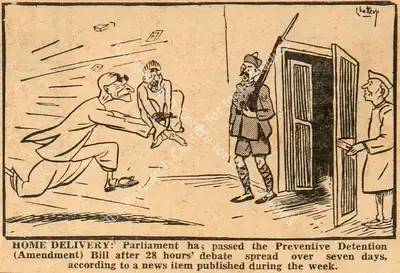
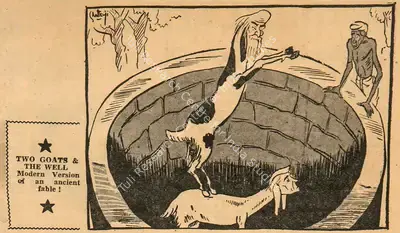
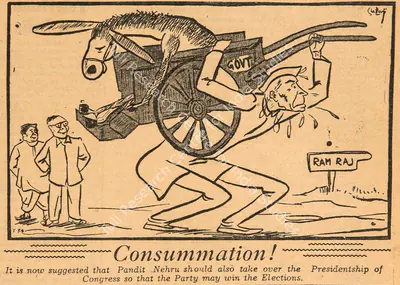
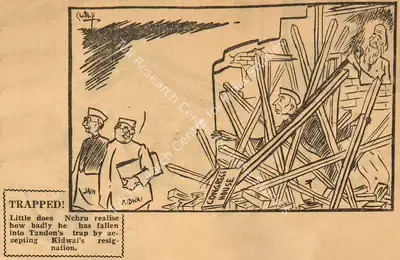
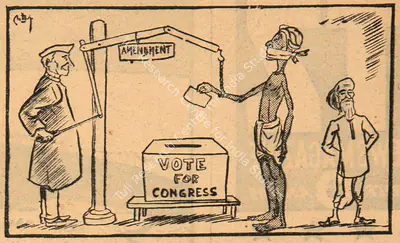
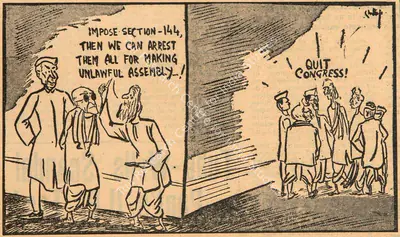
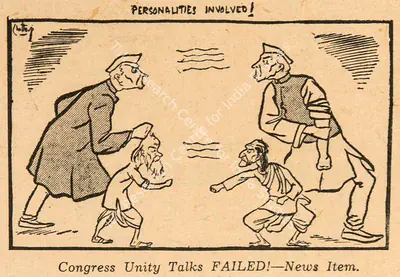
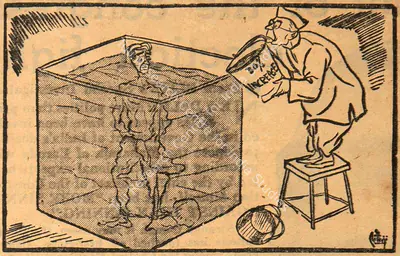
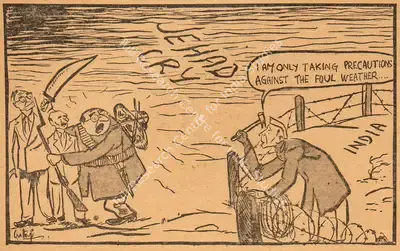
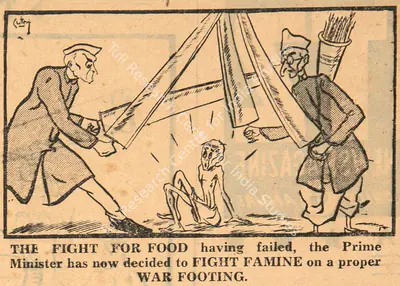
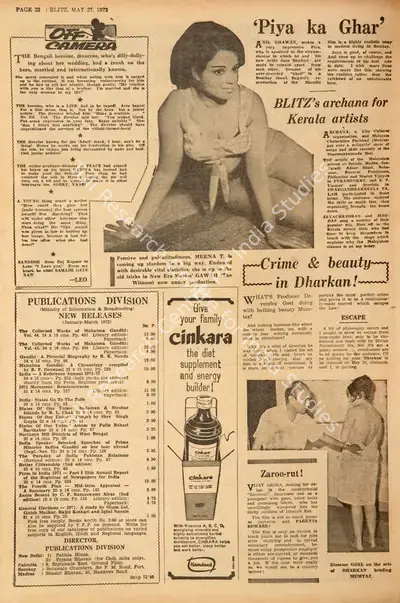
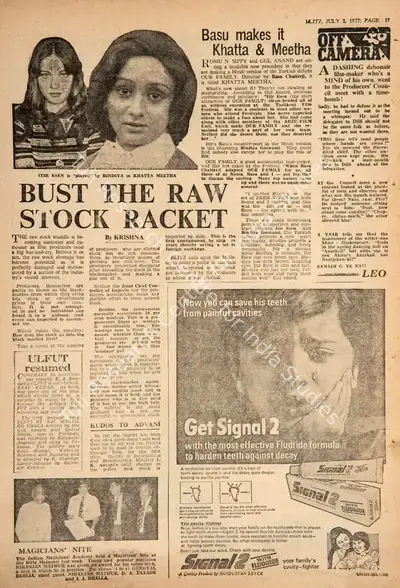
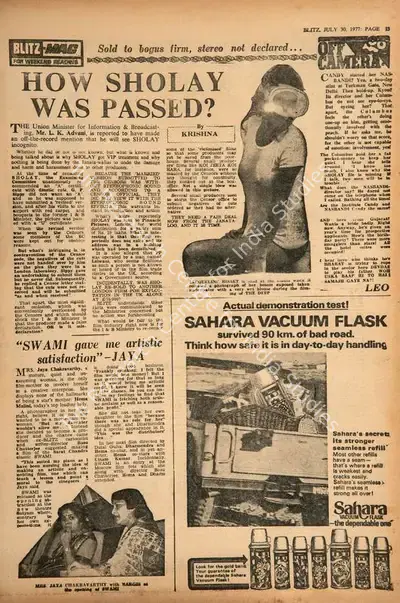
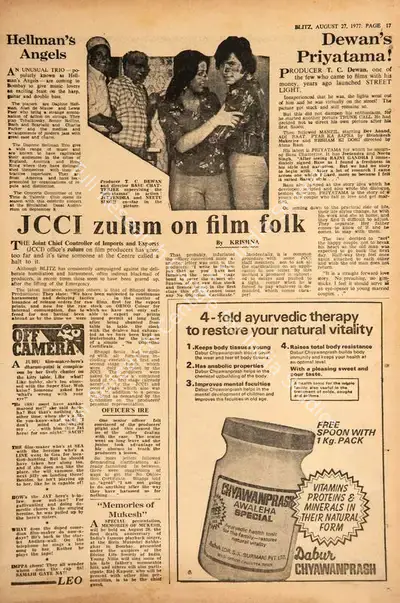
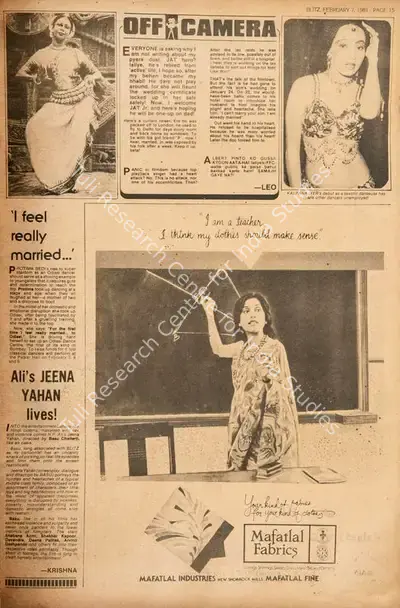
In the 1950s, Chatterjee moved to Mumbai, where he began his professional career as an illustrator and cartoonist for the influential weekly tabloid Blitz, published by Russi Karanjia. He remained associated with the publication for nearly eighteen years before shifting to filmmaking. His entry into cinema came through his association with Basu Bhattacharya, whom he assisted on Teesri Kasam (1966), starring Raj Kapoor and Waheeda Rehman. The film later won the National Film Award for Best Feature Film and remains a landmark in Indian cinema.
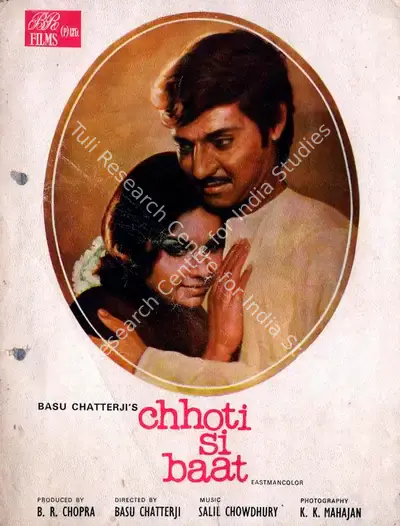
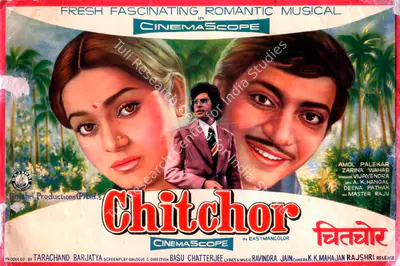
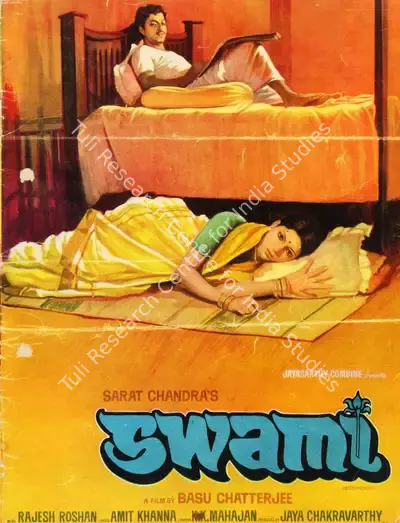
Chatterjee made his directorial debut with Sara Akash (1969), a critically acclaimed exploration of marital discord and youthful idealism that earned him the Filmfare Award for Best Screenplay in 1972. He subsequently established himself as one of Hindi cinema's most distinctive storytellers through films such as Piya Ka Ghar (1972), Rajnigandha (1974), Us Paar (1974), Chhoti Si Baat (1975), Chitchor (1976), Swami (1977), Priyatama (1977), Khatta Meetha (1978), Jeena Yahan (1979), Baton Baton Mein (1979), Apne Paraye (1980), Man Pasand (1980), Hamari Bahu Alka (1982), Shaukeen (1982), and Chameli Ki Shaadi (1986).
Although many of his films were light-hearted romantic dramas and family comedies, Chatterjee also explored serious social and moral concerns in films such as Ek Ruka Hua Faisla (1986), inspired by the American classic 12 Angry Men, and Kamla Ki Maut (1989), which examined social hypocrisy and gender morality. Other notable works included Safed Jhooth (1978), Ratnadeep (1979), Chakravyuha (1978), and Triyacharitra (1994).
Beyond cinema, Chatterjee made a lasting contribution to Indian television through acclaimed Doordarshan serials such as Byomkesh Bakshi and Rajani, both of which attained cult status. His later Bengali films included Hothat Brishti (1998), Chupi Chupi (2001), Tak Jhal Mishti (2002), and Hotath Shedin (2012), reflecting his continued engagement with cross-border Bengali cinema.
Throughout his career, Chatterjee received numerous honours, including Filmfare Awards. He won the Filmfare Award for Best Screenplay for Sara Akash (1969) in 1972. Rajnigandha (1974) received the Filmfare Critics Award for Best Movie in 1975, while Chhoti Si Baat (1975) earned him another Filmfare Award for Best Screenplay in 1976. He won the Filmfare Award for Best Director for Swami (1977) in 1978, and Jeena Yahan (1979) received the Filmfare Critics Award for Best Movie in 1980. Later, Kamla Ki Maut (1989) brought him his third Filmfare Award for Best Screenplay in 1991.At the National Film Awards, Swami (1977) won the National Film Award for Best Popular Film Providing Wholesome Entertainment in 1978. He received another National Award for Durga (1990), which won the National Film Award for Best Film on Family Welfare in 1992.In recognition of his overall contribution to Indian cinema and middle-class storytelling, Chatterjee was also honoured with the IIFA Lifetime Achievement Award in 2007.
In 2023, Anirudha Bhattacharjee published the book Basu Chatterji: And Middle of the Road Cinema, documenting his artistic legacy.
Chatterjee died in Mumbai on 4 June 2020 at the age of 93. His cinema continues to be admired for its humanity, emotional intelligence, and enduring portrayal of ordinary Indian life.
अजमेर में एक बंगाली परिवार में जन्मे चटर्जी एक मध्यमवर्गीय परिवार से थे और उनकी परवरिश ने उनके सिनेमाई दृष्टिकोण को गहराई से प्रभावित किया। मुख्यधारा के हिंदी सिनेमा में व्याप्त ग्लैमर-प्रधान कहानियों के विपरीत, उनकी फ़िल्मों में शहरी परिवेश में प्रेम, विवाह, पारिवारिक तनाव और सामाजिक अपेक्षाओं से जूझते आम लोगों पर ध्यान केंद्रित किया गया। उनका काम आत्मीयता, सादगी, हास्य और भावनात्मक प्रामाणिकता का पर्याय बन गया।
1950 के दशक में चटर्जी मुंबई चले गए, जहाँ उन्होंने रूसी करंजिया द्वारा प्रकाशित प्रभावशाली साप्ताहिक टैब्लॉइड 'ब्लिट्ज़' के लिए चित्रकार और कार्टूनिस्ट के रूप में अपना पेशेवर करियर शुरू किया। वे लगभग अठारह वर्षों तक इस प्रकाशन से जुड़े रहे, जिसके बाद उन्होंने फ़िल्म निर्माण की ओर रुख़ किया। सिनेमा में उनका प्रवेश बसु भट्टाचार्य के साथ उनके जुड़ाव के माध्यम से हुआ, जिनके साथ उन्होंने राज कपूर और वहीदा रहमान अभिनीत फ़िल्म 'तीसरी कसम' (1966) में सहायक के रूप में काम किया। बाद में इस फ़िल्म ने सर्वश्रेष्ठ फ़ीचर फ़िल्म का राष्ट्रीय फ़िल्म पुरस्कार जीता और यह भारतीय सिनेमा में एक मील का पत्थर मानी जाती है।
चटर्जी ने अपने निर्देशन की शुरुआत सारा आकाश (1969) से की, जो वैवाहिक कलह और युवा आदर्शवाद की समीक्षकों द्वारा प्रशंसित खोज थी जिसने उन्हें 1972 में सर्वश्रेष्ठ पटकथा के लिए फ़िल्मफ़ेयर पुरस्कार दिलाया। बाद में उन्होंने पिया का घर (1972), रजनीगंधा (1974), उस पार (1974), छोटी सी बात (1975), चितचोर(1976), स्वामी (1977), प्रियतमा (1977), खट्टा मीठा (1978), जीना यहां (1979), बातों बातों में (1979), अपने पराए (1980), मन पसंद (1980), हमारी बहू अलका (1982), शौक़ीन (1982), और चमेली की शादी (1986) जैसी फ़िल्मों के माध्यम से खुद को हिंदी सिनेमा के सबसे विशिष्ट कहानीकारों में से एक के रूप में स्थापित किया।
हालांकि उनकी कई फ़िल्में हल्के-फुल्के रोमांटिक ड्रामा और पारिवारिक कॉमेडी भी थीं, चटर्जी ने कुछ गंभीर सामाजिक और नैतिक मुद्दों को भी उठाया, जैसे कि अमेरिकी क्लासिक फ़िल्म '12 एंग्री मेन' से प्रेरित 'एक रुका हुआ फैसला' (1986) और 'कमला की मौत' (1989), जिसमें सामाजिक पाखंड और लैंगिक नैतिकता का विश्लेषण किया गया था। उनकी अन्य उल्लेखनीय कृतियों में 'सफ़ेद झूठ' (1978), 'रत्नदीप' (1979), 'चक्रव्यूह' (1978) और 'तिरिया चरित्तर' (1994) शामिल हैं।
सिनेमा के अलावा चटर्जी ने भारतीय टेलीविज़न में भी अपना अमिट योगदान दिया, खासकर दूरदर्शन के प्रशंसित धारावाहिकों जैसे ब्योमकेश बख्शी और रजनी के माध्यम से, जिन्हें बाद में कल्ट दर्जा प्राप्त हुआ। उनकी बाद की बंगाली फ़िल्मों में होथात ब्रिष्टि (1998), छुपी छुपी (2001), तक झाल मिष्टी (2002) और होथात शेदिन (2012) शामिल हैं, जो सीमा पार बंगाली सिनेमा के साथ उनके निरंतर जुड़ाव को दर्शाती हैं।
अपने पूरे करियर के दौरान चटर्जी को फ़िल्मफ़ेयर पुरस्कार सहित कई सम्मान प्राप्त हुए। उन्हें 1972 में सारा आकाश (1969) के लिए सर्वश्रेष्ठ पटकथा का फ़िल्मफ़ेयर पुरस्कार मिला। रजनीगंधा (1974) को 1975 में सर्वश्रेष्ठ फ़िल्म का फ़िल्मफ़ेयर क्रिटिक्स अवार्ड फॉर बेस्ट मूवी प्राप्त हुआ, जबकि छोटी सी बात (1975) ने उन्हें 1976 में सर्वश्रेष्ठ पटकथा का एक और फ़िल्मफ़ेयर पुरस्कार दिलाया। उन्हें 1978 में स्वामी (1977) के लिए सर्वश्रेष्ठ निर्देशक का फ़िल्मफ़ेयर पुरस्कार मिला, और जीना यहां (1979) को 1980 में सर्वश्रेष्ठ फ़िल्म का फ़िल्मफ़ेयर क्रिटिक्स अवार्ड फॉर बेस्ट मूवी मिला। बाद में, कमला की मौत (1989) ने उन्हें 1991 में सर्वश्रेष्ठ पटकथा का तीसरा फ़िल्मफ़ेयर पुरस्कार दिलाया। राष्ट्रीय फ़िल्म पुरस्कारों में, स्वामी (1977) ने 1978 में संपूर्ण मनोरंजन प्रदान करने वाली सर्वश्रेष्ठ लोकप्रिय फ़िल्म का राष्ट्रीय फ़िल्म पुरस्कार जीता। उन्हें दुर्गा (1990) के लिए एक और राष्ट्रीय पुरस्कार मिला, जिसने 1992 में परिवार कल्याण पर सर्वश्रेष्ठ फ़िल्म का राष्ट्रीय फ़िल्म पुरस्कार दिया गया। भारतीय सिनेमा और मध्यम वर्ग के लिए उनके समग्र योगदान के सम्मानस्वरूप, कहानी कहने की कला में निपुण चटर्जी को 2007 में आईआईएफ़ए लाइफ़टाइम अचीवमेंट अवार्ड से भी सम्मानित किया गया था।
2023 में संगीत इतिहासकार अनिरुद्ध भट्टाचार्य ने 'बासु चटर्जी: एंड मिडिल ऑफ द रोड सिनेमा' नामक पुस्तक प्रकाशित की, जिसमें उनकी कलात्मक विरासत का दस्तावेजीत किया गया है।
चटर्जी का निधन 4 जून 2020 को मुंबई में 93 वर्ष की आयु में हुआ। उनका सिनेमा आज भी अपनी मानवीय संवेदनाओं, भावनात्मक गहराई और साधारण भारतीय जीवन के स्थायी चित्रण के लिए सराहा जाता है।