Faslah1974
Introduction
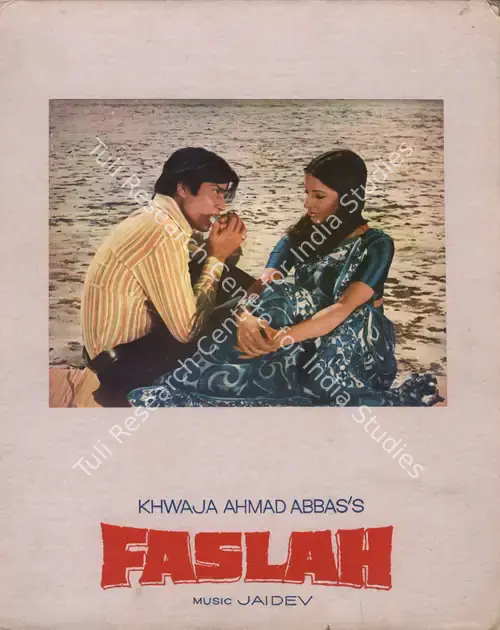
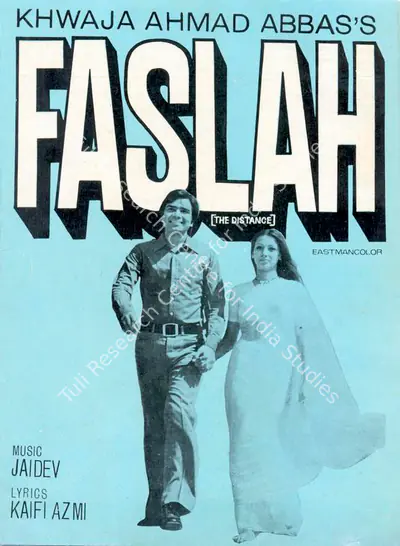
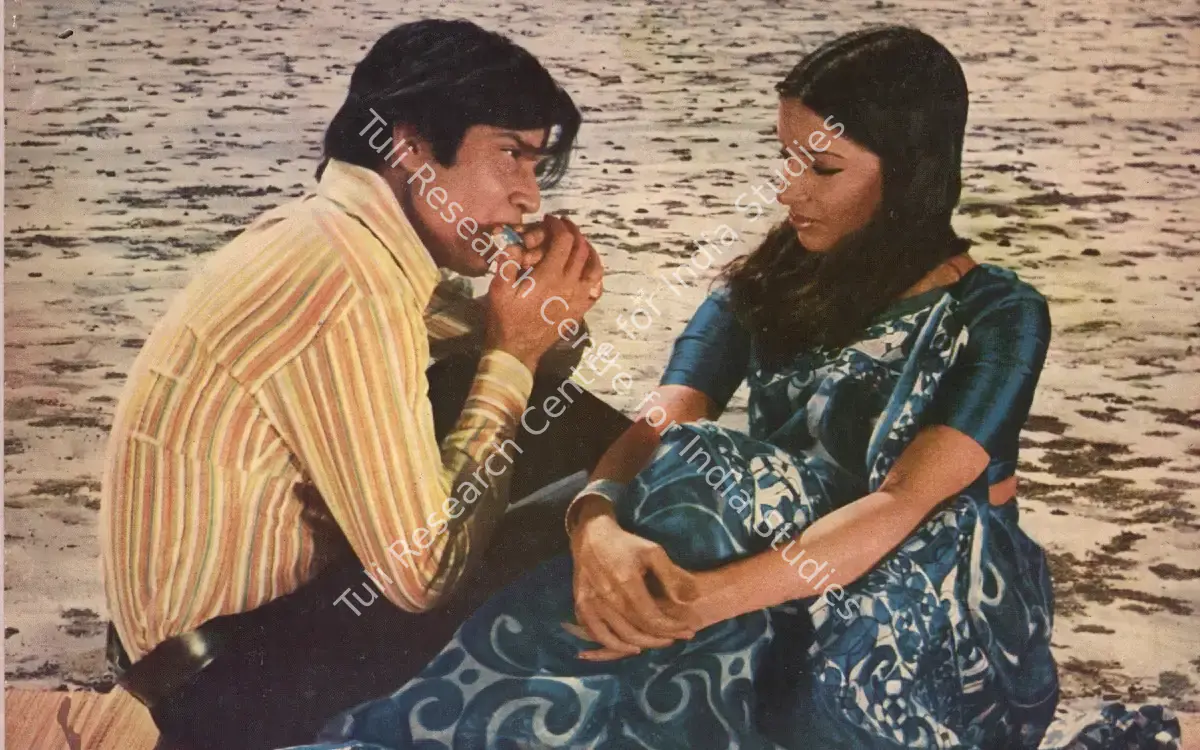
Faslah (1974) Written and Directed by Khwaja Ahmad Abbas, it narrative explores themes of guilt, redemption, and the psychological toll of tragedy, set against the backdrop of urban Bombay. Featuring a star-studded ensemble cast—including Shabana Azmi, Raman Khanna, Nadira, Yunus Parvez, Komilla Virk, Vinod Mehra, Imtiaz Khan, David, Shaukat Azmi, Manmauji, Chand Usmani, Dinesh Thakur, and Helen—the film attempts a deeply emotional, humanist portrayal of moral reckoning.
At the centre of the story is Gautam Chandra (Raman Khanna), a wealthy and privileged businessman who lives a seemingly charmed life in Bombay. His world is turned upside down when, in a tragic accident, he inadvertently kills a young boy named Anil. Stricken with remorse, Gautam seeks to atone for his actions by reaching out to the bereaved family. In the process, he encounters Asha (Shabana Azmi)—Anil's sister, a passionate journalist and aspiring lawyer—who challenges his views on justice and redemption. Unexpectedly, love blossoms between them, further complicating Gautam's emotional journey. Haunted by guilt and unable to reconcile his inner turmoil, Gautam eventually suffers a mental breakdown and is institutionalized, his life unravelling under the weight of his conscience.
The film marked one of the first films of Shabana Azmi, who would go on to become one of Indian cinema's most celebrated actors. Despite her strong performance and the film's socially conscious themes—hallmarks of Abbas's storytelling—Faslah failed to resonate with mainstream audiences and was a commercial disappointment upon release.
Musically, the film featured a compelling score by the renowned composer Jaidev, with lyrics penned by the legendary Kaifi Azmi. The soundtrack includes the evocative track Zindagi cigarette ka dhuaan, sung by Bhupinder Singh, which gained popularity for its soulful rendition. Other notable songs from the film include Dil Ne Tadap Tadap Ke (Bhupinder Singh), Nigahen Churao Na Daman Chhurao (a duet by Bhupinder Singh and Minoo Purshottam), and Aa Utha Le Apna Jaam by Ranu Mukherjee. Despite the quality of its music, the soundtrack, much like the film, did not achieve lasting commercial impact.
Faslah's underperformance can be attributed to several factors. Released in a year dominated by blockbuster hits such as Roti Kapda Aur Makaan, Chor Machaye Shor, and Dost, the film struggled to compete with the star-driven, masala-laden offerings that captured the public's attention. Even films headlined by megastars like Rajesh Khanna and Amitabh Bachchan, such as Kasauti, faced challenges in a highly competitive box office environment.
Furthermore, Faslah received little recognition from award circuits, likely due to its modest box office showing and the overshadowing presence of more commercially successful and critically acclaimed contemporaries.
Though it faded into relative obscurity, Faslah remains a noteworthy entry in the oeuvre of K. A. Abbas for its earnest exploration of morality and mental health, and as a significant milestone in Shabana Azmi's illustrious career.
कहानी के केंद्र में गौतम चंद्र (रमन खन्ना) हैं, जो बॉम्बे में एक अमीर और सुविधा-संपन्न बिज़नेसमैन के तौर पर शानदार ज़िंदगी जी रहे हैं। उनकी दुनिया तब पूरी तरह बदल जाती है, जब एक दुखद हादसे में अनजाने में उनसे अनिल नाम के एक युवा लड़के की मौत हो जाती है। पछतावे में डूबे गौतम, उस लड़के के परिवार से संपर्क करके अपने किए का प्रायश्चित करना चाहते हैं। इसी दौरान उनकी मुलाक़ात आशा (शबाना आज़मी) से होती है, जो अनिल की बहन, एक जुनूनी पत्रकार और वकील बनने की चाहत रखने वाली महिला हैं। वह न्याय और प्रायश्चित के बारे में गौतम की सोच को चुनौती देती हैं। अचानक उनके बीच प्यार पनपने लगता है, जिससे गौतम का भावनात्मक सफ़र और भी उलझ जाता है। अपराध-बोध और मन की उथल-पुथल से परेशान होकर, आख़िरकार गौतम मानसिक रूप से टूट जाते हैं और उसे अस्पताल में भर्ती कराना पड़ता है, ज़मीर के बोझ तले उनकी ज़िंदगी बिखर जाती है।
यह फ़िल्म शबाना आज़मी की शुरुआती फ़िल्मों में से एक थी, जो आगे चलकर भारतीय सिनेमा की सबसे मशहूर अभिनेत्रियों में से एक बनीं। ज़बरदस्त एक्टिंग और फ़िल्म के सामाजिक मुद्दों पर आधारित होने के बावजूद, जो अब्बास की कहानी कहने की शैली की खासियत थी। 'फ़ासला' आम दर्शकों को पसंद नहीं आई और रिलीज़ होने पर यह कमर्शियल तौर पर नाकाम रही।
इस फ़िल्म का संगीत मशहूर कंपोज़र जयदेव ने तैयार किया था और इसके बोल दिग्गज कैफ़ी आज़मी ने लिखे थे। साउंडट्रैक में भूपिंदर सिंह का गाया हुआ दिल को छू लेने वाला गाना 'ज़िंदगी सिगरेट का धुआं' शामिल है, जो अपनी भावपूर्ण गायकी के लिए काफ़ी लोकप्रिय हुआ। फ़िल्म के अन्य उल्लेखनीय गानों में 'दिल ने तड़प-तड़प के' (भूपिंदर सिंह), 'निगाहें चुराओ ना दामन छुड़ाओ' (भूपिंदर सिंह और मीनू पुरुषोत्तम का युगल गीत) और रानू मुखर्जी का 'आ उठा ले अपना जाम' शामिल हैं। बेहतरीन संगीत के बावजूद, फ़िल्म की तरह ही इसका साउंडट्रैक भी लंबे समय तक व्यावसायिक सफलता हासिल नहीं कर सका।
'फासला' के ख़राब प्रदर्शन के कई कारण हो सकते हैं। यह फ़िल्म ऐसे साल में रिलीज़ हुई थी जब 'रोटी कपड़ा और मकान', 'चोर मचाए शोर' और 'दोस्त' जैसी ब्लॉकबस्टर फ़िल्मों का बोलबाला था। ऐसे में, यह फ़िल्म उन स्टार-पावर्ड और मसाला फ़िल्मों का मुक़ाबला करने में पिछड़ गई, जिन्होंने दर्शकों का ध्यान अपनी ओर खींचा था। यहाँ तक कि राजेश खन्ना और अमिताभ बच्चन जैसे बड़े स्टार्स की फ़िल्मों (जैसे 'कसौटी') को भी बॉक्स ऑफ़िस पर कड़ी टक्कर का सामना करना पड़ा था।
इसके अलावा, 'फ़ासला' को अवॉर्ड देने वाले मंचों से ज़्यादा पहचान नहीं मिली। इसकी वजह शायद बॉक्स ऑफ़िस पर इसका औसत प्रदर्शन और कमर्शियल तौर पर ज़्यादा सफल और समीक्षकों द्वारा सराही गई दूसरी फ़िल्मों का दबदबा रहा।
भले ही 'फ़ासला' समय के साथ लोगों की नज़र से ओझल हो गई, लेकिन नैतिकता और मानसिक स्वास्थ्य की ईमानदारी से पड़ताल करने के कारण यह के. ए. अब्बास के कामों में एक उल्लेखनीय फ़िल्म बनी हुई है, और शबाना आज़मी के शानदार करियर में भी यह एक अहम पड़ाव है।