Introduction
Dr. John Murray, a Scottish-born medical doctor entered the East India Company in 1832 and served primarily with the Bengal horse artillery. His foray into photography started in 1849 and within the next few years, he had established himself as an accomplished photographer, exhibiting his photographs in the Photographic Society of Bengal in 1857.
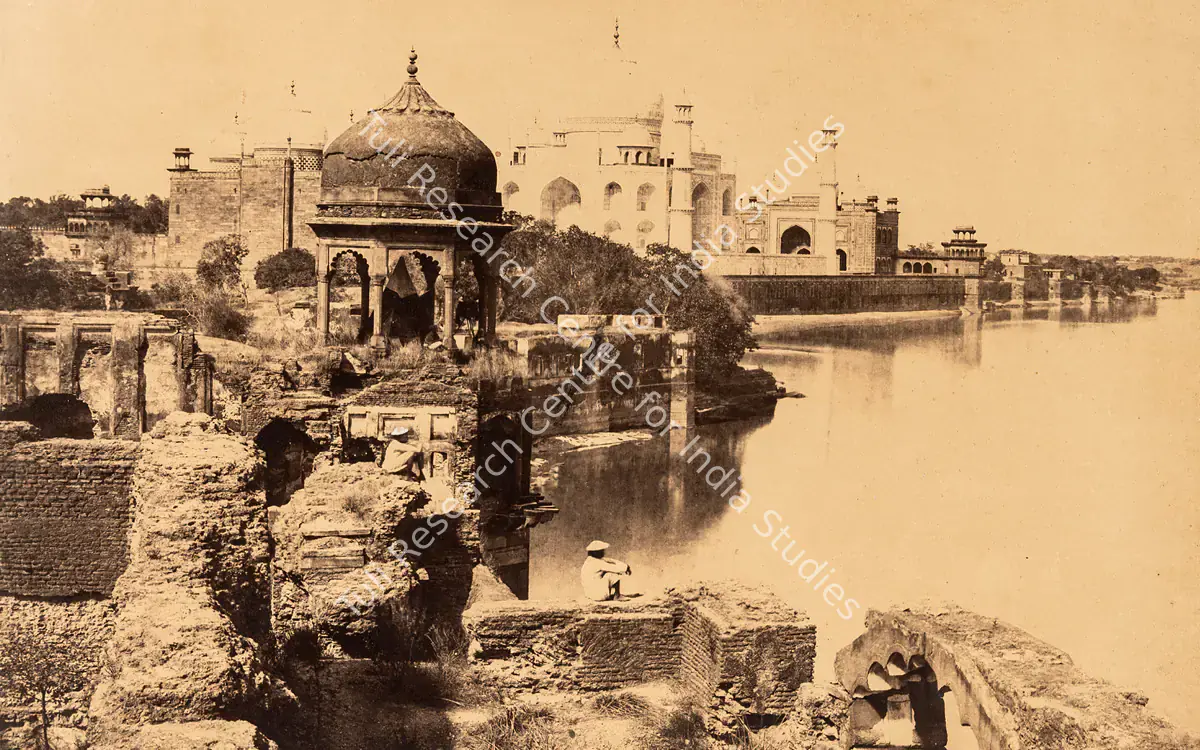
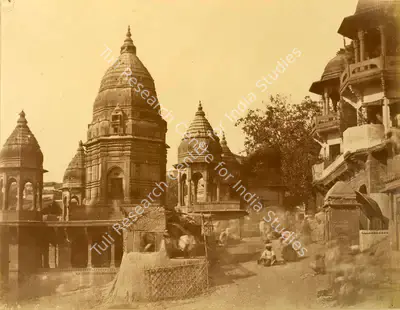
Fascinated by the Taj Mahal, he visited the site repeatedly and photographed it from every conceivable angle, paying special attention to the foreground. By situating the dilapidated ruins and overgrown vegetation alongside the pristine Taj, he sought to evoke a sense of grandeur in scale through comparison and juxtaposition. Today, these photographs reflect upon the loss of some of the vegetation and buildings in the vicinity that no longer exist as part of the complex.
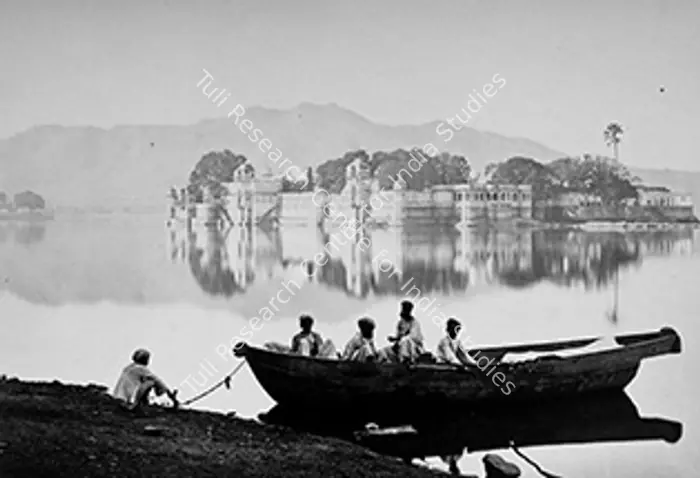
As was the convention of genre in 19th century photography, Murray placed his human figures in the frame to establish a sense of scale and to give a “true character” and “authenticity” to the scene — making the ‘native’ bystander a part of the cultural setting.
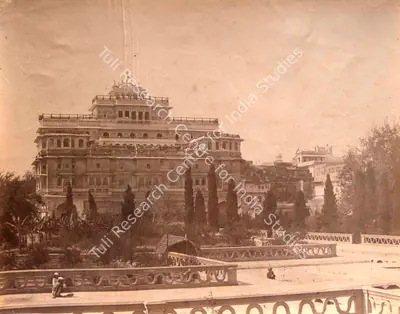
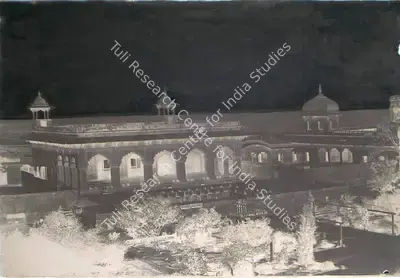
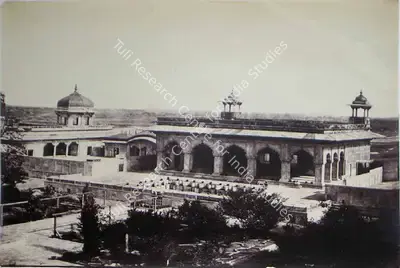
In early 1864, he took a comprehensive series of panoramas of the Taj Mahal, detailed studies of the building, and photographs of Akbar’s Tomb and Agra Fort. During the mid-19th century, the absence of efficient techniques for enlarging photographs posed a significant technical challenge. To produce large prints, Murray used a large-format wooden camera that could accommodate negatives up to 16 by 20 inches. He worked with both glass and waxed-paper negatives, the latter being particularly advantageous for travelling photographers or those in remote areas, as the paper negatives did not require immediate development. Murray’s recorded foray into photography continued till 1965.
- Date of Birth
- 1809
- Date of Death
- 1898
- Age
- 89
- Nationality
- British
Research Centre
Calendar 1
- ArchivedExhibitionProject 3Self Discover via Rediscovering India Series Part III History of Photography in India21st - 31st January 2025Self Discover via Rediscovering India Series Part IIIRead More →