
TRIS logo image
Search275,000+ actors, artists, objects, artworks, films, exhibitions, archives

EN

EN

English

HI

Hindi

EN

EN

English

HI

Hindi

Tuli Research Centre for India Studies

Tuli Research Centre for India Studies

Vision

Manifesto

Archive & Library

Vanraja Sanctuary & Hospice

Home

Research Categories

Browse All

ICore

1_CinemaEducation_Cinema as a Critical Educational Resource

2_FineArts_Modern and Contemporary Indian Fine Arts

3_Photography_Photography in India

4_PopCulture_The Printed Image, Popular Arts, and Crafts

IIMaterial

5_ArcHeritage_India's Architectural Heritage as Inspiration

6_EconomicsArt_Economics of Art & Cultural Industry

7_Travel_Automobile, Transport and Travel Heritage

8_Uncertainty_Uncertainty

IIICritical

9_SocialDuty_Social Responsibility of the Creative Mind

10_Childhood_The Changing Smile of Childhood & Its Second Coming

11_Sensuality_The Sensual Discipline within Creativity

12_Scholarship_The History & Historiography of Scholarship in the Arts, Humanities, and Social Sciences

IVMeaningful

13_SeekJustice_Seeking Justice and Political Integrity

14_IndoWorld_India and her Relationship with the World

15_SpiritualPoetics_The Religious-Spiritual-Poetic-Philosophical Framework

16_Continuum_The Animal-Human-Nature Continuum

Explore

All

Posts

Masterlists

Calendar

Live | Upcoming

All Events

Timetable

Search275,000+ actors, artists, objects, artworks, films, exhibitions, archives

EN

EN

English

HI

Hindi

Do Ankhen Barah Haath (1957)

Do Ankhen Barah Haath (1957)

Film.Indian Cinema
DirectorV. Shantaram
LanguageHindi
On this Page
Introduction
Body of Work
Research Centre15
All15
Archive10Videos5
Calendar2
Home/Film/Do Ankhen Barah Haath (1957)
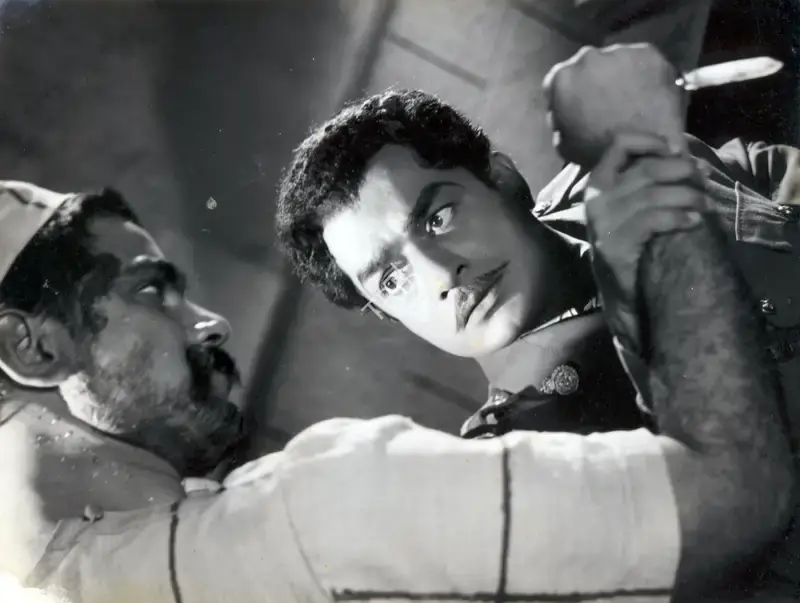
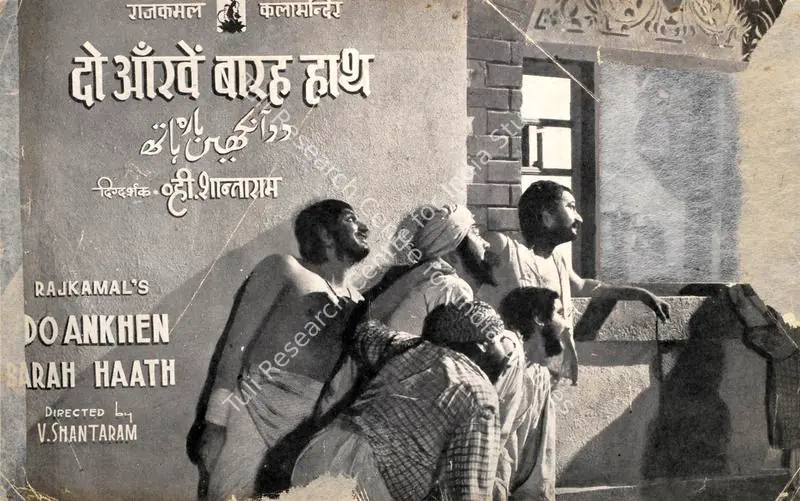
Do Ankhen Barah Haath (1957): title artwork
Do Ankhen Barah Haath (1957): featured artwork

Introduction

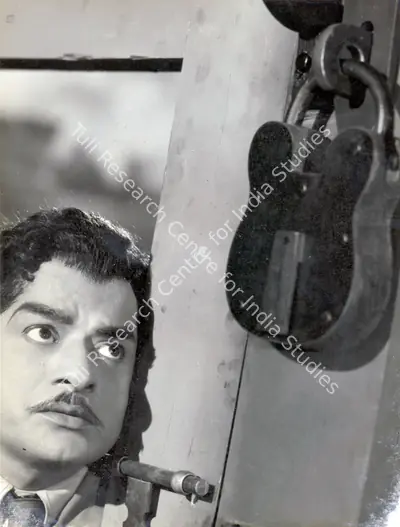
V Shantaram's Do Aankhen Barah Haath masterfully harnesses the power of cinema as a mass medium for social reform and enlightenment. It is a story of a progressive jail warden determined to rehabilitate six dangerous convicts by placing trust in their inherent humanity. The film questions the scope of punitive systems and embraces the potential for personal redemption through empathy and reform. Set in the context of a newly independent India, the narrative mirrors the nation's own struggle with social transformation and the pursuit of a moral framework that balances authority with compassion and justice.

The year 1957 was a watershed moment for Indian cinema, with socially conscious films like Mother India, Naya Daur, Pyaasa, and Do Aankhen Barah Haath dominating both box offices and public discourse. These films addressed critical issues such as poverty, modernising forces and justice, resonating deeply with audiences and reflecting the mood of a rapidly changing society.

Do Aankhen Barah Haath received widespread critical acclaim, winning the National Film Award for Best Feature Film, a Silver Bear at the Berlin International Film Festival, and Samuel Goldwyn International Film Award at the Golden Globe Awards.

निर्देशक व्ही. शांताराम की दो आँखें बारह हाथ एक जनमाध्यम के रूप में सिनेमा की ताक़त का सामाजिक सुधार और ज्ञानोदय के लिए इस्तेमाल का बड़ा विलक्षण उदाहरण है। यह एक ऐसे प्रगतिशील सोच रखनेवाले जेलर की कहानी है जो छह खतरनाक अपराधियों की भीतरी अच्छाई और मानवता पर भरोसा करके उनका पुनर्वास करने का दृढ़ संकल्प लेता है। फिल्म दंडात्मक प्रणालियों की वैधता पर सवाल उठाती है और अपराधी में मौलिक बदलाव लाने के लिए सहानुभूति और सुधारात्मक उपायों का समर्थन करती है। एक नव स्वतंत्र मुल्क भारत के संदर्भ में देखें तो दो आँखे बारह हाथ की कहानी बताती है कि सामाजिक परिवर्तन की प्रक्रिया में राष्ट्र को किन संघर्षों से गुज़रना पड़ा। फ़िल्म में एक ऐसी नैतिक व्यवस्था की खोज दिखती है जहाँ सत्ता को करुणा और न्याय जैसे मूल्यों से जोड़कर संतुलन प्रदान किया गया है।

सन् 1957 का साल भारतीय सिनेमा के लिए एक मील के पत्थर जैसा था। उस साल रिलीज़ हुई मदर इंडिया, नया दौर, प्यासा और दो आँखें बारह हाथ जैसी सामाजिक जागरूकता से भरी फ़िल्मों ने बॉक्स ऑफ़िस और सार्वजनिक विमर्श दोनों पर अपना गहरा प्रभाव कायम किया। इन फिल्मों ने समाज को मथ रहे गरीबी, आधुनिकता और न्याय से जुड़े महत्वपूर्ण सवालों को आवाज़ दी और उस दौर के दर्शकों के आत्म के साथ एक गहरा तादात्म्य स्थापित कर लिया। इन फ़िल्मों की कहानी में एक गतिशील समाज के सामने खड़े सवालों की गूँज है, तो वहीं ये उसका मन भी पढ़ने की कोशिश करती हैं।

दो आंखें बारह हाथ को विश्वभर में आलोचकीय प्रशंसा मिली। भारत में इसे सर्वश्रेष्ठ फ़ीचर फ़िल्म का राष्ट्रीय फ़िल्म पुरस्कार मिला तो वहीं बर्लिन अंतरराष्ट्रीय फिल्म समारोह में इसने 'सिल्वर बीयर' तथा गोल्डन ग्लोब पुरस्कारों में 'सैम्युअल गोल्डविन अंतरराष्ट्रीय फ़िल्म पुरस्कार' जीता।
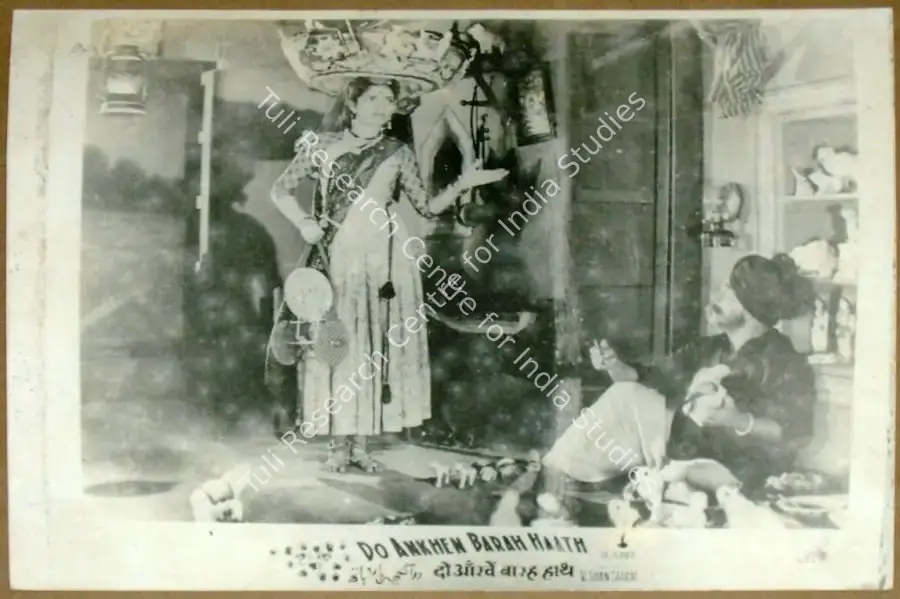
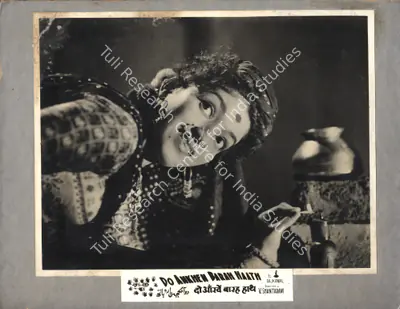
Balakrishna, G. (Cinematographer), Do Ankhen Barah Haath, 1957 | Lobby Card | CinemaEducation | 00811877
1 / 4

Body of Work

Banner
Rajkamal Kalamandir
Cinematographer
G. Balakrishna
Director
V. Shantaram
Lead Cast
V. Shantaram, B.M. Vyas, Sandhya, Ulhas
Lead Cast Rest
S. Bhosle, G. Inavale, Baburao Pendharkar, Paul Sharma, S.K. Singh, Chandorkar, Gajendra, Samar, Suneel, Tyagraj

02:37 mins

04:16 mins

02:48 mins

05:09 mins

04:06 mins

Research Centre
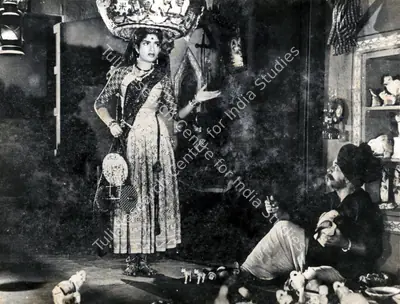
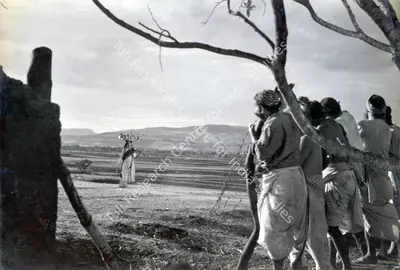
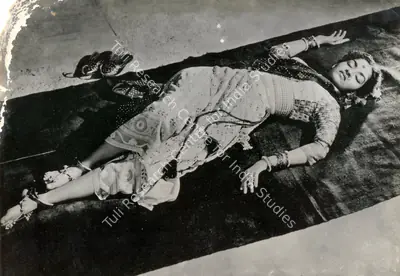
G. Balakrishna (Cinematographer), Do Ankhen Barah Haath, 1957, Photographic Still
Balakrishna, G. (Cinematographer), Do Ankhen Barah Haath, 1957 | Photographic Still
G. Balakrishna (Cinematographer), Do Ankhen Barah Haath, 1957, Photographic Still
Balakrishna, G. (Cinematographer), Do Ankhen Barah Haath, 1957 | Photographic Still
G. Balakrishna (Cinematographer), Do Ankhen Barah Haath, 1957, Photographic Still
Balakrishna, G. (Cinematographer), Do Ankhen Barah Haath, 1957 | Photographic Still
G. Balakrishna (Cinematographer), Do Ankhen Barah Haath, 1957, Photographic Still
Balakrishna, G. (Cinematographer), Do Ankhen Barah Haath, 1957 | Photographic Still
G. Balakrishna (Cinematographer), Do Ankhen Barah Haath, 1957, Photographic Still
Balakrishna, G. (Cinematographer), Do Ankhen Barah Haath, 1957 | Photographic Still
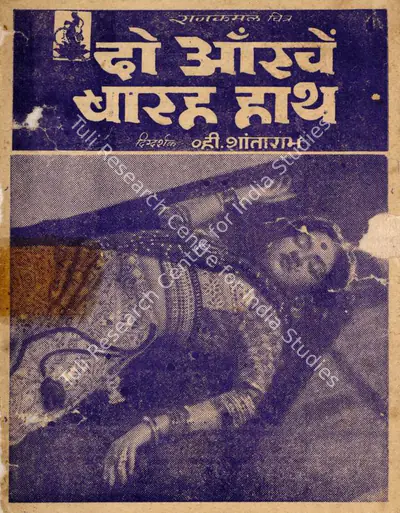
V. Shantaram (Director), Do Ankhen Barah Haath, 1957, Song-Synopsis Booklet
Shantaram, V. (Director), Do Ankhen Barah Haath, 1957 | Song-Synopsis Booklet
V. Shantaram (Director), Do Ankhen Barah Haath, 1957, Song-Synopsis Booklet
Shantaram, V. (Director), Do Ankhen Barah Haath, 1957 | Song-Synopsis Booklet
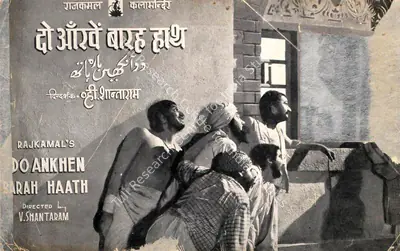
G. Balakrishna (Cinematographer), Do Ankhen Barah Haath, 1957, Lobby Card
Balakrishna, G. (Cinematographer), Do Ankhen Barah Haath, 1957 | Lobby Card
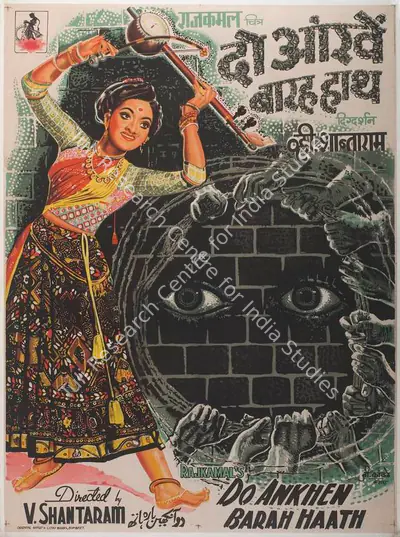
V. Shantaram (Director), Do Ankhen Barah Haath, 1957, Full Sheet Poster
Shantaram, V. (Director), Do Ankhen Barah Haath, 1957 | Full Sheet Poster
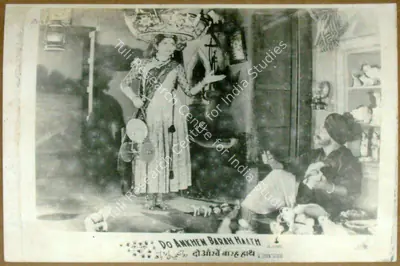
G. Balakrishna (Cinematographer), Do Ankhen Barah Haath, 1957, Photographic Still Mounted on Lobby Card
Balakrishna, G. (Cinematographer), Do Ankhen Barah Haath, 1957 | Photographic Still Mounted on Lobby Card
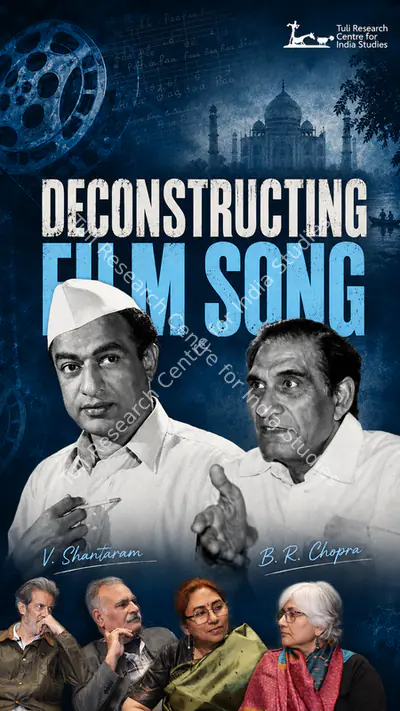
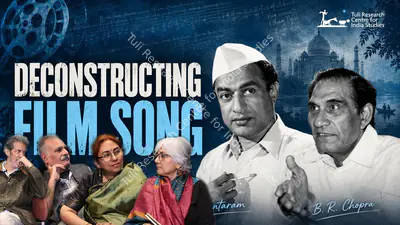
Tuli Research Centre for India Studies (Editor), Music in the Films of B.R. Chopra and V. Shantaram, 2026, In-house Video
Tuli Research Centre for India Studies (Editor). Music in the Films of B.R. Chopra and V. Shantaram, 31 August 2026 | In-house Video
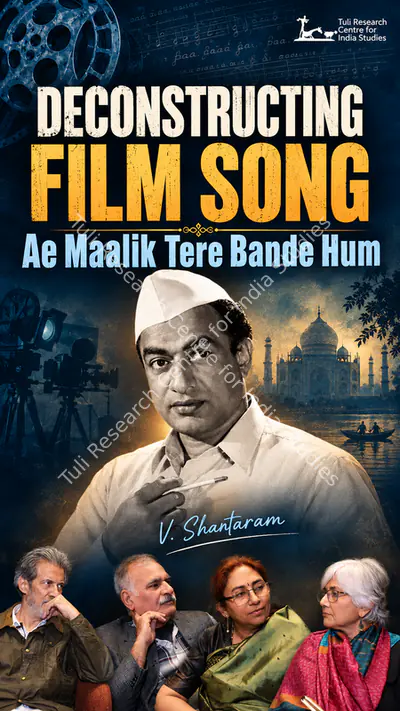
Tuli Research Centre for India Studies (Editor), "Ae Maalik Tere Bande Hum"  - A Bhajan from V Shantaram's film about prison reform, 2026, In-house Video
Tuli Research Centre for India Studies (Editor). "Ae Maalik Tere Bande Hum" - A Bhajan from V Shantaram's film about prison reform, 31 August 2026 | In-house Video
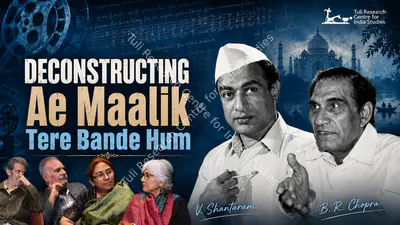
Tuli Research Centre for India Studies (Editor), "Ae Maalik Tere Bande Hum" - A Film Song that became a School Prayer, 2026, In-house Video
Tuli Research Centre for India Studies (Editor). "Ae Maalik Tere Bande Hum" - A Film Song that became a School Prayer, 31 August 2026 | In-house Video
Tuli Research Centre for India Studies (Editor), Music in the Films of B.R. Chopra and V. Shantaram, 2026, In-house Video
Tuli Research Centre for India Studies (Editor). Music in the Films of B.R. Chopra and V. Shantaram, 31 August 2026 | In-house Video
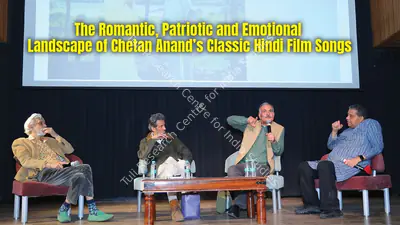
Tuli Research Centre for India Studies (Editor), The Romantic, Patriotic and Emotional Landscape of Chetan Anand’s Classic Hindi Film Songs, 2026, In-house Video
Tuli Research Centre for India Studies (Editor). The Romantic, Patriotic and Emotional Landscape of Chetan Anand’s Classic Hindi Film Songs, 21 July 2026 | In-house Video
G. Balakrishna (Cinematographer), Do Ankhen Barah Haath, 1957, Photographic Still
Balakrishna, G. (Cinematographer), Do Ankhen Barah Haath, 1957 | Photographic Still
G. Balakrishna (Cinematographer), Do Ankhen Barah Haath, 1957, Photographic Still
Balakrishna, G. (Cinematographer), Do Ankhen Barah Haath, 1957 | Photographic Still
G. Balakrishna (Cinematographer), Do Ankhen Barah Haath, 1957, Photographic Still
Balakrishna, G. (Cinematographer), Do Ankhen Barah Haath, 1957 | Photographic Still
G. Balakrishna (Cinematographer), Do Ankhen Barah Haath, 1957, Photographic Still
Balakrishna, G. (Cinematographer), Do Ankhen Barah Haath, 1957 | Photographic Still
G. Balakrishna (Cinematographer), Do Ankhen Barah Haath, 1957, Photographic Still
Balakrishna, G. (Cinematographer), Do Ankhen Barah Haath, 1957 | Photographic Still
V. Shantaram (Director), Do Ankhen Barah Haath, 1957, Song-Synopsis Booklet
Shantaram, V. (Director), Do Ankhen Barah Haath, 1957 | Song-Synopsis Booklet
V. Shantaram (Director), Do Ankhen Barah Haath, 1957, Song-Synopsis Booklet
Shantaram, V. (Director), Do Ankhen Barah Haath, 1957 | Song-Synopsis Booklet
G. Balakrishna (Cinematographer), Do Ankhen Barah Haath, 1957, Lobby Card
Balakrishna, G. (Cinematographer), Do Ankhen Barah Haath, 1957 | Lobby Card
V. Shantaram (Director), Do Ankhen Barah Haath, 1957, Full Sheet Poster
Shantaram, V. (Director), Do Ankhen Barah Haath, 1957 | Full Sheet Poster
G. Balakrishna (Cinematographer), Do Ankhen Barah Haath, 1957, Photographic Still Mounted on Lobby Card
Balakrishna, G. (Cinematographer), Do Ankhen Barah Haath, 1957 | Photographic Still Mounted on Lobby Card
Tuli Research Centre for India Studies (Editor). Music in the Films of B.R. Chopra and V. Shantaram, 31 August 2026 | In-house Video, 2026 · 43 sec · Vertical Video
▶
Tuli Research Centre for India Studies (Editor). Music in the Films of B.R. Chopra and V. Shantaram, 31 August 2026 | In-house Video
2026 · 43 sec · Vertical Video
Tuli Research Centre for India Studies (Editor). "Ae Maalik Tere Bande Hum"  - A Bhajan from V Shantaram's film about prison reform, 31 August 2026 | In-house Video, 2026 · 1 min 06 sec · Vertical Video
▶
Tuli Research Centre for India Studies (Editor). "Ae Maalik Tere Bande Hum" - A Bhajan from V Shantaram's film about prison reform, 31 August 2026 | In-house Video
2026 · 1 min 06 sec · Vertical Video
Tuli Research Centre for India Studies (Editor). "Ae Maalik Tere Bande Hum" - A Film Song that became a School Prayer, 31 August 2026 | In-house Video, 2026 · 1 hour 11 min · Long-form Video
▶
Tuli Research Centre for India Studies (Editor). "Ae Maalik Tere Bande Hum" - A Film Song that became a School Prayer, 31 August 2026 | In-house Video
2026 · 1 hour 11 min · Long-form Video
Tuli Research Centre for India Studies (Editor). Music in the Films of B.R. Chopra and V. Shantaram, 31 August 2026 | In-house Video, 2026 · 1 hour 11 min · Long-form Video
▶
Tuli Research Centre for India Studies (Editor). Music in the Films of B.R. Chopra and V. Shantaram, 31 August 2026 | In-house Video
2026 · 1 hour 11 min · Long-form Video
Tuli Research Centre for India Studies (Editor). The Romantic, Patriotic and Emotional Landscape of Chetan Anand’s Classic Hindi Film Songs, 21 July 2026 | In-house Video, 2026 · 1 hour 6 min · Long-form Video
▶
Tuli Research Centre for India Studies (Editor). The Romantic, Patriotic and Emotional Landscape of Chetan Anand’s Classic Hindi Film Songs, 21 July 2026 | In-house Video
2026 · 1 hour 6 min · Long-form Video

Calendar 2

View All →
  1. A Musical Glue for Nation-Building
    ArchivedOffline-Online EventProject 80
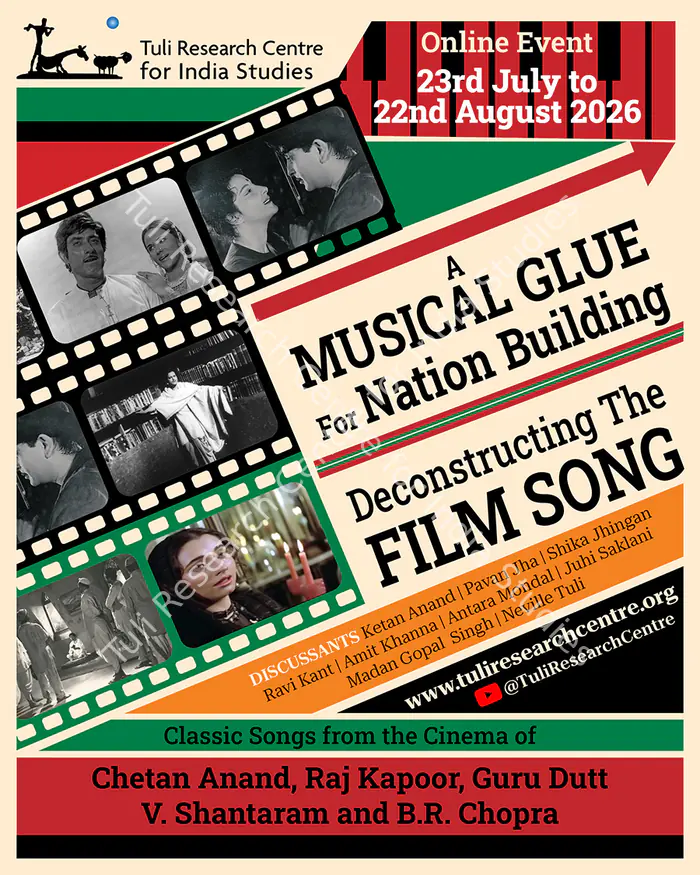
    A Musical Glue for Nation-Building
    Deconstructing the Film Song
    23rd July - 22nd August 2026
    Ketan Anand | Ravikant | Pavan Jha | Madan Gopal Singh | Amit Khanna | Juhi Saklani | Antara Mondal | Shikha Jhingan | Neville Tuli
    A key section of the India Studies framework at The Tuli Research Centre for India Studies (T.R.I.S.) is “Deconstructing the Film Song”. It began with a series of four workshops during our Self-Discovery via Rediscovering India Festival Series that brought together leading scholars & academics, film practitioners & students, along with fans of the Hindi film song. The objective of these workshops was to deconstruct iconic Hindi film songs to examine their formation across music, lyrics, playback, choreography, directorial visualisation, as they fuse into sites where aesthetics, ideology, and performance intersect, so as to help clarify the nature of India and her relationship to the film song. The Hindi Film Song functions as a narrative device, conveying myriad textures of emotion through melody, voice and poetry. As cultural texts that encode memory, desire, and ideology, songs are integral to the circulation and resonance of films in the public realm. Over time they have become autonomous bundles of creative energy - the glue that binds us over time, articulating and perhaps even defining the idea of Indianness. These first Workshops were an attempt to understand the nature and power of this glue, while contemplating the ways to situate it within TRIS' academic framework for Contemporary India Studies.
    Read More →
    1_CinemaEducation·12_Scholarship
    +34 more
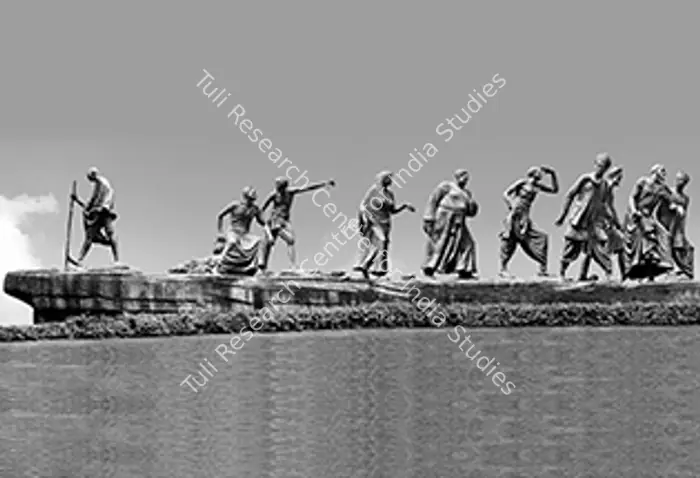
  2. Self Discovery via Rediscovering India Series Part V Mahatma Gandhi
    ArchivedExhibitionProject 8
    Self Discovery via Rediscovering India Series Part V Mahatma Gandhi
    25th April 2025
    as part of the Rediscovering India via Self-Discovery Exhibition Series Part V
    Read More →
    9_SocialDuty·Exhibition Opening Depth And Diversity The Life Legacy And Inspiration Of Mahatma Gandhi 26th April 2025 Project 8 Cal
    +59 more

Related

1

Personalities

1

V. ShantaramLead Cast · Film Director +1
Tuli Research Centre for India Studies

Tuli Research Centre

for India Studies

A free and open knowledge base for the modern and contemporary Indian arts, cinema, photography and cultural heritage.

Support

Contact Us

Discover

Tuli Research Centre for India StudiesVisionManifestoArchive & LibraryVanraja Sanctuary & Hospice

Legal

Privacy PolicyTerms & Conditions

Follow us

Youtube

Youtube

Instagram

Instagram

Facebook

Facebook

© Tuli Research Centre for India Studies 2026

Tuli Research Centre for India Studies

Tuli Research Centre

for India Studies

A free and open knowledge base for the modern and contemporary Indian arts, cinema, photography and cultural heritage.

Tuli Research Centre for India StudiesVisionManifestoArchive & LibraryVanraja Sanctuary & Hospice
Contact Us
Privacy PolicyTerms & Conditions

Follow us

YoutubeInstagramFacebook

© Tuli Research Centre for India Studies 2026

              Balakrishna, G. (Cinematographer), Do Ankhen Barah Haath, 1957 | Photographic Still | CinemaEducation | 00884960

              Balakrishna, G. (Cinematographer), Do Ankhen Barah Haath, 1957 | Photographic Still

              CinematographerG. Balakrishna
              Document TypePhotographic Still
              Film TitleDo Ankhen Barah Haath, 1957, India, Hindi
              DirectorV. ShantaramBannerRajkamal Kalamandir
              CastV. Shantaram, B.M. Vyas, Sandhya, Ulhas, S. Bhosle, G. Inavale, Baburao Pendharkar, Paul Sharma, S.K. Singh, Chandorkar, Gajendra, Samar, Suneel, Tyagraj
              Copyright of ImageWith Producer | Archive Object

              Research Categories

              1_CinemaEducation

              Related Links4

              Masterlist3
              V ShantaramDo Ankhen Barah Haath 1957Cinema Photographic Stills
              Research Categories
              01Cinema as a Critical Educational Resource