CINE.hnb | Handbills, Heralds, Flyers, Pamphlets & Publicity Leaflets

CINE.hnb | Handbills, Heralds, Flyers, Pamphlets & Publicity Leaflets
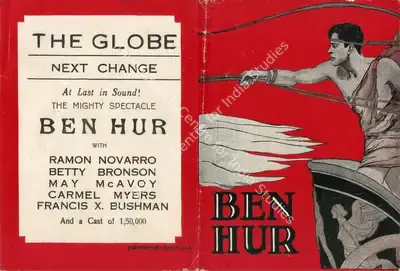
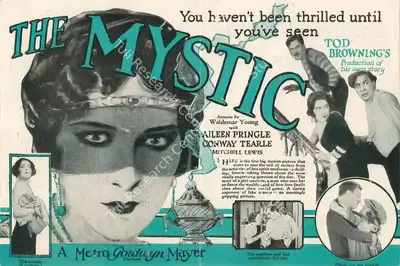
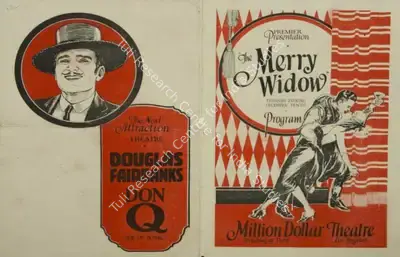
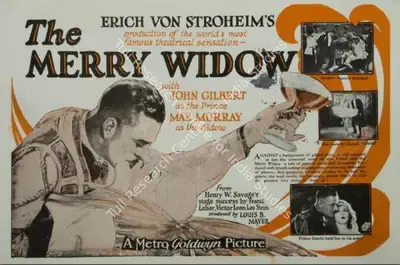
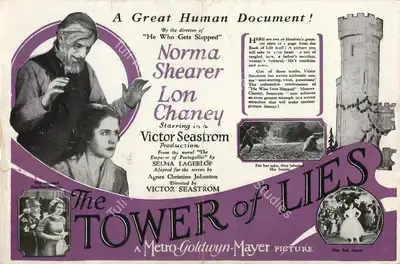
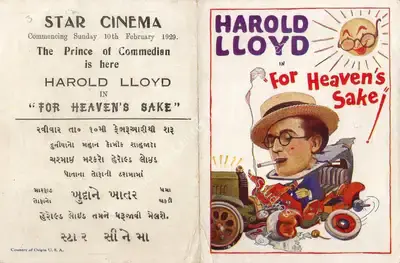
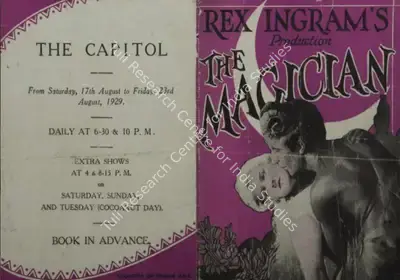
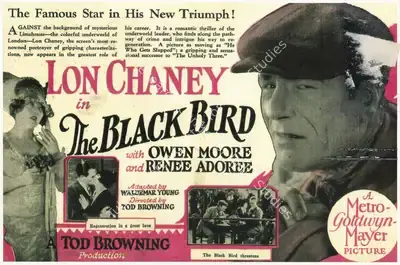
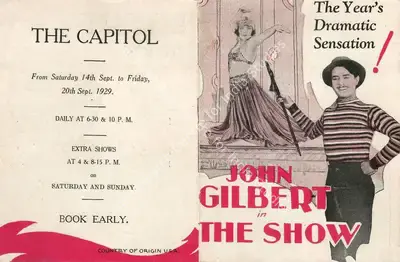
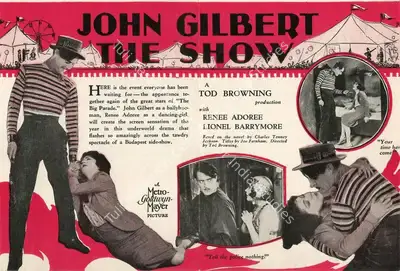
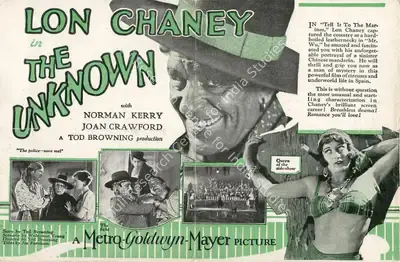
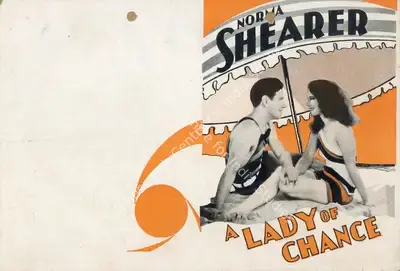
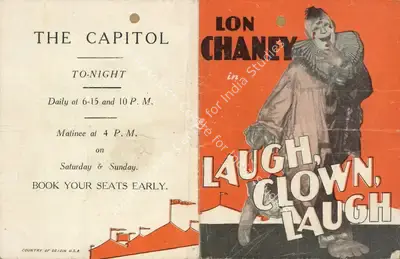
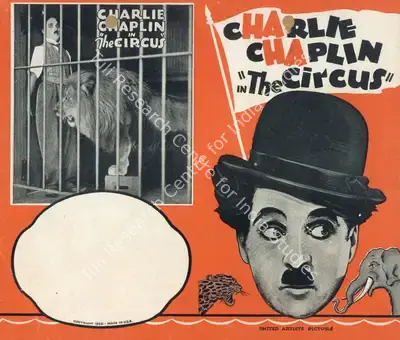
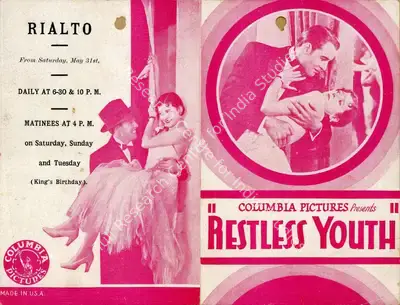
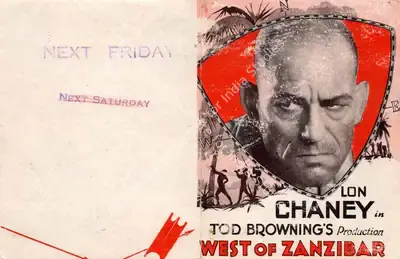
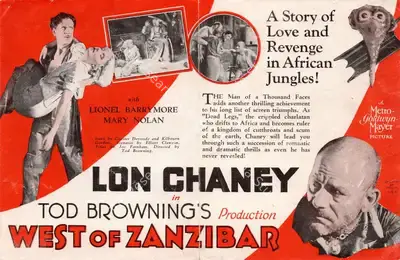
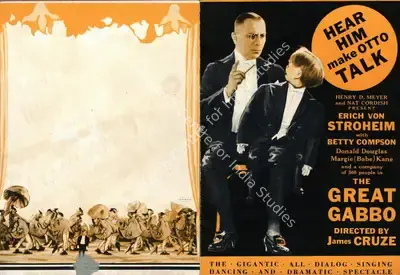
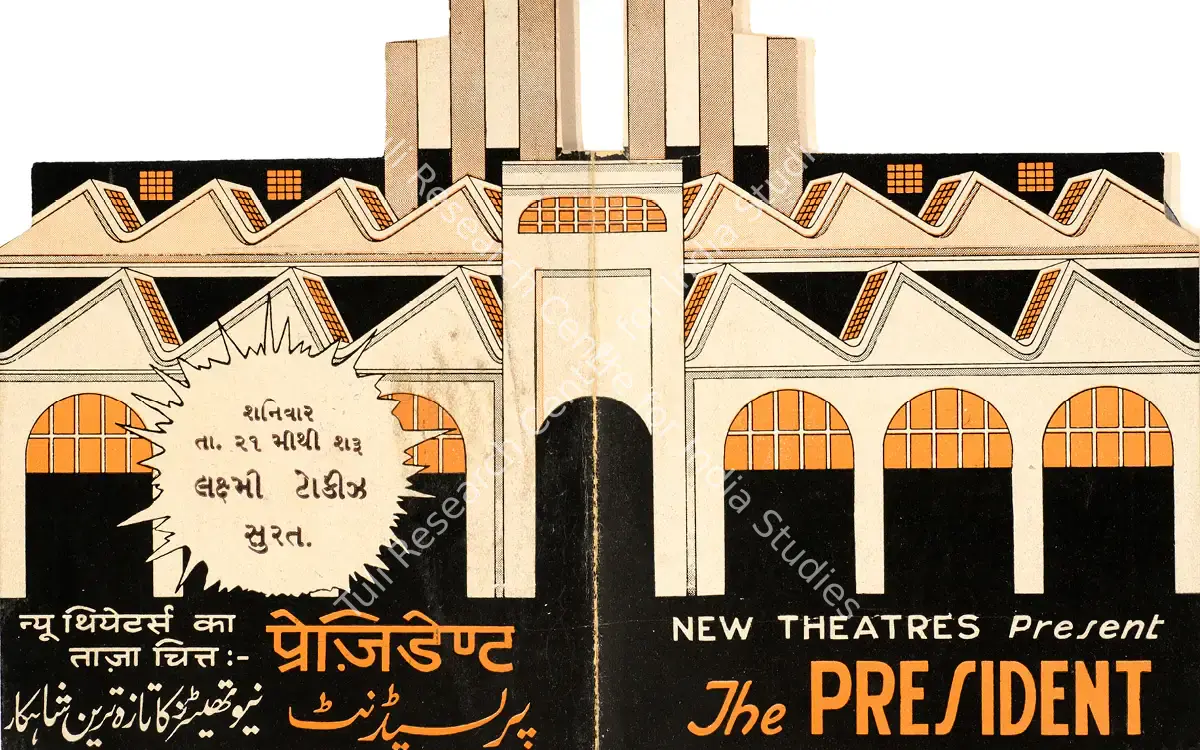
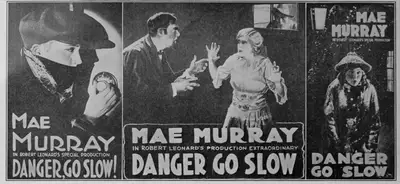
Film heralds, handbills and other publicity materials excluding posters were first used in the 1910s, and were printed as inexpensive advertising flyers that usually included a picture of the leading actors and general information about the film such as cast, credits and tagline. Since advertisement played a major role in ensuring a film and commercial success, a compilation of promotional material was usually sent to the press and cinemas by studios themselves. There is a blank area on the front or reverse of the promotional materials, i.e., heralds, handbills, pamphlets and publicity leaflets, which allowed cinemas to further print the pertinent information related to show timings and venue and hand them out to members of the public to advertise the forthcoming film. This vast collection of film publicity material spans the last century with all its transformations - leap to sound and colour and censorship practices - and offers insight into contemporaneous taste and popular culture.
CINE.hnb | Handbills, Heralds, Flyers, Pamphlets & Publicity Leaflets
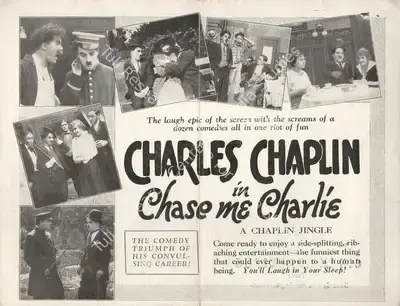
Film heralds, handbills and other publicity materials excluding posters were first used in the 1910s, and were printed as inexpensive advertising flyers that usually included a picture of the leading actors and general information about the film such as cast, credits and tagline. Since advertisement played a major role in ensuring a film and commercial success, a compilation of promotional material was usually sent to the press and cinemas by studios themselves. There is a blank area on the front or reverse of the promotional materials, i.e., heralds, handbills, pamphlets and publicity leaflets, which allowed cinemas to further print the pertinent information related to show timings and venue and hand them out to members of the public to advertise the forthcoming film. This vast collection of film publicity material spans the last century with all its transformations - leap to sound and colour and censorship practices - and offers insight into contemporaneous taste and popular culture.

Research Centre

Loading...
TRIS logo image