Introduction
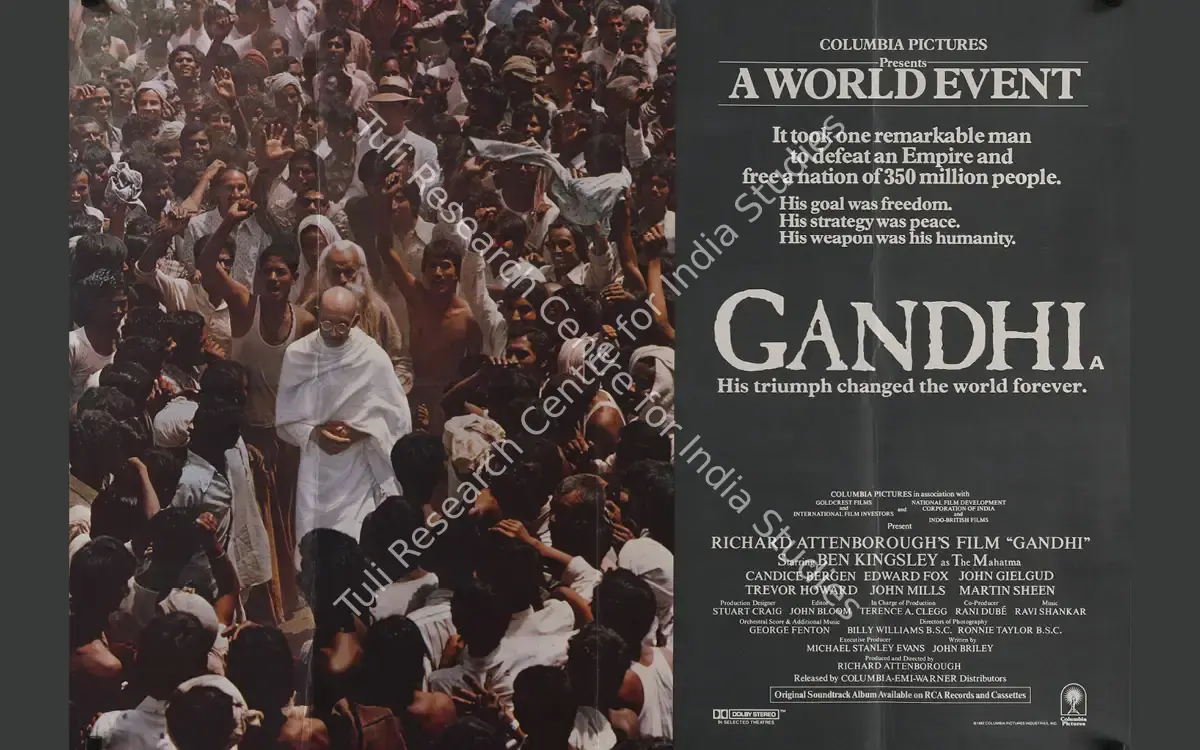
When film exhibition began to gain popularity in late 1890s, it followed the same logic of advertisements and announcements as did the music halls and vaudeville acts. Simple and brief descriptions of the films to be exhibited in between several performance acts, so that the performers had time to prepare for their next appearances. Soon in the 1900s, these film posters began enunciating the comfort and technological specification of the exhibitory spaces - seating capacity and fire extinguishers, to name a few. This practice of poster-designing was followed by a focus on production companies and eventually all established grounds were broken with the advent of the star system as popularised by Cecil Hepworth when his actors such as Alma Taylor, Henry Edwards and Chrissie White became household names around 1910s. The objects featured in this category are the vibrant British release posters known as “Quad Crown” (four times the dimensions of a British crown). Shortened simply as “quads”, these uniquely British posters usually come in landscape format unlike their American counterparts which followed the convention of the vertical portrait. These enchanting and rare posters in horizontal format emulate the proportions of the cinematic screen - the prevalent 4:3 aspect ratio was the same as the dimensions of the 40-inch wide and 30-inch high quad posters. Unfortunately, a very small number of quad posters from pre-World War II era survive due to short supply of paper and the demand for recycling, making them highly valuable film memorabilia. The British government at that time had set up quad as the maximum size permitted for poster printing. Even today the British release of films is accompanied with quad poster designs for promotion purposes.