
Capt. Linnaeus Tripe

Capt. Linnaeus Tripe
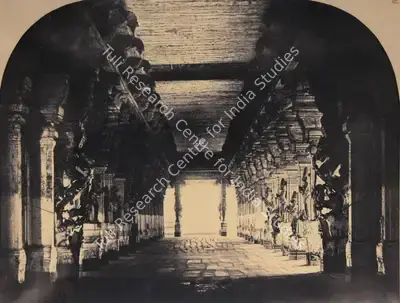
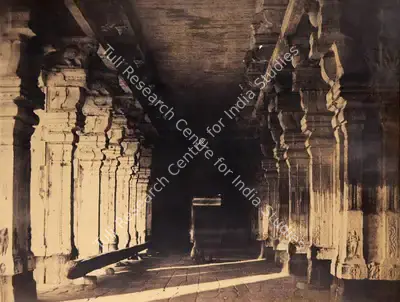
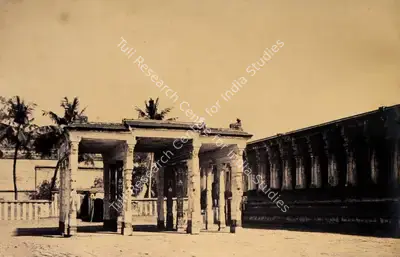
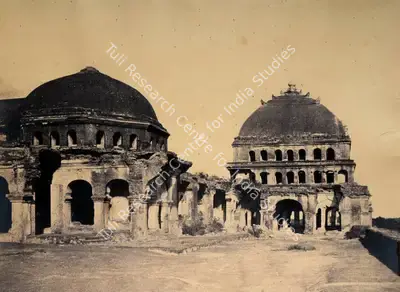
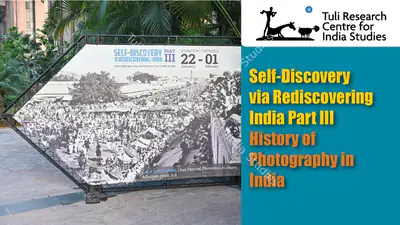
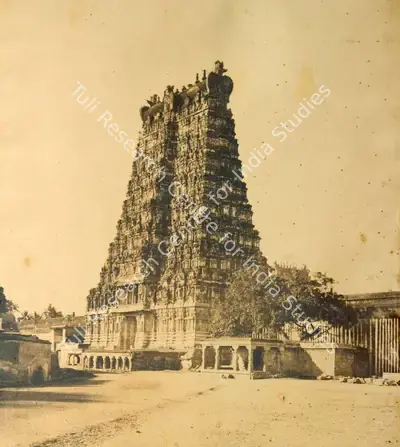
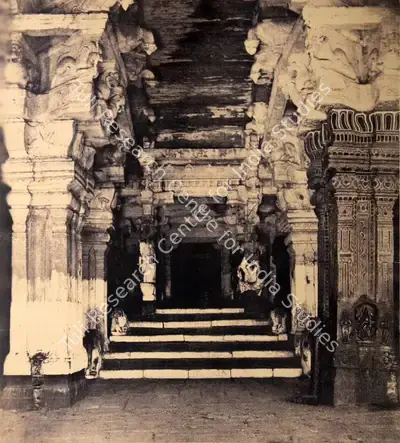
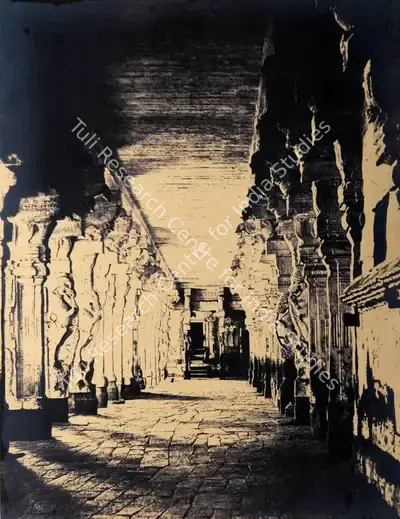
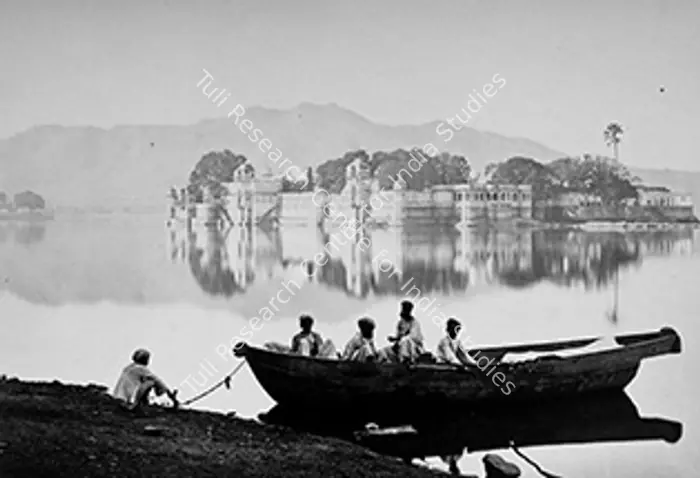
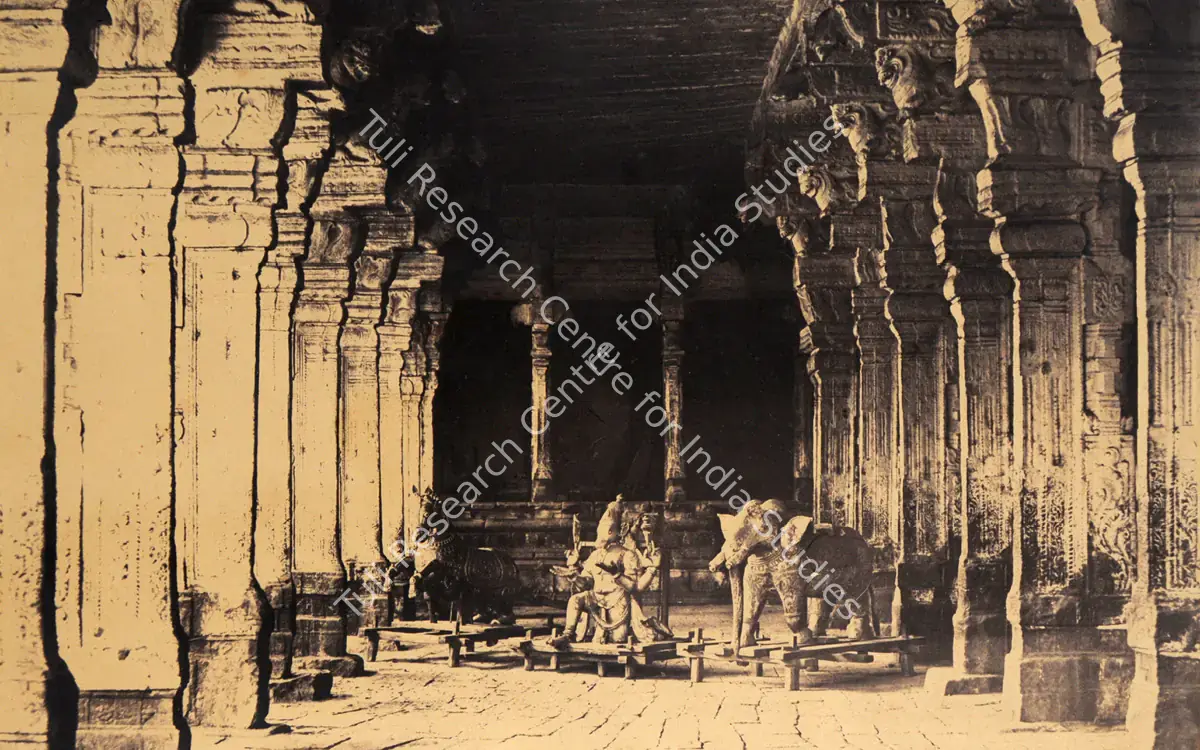
Capt. Linnaeus Tripe, an officer in the EIC began photographing India and Burma (present-day Myanmar) in the mid-1850s when pictures of the sub-continent were enthusiastically viewed by the British public. He entered the Madras Army in 1839 and possibly learnt photography during his first furlough to England in 1851-1853. An extensive body of work was developed after his return to India in the mid-1850s. His projects were ostensibly for gathering facts and productions regulated by issues relative to the British military. Tripe’s albums and stereograph sets were to illustrate new sites in British territory as well as appeal to the market. In 1854, he travelled across the country with another amateur photographer, Dr Andrew Neill to make detailed photographic survey of Hoysala temples at Halebid and Belur (Karnataka) and set off to Burma on another photographic mission. In 1857, he was made the Governor Photographer of Madras - spearheading as one of early photographers to document visual evidence of India’s architectural heritage. His term was soon terminated owing to unattainable expenses of such large-scale projects that coincided with the 1857-58 mutiny. By 1860, his establishment had been wound up. Tripe stated that his work should not be seen as a challenge to photographic criticism - that in fact his photographs were defective - his pictures indicate that he was sufficiently informed of photography and the properties of the camera and its visual possibilities despite the demanding work-pressures placed upon him. He adopted the calotype process as the ideal for his photographic production requirements. An exploratory endeavour is evident in his photographs — he waxed his negatives, applied various paper coatings, retouched negatives to enhance skies and foliage, changed formats for still-life arrangements and portraits and used dry collodion and wet-plate and undertook single-camera productions of stereoviews. Many of his images are characterized by broad areas of light and dark in which contrasting elements direct the viewer’s attention to the principal component of the composition.

Research Centre
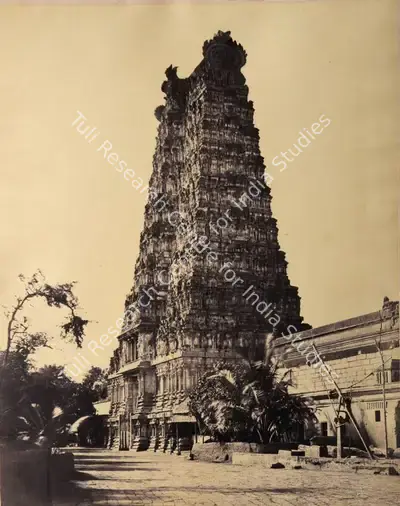
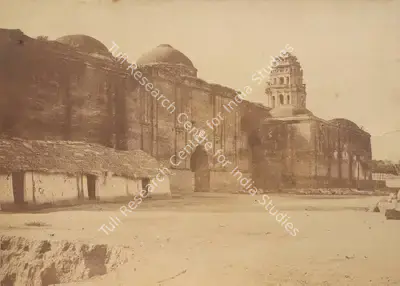
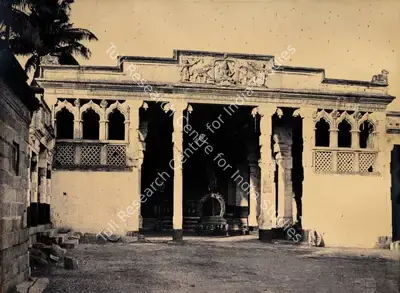
Tripe, Capt. Linnaeus (Photographer), Entrance to the Quadrangle of the Palace, 1858 | Antiquarian Photograph

Tripe, Capt. Linnaeus (Photographer), Entrance to the Quadrangle of the Palace, 1858 | Antiquarian Photograph

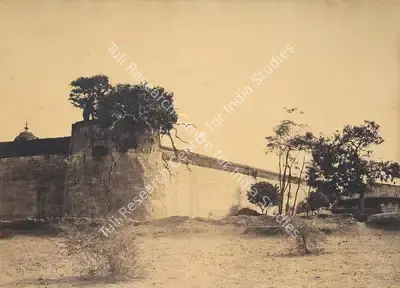
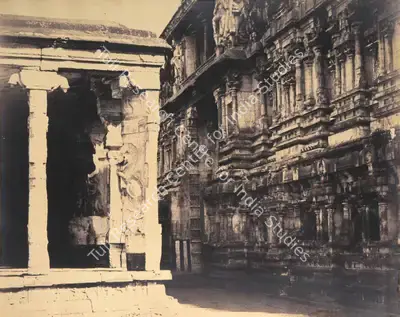
Tripe, Capt. Linnaeus (Photographer), S.E. Angle of the Tirambur Pagoda, Madura, 1858-1860 | Antiquarian Photograph

Tripe, Capt. Linnaeus (Photographer), S.E. Angle of the Tirambur Pagoda, Madura, 1858-1860 | Antiquarian Photograph

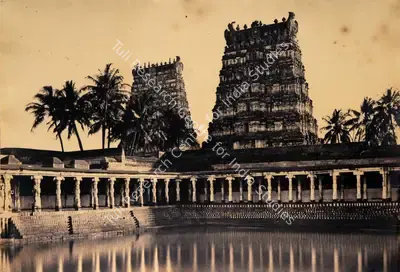
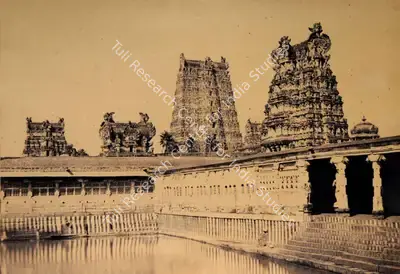
Tripe, Capt. Linnaeus (Photographer), Views of the Sacred Tank in the Great Pagoda, Madura, 1858 | Antiquarian Photograph

Tripe, Capt. Linnaeus (Photographer), Views of the Sacred Tank in the Great Pagoda, Madura, 1858 | Antiquarian Photograph

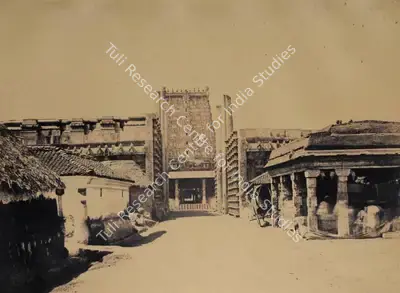
Tripe, Capt. Linnaeus (Photographer), The Raya Gopuram from the West, Madura, 1858 | Antiquarian Photograph

Tripe, Capt. Linnaeus (Photographer), The Raya Gopuram from the West, Madura, 1858 | Antiquarian Photograph

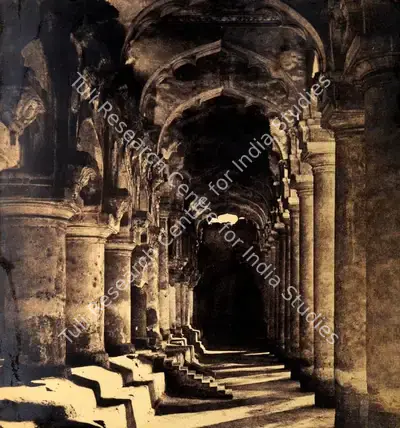
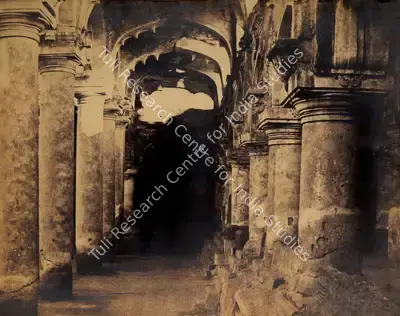
Tripe, Capt. Linnaeus (Photographer), Arcade in Quadrangle, 1858 | Antiquarian Photograph

Tripe, Capt. Linnaeus (Photographer), Arcade in Quadrangle, 1858 | Antiquarian Photograph

Tripe, Capt. Linnaeus (Photographer), The Raya Gopuram from the East, 1858 | Antiquarian Photograph

Tripe, Capt. Linnaeus (Photographer), The Raya Gopuram from the East, 1858 | Antiquarian Photograph

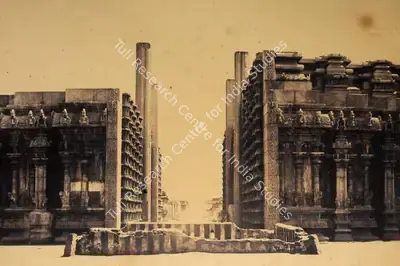
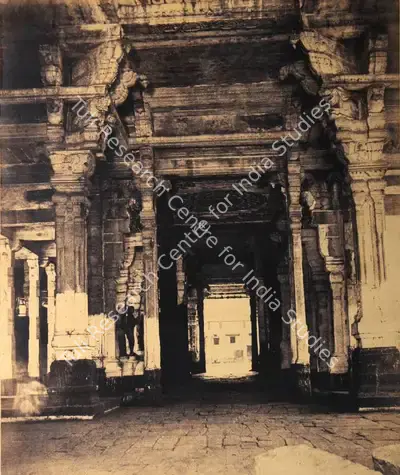
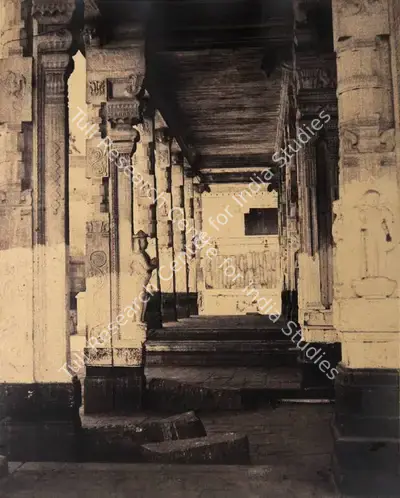
Tripe, Capt. Linnaeus (Photographer), Arcade on the right side of the Entrance, 1858 | Antiquarian Photograph

Tripe, Capt. Linnaeus (Photographer), Arcade on the right side of the Entrance, 1858 | Antiquarian Photograph

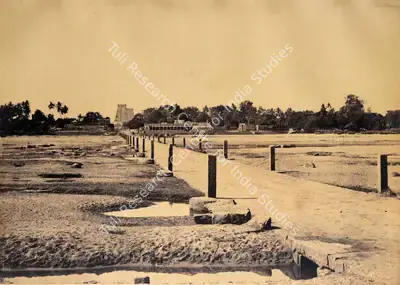
Tripe, Capt. Linnaeus (Photographer), The Causeway across the Vaigai River, 1858 | Antiquarian Photograph

Tripe, Capt. Linnaeus (Photographer), The Causeway across the Vaigai River, 1858 | Antiquarian Photograph

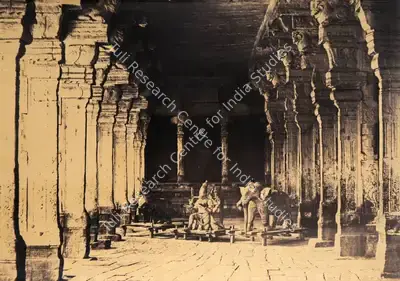
Tripe, Capt. Linnaeus (Photographer), View of the Nave from the Simhasanum at the Westend, Madura, 1858 | Antiquarian Photograph

Tripe, Capt. Linnaeus (Photographer), View of the Nave from the Simhasanum at the Westend, Madura, 1858 | Antiquarian Photograph

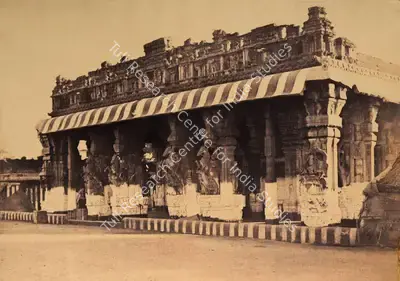
Tripe, Capt. Linnaeus (Photographer), The Viravasuntarayan Mundapam, Madura, 1858 | Antiquarian Photograph

Tripe, Capt. Linnaeus (Photographer), The Viravasuntarayan Mundapam, Madura, 1858 | Antiquarian Photograph

Tripe, Capt. Linnaeus (Photographer), Tatta Sudhi Mundapam, Madura, 1858 | Antiquarian Photograph

Tripe, Capt. Linnaeus (Photographer), Tatta Sudhi Mundapam, Madura, 1858 | Antiquarian Photograph

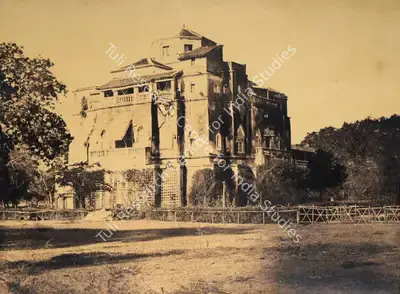
Tripe, Capt. Linnaeus (Photographer), Roof of the Sessions Court, Madura, 1858 | Antiquarian Photograph

Tripe, Capt. Linnaeus (Photographer), Roof of the Sessions Court, Madura, 1858 | Antiquarian Photograph

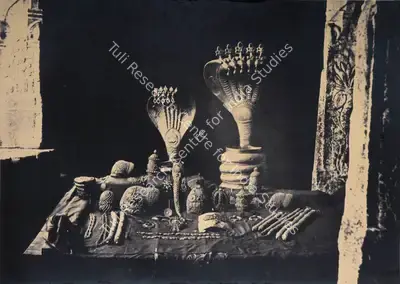
Tripe, Capt. Linnaeus (Photographer), The Pagoda Jewels, 1858 | Antiquarian Photograph

Tripe, Capt. Linnaeus (Photographer), The Pagoda Jewels, 1858 | Antiquarian Photograph

Tripe, Capt. Linnaeus (Photographer), The Great Pagoda. The Munduramiar Mundapam, 1858 | Antiquarian Photograph

Tripe, Capt. Linnaeus (Photographer), The Great Pagoda. The Munduramiar Mundapam, 1858 | Antiquarian Photograph

Tripe, Capt. Linnaeus (Photographer), The inner Facade of the gateway of the East Gopuram, 1858 | Antiquarian Photograph

Tripe, Capt. Linnaeus (Photographer), The inner Facade of the gateway of the East Gopuram, 1858 | Antiquarian Photograph

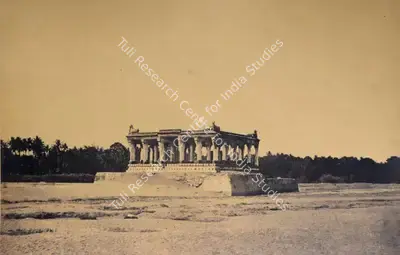
Tripe, Capt. Linnaeus (Photographer), The Kulayana Mundapam, 1858 | Antiquarian Photograph

Tripe, Capt. Linnaeus (Photographer), The Kulayana Mundapam, 1858 | Antiquarian Photograph

Tripe, Capt. Linnaeus (Photographer), Views of the Sacred Tank in the great Pagoda, Madura, 1858 | Antiquarian Photograph

Tripe, Capt. Linnaeus (Photographer), Views of the Sacred Tank in the great Pagoda, Madura, 1858 | Antiquarian Photograph

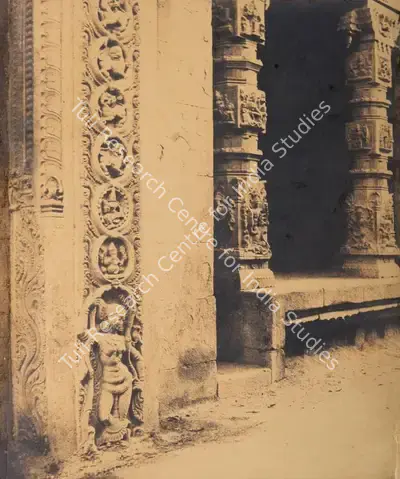
Tripe, Capt. Linnaeus (Photographer), Basement of a monolith in the Raya Gopuram. Madura, 1858 | Antiquarian Photograph

Tripe, Capt. Linnaeus (Photographer), Basement of a monolith in the Raya Gopuram. Madura, 1858 | Antiquarian Photograph

Tripe, Capt. Linnaeus (Photographer), The Tamukkam or Tamkam or Tunkum from North, 1858 | Antiquarian Photograph

Tripe, Capt. Linnaeus (Photographer), The Tamukkam or Tamkam or Tunkum from North, 1858 | Antiquarian Photograph

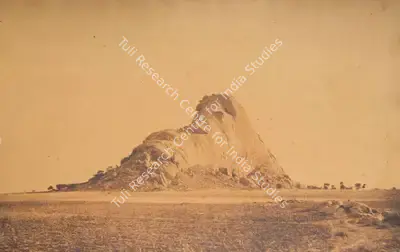
Tripe, Capt. Linnaeus (Photographer), The Elephant Rock, 1858 | Antiquarian Photograph

Tripe, Capt. Linnaeus (Photographer), The Elephant Rock, 1858 | Antiquarian Photograph

Loading...
TRIS logo image