

Introduction
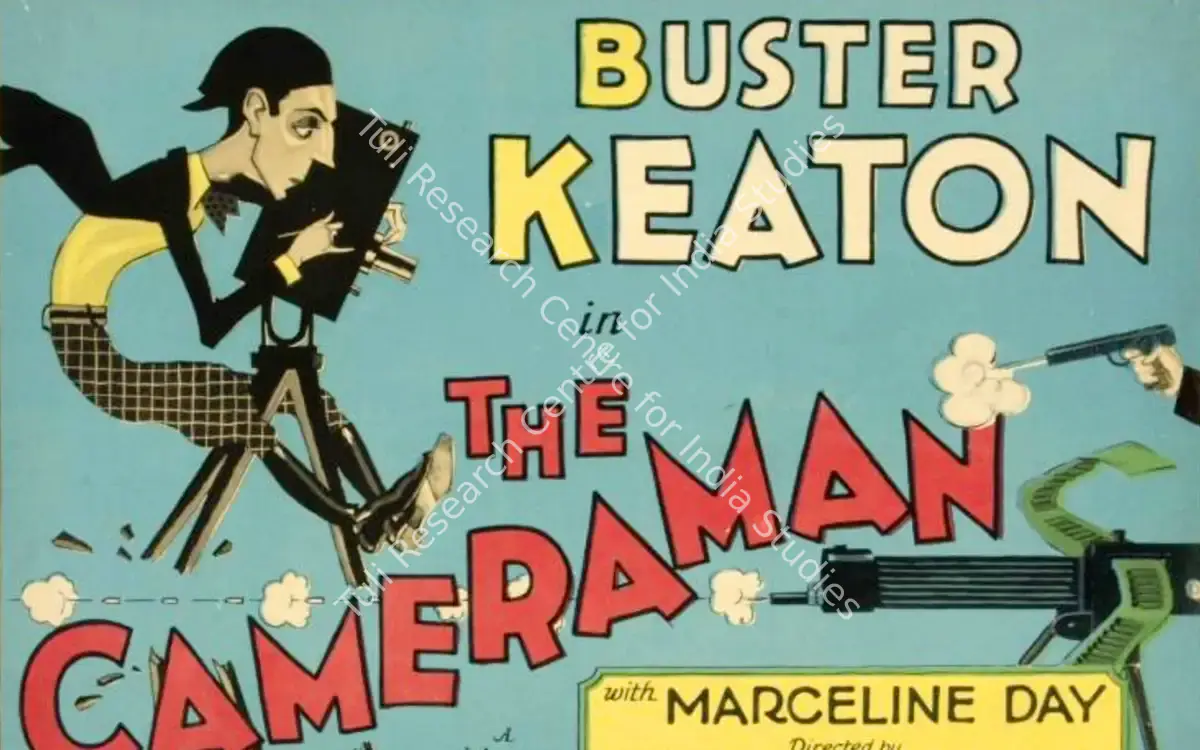
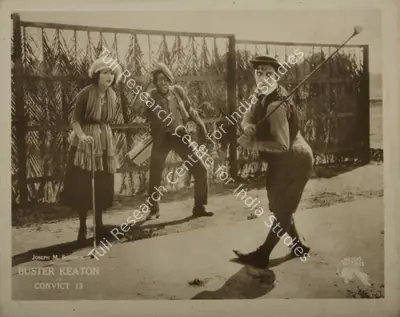
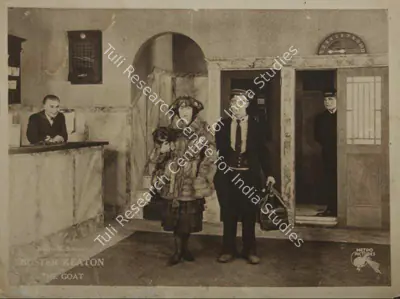
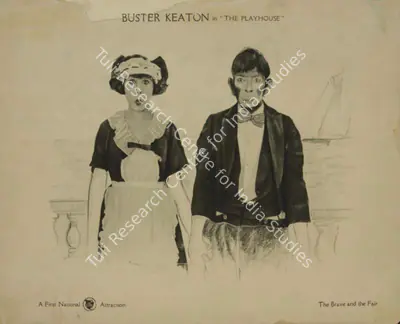
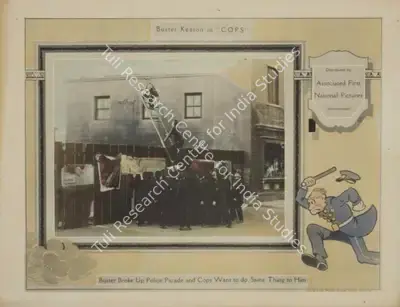
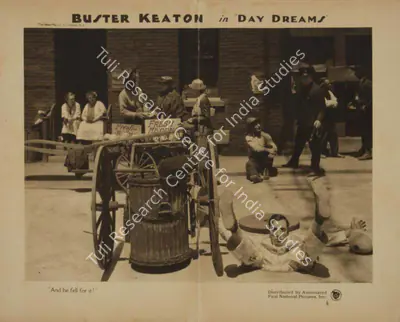
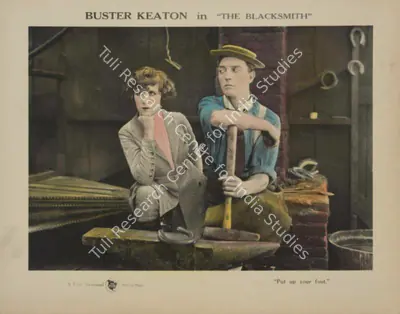
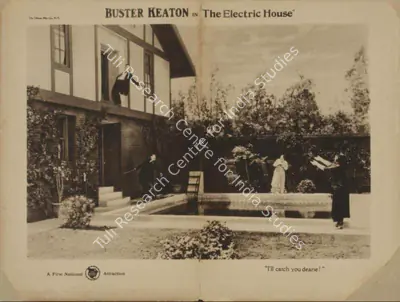
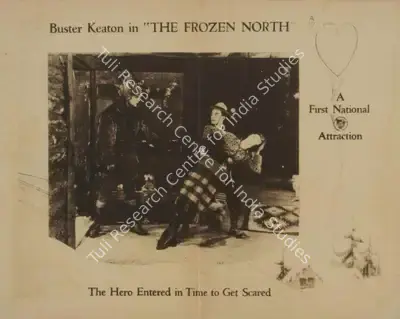
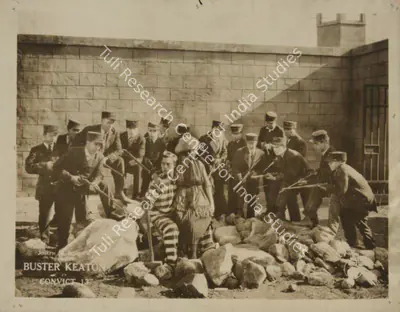
Buster Keaton is one of the greatest formal thinkers in the history of cinema. He reshaped screen comedy through his restrained and unwavering commitment to looking unbothered in the hostile world of his films. Early on during his vaudeville years, he refined the deadpan manner that later became emblematic of his screen identity. He observed that audiences laughed more when he withheld reaction after a fall than when he expressed pain or surprise. Where comedians before him depended on contorted faces and flailing movements to evoke laughter, Keaton caused laugh-riots through his meditative stillness and stoic facial expressions in the face of real danger caused by risky stunts involving falling houses, high-speed trains and deadly boulders.
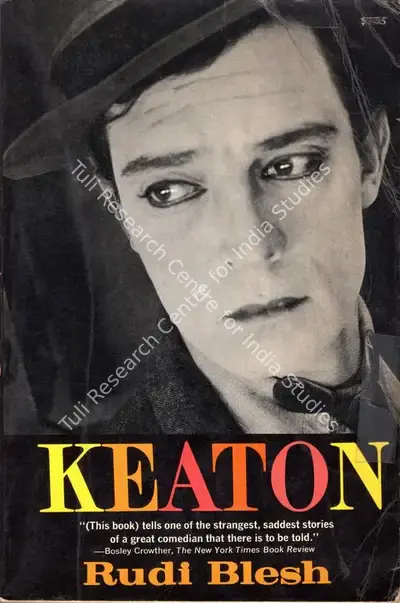
Among all the silent-era comedians, Keaton stands right at the top, arguably sharing the spot with Charlie Chaplin. However, the comparisons with Chaplin often mask the distinct ambitions that shaped their respective works. Chaplin's Tramp is seen as a figure who exemplifies moral resilience in the face of the poverty and exclusion that constitutes modern life. Keaton's stoic screen persona reflects a refined minimalism in gesture and expression. In his intense visage, one could sense the burden of his steady gaze, which has been eulogised by two of the greatest formalists that came after him: Luis Buñuel and Samuel Beckett. Events often seemed to align against Keaton's porkpie hat-donning protagonist, which heightened his appeal, as he endured a series of mishaps beyond his control. His character does not belong to a single circumstance or fixed identity: he may appear as the son of wealth or as a failure, he may emerge triumphant or defeated. Yet it matters little, provided there remains room for a grand concluding gag.
- Date of Birth
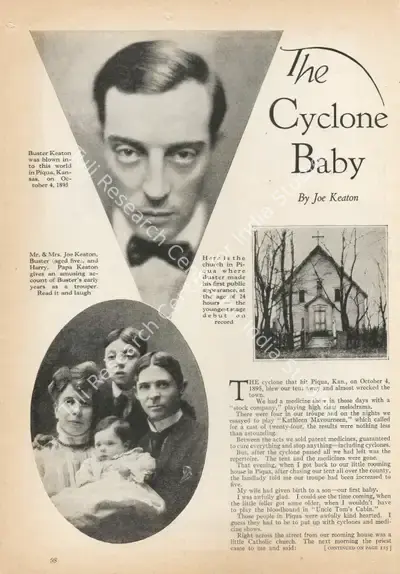
- 04 Oct 1885
- Zodiac sign
- Libra`
- Date of Death
- 1966
- Age
- 80
- Nationality
- American
- Place of Birth
- Piqua, Kansas, U.S.A.
- Place of Death
- Los Angeles, California, U.S.A.
- Spouse(s)
- Eleanor Ruth KeatonNatalie TalmadgeMae Elizabeth Keaton
- Children
- James Talmadge
- Parent(s)
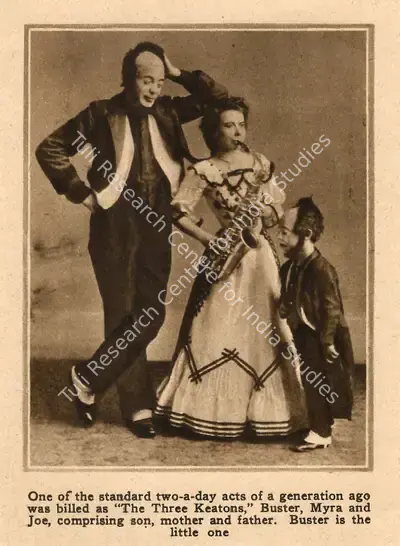
- Joseph Frank Hallie KeatonMyra Edith Keaton
- Siblings
- Harry Stanley KeatonLouise J. Keaton
Filmography 70
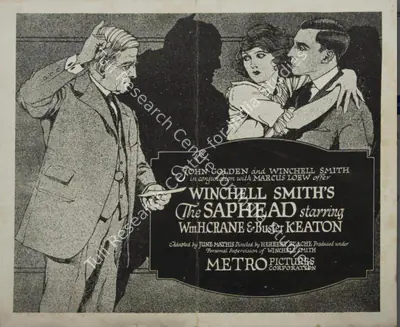
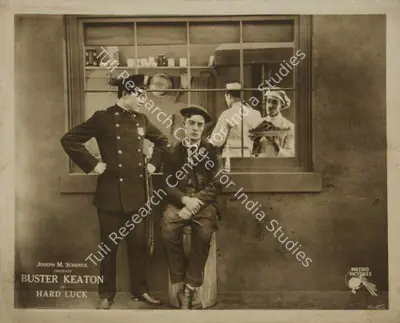
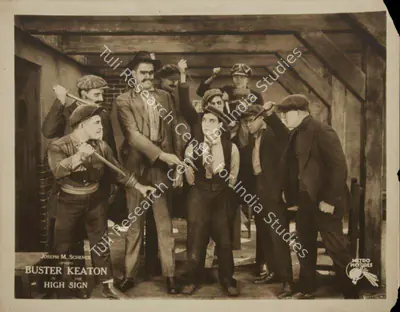
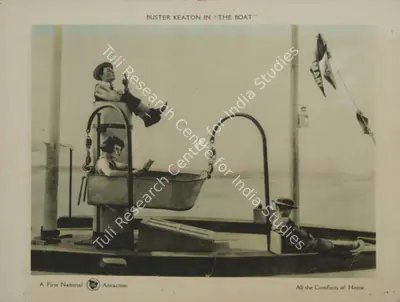
Integrated Timeline
Research Centre
Calendar 1
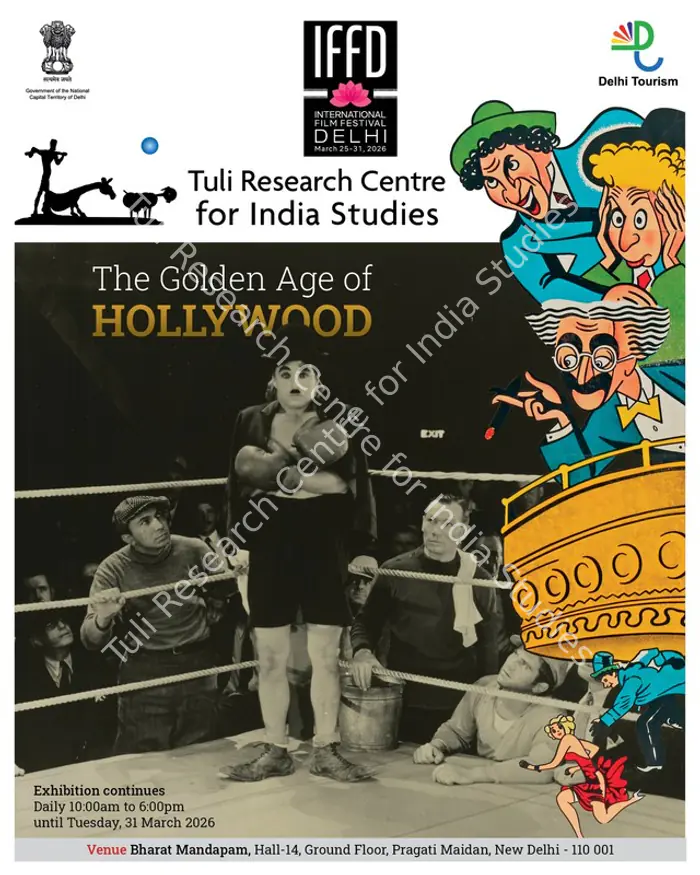
- ArchivedExhibitionProject 66The Golden Age of Hollywood25th - 31st March 202611:00am - 7:00pmBharat Mandapam, Hall-14, Ground Floor, Pragati Maidan, New Delhi - 110001The first exhibition, The Golden Age of Hollywood, 1910-1960s, is part of an Indo-American Cinematic dialogue and a key learning module for the India Studies framework. The exhibition traces major movements from the path-breaking Silent Era of Hollywood where Comedy to German Expressionism dominated; from the Historical Epics to Science-Fiction and Horror; from the focus on the Auteur to Stardom, and beyond.Read More →
Related
21
Films
20
Personalities
1