TRIS logo image
Search275,000+ actors, artists, objects, artworks, films, exhibitions, archives

EN

EN

English

HI

Hindi

EN

EN

English

HI

Hindi

Tuli Research Centre for India Studies

Tuli Research Centre for India Studies

Vision

Manifesto

Archive & Library

Vanraja Sanctuary & Hospice

Home

Research Categories

Browse All

ICore

1_CinemaEducation_Cinema as a Critical Educational Resource

2_FineArts_Modern and Contemporary Indian Fine Arts

3_Photography_Photography in India

4_PopCulture_The Printed Image, Popular Arts, and Crafts

IIMaterial

5_ArcHeritage_India's Architectural Heritage as Inspiration

6_EconomicsArt_Economics of Art & Cultural Industry

7_Travel_Automobile, Transport and Travel Heritage

8_Uncertainty_Uncertainty

IIICritical

9_SocialDuty_Social Responsibility of the Creative Mind

10_Childhood_The Changing Smile of Childhood & Its Second Coming

11_Sensuality_The Sensual Discipline within Creativity

12_Scholarship_The History & Historiography of Scholarship in the Arts, Humanities, and Social Sciences

IVMeaningful

13_SeekJustice_Seeking Justice and Political Integrity

14_IndoWorld_India and her Relationship with the World

15_SpiritualPoetics_The Religious-Spiritual-Poetic-Philosophical Framework

16_Continuum_The Animal-Human-Nature Continuum

Explore

All

Posts

Masterlists

Calendar

Live | Upcoming

All Events

Timetable

Search275,000+ actors, artists, objects, artworks, films, exhibitions, archives

EN

EN

English

HI

Hindi

Boy (1969)

Boy (1969)

Film.Japanese Cinema
DirectorNagisa Oshima
LanguageJapanese
On this Page
Introduction
Body of Work
Research Centre1
All1
Archive1
Home/Film/Boy (1969)

Boy1969

Boy (1969): featured artwork

Introduction

Introduction for Boy (1969) is being prepared.
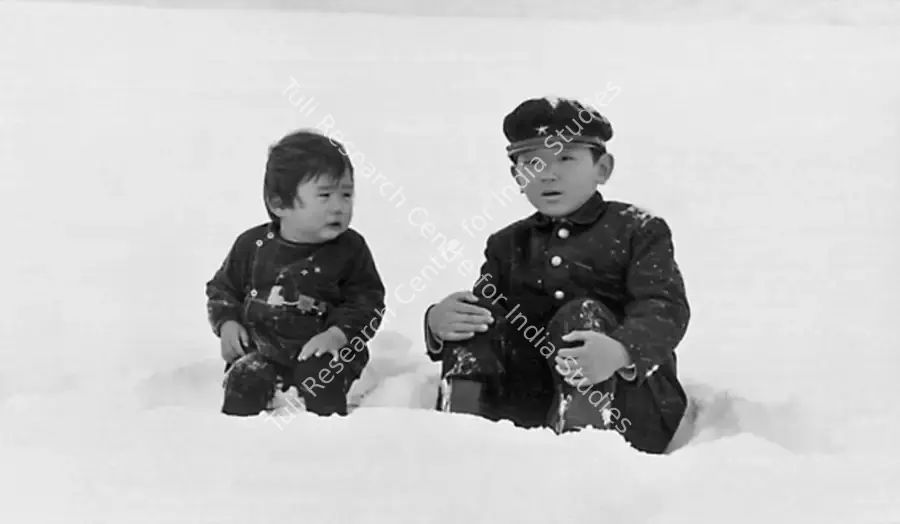
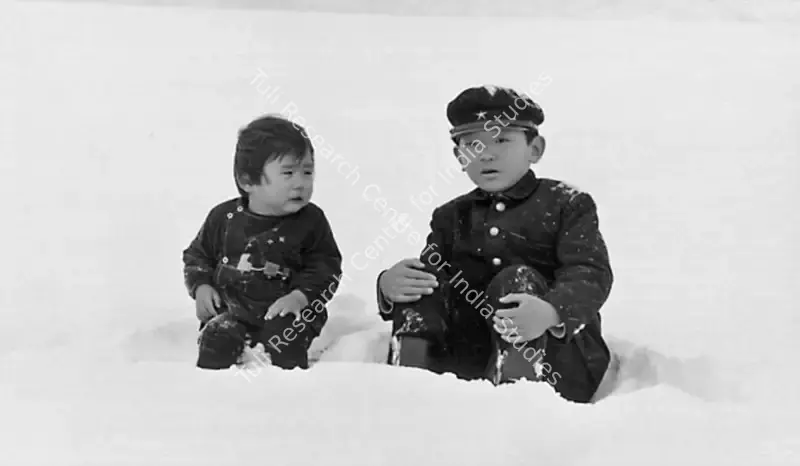
Nakajima, Masayuki (Producer), Boy, 1969 | Photographic Still | CinemaEducation | 00457665

Body of Work

“Nagisa Oshima is most widely known in the west for In the Realm of the Senses, a story of sexual obsession based on a true incident, which had censors everywhere reaching for their scissors. The fact that the film was also a metaphor for the militarist ills of Japan escaped them entirely. But Oshima shouldn't be judged solely on the audacity and shock tactics of this admittedly astonishing film.

He was, in fact, only one of three outstanding film-makers who reacted against the classical, humanist cinema of Ozu, Mizoguchi and Kurosawa and delved into the structures of Japanese society as they were being broken down by the modern world. The other two were Imamura and Shinoda who, like Oshima, were deeply affected by the French new wave in their struggle against the studio system in Japan. It's difficult to say who was the most successful, but each made unforgettable films totally different to the great Japanese movies of the 50s.

Oshima's Death by Hanging (1968), Diary of a Shinjuku Thief (1969) and The Ceremony (1971) showed an even firmer grasp than In the Realm of the Senses of the way in which Japan was changing and the profound effect of that change. My favourite of his films, though, is Boy (1969), called Shonen in Japan.

Like Realm, its story was taken directly from newspaper clippings, and the film illustrates perfectly the view held by all three of these very different film-makers that the underbelly of Japan was often worth studying more deeply than conventional society, and that its denizens deserved as much understanding as anybody else. The lovers in Realm were outsiders, and so is the down-and-out itinerant family depicted in this far less notorious but equally impressive film.

The father is lazy and embittered, the step-mother more presentable in a tarty sort of way - ever hopeful that the father's 10-year-old son will regard her with affection. The only way they can think of making a living is by using the boy as a breadwinner. He has to fake being injured in road accidents in order to blackmail \"hospital money\" out of drivers.

It's a strategy that has some success until, perhaps inevitably, the boy is caught. But despite his confusion and obvious unhappiness, he refuses to admit anything to the police. His loyalty, even to this unsatisfactory family, is complete. To him, the world outside is an even worse prospect.

Oshima tells this odd tale, which could have sprung from Dickens, without sentimentality and secures from the boy the kind of natural performance that makes us weep. He seems a very normal child in abnormal circumstances, indulging in science-fiction fantasies and longing for a hero to believe in.

The portrait of Japan that Oshima paints is very different from the one westerners might expect. His main thrust is that, in such a society, rushing towards the economic miracle that was later to be so rudely interrupted, there are large numbers of people who will always be left behind. In these circumstances, it is perhaps not surprising that the family is unaware that they are doing wrong. They are just trying to survive.

Some of Oshima's films, which all come from the left, even if he began to hate the leaders of the communist party he initially sympathised with, seem to be influenced by either Godard or Bunuel, as well as by a deep suspicion of Japanese traditions. But Boy, if it is to be compared with any European work, is more like a Truffaut film. Its comparatively straightforward narrative is linked to warmth of expression that Oshima has seldom emulated since.” (Malcolm, Derek. (2000). Nagisa Oshima: Boy. Available: https://www.theguardian.com/film/2000/oct/05/derekmalcolmscenturyoffilm.derekmalcolm. Last accessed 19th February 2019.)
Art Director
Shigemasa Toda
Banner
Art Theatre Guild, Sozosha
Cinematographer
Seizo Sengen, Yasuhiro Yoshioka
Director
Nagisa Oshima
Editing
Sueko Shiraishi, Keiichi Uraoka
Lead Cast
Tetsuo Abe, Tsuyoshi Kinoshita, Akiko Koyama, Fumio Watanabe
Lead Cast Rest
Yu Do-yun, Lolo cannon
Music Director
Hikaru Hayashi
Producer
Masayuki Nakajima, Takuji Yamaguchi
Screenplay Writer
Tsutomu Tamura

Research Centre

Masayuki Nakajima (Producer), Boy, 1969, Photographic Still
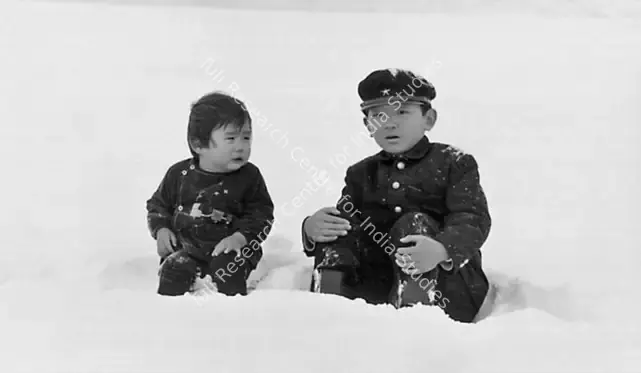
Nakajima, Masayuki (Producer), Boy, 1969 | Photographic Still
View full record
Masayuki Nakajima (Producer), Boy, 1969, Photographic Still
Nakajima, Masayuki (Producer), Boy, 1969 | Photographic Still
View full record
Tuli Research Centre for India Studies

Tuli Research Centre

for India Studies

A free and open knowledge base for the modern and contemporary Indian arts, cinema, photography and cultural heritage.

Support

Contact Us

Discover

Tuli Research Centre for India StudiesVisionManifestoArchive & LibraryVanraja Sanctuary & Hospice

Legal

Privacy PolicyTerms & Conditions

Follow us

Youtube

Youtube

Instagram

Instagram

Facebook

Facebook

© Tuli Research Centre for India Studies 2026

Tuli Research Centre for India Studies

Tuli Research Centre

for India Studies

A free and open knowledge base for the modern and contemporary Indian arts, cinema, photography and cultural heritage.

Tuli Research Centre for India StudiesVisionManifestoArchive & LibraryVanraja Sanctuary & Hospice
Contact Us
Privacy PolicyTerms & Conditions

Follow us

YoutubeInstagramFacebook

© Tuli Research Centre for India Studies 2026

              Nakajima, Masayuki (Producer), Boy, 1969 | Photographic Still | CinemaEducation | 00457665

              Nakajima, Masayuki (Producer), Boy, 1969 | Photographic Still

              ProducerMasayuki Nakajima
              Document TypePhotographic Still
              Film TitleBoy, 1969, Japan, Japanese
              DirectorNagisa OshimaBannerArt Theatre Guild, Sozosha
              Art DirectorShigemasa TodaCinematographerSeizo Sengen, Yasuhiro Yoshioka
              CastTetsuo Abe, Tsuyoshi Kinoshita, Akiko Koyama, Fumio Watanabe, Yu Do-yun, Lolo cannon
              EditingSueko Shiraishi, Keiichi Uraoka
              Music DirectorHikaru Hayashi
              Copyright of ImageRefer to Source

              Research Categories

              1_CinemaEducation

              Related Links2

              Masterlist
              Cinema Photographic Stills
              Research Categories
              01Cinema as a Critical Educational Resource