

Introduction
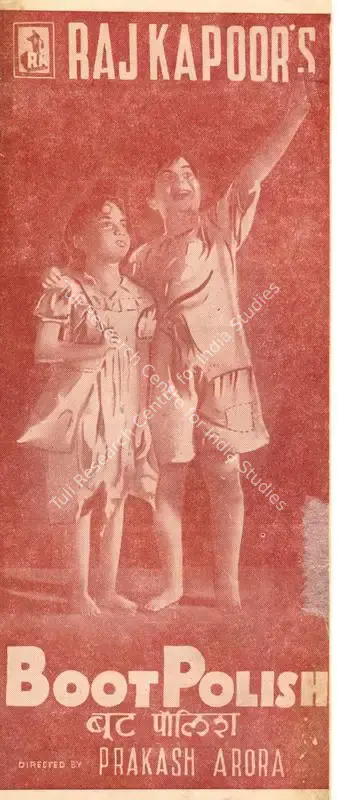
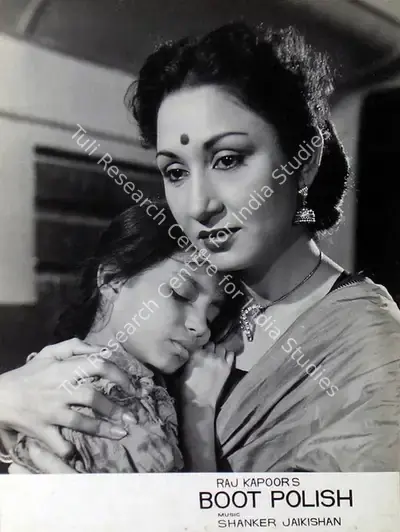
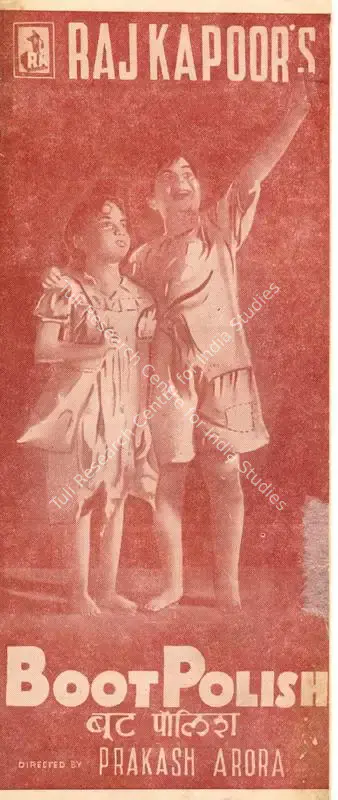
Boot Polish (1954) Celebrated as a landmark in Indian cinema, and remembered for its deep humanism, emotional resonance, and cinematic excellence, the film was directed by Prakash Arora and produced by Raj Kapoor who also played a significant uncredited role in shaping the film's direction. It became both a critical triumph and a commercial hit upon release.
It featured a talented cast including Ratan Kumar, Naaz, David, Chand Burke, Bhudo Advani, and Raj Kapoor in a brief yet impactful appearance as himself, Boot Polish told a powerful story that struck a chord with audiences across India.
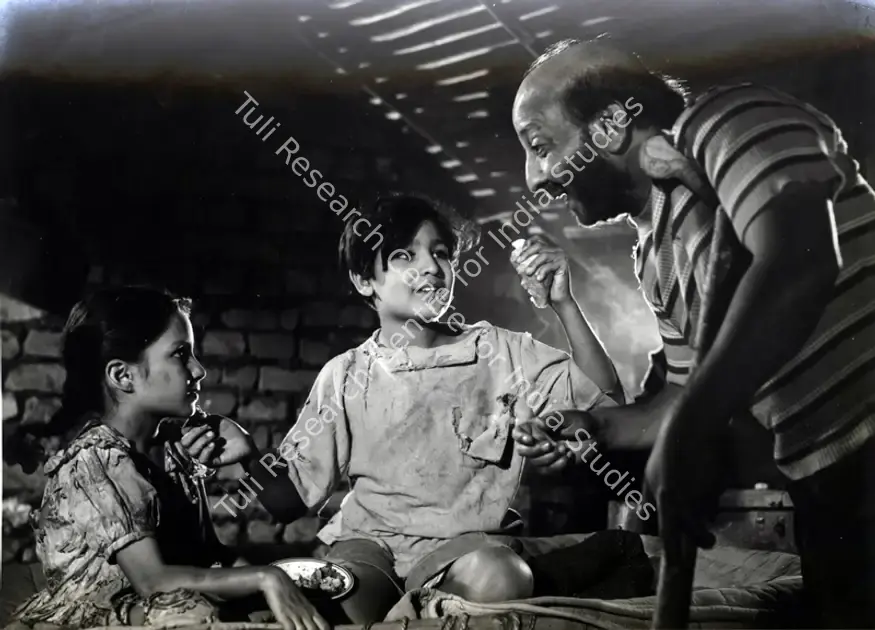
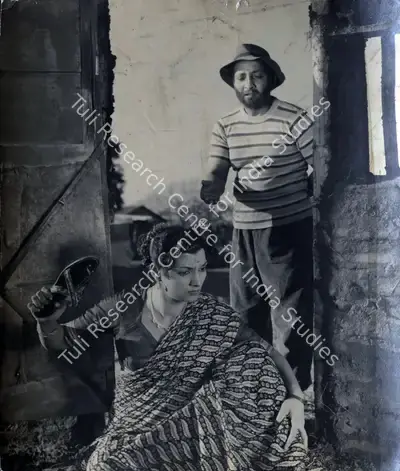
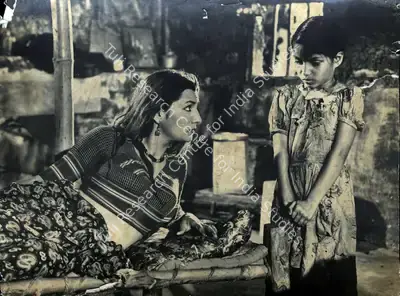
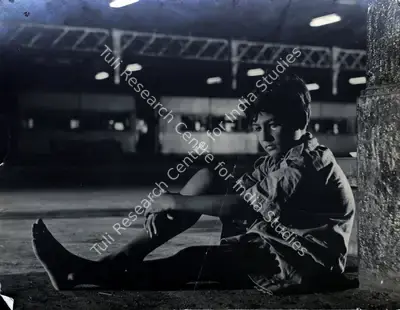
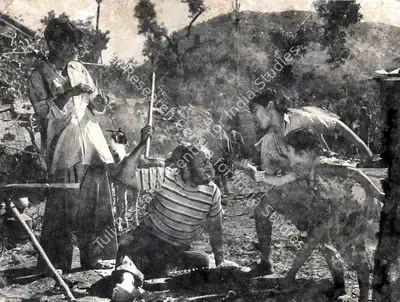
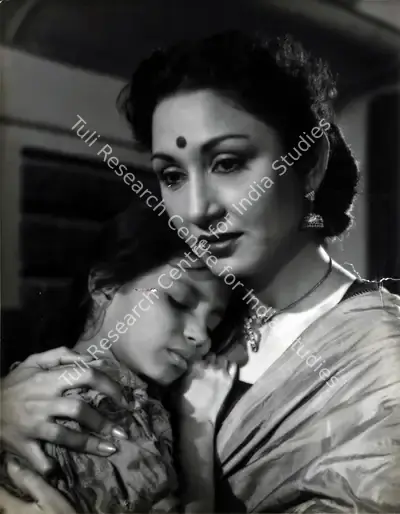
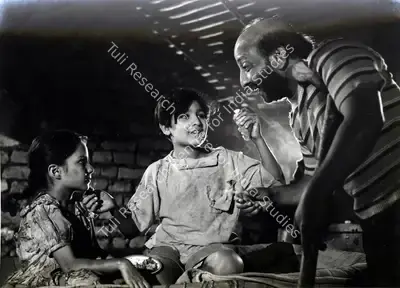
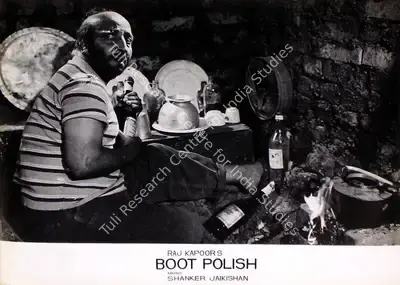
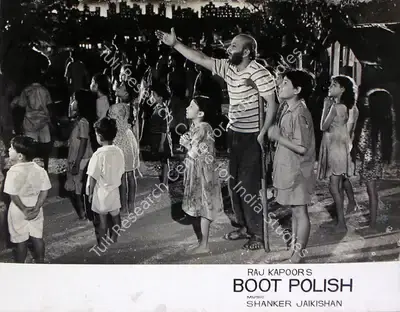
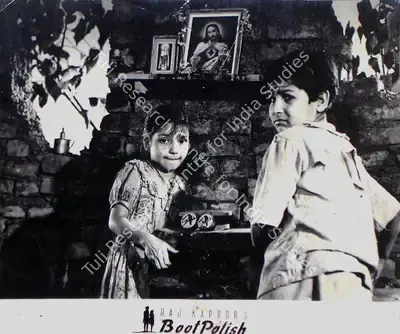
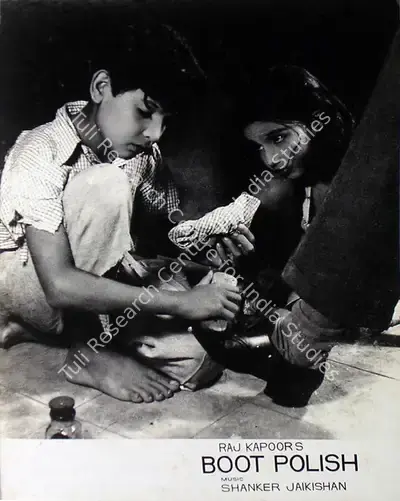
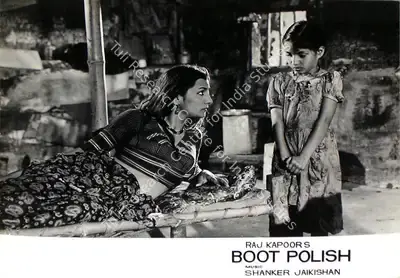
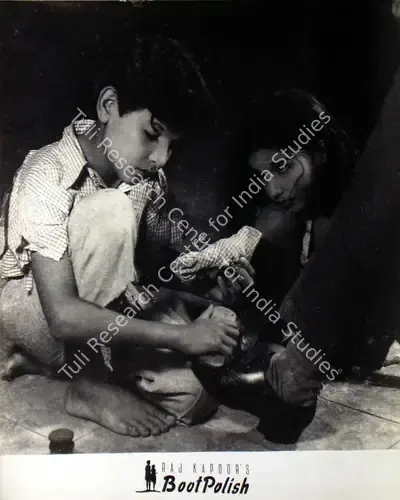
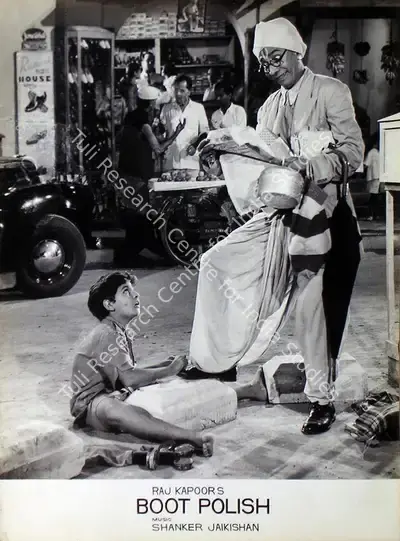
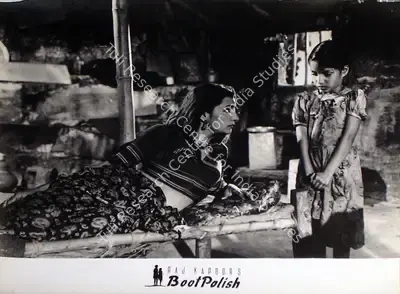
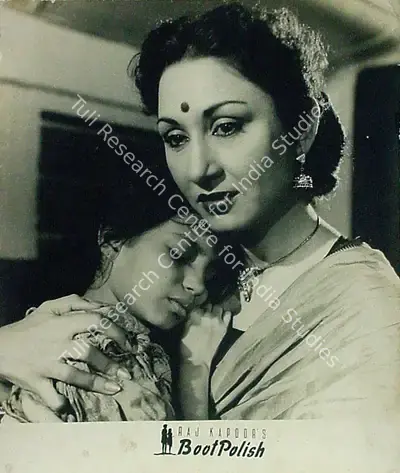
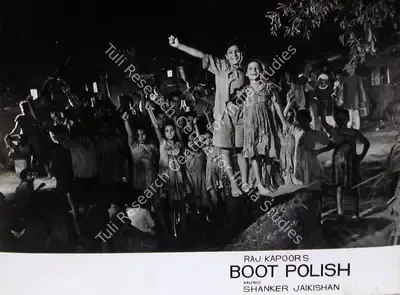
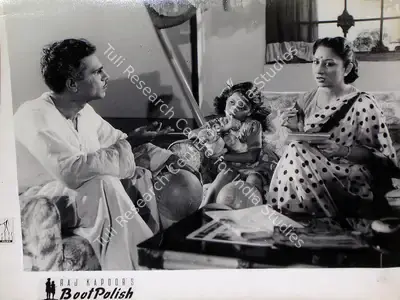
The narrative follows a young brother and sister abandoned by their father and left in the care of an abusive aunt, a streetwalker. Set in the slums and squatters' colonies of post-independence India, the siblings' story unfolds as they resist being forced into begging. With the support of a kind-hearted, physically challenged man, they learn to earn a living shining shoes, choosing dignity over desperation. Their journey of survival, resilience, and hope lies at the heart of the film.
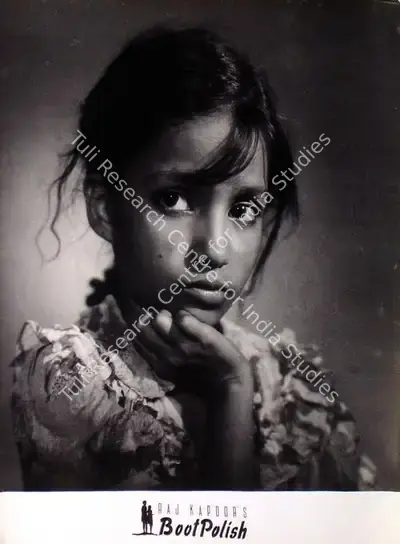
Despite lacking the allure of big-name stars, Boot Polish performed remarkably well at the box office, recouping its budget and earning significant profits. The film also garnered international acclaim. At the 1955 Cannes Film Festival, it was nominated for the prestigious Palme d'Or and won a Special Mention for child actress Naaz, whose performance left a lasting impression. Back home, the film swept several categories at the Filmfare Awards: Raj Kapoor won Best Film, David received Best Supporting Actor, and Tara Dutt was honoured with Best Cinematography.
The music of Boot Polish played a key role in its success. Composed by the legendary duo Shankar-Jaikishan, with lyrics by Shailendra and Hasrat Jaipuri, the soundtrack included evergreen songs such as Nanhe Munne Bachche Teri Muthhi Mein Kya Hai, sung by Asha Bhosle and Mohammed Rafi, and Chali Kaunse Desh Gujariya Tu Saj Dhaj Ke, rendered by Asha Bhosle and Talat Mahmood.
In a powerful editorial written by Raj Kapoor at the time, he reflected on the social message of the film: “In Awaara I tried to prove that vagabonds are not born, but are created in the slums of our modern cities, in the midst of dire poverty and evil environment. Boot Polish graphically shows the problem of destitute children, their struggle for existence and their fight against organised beggary. The purpose of this film is to bring home to you that these orphans are as much your responsibility as that of the Government. Individual charity will not solve this problem because the only solution is co-operative effort on a national scale.”
Boot Polish stands today not only as a cinematic gem but also as a compassionate call for social responsibility and systemic reform, a film ahead of its time and timeless in its message.
फ़िल्म में रतन कुमार, नाज़, डेविड, चाँद बर्क, भूदो आडवाणी और एक छोटी किंतु प्रभावशाली भूमिका में खुद राज कपूर जैसे कलाकारों ने अभिनय किया। बूट पॉलिश ने एक सशक्त कहानी को पूरी भावप्रवणता के साथ सुनाया। ऐसी कहानी जिसने भारतभर के दर्शकों के दिलों को छू लिया।
इस फ़िल्म की कहानी दो ऐसे छोटे भाई-बहनों के साथ आगे बढ़ती है जिन्हें उनका पिता छोड़ जाता है और जो सड़क पर रहनेवाली अपनी क्रूर चाची की देखभाल में रह जाते हैं। आज़ादी के बाद के भारत में मौजूद झुग्गी-झोपड़ियों और शहरी कच्ची बस्तियों की पृष्ठभूमि पर आधारित यह कथा दिखाती है कि कैसे ये बच्चे भीख माँगने के लिए मजबूर किए जाने का विरोध करते हैं। कैसे एक दयालु और शारीरिक रूप से विकलांग व्यक्ति के सहयोग से वे जूते पॉलिश कर अपनी रोज़ी-रोटी कमाना सीखते हैं और जीवन जीने के लिए बेबसी के बजाय आत्मसम्मान का रास्ता चुनते हैं। ज़िन्दा रहने के लिए भी संघर्ष करने, पर उस परिस्थिति में भी उम्मीद बनाए रखने की उनकी यह यात्रा ही फ़िल्म का मूल संदेश है।
बड़े सितारों की अनुपस्थिति के बावजूद बूट पॉलिश ने टिकट खिड़की पर पर शानदार प्रदर्शन किया। इसने न सिर्फ़ अपनी लागत वसूल की, रिलीज़ के बाद अच्छा मुनाफ़ा भी कमाया। इस फ़िल्म को अंतरराष्ट्रीय स्तर पर भी प्रशंसा मिली। सन् 1955 के 'कान फ़िल्म महोत्सव' में इसे प्रतिष्ठित 'पाम द'ओर' पुरस्कार के लिए नामांकित किया गया और वहीं फ़िल्म की बाल कलाकार बेबी नाज़ को उनके यादगार अभिनय के लिए 'विशेष उल्लेख' से सम्मानित किया गया। भारत में भी इसने फ़िल्मफ़ेयर पुरस्कारों में कई श्रेणियों में जीत हासिल की। अभिनेता राज कपूर ने निर्माता के बतौर 'सर्वश्रेष्ठ फ़िल्म' का पुरस्कार हासिल किया जबकि डेविड को 'सर्वश्रेष्ठ सहायक अभिनेता' और तारा दत्त को 'सर्वश्रेष्ठ छायांकन' के लिए फ़िल्मफ़ेयर सम्मान से नवाज़ा गया।
फ़िल्म के संगीत ने भी इसकी कामयाबी में बड़ी भूमिका निभाई। संगीतकार शंकर-जयकिशन की जोड़ी की बनाई मधुर धुनों पर गीतकार शैलेन्द्र व हसरत जयपुरी ने ऐसे यादगार गीत रचे जो आज भी अमर हैं। ख़ासकर इनमें आशा भोंसले और मोहम्मद रफ़ी का गाया “नन्हे मुन्ने बच्चे तेरी मुठ्ठी में क्या है” और आशा भोंसले एवं तलत महमूद का गाया “चली कौन से देश गुड़िया तू सज-धज के” विशेष रूप से लोकप्रिय हुए।
राज कपूर ने उस समय लिखे एक प्रभावशाली संपादकीय लेख में फ़िल्म के सामाजिक संदेश पर विचार करते हुए कहा था, “आवारा में मैंने यह साबित करने की कोशिश की थी कि कोई आवारा पैदाइशी नहीं होता बल्कि हमारी आधुनिक बस्तियों में फैल गरीबी और गलीज़ माहौल उन्हें ऐसा बना देता है। बूट पॉलिश बेसहारा बच्चों की समस्या और उनके अस्तित्व की लड़ाई को तथा भीख माँगने के संगठित उद्योग के ख़िलाफ़ उनके संघर्ष को सीधे दिखाती है। इस फ़िल्म का उद्देश्य आपको यह अहसास कराना है कि ये अनाथ बच्चे आपकी भी उतनी ही ज़िम्मेदारी हैं जितनी कि सरकार की। भीख में कुछ रुपए देने से यह समस्या हल नहीं होगी क्योंकि इसका एकमात्र समाधान राष्ट्रीय स्तर पर सामूहिक प्रयास है।”
आज बूट पॉलिश सिर्फ़ सिनेमाई दुनिया का सितारा ही नहीं बल्कि समाज को उसकी ज़िम्मेदारी याद दिलानेवाला और संरचनात्मक सुधार की वकालत करनेवाला आह्वान भी है। यह अपने समय से कहीं आगे की फ़िल्म है और इसका संदेश आज भी प्रासंगिक बना हुआ है।