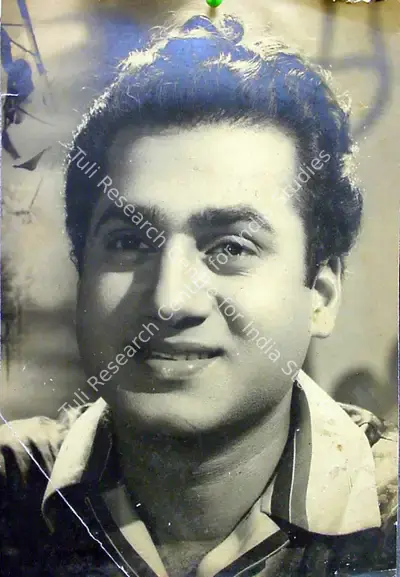

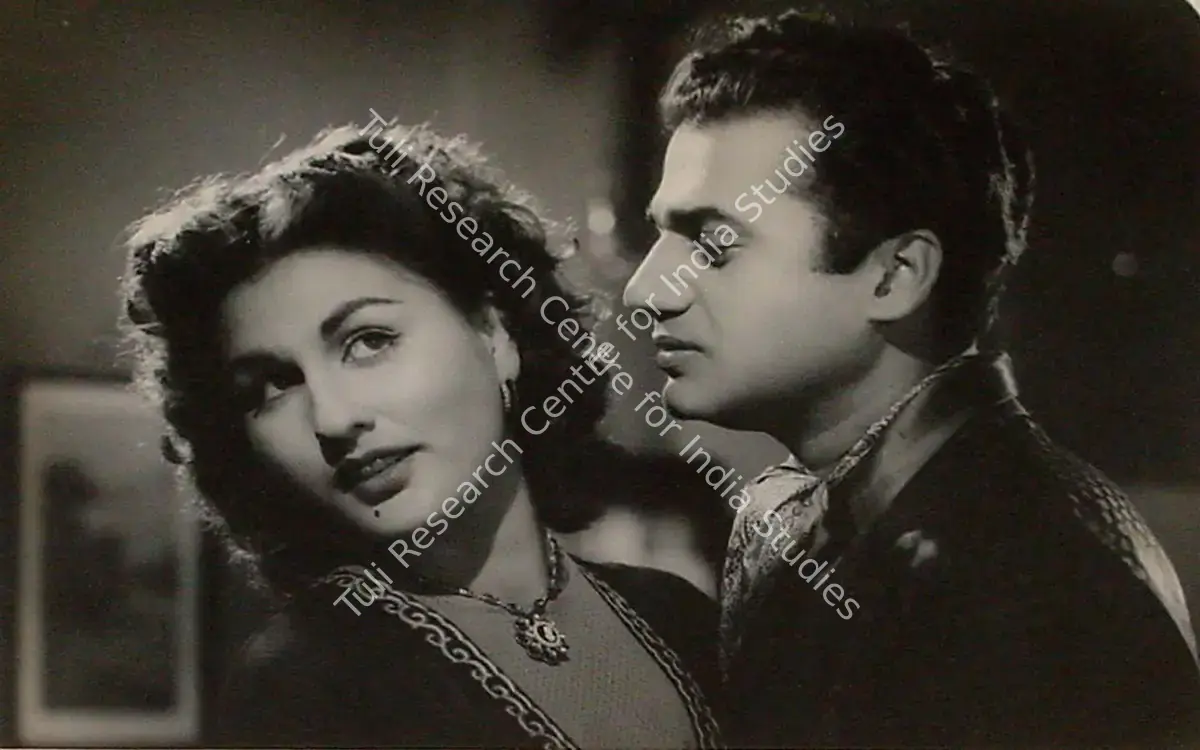
Begum Para

Begum Para
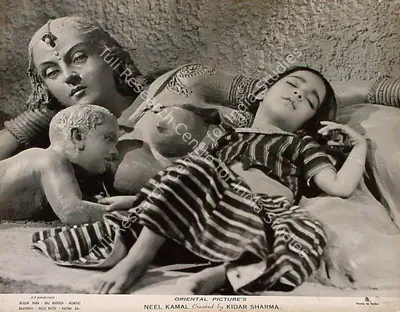
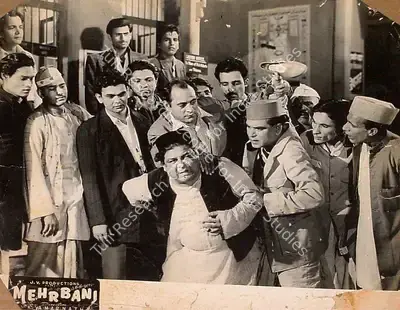
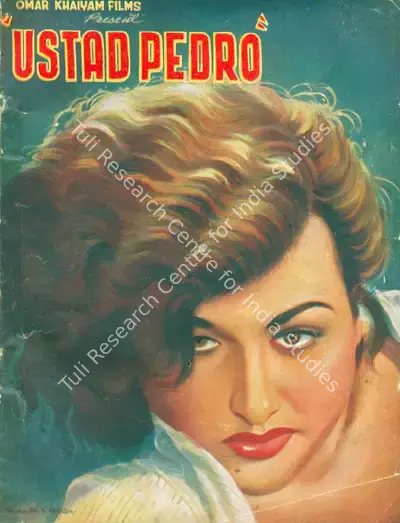
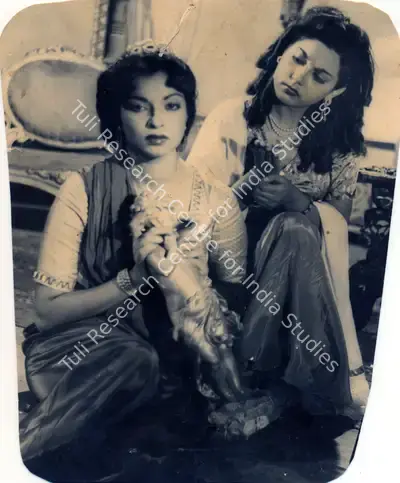
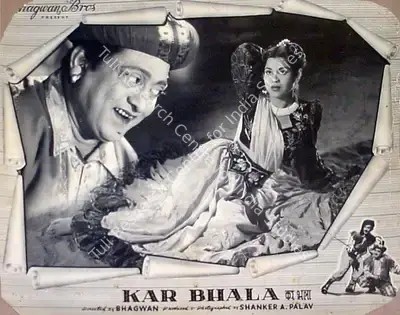
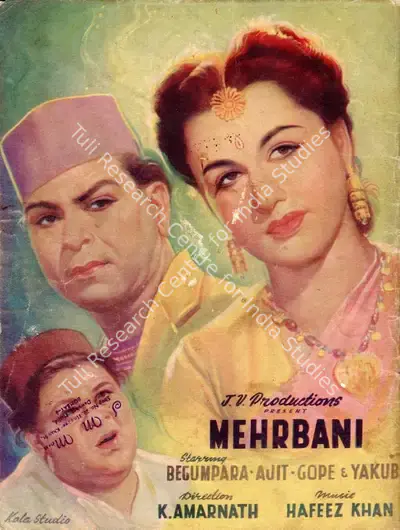
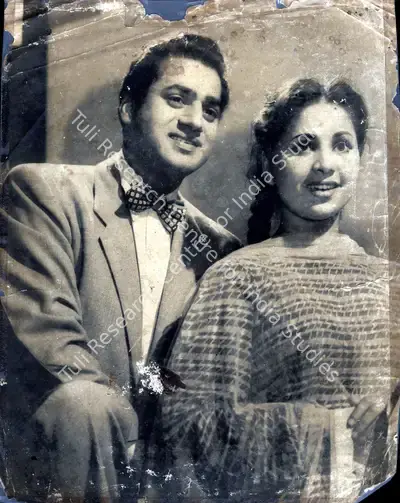
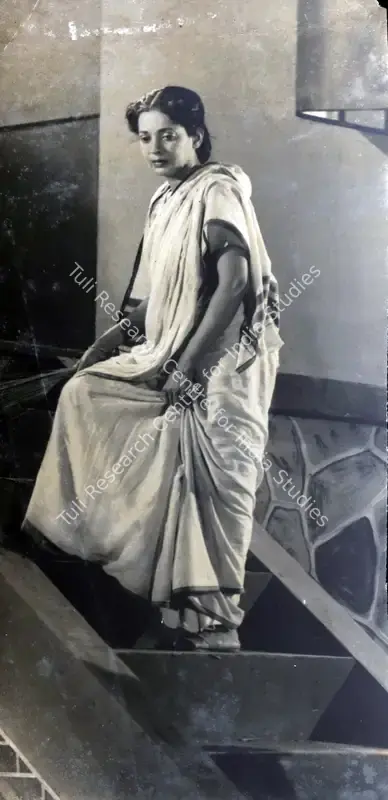
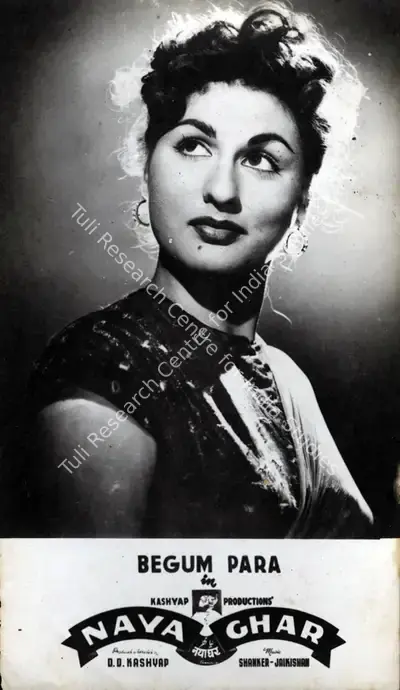
Begum Para (née Zubeda Ul Haq; 25 December 1926 – 9 December 2008) remains an indelible figure in the annals of Indian cinema, celebrated for her magnetic beauty and luminous screen presence. Active primarily during the 1940s and 1950s, she epitomized the quintessential glamour of early Bollywood, earning a dedicated photo session in Life magazine that immortalized her as one of the most sensuous icons of her era. Born in Jhelum, then part of British India (now in Punjab, Pakistan), into an eminent Punjabi family, Begum Para inherited grace and intellect in equal measure. Her father, Mian Ehsan-ul-Haq, served as Chief Justice of the princely state of Bikaner and was also a distinguished cricketer. Raised in Aligarh amidst an environment of disciplined liberalism, she received her education at Aligarh Muslim University. Artistic temperament ran in the family—her brother Masrurul Haq pursued acting in Bombay, marrying Bengali actress Protima Dasgupta, while her grandniece, Amrita Singh, would later rise to cinematic fame in the 1980s. known for a glamorous and modern persona that challenged conservative norms in the 1950s. She was considered India's first pin-up girl after participating in a provocative photoshoot for Life magazine in 1951, a daring move for a female actress of that era. Beyond her photoshoots, she was known for her bold screen presence and confidence, which set her apart from many of her contemporaries. Her cinematic journey commenced with Chand (1944) from Prabhat Studios, a resounding success that established her as a promising star. This was followed by Chhamia (1945), inspired by Shaw's Pygmalion, which further cemented her allure. Though typecast in glamorous roles due to her striking persona, she embraced such characters with effortless poise, infusing them with charm and vitality. Her notable works included Sohni Mahiwal (1946), Zanjeer (1947), Neel Kamal (1947) opposite Raj Kapoor, Suhaag Raat (1948), Ustad Pedro (1951), and Meherbani (1950). In 1951, her elegance transcended Indian cinema when photographer James Burke captured her for Life magazine, a moment that solidified her as a global emblem of allure. Though offered the celebrated role of Bahar in Mughal-e-Azam (1960), she declined it, deeming it contrary to her image. Her final film of that era was Kar Bhala (1956). After a prolonged retreat from the screen, she made a poignant return in Sanjay Leela Bhansali's Saawariya (2007), portraying Sonam Kapoor's grandmother—a performance of wistful grace that crowned her illustrious journey. Begum Para passed away peacefully in 2008, leaving behind a legacy of timeless elegance and cinematic enchantment.
Begum Para
Begum Para (née Zubeda Ul Haq; 25 December 1926 – 9 December 2008) remains an indelible figure in the annals of Indian cinema, celebrated for her magnetic beauty and luminous screen presence. Active primarily during the 1940s and 1950s, she epitomized the quintessential glamour of early Bollywood, earning a dedicated photo session in Life magazine that immortalized her as one of the most sensuous icons of her era. Born in Jhelum, then part of British India (now in Punjab, Pakistan), into an eminent Punjabi family, Begum Para inherited grace and intellect in equal measure. Her father, Mian Ehsan-ul-Haq, served as Chief Justice of the princely state of Bikaner and was also a distinguished cricketer. Raised in Aligarh amidst an environment of disciplined liberalism, she received her education at Aligarh Muslim University. Artistic temperament ran in the family—her brother Masrurul Haq pursued acting in Bombay, marrying Bengali actress Protima Dasgupta, while her grandniece, Amrita Singh, would later rise to cinematic fame in the 1980s. known for a glamorous and modern persona that challenged conservative norms in the 1950s. She was considered India's first pin-up girl after participating in a provocative photoshoot for Life magazine in 1951, a daring move for a female actress of that era. Beyond her photoshoots, she was known for her bold screen presence and confidence, which set her apart from many of her contemporaries. Her cinematic journey commenced with Chand (1944) from Prabhat Studios, a resounding success that established her as a promising star. This was followed by Chhamia (1945), inspired by Shaw's Pygmalion, which further cemented her allure. Though typecast in glamorous roles due to her striking persona, she embraced such characters with effortless poise, infusing them with charm and vitality. Her notable works included Sohni Mahiwal (1946), Zanjeer (1947), Neel Kamal (1947) opposite Raj Kapoor, Suhaag Raat (1948), Ustad Pedro (1951), and Meherbani (1950). In 1951, her elegance transcended Indian cinema when photographer James Burke captured her for Life magazine, a moment that solidified her as a global emblem of allure. Though offered the celebrated role of Bahar in Mughal-e-Azam (1960), she declined it, deeming it contrary to her image. Her final film of that era was Kar Bhala (1956). After a prolonged retreat from the screen, she made a poignant return in Sanjay Leela Bhansali's Saawariya (2007), portraying Sonam Kapoor's grandmother—a performance of wistful grace that crowned her illustrious journey. Begum Para passed away peacefully in 2008, leaving behind a legacy of timeless elegance and cinematic enchantment.

Introduction

Filmography

Print
filter

Research Centre
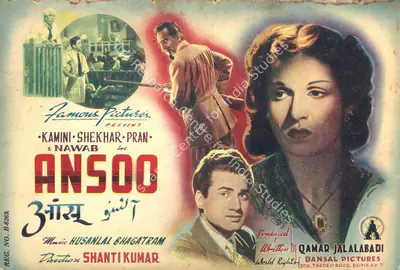
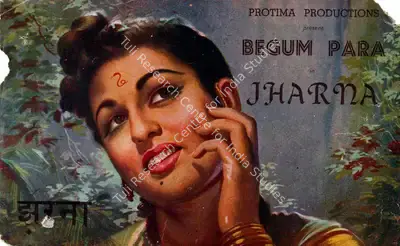
Para, Begum (Producer), Jharna, 1948 | Song-Synopsis Booklet

Para, Begum (Producer), Jharna, 1948 | Song-Synopsis Booklet

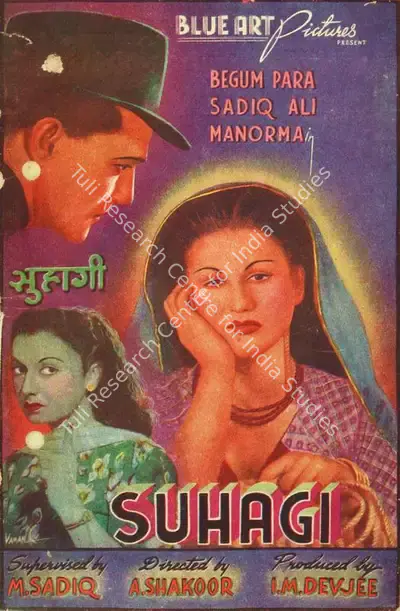
Devjee, I.M. (Producer), Suhagi, 1948 | Song-Synopsis Booklet

Devjee, I.M. (Producer), Suhagi, 1948 | Song-Synopsis Booklet

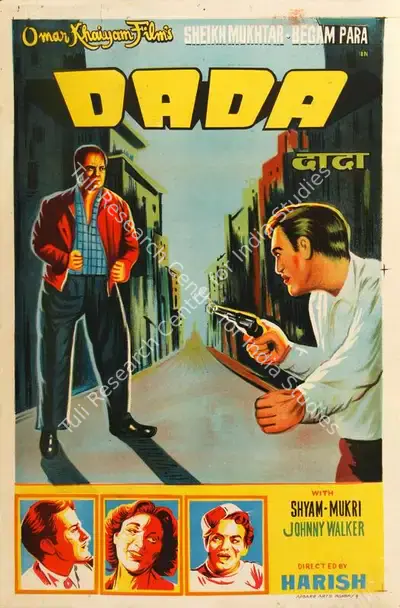
Mukhtar, Sheikh (Producer), Dada, 1949 | Song-Synopsis Booklet

Mukhtar, Sheikh (Producer), Dada, 1949 | Song-Synopsis Booklet

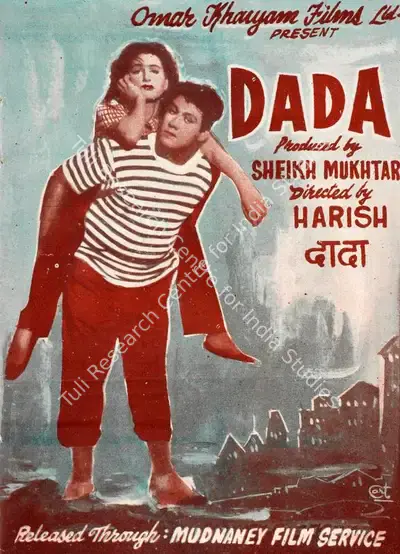
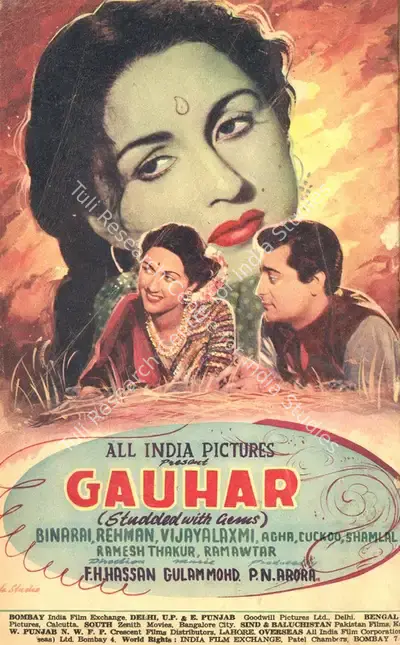
Mukhtar, Sheikh (Producer), Dada, 1949 | Half Sheet Poster

Mukhtar, Sheikh (Producer), Dada, 1949 | Half Sheet Poster

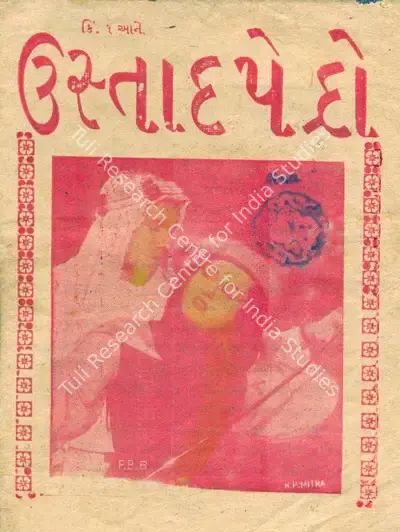
Mukhtar, Sheikh (Producer), Ustad Pedro, 1951 | Song-Synopsis Booklet

Mukhtar, Sheikh (Producer), Ustad Pedro, 1951 | Song-Synopsis Booklet

Mukhtar, Sheikh (Producer), Ustad Pedro, 1951 | Cyclostyled Lyrics Leaflet

Mukhtar, Sheikh (Producer), Ustad Pedro, 1951 | Cyclostyled Lyrics Leaflet

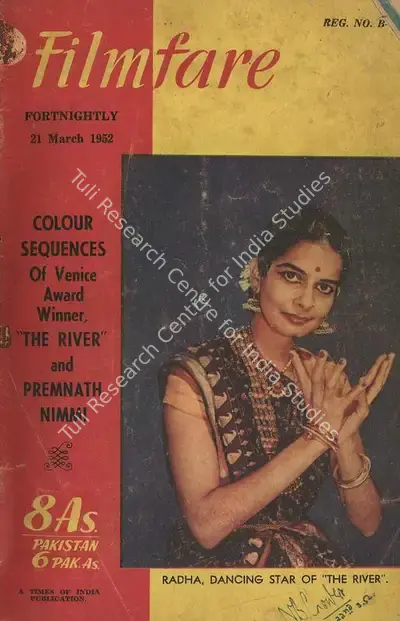
Moraes, Frank (Editor). Filmfare, 21 March 1952 | Magazine | 00793109

Moraes, Frank (Editor). Filmfare, 21 March 1952 | Magazine | 00793109

Moraes, Frank (Editor). Filmfare, 21 March 1952 | Magazine | 00793109

Moraes, Frank (Editor). Filmfare, 21 March 1952 | Magazine | 00793109

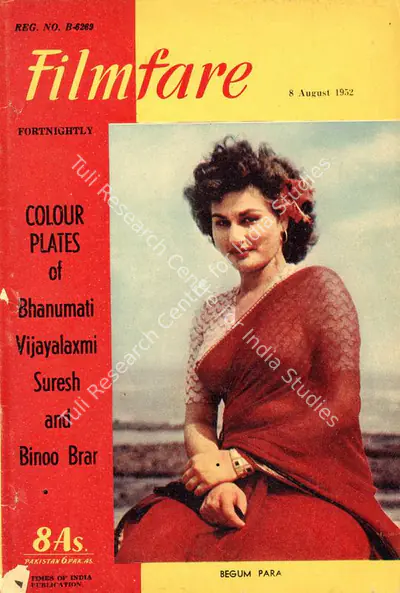
Moraes, Frank (Editor). Filmfare, 08 August 1952 | Magazine | 00793117

Moraes, Frank (Editor). Filmfare, 08 August 1952 | Magazine | 00793117

Moraes, Frank (Editor). Filmfare, 08 August 1952 | Magazine | 00793117

Moraes, Frank (Editor). Filmfare, 08 August 1952 | Magazine | 00793117

Moraes, Frank (Editor). Filmfare, 22 August 1952 | Magazine | 00793118

Moraes, Frank (Editor). Filmfare, 22 August 1952 | Magazine | 00793118

Moraes, Frank (Editor). Filmfare, 22 August 1952 | Magazine | 00793118

Moraes, Frank (Editor). Filmfare, 22 August 1952 | Magazine | 00793118

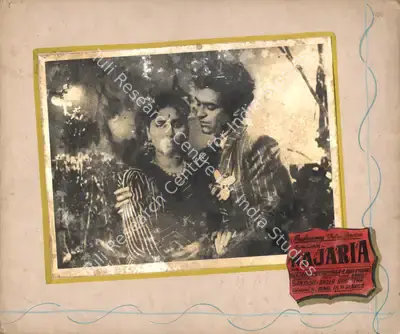
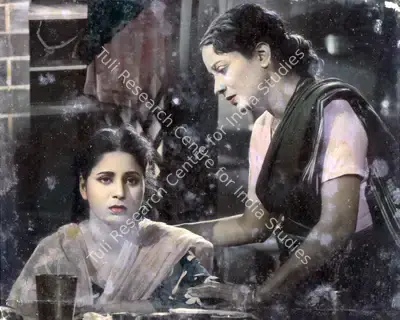
Changezi, Murtaza (Director), Najaria, 1952 | Photographic Still Mounted on Lobby Card

Changezi, Murtaza (Director), Najaria, 1952 | Photographic Still Mounted on Lobby Card

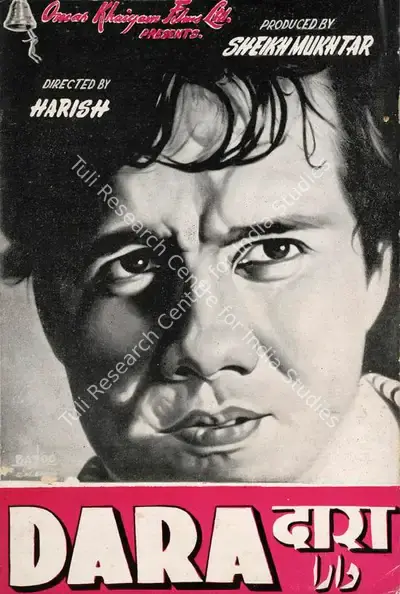
Mukhtar, Sheikh (Producer), Dara, 1953 | Song-Synopsis Booklet

Mukhtar, Sheikh (Producer), Dara, 1953 | Song-Synopsis Booklet

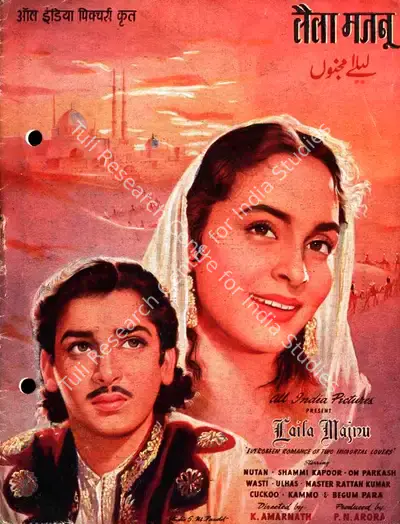
Arora, P.N. (Producer), Laila Majnu, 1953 | Lobby Card

Arora, P.N. (Producer), Laila Majnu, 1953 | Lobby Card

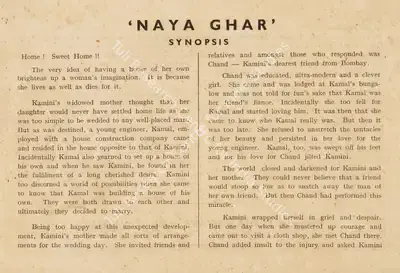
Kashyap, D.D. (Director), Naya Ghar, 1953 | Song-Synopsis Booklet

Kashyap, D.D. (Director), Naya Ghar, 1953 | Song-Synopsis Booklet

Arora, P.N. (Producer), Laila Majnu, 1953 | Full Sheet Poster

Arora, P.N. (Producer), Laila Majnu, 1953 | Full Sheet Poster

Arora, P.N. (Producer), Laila Majnu, 1953 | Cyclostyled Lyrics Leaflet

Arora, P.N. (Producer), Laila Majnu, 1953 | Cyclostyled Lyrics Leaflet

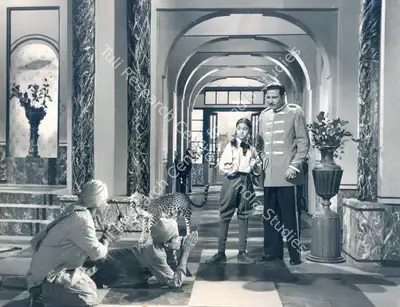
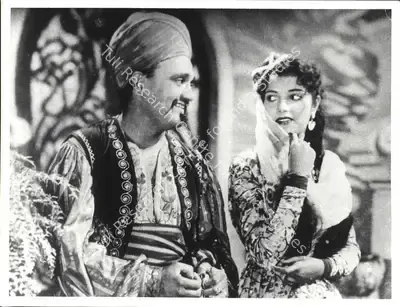
Arora, P.N. (Producer), Laila Majnu, 1953 | Photographic Still

Arora, P.N. (Producer), Laila Majnu, 1953 | Photographic Still

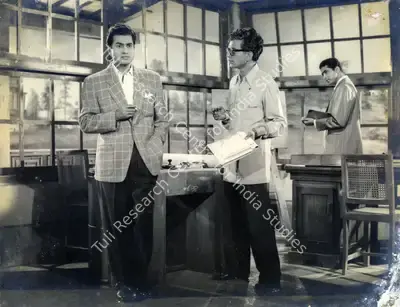
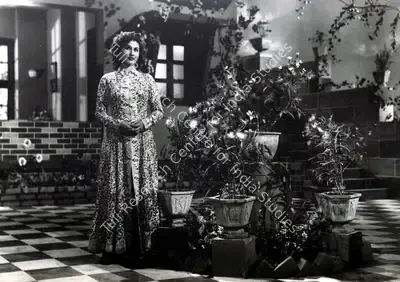
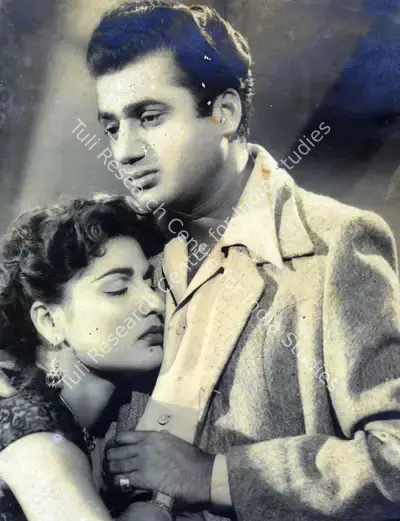
Kashyap, D.D. (Director), Naya Ghar, 1953 | Photographic Still

Kashyap, D.D. (Director), Naya Ghar, 1953 | Photographic Still

Loading...
TRIS logo image