Azadi Ki Raah Par1948
Introduction
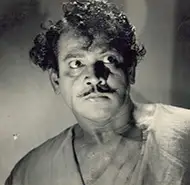
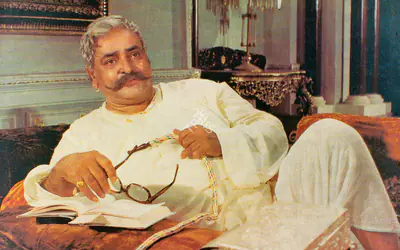
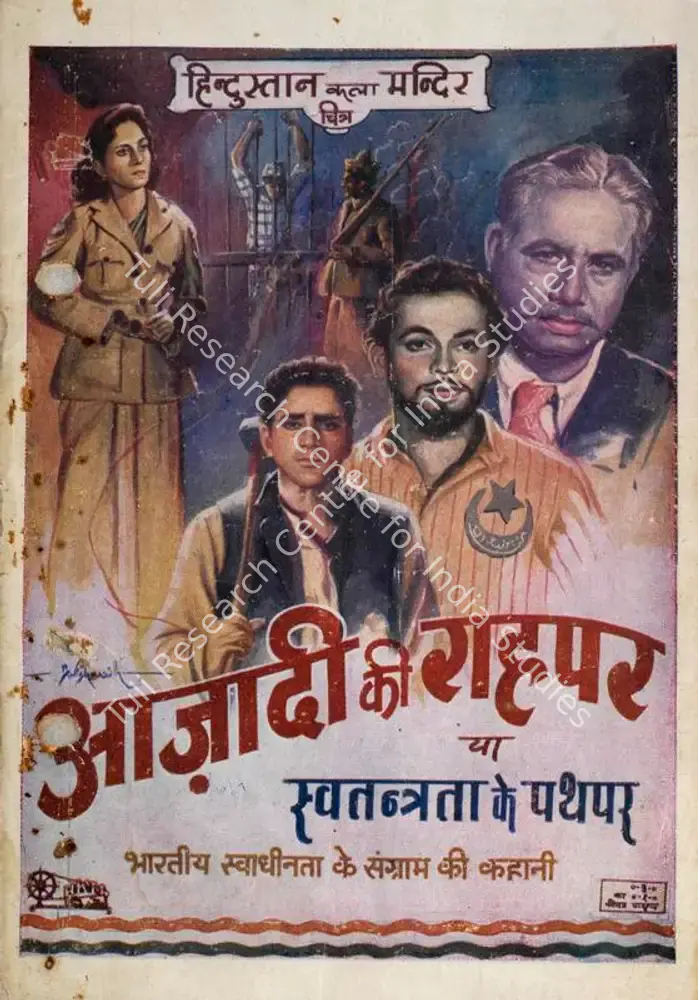
Azadi Ki Raah Par (1948), Directed by Lalit Chandra Mehta, this film was a landmark film that captured the emotional and political aftermath of India's independence. Featuring stalwarts like Prithviraj Kapoor and Vanamala Pawar in the lead roles, the film portrayed the triumphs and tribulations of a newly liberated nation grappling with the consequences of colonial withdrawal.
The film also boasted a strong supporting cast, including Paidi Jairaj, Jagdish Sethi, Sunalini Devi, Misra, Rekha, Jamshedji, Narmada Shankar, and Jawahar Kaul, who brought depth and nuance to the narrative.
Set in the immediate post-independence era, Azadi Ki Raah Par delves into the turbulent events surrounding India's partition in 1947, addressing themes of national unity, communal discord, displacement, and the collective resolve to rebuild a fractured nation. Its realistic portrayal of communal riots and the challenges of resettlement struck a chord with audiences who had witnessed or experienced these traumatic events first hand.
One of the most memorable aspects of the film is its music, which powerfully reinforces its patriotic message. The standout track, Badal Rahi Hai Zindagi, Badal Rahi Hai Zindagi, written by the legendary poet Sahir Ludhianvi, composed by G. D. Kapoor, and soulfully sung by Bahadur Sohrab Nanji, captures the spirit of transformation and hope in a newly independent India.
Another significant inclusion is the iconic patriotic anthem Vijayi Vishva Tiranga Pyara, Jhanda Uncha Rahe Hamara, penned by Shyamlal Gupta 'Parshad' and sung in the film by Sarojini Naidu. Though originally composed during the pre-independence era, the song continues to hold a revered place in Indian patriotic music. It is traditionally sung during flag hoisting ceremonies on Independence Day and Republic Day, symbolizing national pride and unity.
Ultimately, Azadi Ki Raah Par sends a powerful message: although the chains of colonial rule had been broken, true freedom came with its own set of challenges—from political instability to social unrest. However, through unity, resilience, and collective effort, the Indian people aspired to build a stronger and more inclusive nation.
The film also boasted a strong supporting cast, including Paidi Jairaj, Jagdish Sethi, Sunalini Devi, Misra, Rekha, Jamshedji, Narmada Shankar, and Jawahar Kaul, who brought depth and nuance to the narrative.
Set in the immediate post-independence era, Azadi Ki Raah Par delves into the turbulent events surrounding India's partition in 1947, addressing themes of national unity, communal discord, displacement, and the collective resolve to rebuild a fractured nation. Its realistic portrayal of communal riots and the challenges of resettlement struck a chord with audiences who had witnessed or experienced these traumatic events first hand.
One of the most memorable aspects of the film is its music, which powerfully reinforces its patriotic message. The standout track, Badal Rahi Hai Zindagi, Badal Rahi Hai Zindagi, written by the legendary poet Sahir Ludhianvi, composed by G. D. Kapoor, and soulfully sung by Bahadur Sohrab Nanji, captures the spirit of transformation and hope in a newly independent India.
Another significant inclusion is the iconic patriotic anthem Vijayi Vishva Tiranga Pyara, Jhanda Uncha Rahe Hamara, penned by Shyamlal Gupta 'Parshad' and sung in the film by Sarojini Naidu. Though originally composed during the pre-independence era, the song continues to hold a revered place in Indian patriotic music. It is traditionally sung during flag hoisting ceremonies on Independence Day and Republic Day, symbolizing national pride and unity.
Ultimately, Azadi Ki Raah Par sends a powerful message: although the chains of colonial rule had been broken, true freedom came with its own set of challenges—from political instability to social unrest. However, through unity, resilience, and collective effort, the Indian people aspired to build a stronger and more inclusive nation.
आज़ादी की राह पर (1948) के निर्देशक ललित चंद्र मेहता थे। यह फ़िल्म इस मायने में एक यादगार फ़िल्म थी कि इसने भारत की स्वतंत्रता के फ़ौरन बाद के दौर के भावनात्मक और राजनैतिक परिवर्तनों को दर्ज किया। पृथ्वीराज कपूर और वनमाला पवार जैसे उस दौर के दिग्गज कलाकार इस फ़िल्म में मुख्य भूमिकाएँ निभा रहे थे। यह फ़िल्म एक नवस्वतंत्र राष्ट्र की उपलब्धियों और संघर्षों को दिखाती है। एक ऐसे राष्ट्र के शुरुआती कदम जो अभी-अभी औपनिवेशिक शासन के शिकंजे से आज़ाद हुआ था और बंटवारे से उत्पन्न परिस्थितियों से जूझ रहा था।
इस फ़िल्म के अन्त सहायक कलाकारों में पैड़ी जयराज, जगदीश सेठी, सुनालिनी देवी, मिश्र, रेखा, जमशेदजी, नर्मदा शंकर और जवाहर कौल जैसे समर्थ अभिनेता भमिकाएँ निभा रहे थे जिन्होंने कथानक को गहराई दी और फ़िल्म को संवेदनशील बनाया। स्वतंत्रता प्राप्ति के फ़ौरन बाद के समय पर आधारित यह फ़िल्म सन् 1947 के विभाजन से जुड़ी उथल-पुथल भरी घटनाओं को सामने लाती है और राष्ट्रीय एकता, साम्प्रदायिक तनाव, विस्थापन और एक बिखरते हुए देश के पुनर्निर्माण की सामूहिक चेतना जैसे विषयों को उठाती है। इस फ़िल्म में साम्प्रदायिक दंगों और उसके बाद विस्थापितों के पुनर्वास से जुड़ी कठिनाइयों का जिस तरह यथार्थवादी चित्रण किया गया था वो दर्शकों के दिलों को छू गया, विशेषकर उन लोगों के दिलों को जो स्वयं इन घटनाओं के भुक्तभोगी या साक्षी रहे थे।
इस फ़िल्म की सबसे यादगार विशेषताओं में इसका संगीत प्रमुख है, जिसने इसकी देशभक्ति भावना को और अधिक उभारा। इसका सबसे शानदार गीत “बदल रही है ज़िन्दगी, बदल रही है ज़िन्दगी” रहा जिसे प्रसिद्ध शायद साहिर लुधियानवी ने लिखा था और जी. डी. कपूर ने संगीतबद्ध किया था। इस गीत को बहादुर सोहराब नानजी ने पूरी तन्मयता से गाया। यह गाना स्वतंत्र भारत में बदलाव की उम्मीद से भरा गीत है।
फ़िल्म में आया एक और महत्वपूर्ण गीत था “विजयी विश्व तिरंगा प्यारा, झंडा ऊँचा रहे हमारा” जिसे श्यामलाल गुप्ता 'पार्षद' ने लिखा था और फ़िल्म के लिए इसे सरोजिनी नायडू ने अपना स्वर दिया था। यह गीत हालाँकि स्वतंत्रता से पहले की रचना था लेकिन भारत के देशभक्ति गीतों में आज भी इसे अत्यंत श्रद्धापूर्वक गाया जाता है। स्वतंत्रता दिवस और गणतंत्र दिवस पर झंडारोहण समारोहों के समय तो इसे हमेशा ही गाया जाता रहा है और इस तरह यह गीत राष्ट्रीय गौरव और एकता का प्रतीक बन चुका है।
कुल मिलाकर देखें तो आज़ादी की राह पर एक सशक्त संदेश देती है कि हालाँकि औपनिवेशिक शासन की जंज़ीरें टूट चुकी हैं लेकिन सच्ची स्वतंत्रता अभी तक नहीं हासिल हुई है। आज़ादी की वेला अपने साथ कई नई तरह की चुनौतियाँ लेकर आई थी जिनमें राजनैतिक अस्थिरता से लेकर सामाजिक अलगाव तक शामिल रहे। फिर भी कह सकते हैं कि एकता, दृढ़ संकल्प और सामूहिक प्रयासों से भारतीय जनता ने एक सशक्त और समावेशी राष्ट्र के निर्माण का सपना देखा है और उसे साकार करने की दिशा में सशक्त कदम भी बढ़ाया है।
इस फ़िल्म के अन्त सहायक कलाकारों में पैड़ी जयराज, जगदीश सेठी, सुनालिनी देवी, मिश्र, रेखा, जमशेदजी, नर्मदा शंकर और जवाहर कौल जैसे समर्थ अभिनेता भमिकाएँ निभा रहे थे जिन्होंने कथानक को गहराई दी और फ़िल्म को संवेदनशील बनाया। स्वतंत्रता प्राप्ति के फ़ौरन बाद के समय पर आधारित यह फ़िल्म सन् 1947 के विभाजन से जुड़ी उथल-पुथल भरी घटनाओं को सामने लाती है और राष्ट्रीय एकता, साम्प्रदायिक तनाव, विस्थापन और एक बिखरते हुए देश के पुनर्निर्माण की सामूहिक चेतना जैसे विषयों को उठाती है। इस फ़िल्म में साम्प्रदायिक दंगों और उसके बाद विस्थापितों के पुनर्वास से जुड़ी कठिनाइयों का जिस तरह यथार्थवादी चित्रण किया गया था वो दर्शकों के दिलों को छू गया, विशेषकर उन लोगों के दिलों को जो स्वयं इन घटनाओं के भुक्तभोगी या साक्षी रहे थे।
इस फ़िल्म की सबसे यादगार विशेषताओं में इसका संगीत प्रमुख है, जिसने इसकी देशभक्ति भावना को और अधिक उभारा। इसका सबसे शानदार गीत “बदल रही है ज़िन्दगी, बदल रही है ज़िन्दगी” रहा जिसे प्रसिद्ध शायद साहिर लुधियानवी ने लिखा था और जी. डी. कपूर ने संगीतबद्ध किया था। इस गीत को बहादुर सोहराब नानजी ने पूरी तन्मयता से गाया। यह गाना स्वतंत्र भारत में बदलाव की उम्मीद से भरा गीत है।
फ़िल्म में आया एक और महत्वपूर्ण गीत था “विजयी विश्व तिरंगा प्यारा, झंडा ऊँचा रहे हमारा” जिसे श्यामलाल गुप्ता 'पार्षद' ने लिखा था और फ़िल्म के लिए इसे सरोजिनी नायडू ने अपना स्वर दिया था। यह गीत हालाँकि स्वतंत्रता से पहले की रचना था लेकिन भारत के देशभक्ति गीतों में आज भी इसे अत्यंत श्रद्धापूर्वक गाया जाता है। स्वतंत्रता दिवस और गणतंत्र दिवस पर झंडारोहण समारोहों के समय तो इसे हमेशा ही गाया जाता रहा है और इस तरह यह गीत राष्ट्रीय गौरव और एकता का प्रतीक बन चुका है।
कुल मिलाकर देखें तो आज़ादी की राह पर एक सशक्त संदेश देती है कि हालाँकि औपनिवेशिक शासन की जंज़ीरें टूट चुकी हैं लेकिन सच्ची स्वतंत्रता अभी तक नहीं हासिल हुई है। आज़ादी की वेला अपने साथ कई नई तरह की चुनौतियाँ लेकर आई थी जिनमें राजनैतिक अस्थिरता से लेकर सामाजिक अलगाव तक शामिल रहे। फिर भी कह सकते हैं कि एकता, दृढ़ संकल्प और सामूहिक प्रयासों से भारतीय जनता ने एक सशक्त और समावेशी राष्ट्र के निर्माण का सपना देखा है और उसे साकार करने की दिशा में सशक्त कदम भी बढ़ाया है।
Body of Work
Director
Lead Cast
Lead Cast Rest
Producer
Research Centre
Related
2