

Aurat
Introduction
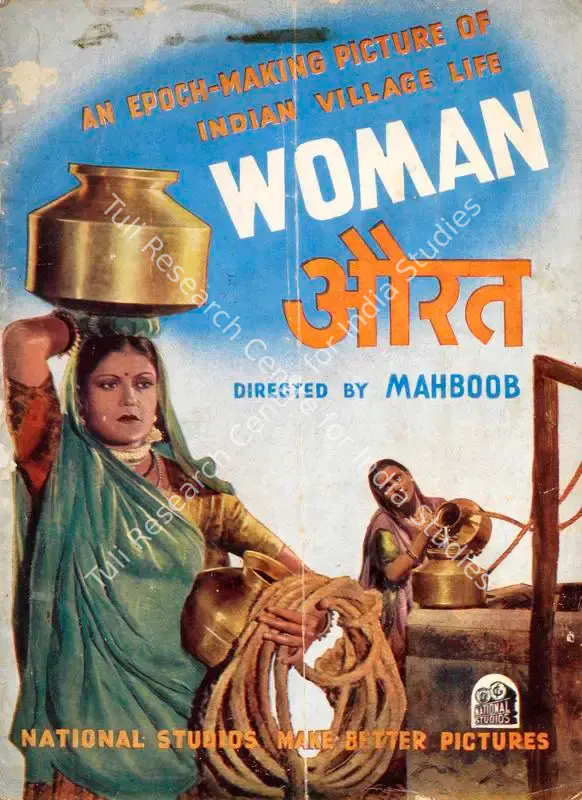
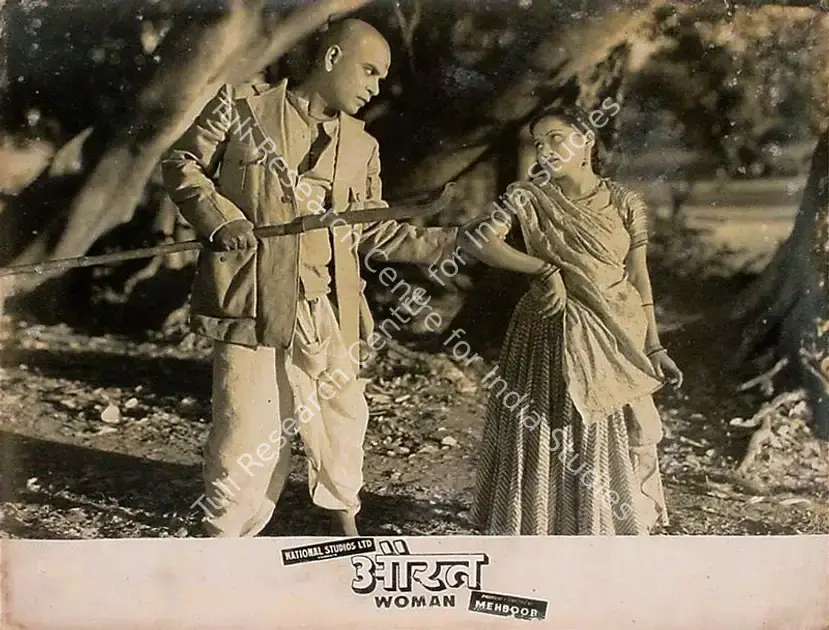
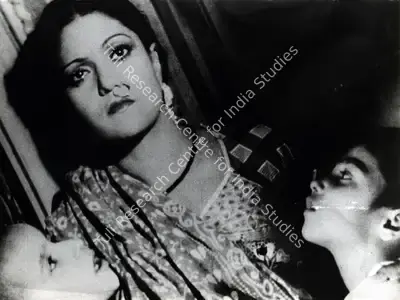
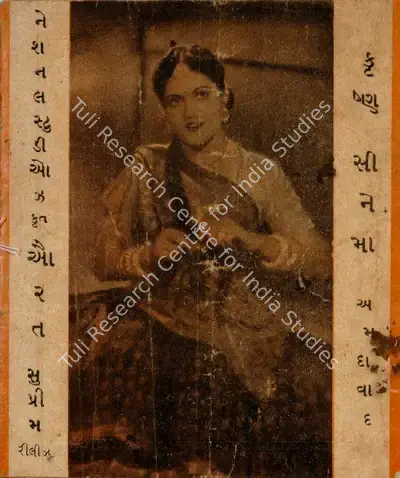
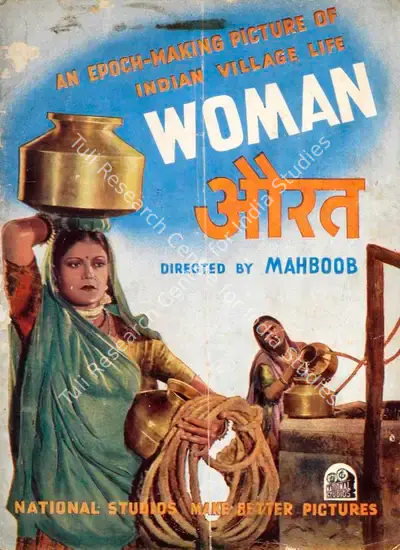
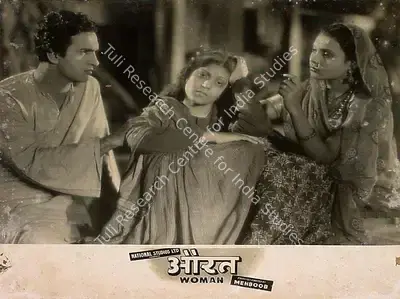
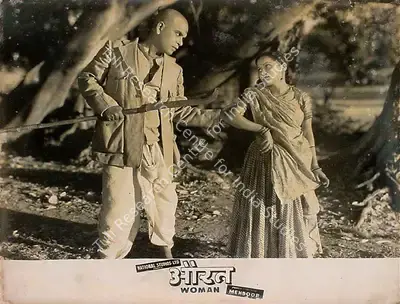
Aurat (1940), directed by Mehboob Khan and starring Sardar Akhtar, Surendra, Yakub, Kanhaiyalal, and Arun Kumar Ahuja, tells the poignant story of a woman's unwavering spirit as she struggles to provide for her three sons. The narrative centres on themes of sacrifice, resilience and maternal love, capturing the essence of a mother's relentless efforts to protect and nourish her family against all odds. This portrayal of perseverance instantly struck a chord with audiences, making the film a powerful testament to the strength of women in a patriarchal society.
The film's music, composed by Anil Biswas, and its dialogue, written by Wajahat Mirza, contributed significantly to its emotional depth and cinematic appeal. Though Aurat was not a major box-office success at the time, it earned critical acclaim for its compelling performances and its heartfelt, socially relevant message.
Seventeen years later, in 1957, Mehboob Khan reimagined the story in Mother India, a film that would go on to become a landmark in the history of Indian cinema. While the premise remained largely the same, the film's narrative was expanded and modernized, bringing the emotional weight of the original story to an even broader audience. Starring Nargis in the lead role, Mother India became an iconic film that garnered international recognition, including a nomination for the Academy Award for Best Foreign Language Film. It also won several prestigious Filmfare Awards, including Best Film and Best Actress.
Interestingly, the reimagined Mother India shared several key creative elements with Aurat. The screenplay was once again penned by Wajahat Mirza, and Kanhaiyalal reprised his role as Sukhi Lala. Cinematographer Faredoon Irani, who had worked on the original, returned to handle the visual storytelling. Despite these commonalities, Mother India enjoyed unparalleled commercial success, making it one of the biggest hits in Indian cinema history, and forever cementing its place as a cultural touchstone.
In contrast, the original Aurat—though critically praised—did not fare as well at the box-office, demonstrating the differing commercial reception of films across time periods. Nonetheless, both films share a fundamental thematic core, underscoring the unyielding determination and sacrifice of a mother for her children, a universal narrative that continues to resonate with audiences today.
इस फ़िल्म के लिए संगीत अनिल बिस्वास ने तैयार किया था और इसके दमदार संवाद वज़ाहत मिर्ज़ा ने लिखे थे, दोनों ने ही फ़िल्म को उसकी भावनात्मक गहराई दी और इसके आकर्षण को और बढ़ाया। हालाँकि औरत को टिकट खिड़की पर बड़ी सफलता नहीं मिली लेकिन सिनेमा के गंभीर समीक्षकों ने इसे सराहा। कलाकारों के प्रभावशाली अभिनय को तारीफ़ मिली और फ़िल्म में मौजूद प्रासंगिक सामाजिक संदेश को रेखांकित किया गया।
औरत के सत्रह साल बाद महबूब खान ने इसी कहानी को मदर इंडिया (1957) शीर्षक से दोबारा प्रस्तुत किया। मदर इंडिया हर लिहाज से भारतीय सिनेमा इतिहास में एक ऐतिहासिक मील का पत्थर फ़िल्म मानी जा सकती है। फ़िल्म का मूल कथानक मौटे तौर पर वही था, लेकिन महबूब खान ने नए अवतार में इसे कुछ आधुनिक रूप देकर और कथानक में विस्तार लाते हुए ज़्यादा बड़े दर्शकवर्ग तक इसकी पहुँच को संभव बनाया। मुख्य भूमिका में अभिनेत्री नर्गिस के यादगार अभिनय ने फ़िल्म को कलात्मक शिखर पर पहुँचा दिया। मदर इंडिया को न सिर्फ़ हिन्दुस्तान में व्यापक सराहना और लोकप्रियता मिली, इसने अंतरराष्ट्रीय स्तर पर भी देश का नाम रोशन किया। यह फ़िल्म भारत से ऑस्कर पुरस्कारों की प्रतिष्ठित 'सर्वश्रेष्ठ विदेशी भाषा फ़िल्म' श्रेणी में अंतिम नामांकन तक पहुँची। फ़िल्मफ़ेयर पुरस्कारों में इसे कई श्रेणियों में पुरस्कार मिले जिनमें सर्वश्रेष्ठ फिल्म और सर्वश्रेष्ठ अभिनेत्री के पुरस्कार भी शामिल थे।
दिलचस्प बात है कि मदर इंडिया के कई रचनात्मक पहलू औरत से लिए गए थे। फ़िल्म की पटकथा एक बार फिर वज़ाहत मिर्ज़ा ने लिखी थी, और अभिनेता कन्हैयालाल वही अपनी 'सुक्खी लाला' वाली भूमिका में यहाँ भी थे। औरत फ़िल्म के सिनेमैटोग्राफ़र फ़रीदून ईरानी ही मदर इंडिया का फ़िल्मांकन भी कर रहे थे और उनका सिनेमैटोग्राफ़ी में निपुण हाथ साफ़ पहचान में आता है। पर इन तमाम समानताओं के बावजूद मदर इंडिया को जैसी अपार व्यावसायिक कामयाबी मिली वो अद्वितीय थी। यह फ़िल्म भारतीय सिनेमा की सबसे कामयाब फ़िल्मों में से एक बन गई और आज भी भारतीय सिनेमा माध्यम के सांस्कृतिक इतिहास में इसकी जगह किसी किंवदंती सरीख़ी मानी जाती है।
मदर इंडिया की इस अभूतपूर्व कामयाबी के विपरीत औरत को हालाँकि आलोचकों की खूब सराहना तो मिली, लेकिन यह व्यावसायिक रूप से कुछ ख़ास कामयाब नहीं रही। दोनों के बीच का यह अंतर यह भी दिखाता है कि एक ही कहानी पर बनी दो फ़िल्मों को कैसे दो भिन्न समय-काल में बिल्कुल अलग तरह की प्रतिक्रिया मिलती है, क्योंकि मदर इंडिया और औरत, दोनों फ़िल्मों का मूल कथानक तो एक ही था। और एक माँ का अपने बच्चों की बेहतरी के लिए अनथक संघर्ष और त्याग तो ऐसा सार्वभौमिक विषय है जो आज भी देश-काल-परिवेश से परे जाकर हर देखनेवाले के जज़्बातों के साथ जुड़ जाता है।
Body of Work
Research Centre
Related
2