

Ankur1973

Introduction
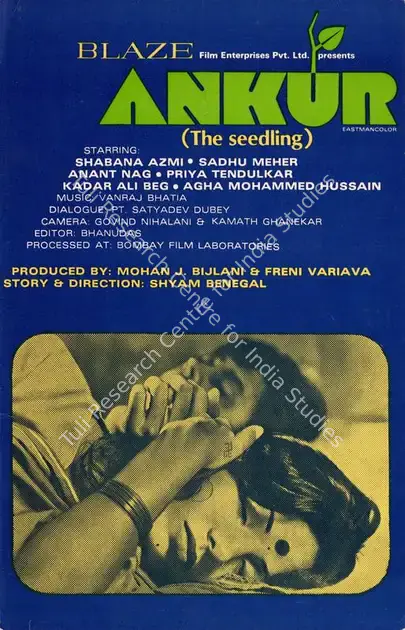
Ankur (1974) stands as a seminal work within the canon of Indian parallel cinema, often regarded as a foundational text of the Indian New Wave. Directed by Shyam Benegal, the film marks a definitive rupture from the formulaic structures of mainstream Hindi cinema, embracing instead a realist aesthetic grounded in socio-political critique and humanistic storytelling. It represents a confluence of cinematic modernism and indigenous narrative traditions, offering a rigorously composed exploration of caste, gender, power, and the intersectionality of social hierarchies.
At its core, Ankur interrogates the moral contradictions embedded in feudal and patriarchal systems, while foregrounding the interior lives of its protagonists. Set against the socio-economic backdrop of 1950s rural Hyderabad, the film unravels the complex entanglements of caste oppression, sexual autonomy, religious divisions, and class-based exploitation. The titular metaphor—Ankur, meaning “seedling”—functions not merely as a narrative device but as an emblematic representation of latent potential, gestation, and transformative resistance.
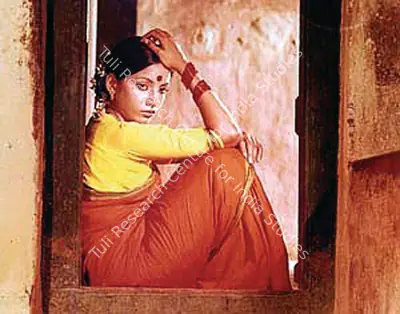
The film introduced audiences to Shabana Azmi, whose incandescent debut as Lakshmi garnered the National Award for Best Actress, signaling the arrival of a formidable talent. Anant Nag, too, made his Hindi film debut as Surya, delivering a performance marked by nuanced restraint. Benegal's casting process, which initially considered leading actresses such as Waheeda Rehman, Anju Mahendru, Aparna Sen, and Sharada, ultimately led to a recalibration of the screenplay to suit Azmi's youthful presence, underscoring the director's commitment to authenticity.
Anchored in naturalistic mise-en-scène and shot almost entirely on location, Ankur eschews spectacle in favor of ethical and emotional realism. Produced by Lalit M. Bijlani on a modest budget of five lakh rupees, the film's unexpected commercial success—grossing over one crore—testifies to its resonance with a discerning audience. Critically, it was lauded both domestically and abroad, securing three National Film Awards and 43 other accolades, and earning a nomination for the Golden Bear at the 24th Berlin International Film Festival.
Scholars and critics have often compared Benegal's visual style to that of Satyajit Ray, particularly in its deliberate pacing and humanistic sensibility. The Independent hailed Ankur as one of Indian cinema's most mature and intellectually provocative works, while Time Out and others praised its quiet subversion and socio-political depth. With a 100% rating on Rotten Tomatoes, Ankur remains an enduring classic—an exemplar of how cinema can function as both cultural artifact and instrument of critique.
अपने मूल में अंकुर सामंती और पितृसत्तात्मक ढाँचों के पीछे मौजूद नैतिकता के धद्म और उसके भीतर मौजूद विरोधाभासों को उजागर करती है। साथ ही यह अपने सत्ताशील एवं संघर्षशील दोनों किस्म के पात्रों के जीवन को निरपेक्ष नज़र से भीतर तक कुरेदती है। पचास के दशक के हैदराबाद राज्य के ग्रामीण इलाके की सामाजिक-आर्थिक पृष्ठभूमि पर आधारित इस फ़िल्म की कहानी जातिगत उत्पीड़न, यौन स्वेच्छाचार, धार्मिक विभाजन और वर्गीय शोषण जैसी जटिल सच्चाइयों को उजागर करती है। फ़िल्म का शीर्षक 'अंकुर' अर्थात् बीज का उगना सिर्फ कथा उपकरण नहीं बल्कि कहानी के भीतर मौजूद उर्वर संभावनाओं, गर्भधारण करनेवाली स्री की कोख और उसके रूपांतरकारी प्रतिरोध का प्रतीक भी है।
यह फ़िल्म दर्शकों के लिए अभिनेत्री शबाना आज़मी से पहला परिचय भी थी जिन्होंने सिनेमा की दुनिया में इस लाजवाब पदार्पण के साथ लक्ष्मी की भूमिका के लिए 'सर्वश्रेष्ठ अभिनेत्री' का राष्ट्रीय पुरस्कार जीता और एक असाधारण प्रतिभा के आगमन की घोषणा कर दी। अनंत नाग ने भी ज़मीदार के लड़के सूर्या की भूमिका में हिन्दी सिनेमा में अपना फ़िल्म पदार्पण किया और अपने संयत और सूक्ष्म अभिनय से गहरी छाप छोड़ी। श्याम बेनेगल ने शुरुआत में खेतिहर मज़दूर स्त्री लक्ष्मी की केंद्रीय भूमिका के लिए वहीदा रहमान, अंजु महेन्द्रू, अपर्णा सेन और शारदा जैसी प्रमुख अभिनेत्रियों पर विचार किया था लेकिन आखिर में पटकथा को शबाना आज़मी की युवा उम्र के अनुरूप ढालकर उनका इस भूमिका में चयन किया गया। पटकथा में तदनुरूप परिवर्तन यहाँ निर्देशक की प्रामाणिकता के प्रति प्रतिबद्धता को भी दिखाता है।
स्वाभाविक दृश्य संरचना और लगभग पूरी तरह वास्तविक लोकेशन पर फ़िल्माए जाने के कारण अंकुर मैलोड्रामा से पूरी तरह बचते हुए नैतिक और भावनात्मक यथार्थवाद को अपनाती है। निर्माता ललित एम. बिजलानी के सिर्फ़ पाँच लाख रुपये के सीमित बजट पर निर्मित यह फ़िल्म अप्रत्याशित रूप से व्यावसायिक स्तर पर भी कामयाब साबित हुई और इसने टिकट खिड़की पर एक करोड़ रुपये से अधिक की कमाई की। यह इस बात का प्रमाण था कि समझदार दर्शकों ने इस फ़िल्म का पूरा साथ दिया और इसके साथ गहरा जुड़ाव महसूस किया। देश और विदेश दोनों में इसे समीक्षकों की सराहना मिली। इसे तीन राष्ट्रीय फ़िल्म पुरस्कार और 43 अन्य सम्मान हासिल हुए और यह फ़िल्म चौबीसवें 'बर्लिन अंतरराष्ट्रीय फ़िल्म महोत्सव' में 'गोल्डन बेयर' पुरस्कार के लिए नामांकित हुई।
बहुत से विद्वानों और आलोचकों ने बेनेगल की दृश्यात्मक शैली की तुलना अक्सर सत्यजित राय से की है, ख़ासकर उसकी वैचारिक गतिशीलता और यथार्थवादी शैली में दिखती मानवीय संवेदना के कारण। 'दि इंडिपेंडेंट' ने अंकुर को भारतीय सिनेमा की सबसे परिपक्व और बौद्धिक रूप से जागरुक फ़िल्मों में से एक कहा जबकि 'टाइम आउट' और अन्य ने इसकी शांत विद्रोही शैली और सामाजिक राजनैतिक गहनता की प्रशंसा की। 'रॉटन टोमैटोज़' पर 100% रेटिंग के साथ अंकुर आज भी एक कालजयी क्लासिक बनी हुई है। यह तमाम तारीफ़ें दर्शाती हैं कि कैसे एक ही सिनेमा सांस्कृतिक विरासत और आलोचनात्मक उपकरण दोनों रूपों में अपनी भूमिका निभा सकता है।
Body of Work
Research Centre
Related
3