Introduction
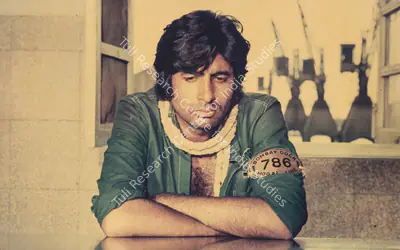
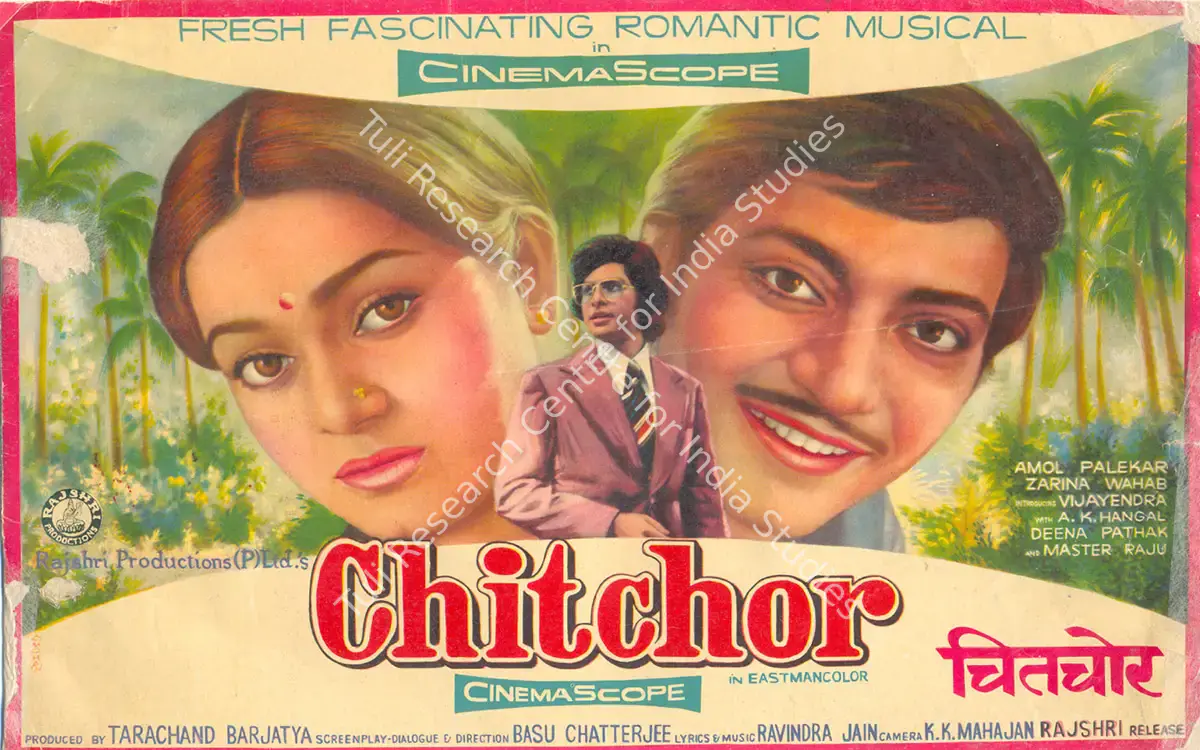
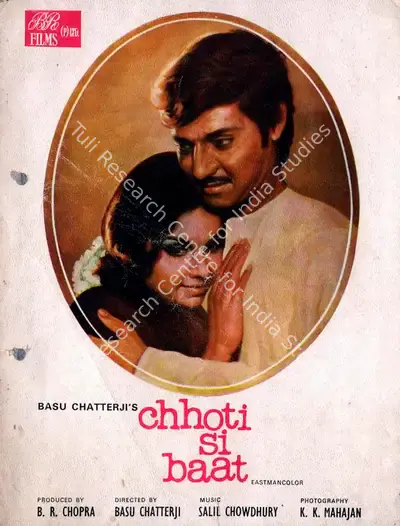
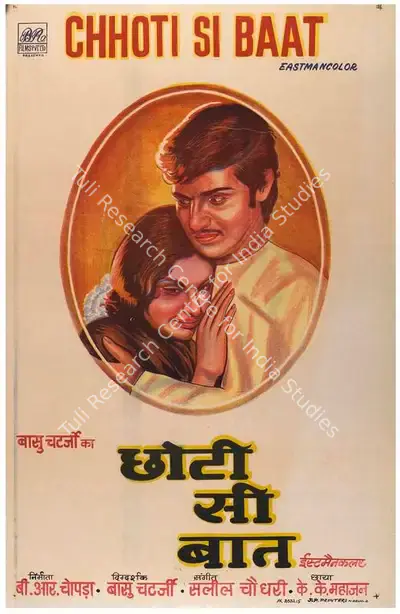
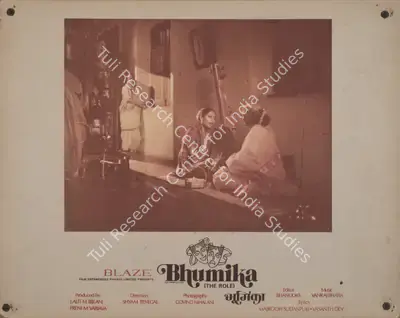
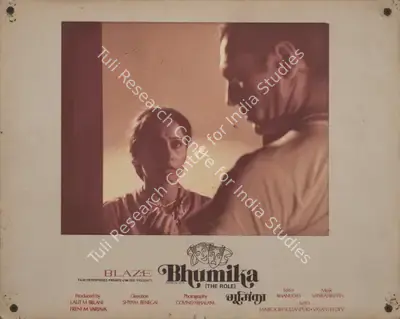
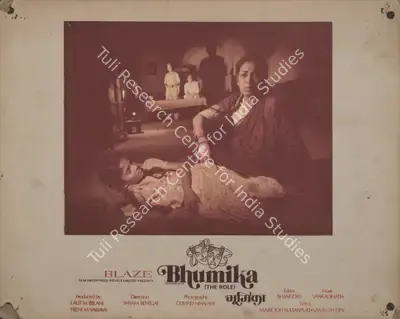
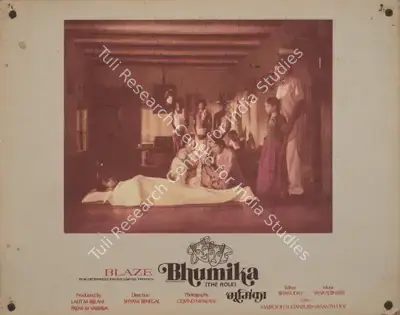
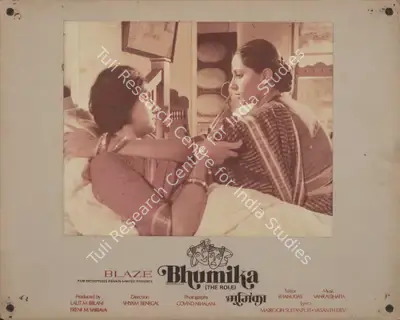
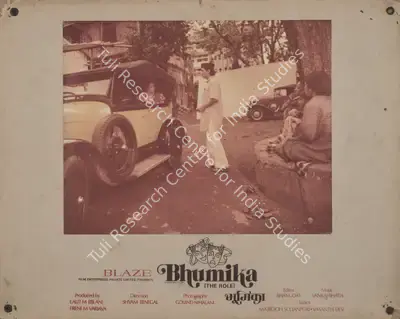
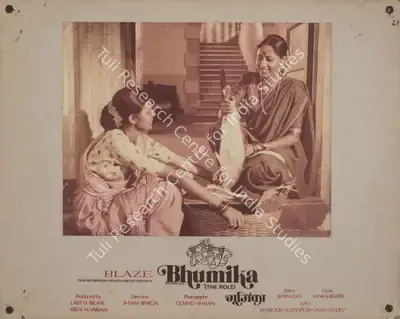
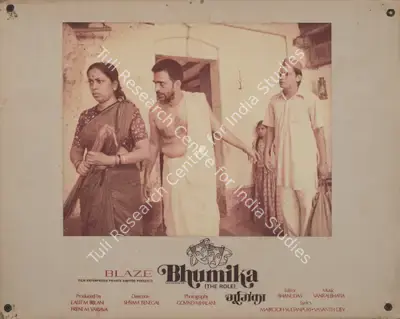
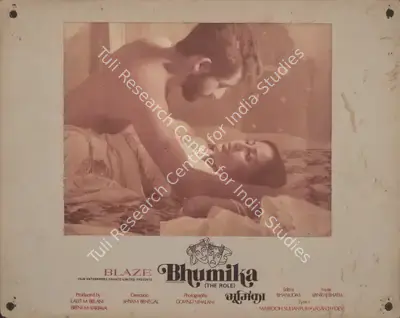
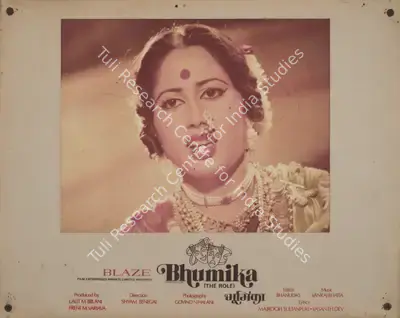
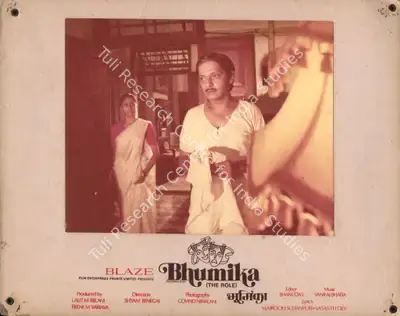
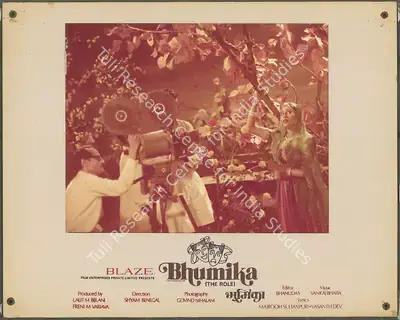
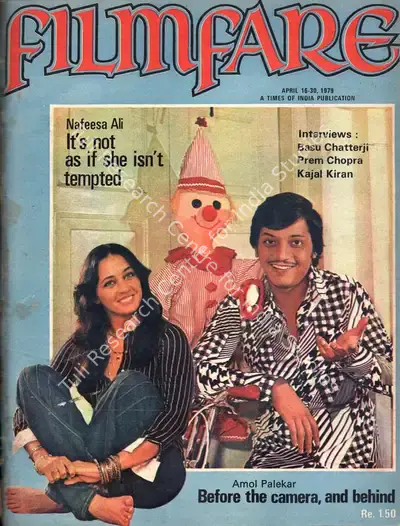
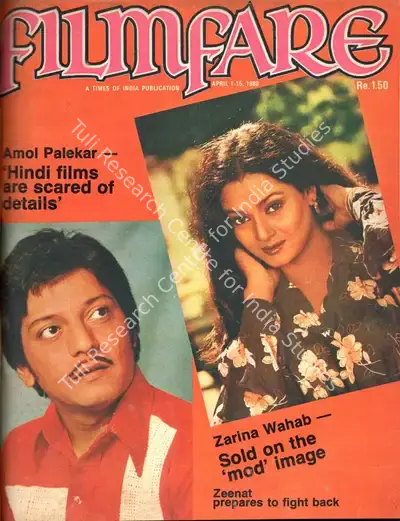
Amol Palekar (born 24 November 1944) is an eminent Indian actor, director, and producer whose work spans Hindi and Marathi cinema. He is also a trained painter and published author and identifies himself as an agnostic atheist. Palekar emerged as a leading figure of the Hindi film industry's “middle cinema” movement, which bridged mainstream and parallel filmmaking. His performances in celebrated films such as Gol Maal, Chhoti Si Baat, and Bhumika established him as one of the most relatable screen personalities of the 1970s. At the age of 80, he released his autobiography, the English edition of which is titled Viewfinder.
Palekar was born in Mumbai to Kamlakara and Suhasini Palekar in a Marathi-speaking middle-class household. He grew up alongside his three sisters—Neelon, Rekha, and Unnati. His father worked at the General Post Office, while his mother was employed in a private firm. Palekar studied Fine Arts at the Sir J. J. School of Art, Mumbai, beginning his career as a painter. Over the years, he held seven solo exhibitions and participated in several group shows, earning recognition within the contemporary art community. He married Sandhya Gokhale following his divorce from his first wife, Chitra.
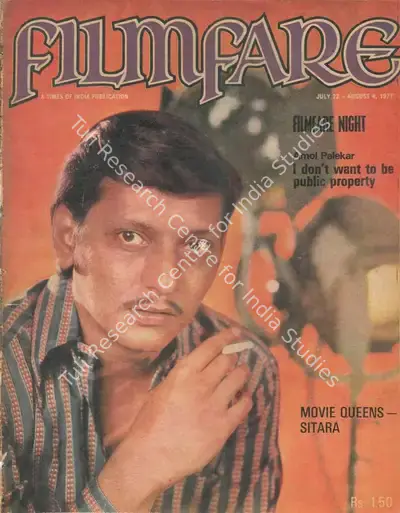
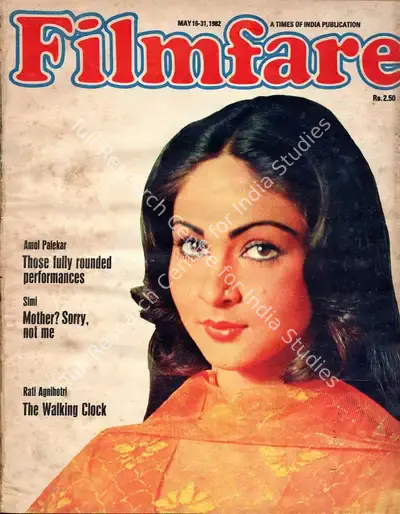
Despite his grounding in fine arts, Palekar's public identity was shaped largely on stage and screen. Active in Marathi and Hindi experimental theatre since 1967, he worked as an actor, director, and producer, though his substantial contributions to Indian theatre were often overshadowed by his popularity in cinema. His understated, “everyman” screen presence offered a contrast to the dominant hero archetypes of the era. He received multiple honours, including three Filmfare Awards and six state awards for Best Actor. His work in Marathi, Bengali, Malayalam and Kannada films also drew critical acclaim. In 1986, he stepped back from acting to focus on filmmaking.
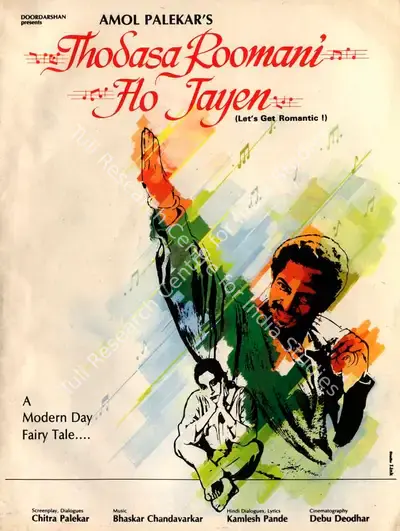
As a director, Palekar became known for his nuanced portrayals of women, his adaptations of literary classics, and his engagement with socially progressive themes. His television work includes popular serials such as Kachchi Dhoop (1987), Mrignayani (1991), Naquab (1988), Paool Khuna (1993), and Krishna Kali (2006).
After returning to theatre after 25 years, he directed and starred in Kusur (The Mistake) in 1994. Over his career, he has earned several National Film Awards across categories and received the Padma Shri in 2000, recognizing his enduring influence on Indian cinema.
Palekar was born in Mumbai to Kamlakara and Suhasini Palekar in a Marathi-speaking middle-class household. He grew up alongside his three sisters—Neelon, Rekha, and Unnati. His father worked at the General Post Office, while his mother was employed in a private firm. Palekar studied Fine Arts at the Sir J. J. School of Art, Mumbai, beginning his career as a painter. Over the years, he held seven solo exhibitions and participated in several group shows, earning recognition within the contemporary art community. He married Sandhya Gokhale following his divorce from his first wife, Chitra.
Despite his grounding in fine arts, Palekar's public identity was shaped largely on stage and screen. Active in Marathi and Hindi experimental theatre since 1967, he worked as an actor, director, and producer, though his substantial contributions to Indian theatre were often overshadowed by his popularity in cinema. His understated, “everyman” screen presence offered a contrast to the dominant hero archetypes of the era. He received multiple honours, including three Filmfare Awards and six state awards for Best Actor. His work in Marathi, Bengali, Malayalam and Kannada films also drew critical acclaim. In 1986, he stepped back from acting to focus on filmmaking.
As a director, Palekar became known for his nuanced portrayals of women, his adaptations of literary classics, and his engagement with socially progressive themes. His television work includes popular serials such as Kachchi Dhoop (1987), Mrignayani (1991), Naquab (1988), Paool Khuna (1993), and Krishna Kali (2006).
After returning to theatre after 25 years, he directed and starred in Kusur (The Mistake) in 1994. Over his career, he has earned several National Film Awards across categories and received the Padma Shri in 2000, recognizing his enduring influence on Indian cinema.
अमोल पालेकर (जन्म 24 नवंबर 1944) एक प्रसिद्द भारतीय अभिनेता, निर्देशक और निर्माता हैं, जिनका काम हिंदी और मराठी सिनेमा दोनों में रहा है। वे एक प्रशिक्षित चित्रकार और प्रकाशित लेखक भी हैं और स्वयं को अज्ञेयवादी नास्तिक मानते हैं। पालेकर हिंदी फ़िल्म उद्योग के "मिडिल सिनेमा" (मध्यमार्गी सिनेमा) आंदोलन के एक प्रमुख व्यक्ति के रूप में उभरे, जिसने मुख्यधारा और समानांतर फ़िल्म निर्माण के बीच सेतु का काम किया। गोल माल (1979), छोटी सी बात (1976) और भूमिका (1977) जैसी प्रशंसित फ़िल्मों में उनके अभिनय ने उन्हें 1970 के दशक के सबसे लोकप्रिय फ़िल्मी हस्तियों में से एक के रूप में स्थापित किया। 80 वर्ष की आयु में उन्होंने अपनी आत्मकथा प्रकाशित की, जिसका अंग्रेजी संस्करण का शीर्षक व्यूफाइंडर है।
पालेकर का जन्म मुंबई में कमलाकारा और सुहासिनी पालेकर के घर एक मराठी भाषी मध्यवर्गीय परिवार में हुआ था। वे अपनी तीन बहनों नीलन, रेखा और उन्नति के साथ पले-बढ़े। उनके पिता जनरल पोस्ट ऑफ़िस में काम करते थे, जबकि उनकी माता एक निजी कंपनी में कार्यरत थीं। पालेकर ने मुंबई के सर जे. जे. स्कूल ऑफ आर्ट से ललित कला की पढ़ाई की और चित्रकार के रूप में अपने करियर की शुरुआत की। अगले कुछ वर्षों में, उन्होंने सात एकल प्रदर्शनियाँ आयोजित कीं और कई समूह प्रदर्शनियों में भाग लिया, जिससे उन्हें समकालीन कला जगत में पहचान मिली। अपनी पहली पत्नी चित्रा से तलाक के बाद उन्होंने संध्या गोखले से विवाह किया।
ललित कलाओं में उनकी बुनियाद के बावजूद, पालेकर की सार्वजनिक पहचान मुख्य रूप से रंगमंच और पर्दे पर बनी। 1967 से मराठी और हिंदी प्रयोगधर्मी रंगमंच में सक्रिय रहते हुए, उन्होंने अभिनेता, निर्देशक और निर्माता के रूप में काम किया, हालांकि भारतीय रंगमंच में उनके महत्वपूर्ण योगदान अक्सर सिनेमा में उनकी लोकप्रियता के कारण दब गए। उनकी सहज, आम आदमी जैसी उपस्थिति उस दौर के प्रमुख नायक प्रतिमानों से बिल्कुल अलग थी। उन्हें कई सम्मान प्राप्त हुए, जिनमें तीन फ़िल्मफेयर पुरस्कार और सर्वश्रेष्ठ अभिनेता के लिए छह राज्य पुरस्कार शामिल हैं। मराठी, बंगाली, मलयालम और कन्नड़ फ़िल्मों में उनके काम की भी आलोचकों ने सराहना की। 1986 में, उन्होंने फ़िल्म निर्माण पर ध्यान केंद्रित करने के लिए अभिनय से संन्यास ले लिया।
निर्देशक के रूप में, पालेकर महिलाओं के बहुआयामी चित्रण, क्लासिक्स साहित्य के रूपांतरण और सामाजिक रूप से प्रगतिशील विषयों से जुड़ाव के लिए जाने जाते थे। उनके टेलीविज़न कार्यों में कच्ची धूप (1987), मृगनयनी (1991), नक़ाब (1988), पाऊल खुना (1993) और कृष्णाकली (2003) जैसे लोकप्रिय धारावाहिक शामिल हैं।
25 साल बाद रंगमंच पर वापसी करते हुए, उन्होंने 1994 में क़ुसुर (द मिस्टेक) का निर्देशन किया और उसमें अभिनय भी किया। अपने करियर के दौरान, उन्होंने विभिन्न श्रेणियों में कई राष्ट्रीय फ़िल्म पुरस्कार जीते हैं और भारतीय सिनेमा पर उनके अमिट प्रभाव को मान्यता देते हुए 2000 में पद्म श्री से सम्मानित किया गया।
पालेकर का जन्म मुंबई में कमलाकारा और सुहासिनी पालेकर के घर एक मराठी भाषी मध्यवर्गीय परिवार में हुआ था। वे अपनी तीन बहनों नीलन, रेखा और उन्नति के साथ पले-बढ़े। उनके पिता जनरल पोस्ट ऑफ़िस में काम करते थे, जबकि उनकी माता एक निजी कंपनी में कार्यरत थीं। पालेकर ने मुंबई के सर जे. जे. स्कूल ऑफ आर्ट से ललित कला की पढ़ाई की और चित्रकार के रूप में अपने करियर की शुरुआत की। अगले कुछ वर्षों में, उन्होंने सात एकल प्रदर्शनियाँ आयोजित कीं और कई समूह प्रदर्शनियों में भाग लिया, जिससे उन्हें समकालीन कला जगत में पहचान मिली। अपनी पहली पत्नी चित्रा से तलाक के बाद उन्होंने संध्या गोखले से विवाह किया।
ललित कलाओं में उनकी बुनियाद के बावजूद, पालेकर की सार्वजनिक पहचान मुख्य रूप से रंगमंच और पर्दे पर बनी। 1967 से मराठी और हिंदी प्रयोगधर्मी रंगमंच में सक्रिय रहते हुए, उन्होंने अभिनेता, निर्देशक और निर्माता के रूप में काम किया, हालांकि भारतीय रंगमंच में उनके महत्वपूर्ण योगदान अक्सर सिनेमा में उनकी लोकप्रियता के कारण दब गए। उनकी सहज, आम आदमी जैसी उपस्थिति उस दौर के प्रमुख नायक प्रतिमानों से बिल्कुल अलग थी। उन्हें कई सम्मान प्राप्त हुए, जिनमें तीन फ़िल्मफेयर पुरस्कार और सर्वश्रेष्ठ अभिनेता के लिए छह राज्य पुरस्कार शामिल हैं। मराठी, बंगाली, मलयालम और कन्नड़ फ़िल्मों में उनके काम की भी आलोचकों ने सराहना की। 1986 में, उन्होंने फ़िल्म निर्माण पर ध्यान केंद्रित करने के लिए अभिनय से संन्यास ले लिया।
निर्देशक के रूप में, पालेकर महिलाओं के बहुआयामी चित्रण, क्लासिक्स साहित्य के रूपांतरण और सामाजिक रूप से प्रगतिशील विषयों से जुड़ाव के लिए जाने जाते थे। उनके टेलीविज़न कार्यों में कच्ची धूप (1987), मृगनयनी (1991), नक़ाब (1988), पाऊल खुना (1993) और कृष्णाकली (2003) जैसे लोकप्रिय धारावाहिक शामिल हैं।
25 साल बाद रंगमंच पर वापसी करते हुए, उन्होंने 1994 में क़ुसुर (द मिस्टेक) का निर्देशन किया और उसमें अभिनय भी किया। अपने करियर के दौरान, उन्होंने विभिन्न श्रेणियों में कई राष्ट्रीय फ़िल्म पुरस्कार जीते हैं और भारतीय सिनेमा पर उनके अमिट प्रभाव को मान्यता देते हुए 2000 में पद्म श्री से सम्मानित किया गया।
No personalia records available yet.
Filmography
Research Centre




40 of 149




40 of 129
Related
30
Films
20

Personalities
9