
Introduction
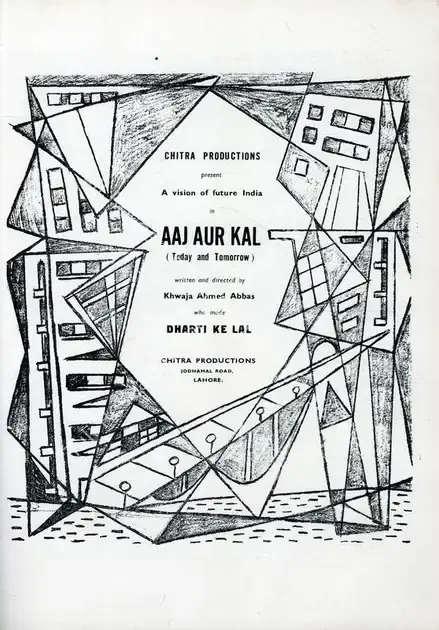
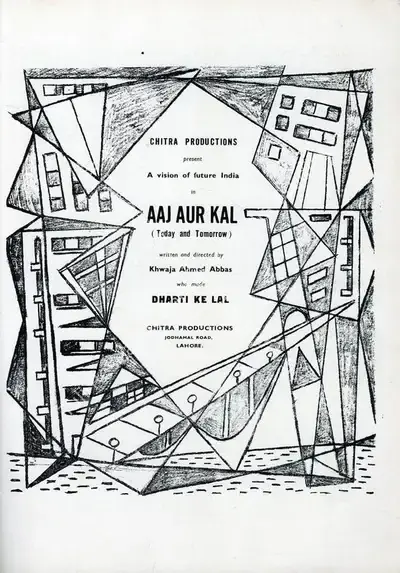
Aaj Aur Kal (1947) Directed by the socially committed filmmaker Khwaja Ahmad Abbas, the political film remains one of his lesser-documented works. The film featured Shyam and Arif in the lead roles, supported by a cast that included Nayantara, Nita, and Rashid Ahmed. While detailed plot information is scarce, the film is recognized as part of Abbas's early efforts to use cinema as a medium for social commentary and political discourse.
Though often overshadowed by the more widely known 1963 film of the same name, Abbas's Aaj Aur Kal is believed to address the socio-political climate of post-independence India. According to limited references, the narrative may have followed a compassionate man navigating personal and political challenges—possibly reflecting the broader national struggle of the time. A subplot involving his love for a sweet-natured girl and the difficulties they face in their relationship might have served as a humanizing layer to the film's deeper political undertones. However, these details remain speculative, as some plot summaries may have been mistakenly attributed or confused with the later film.
Set in 1947—the year of India's independence—the film likely touched upon themes relevant to the turbulent transition, including the integration of princely states into the Indian Union, a significant and sensitive issue during that period. Abbas, a prominent voice of the progressive cultural movement and an active member of IPTA (Indian People's Theatre Association), consistently used his films to challenge inequality, advocate for national unity, and highlight the struggles of the common people. It's plausible that Aaj Aur Kal followed in this tradition, attempting to reflect the complex emotions and conflicts of a country on the cusp of change.
The music for the film was composed by the renowned Khurshid Anwar, whose work in both Indian and Pakistani cinema is remembered for its classical richness and emotional depth. Unfortunately, details about the soundtrack, songs, or playback singers are not well-documented in public archives.
In summary, *Aaj Aur Kal (1947)* stands as a lesser-known but historically significant film in Abbas's body of work. While much of the film's content has been lost or remains undocumented, its context and creators suggest that it aimed to contribute meaningfully to the discourse on a new India's identity, challenges, and hopes.
हालांकि 1963 में इसी नाम से बनी ज़्यादा मशहूर फ़िल्म की वजह से अब्बास की 'आज और कल' अक्सर चर्चा में कम रही है, लेकिन माना जाता है कि यह फ़िल्म आज़ादी के बाद के भारत के सामाजिक-राजनीतिक माहौल को दिखाती है। कुछ सीमित जानकारियों के अनुसार, इसकी कहानी शायद एक ऐसे दयालु व्यक्ति के बारे में थी जो निजी और राजनीतिक चुनौतियों का सामना कर रहा था, जो शायद उस समय के बड़े राष्ट्रीय संघर्ष को भी दिखाता हो। एक अच्छे स्वभाव वाली लड़की के लिए उसके प्यार और उनके रिश्ते में आने वाली मुश्किलों वाला एक सब-प्लॉट, फ़िल्म के गहरे राजनीतिक पहलुओं को मानवीय रूप देने का काम करता रहा होगा। हालाँकि, ये बातें सिर्फ़ अंदाज़े पर आधारित हैं, क्योंकि हो सकता है कि कहानी के कुछ सारांश गलती से बाद वाली फ़िल्म से जोड़ दिए गए हों या उनमें भ्रम हो गया हो।
यह फ़िल्म 1947 भारत की आज़ादी के साल—पर आधारित है। इसमें उस दौर के उथल-पुथल भरे बदलावों से जुड़े मुद्दों को दिखाया गया होगा, जिसमें रियासतों का भारतीय संघ में विलय भी शामिल है, जो उस समय का एक अहम और संवेदनशील मुद्दा था। अब्बास, जो प्रगतिशील सांस्कृतिक आंदोलन की एक प्रमुख आवाज़ और IPTA (इंडियन पीपल्स थिएटर एसोसिएशन) के सक्रिय सदस्य थे, ने हमेशा अपनी फ़िल्मों के ज़रिए असमानता को चुनौती दी, राष्ट्रीय एकता की वकालत की और आम लोगों के संघर्षों को उजागर किया। मुमकिन है कि 'आज और कल' फ़िल्म भी इसी परंपरा को आगे बढ़ाती है और बदलाव की दहलीज पर खड़े देश की जटिल भावनाओं और टकरावों को दिखाने की कोशिश करती है।
फ़िल्म का संगीत मशहूर ख़ुर्शीद अनवर ने तैयार किया था, जिनका भारतीय और पाकिस्तानी सिनेमा में काम अपनी शास्त्रीय समृद्धि और भावनात्मक गहराई के लिए याद किया जाता है। अफ़सोस की बात है कि साउंडट्रैक, गानों या प्लेबैक गायकों के बारे में जानकारी सार्वजनिक रिकॉर्ड में ठीक से उपलब्ध नहीं है।
संक्षेप में, 'आज और कल (1947)' अब्बास के कामों में एक कम जानी-मानी लेकिन ऐतिहासिक रूप से महत्वपूर्ण फ़िल्म है। हालाँकि इस फ़िल्म का ज़्यादातर हिस्सा खो गया है या उसका कोई रिकॉर्ड मौजूद नहीं है, लेकिन इसके संदर्भ और इसे बनाने वालों से पता चलता है कि इसका मक़सद नए भारत की पहचान, चुनौतियों और उम्मीदों पर हो रही चर्चा में सार्थक योगदान देना था।
Body of Work
Research Centre
Related
1
Personalities
1