Samuel Bourne
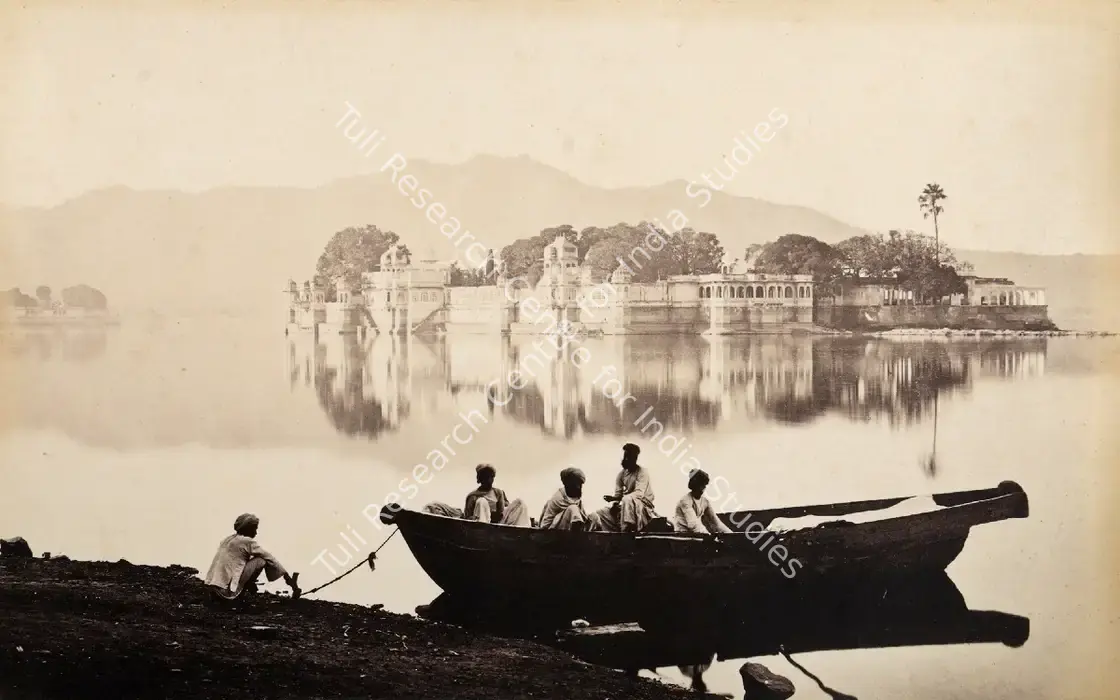
Samuel Bourne arrived in India, like several other European photographers, in search of the “picturesque” — that view of the decrepit, all-encompassing Indian landscape devoid of the ‘native’. He looked, in vain, for rustic bridges, ivy clad ruins and bodies of water which could be the foreground to his pictures and without which, he felt, his pictures could not be “pleasing and enjoyable”. He wanted to make views that he “would not be ashamed to send to England”. Bourne arrived in India in 1863 and soon afterwards travelled to Shimla and entered a partnership with Charles Shepherd; a partnership that ultimately became known as Bourne and Shepherd. Next, he travelled to Benares which he pronounced suitable for photography; its bazaars, narrow streets and mosques and the river Ganges appealed to his sense of ‘picturesque’ while the ‘native’ customs and people were looked at with disdain expressed through several letters. Additional studios were opened subsequently in Calcutta and Bombay and were renowned for their series of topographical views of the Indian landscape. “For my part, I may say that before I commenced photography, I did not see half the beauties in nature as I do now”, Bourne had confessed. In expeditions taken to Kashmir and the Himalayas between 1863 and 1866, he produced a body of work which arranged the chaotic components of nature into tranquil and serene ‘balanced’ composition — the mountains appearing looming and vast, yet approachable, and for the Empire, conquerable. Despite the technical challenges of using the wet-collodion process in the Indian terrain, he was determined to use it. Bourne makes reference to the importance of ‘dreamlike’ states and the ‘magic’ of imagery, arguing for the idealization of space against the indexical power of photographic representation. A reference to images of the sinuous streets in Shimla or the Dal Lake in Kashmir marks such use of space.
Samuel Bourne arrived in India, like several other European photographers, in search of the “picturesque” — that view of the decrepit, all-encompassing Indian landscape devoid of the ‘native’. He looked, in vain, for rustic bridges, ivy clad ruins and bodies of water which could be the foreground to his pictures and without which, he felt, his pictures could not be “pleasing and enjoyable”. He wanted to make views that he “would not be ashamed to send to England”. Bourne arrived in India in 1863 and soon afterwards travelled to Shimla and entered a partnership with Charles Shepherd; a partnership that ultimately became known as Bourne and Shepherd. Next, he travelled to Benares which he pronounced suitable for photography; its bazaars, narrow streets and mosques and the river Ganges appealed to his sense of ‘picturesque’ while the ‘native’ customs and people were looked at with disdain expressed through several letters. Additional studios were opened subsequently in Calcutta and Bombay and were renowned for their series of topographical views of the Indian landscape. “For my part, I may say that before I commenced photography, I did not see half the beauties in nature as I do now”, Bourne had confessed. In expeditions taken to Kashmir and the Himalayas between 1863 and 1866, he produced a body of work which arranged the chaotic components of nature into tranquil and serene ‘balanced’ composition — the mountains appearing looming and vast, yet approachable, and for the Empire, conquerable. Despite the technical challenges of using the wet-collodion process in the Indian terrain, he was determined to use it. Bourne makes reference to the importance of ‘dreamlike’ states and the ‘magic’ of imagery, arguing for the idealization of space against the indexical power of photographic representation. A reference to images of the sinuous streets in Shimla or the Dal Lake in Kashmir marks such use of space.
Research Centre
Sort By | Year (ASC)
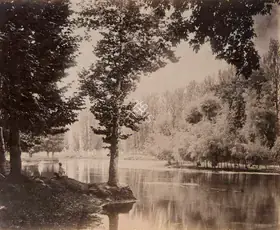
Bourne, Samuel (Photographer). A view on the Dal Canal, Kashmir, Mid 1860s | Antiquarian Photograph

Bourne, Samuel (Photographer). Agra Fort, Interior of the Zenana, Mid 1860s | Antiquarian Photograph
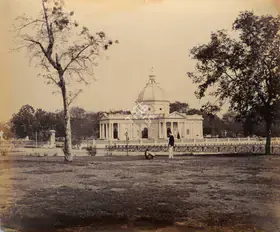
Bourne, Samuel (Photographer). The Church, Delhi, Mid 1860s | Antiquarian Photograph
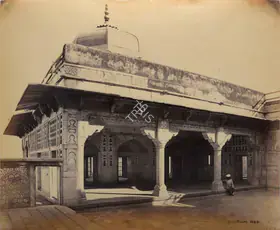
Bourne, Samuel (Photographer). Khas Mahal, Agra Fort, Mid 1860s | Antiquarian Photograph
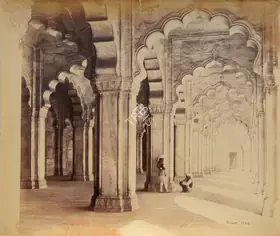
Bourne, Samuel (Photographer). Moti Masjid, Agra Fort, Mid 1860s | Antiquarian Photograph
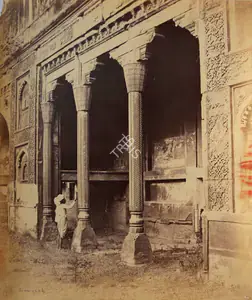
Bourne, Samuel (Photographer). Carved stone pillars in the old palace of Jehangir; The Jahangiri Mahal, Agra Fort, Mid 1860s | Antiquarian Photograph
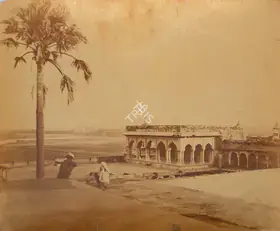
Bourne, Samuel (Photographer). Agra Fort with Taj in the distance, Mid 1860s | Antiquarian Photograph
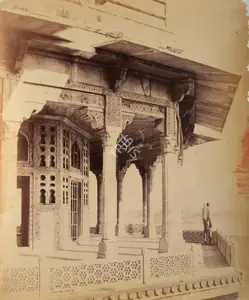
Bourne, Samuel (Photographer). Exterior of the Zenana, Agra Fort, Mid 1860s | Antiquarian Photograph

Bourne, Samuel (Photographer). Agra Fort, Mid 1860s | Antiquarian Photograph

Bourne, Samuel (Photographer). Agra Fort, Mid 1860s | Antiquarian Photograph
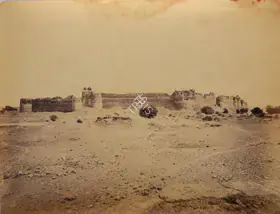
Bourne, Samuel (Photographer). Ruins of Purana Kila, The Old Fort, Delhi, Mid 1860s | Antiquarian Photograph
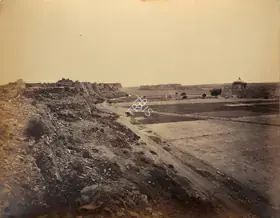
Bourne, Samuel (Photographer). Ruins of Tughlaqabad Fort, Delhi, Mid 1860s | Antiquarian Photograph
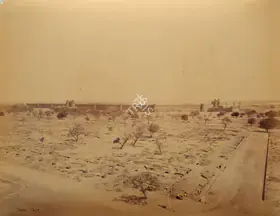
Bourne, Samuel (Photographer). View of Red Fort, Delhi, Mid 1860s | Antiquarian Photograph
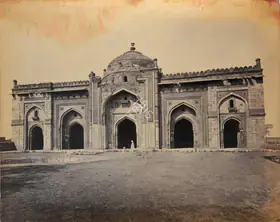
Bourne, Samuel (Photographer). Qila -i- Kuhna Masjid, Purana Kila (The Old Fort), Delhi, Mid 1860s | Antiquarian Photograph
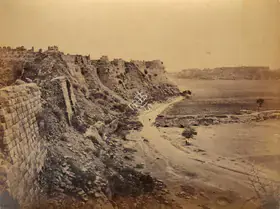
Bourne, Samuel (Photographer). Ruins of Tughlaqabad Fort, Delhi, Mid 1860s | Antiquarian Photograph

Bourne, Samuel (Photographer). Jay Singh's Observatory, Delhi, Mid 1860s | Antiquarian Photograph
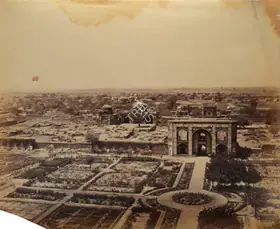
Bourne, Samuel (Photographer). View from the top of Humaioon's Tomb, showing the Ruins and Tombs of old Delhi, Mid 1860s | Antiquarian Photograph
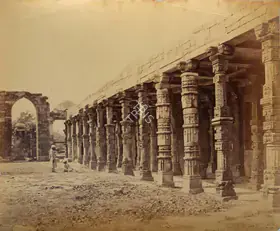
Bourne, Samuel (Photographer). Chausath Khamba or Sixty-Four Pillars, Qutub Minar, Delhi, Mid 1860s | Antiquarian Photograph
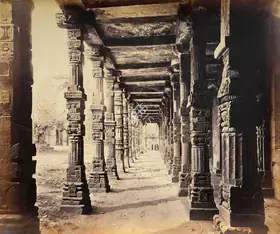
Bourne, Samuel (Photographer). Chausath Khamba or Sixty-Four Pillars, Qutub Minar, Delhi, Mid 1860s | Antiquarian Photograph
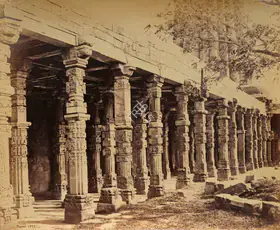
Bourne, Samuel (Photographer). Chausath Khamba or Sixty-Four Pillars, Qutub Minar, Delhi, Mid 1860s | Antiquarian Photograph
Loading...
Sort By | Year (ASC)

Bourne, Samuel (Artist) and P.D. Walker (Curator). Samuel Bourne, 1980 | Solo Exhibition Catalogue | 00876372

Ollman, Arthur (Author). Samuel Bourne, 1983 | Authored Book | 00771020

Falconer, John (Author). India: Pioneering Photographers 1850-1900, 2001 | Authored Book | 00844546
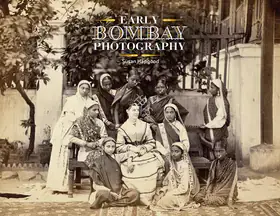
Hapgood, Susan (Author). Early Bombay Photography, 2015 | Authored Book | 00801958

Falconer, John (Author). Under Indian Skies, 2018 | Authored Book | 00844544
No more items to load
Sort By | Year (ASC)
Bourne, Samuel (Photographer). A view on the Dal Canal, Kashmir, Mid 1860s | Antiquarian Photograph
Bourne, Samuel (Photographer). Agra Fort, Interior of the Zenana, Mid 1860s | Antiquarian Photograph
Bourne, Samuel (Photographer). The Church, Delhi, Mid 1860s | Antiquarian Photograph
Bourne, Samuel (Photographer). Khas Mahal, Agra Fort, Mid 1860s | Antiquarian Photograph
Bourne, Samuel (Photographer). Moti Masjid, Agra Fort, Mid 1860s | Antiquarian Photograph
Bourne, Samuel (Photographer). Carved stone pillars in the old palace of Jehangir; The Jahangiri Mahal, Agra Fort, Mid 1860s | Antiquarian Photograph
Bourne, Samuel (Photographer). Agra Fort with Taj in the distance, Mid 1860s | Antiquarian Photograph
Bourne, Samuel (Photographer). Exterior of the Zenana, Agra Fort, Mid 1860s | Antiquarian Photograph
Bourne, Samuel (Photographer). Agra Fort, Mid 1860s | Antiquarian Photograph
Bourne, Samuel (Photographer). Agra Fort, Mid 1860s | Antiquarian Photograph
Bourne, Samuel (Photographer). Ruins of Purana Kila, The Old Fort, Delhi, Mid 1860s | Antiquarian Photograph
Bourne, Samuel (Photographer). Ruins of Tughlaqabad Fort, Delhi, Mid 1860s | Antiquarian Photograph
Bourne, Samuel (Photographer). View of Red Fort, Delhi, Mid 1860s | Antiquarian Photograph
Bourne, Samuel (Photographer). Qila -i- Kuhna Masjid, Purana Kila (The Old Fort), Delhi, Mid 1860s | Antiquarian Photograph
Bourne, Samuel (Photographer). Ruins of Tughlaqabad Fort, Delhi, Mid 1860s | Antiquarian Photograph
Bourne, Samuel (Photographer). Jay Singh's Observatory, Delhi, Mid 1860s | Antiquarian Photograph
Bourne, Samuel (Photographer). View from the top of Humaioon's Tomb, showing the Ruins and Tombs of old Delhi, Mid 1860s | Antiquarian Photograph
Bourne, Samuel (Photographer). Chausath Khamba or Sixty-Four Pillars, Qutub Minar, Delhi, Mid 1860s | Antiquarian Photograph
Bourne, Samuel (Photographer). Chausath Khamba or Sixty-Four Pillars, Qutub Minar, Delhi, Mid 1860s | Antiquarian Photograph
Bourne, Samuel (Photographer). Chausath Khamba or Sixty-Four Pillars, Qutub Minar, Delhi, Mid 1860s | Antiquarian Photograph
No more items to load
Sort By | Year (DESC)

Tuli Research Centre for India Studies (Editor). Self-Discovery via Rediscovering India Part III, 03 March 2025 | In-house Video
No more items to load
Sort By | Year (ASC)
Bourne, Samuel (Photographer). A view on the Dal Canal, Kashmir, Mid 1860s | Antiquarian Photograph
Bourne, Samuel (Photographer). Moti Masjid, Agra Fort, Mid 1860s | Antiquarian Photograph
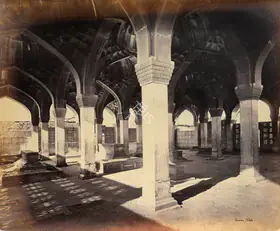
Bourne, Samuel (Photographer). Interior of the Chousuth Khamba, or Sixty-four pillared Hall, Delhi, Mid 1860s | Antiquarian Photograph
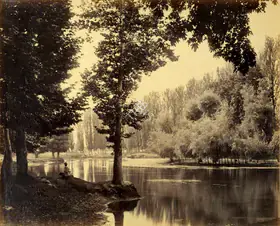
Bourne, Samuel (Photographer). Kashmir - View of the Dal Canal, Mid 1860s | Antiquarian Photograph
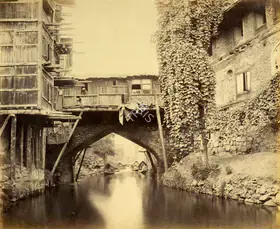
Bourne, Samuel (Photographer). Kashmir - Bridge on the Marqual Canal, Mid 1860s | Antiquarian Photograph
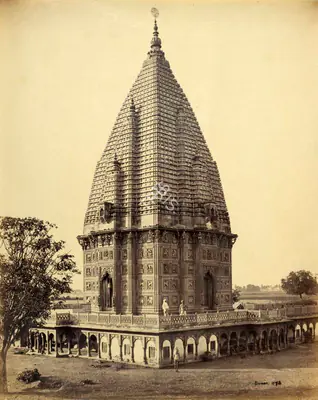
Bourne, Samuel (Photographer). Sumeree Temple at Ramnaggur, from the Tank, Mid 1860s | Antiquarian Photograph
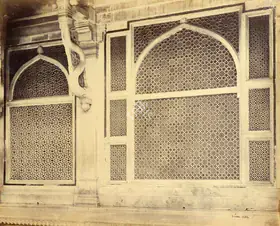
Bourne, Samuel (Photographer). Two of the trellised Marble screens in the Tomb of Sheikh Salim Chisti, Fatehpur Sikri, Mid 1860s | Antiquarian Photograph
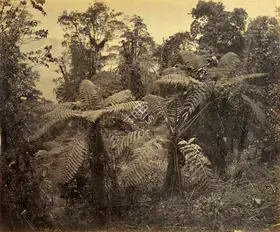
Bourne, Samuel (Photographer). Group of Tree Ferns at Lebong - Darjeeling, Mid 1860s | Antiquarian Photograph
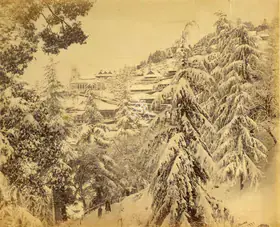
Bourne, Samuel (Photographer). Shimla in winter, Mid 1860s | Antiquarian Photograph
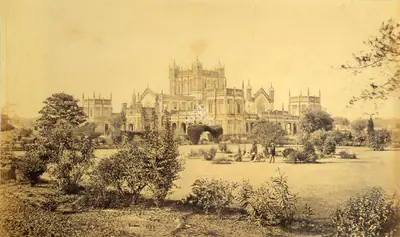
Bourne, Samuel (Photographer). Queen's College, Benaras, Mid 1860s | Antiquarian Photograph

Bourne, Samuel (Photographer). The Burning Ghat at Benares on Ganga, Mid 1860s | Antiquarian Photograph

Bourne, Samuel (Photographer). Ancient Hindoo Temple at Bindrabund (Vrindavan), c.1865-1866 | Antiquarian Photograph

Bourne, Samuel (Photographer). Vishnu Pud, and other temples near the Burning ghat -Benares, c.1865-1866 | Antiquarian Photograph
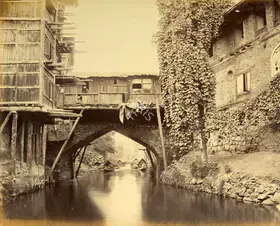
Bourne, Samuel (Photographer). Kashmir - Bridge on the Marqual Canal, c.1865-1866 | Antiquarian Photograph
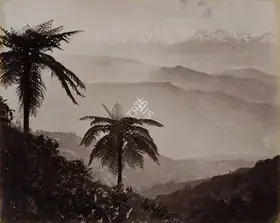
Bourne, Samuel (Photographer). The Snows. Tree Ferns in the Foreground, Darjeeling, c.1865-1866 | Antiquarian Photograph

Bourne, Samuel (Photographer). Interior of the Banyan Tree, Botanical Gardens. Calcutta, c.1865-1866 | Antiquarian Photograph
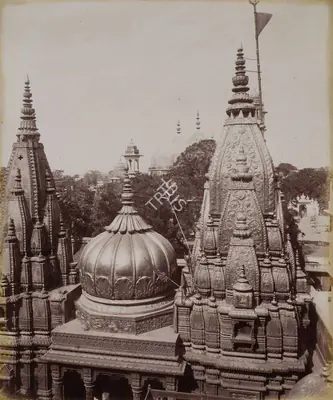
Bourne, Samuel (Photographer). The Golden Temple, Benares, c.1865-1866 | Antiquarian Photograph
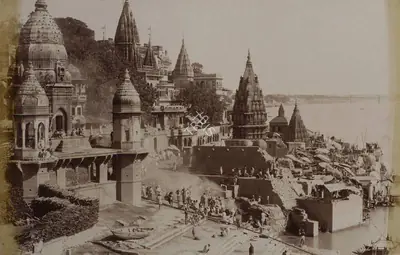
Bourne, Samuel (Photographer). The Burning Ghat - Benares, c.1865-1866 | Antiquarian Photograph

Bourne, Samuel (Photographer). The Residency, Lucknow, c.1865-1866 | Antiquarian Photograph

Bourne, Samuel (Photographer). The Hoseinabad Emambura. Lucknow, c.1865-1866 | Antiquarian Photograph
No more items to load
EN
EN