M.S. Sathyu
Mysore Shrinivas Sathyu (M. S. Sathyu; born 6 July 1930) He is one of India's most distinguished filmmakers, stage designers, and art directors, whose contributions have profoundly shaped modern Indian cinema and theatre. Born into a Kannada-speaking family in Mysore, he pursued higher education in Mysore and later Bengaluru before leaving his Bachelor of Science programme in 1952. That same year, he began his professional career as a freelance animator. Following several years of professional uncertainty, he joined filmmaker Chetan Anand as an assistant director, marking the beginning of a remarkable career in the performing arts. Sathyu is married to noted writer and designer Shama Zaidi, and they have two daughters.
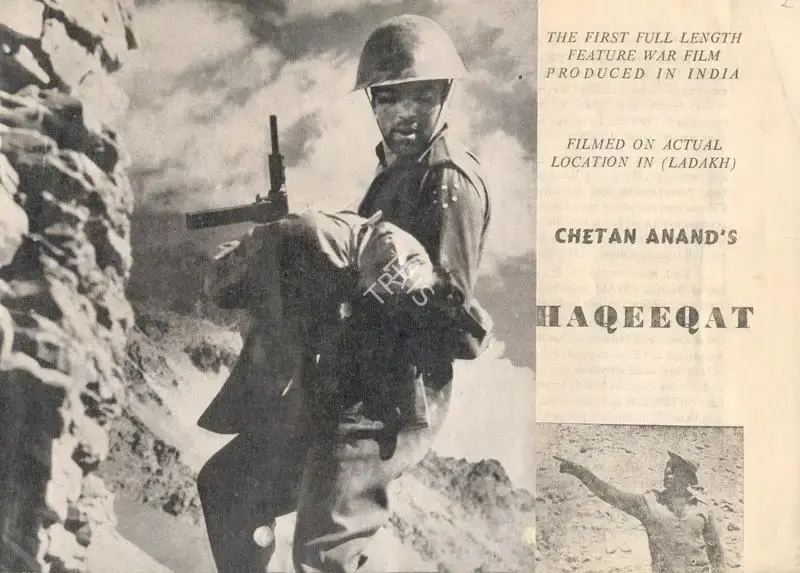
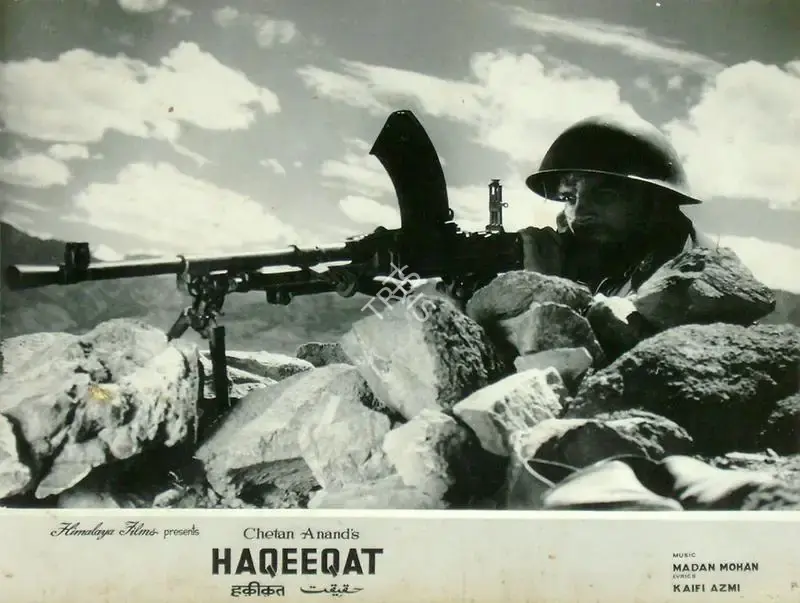
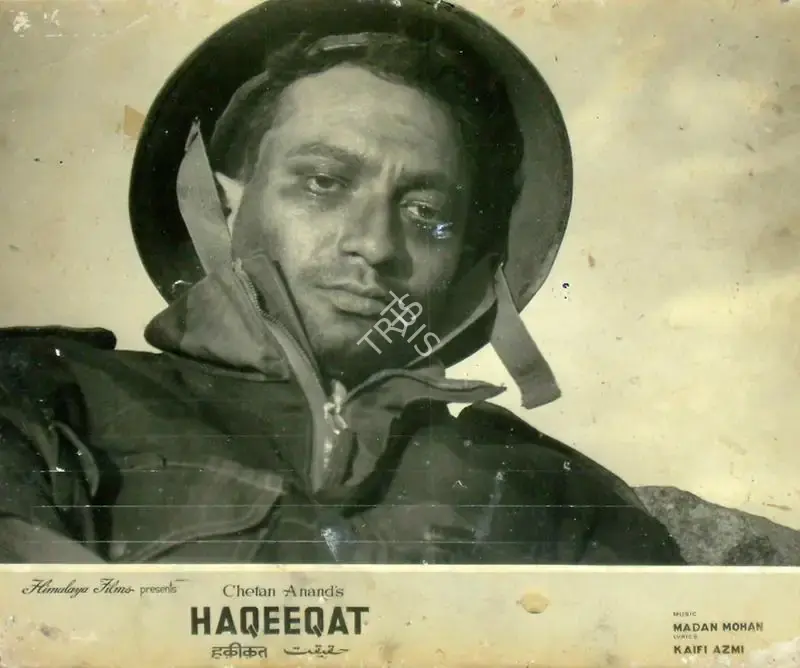
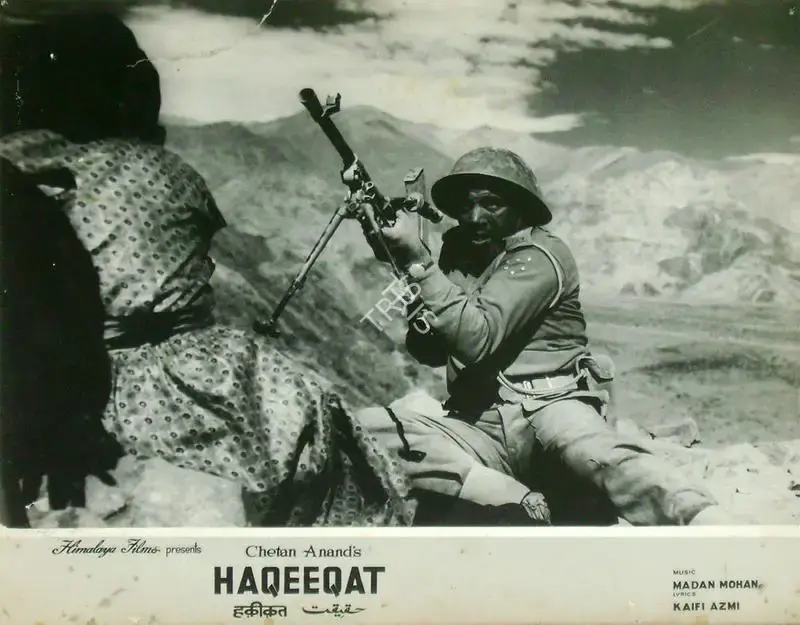
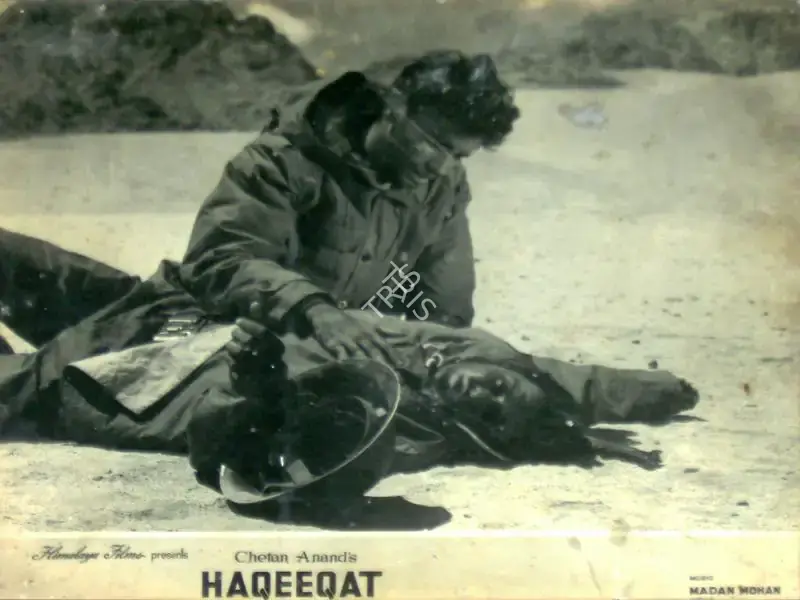
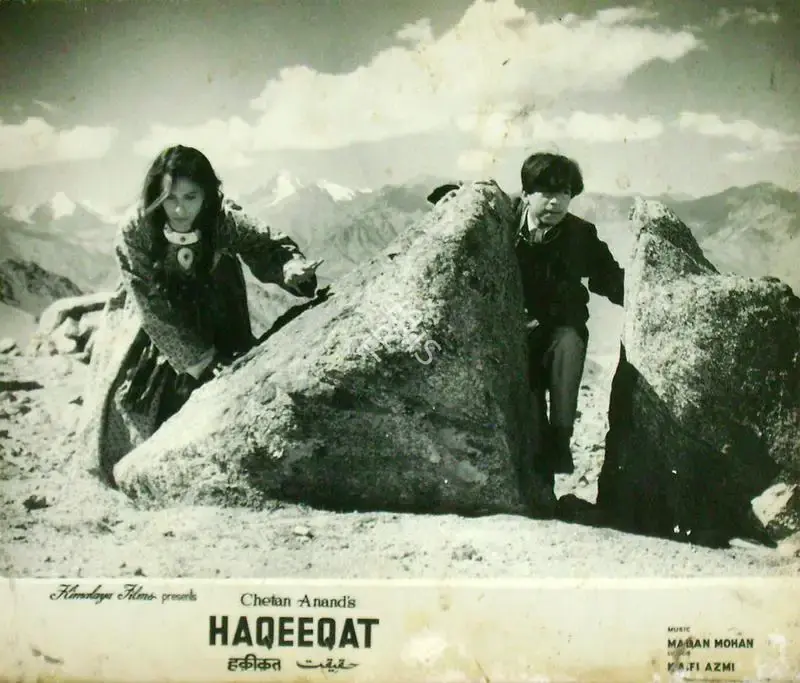
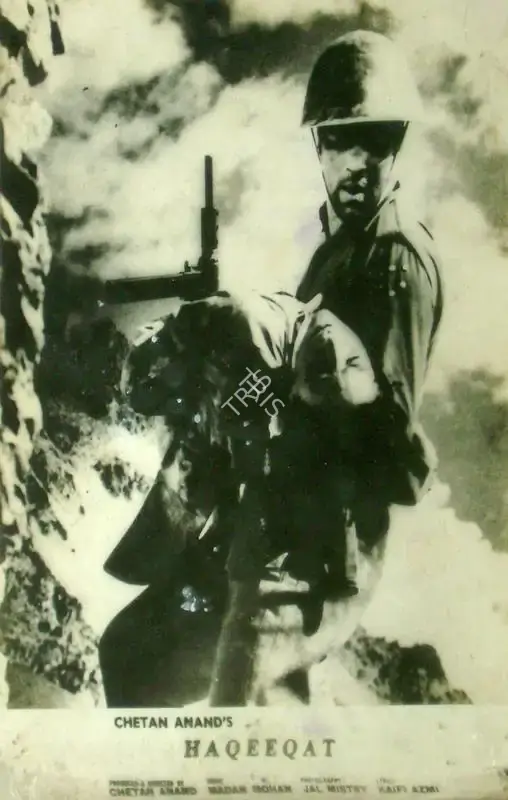
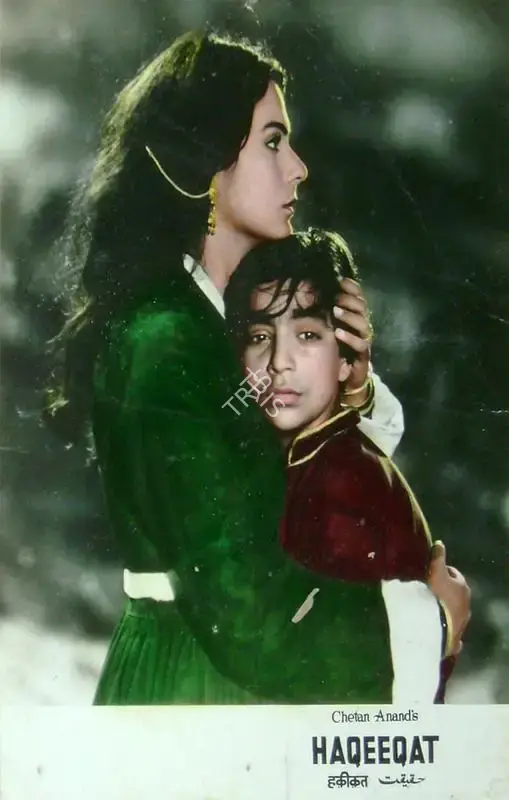
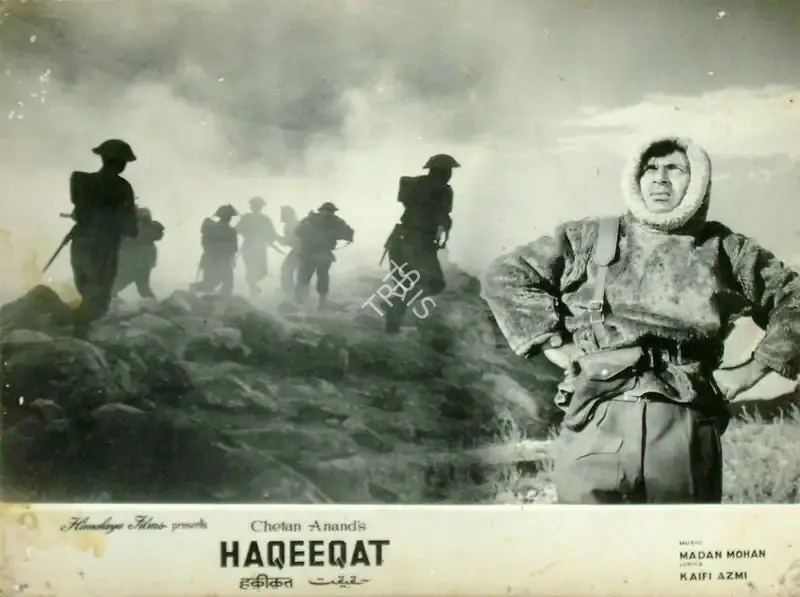
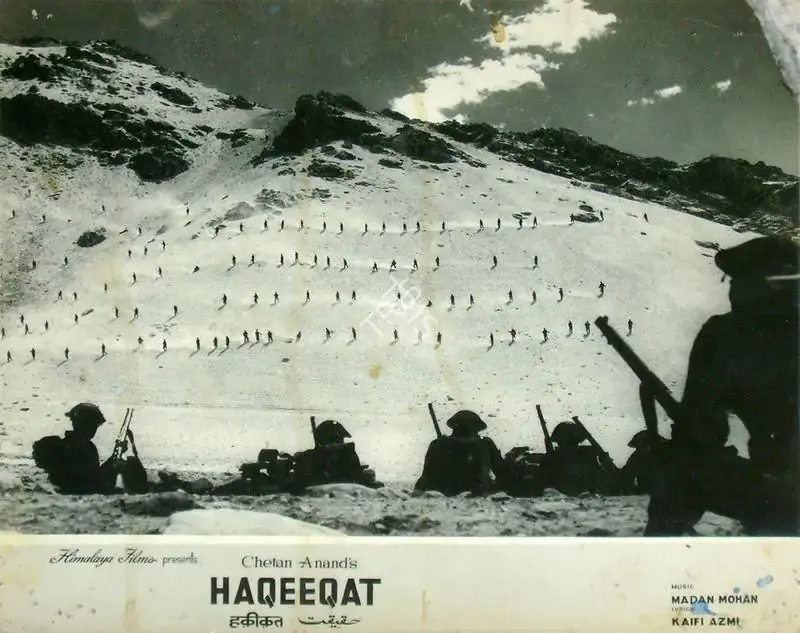
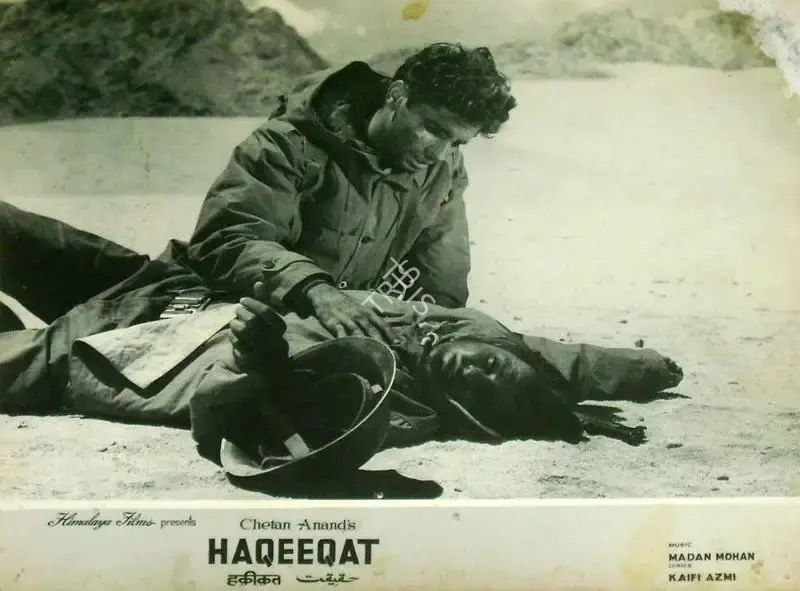
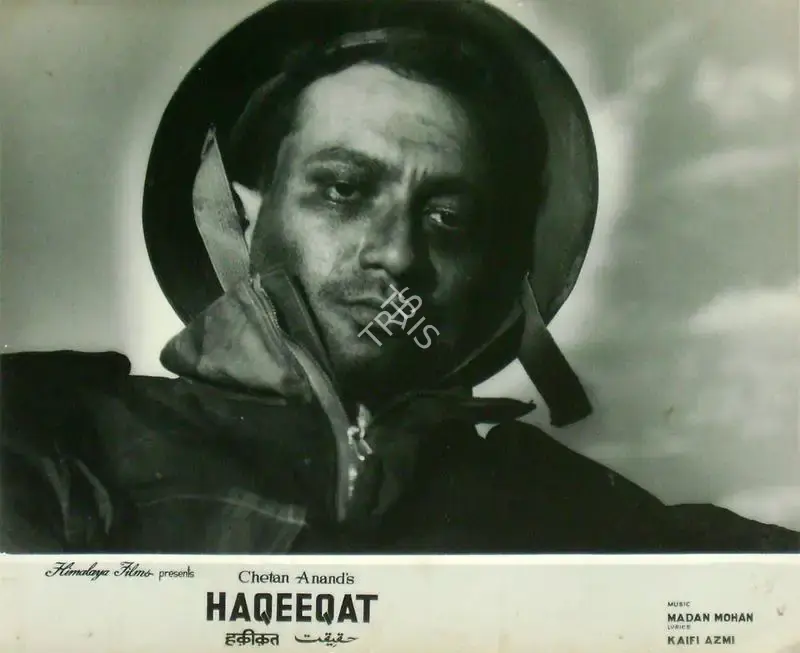
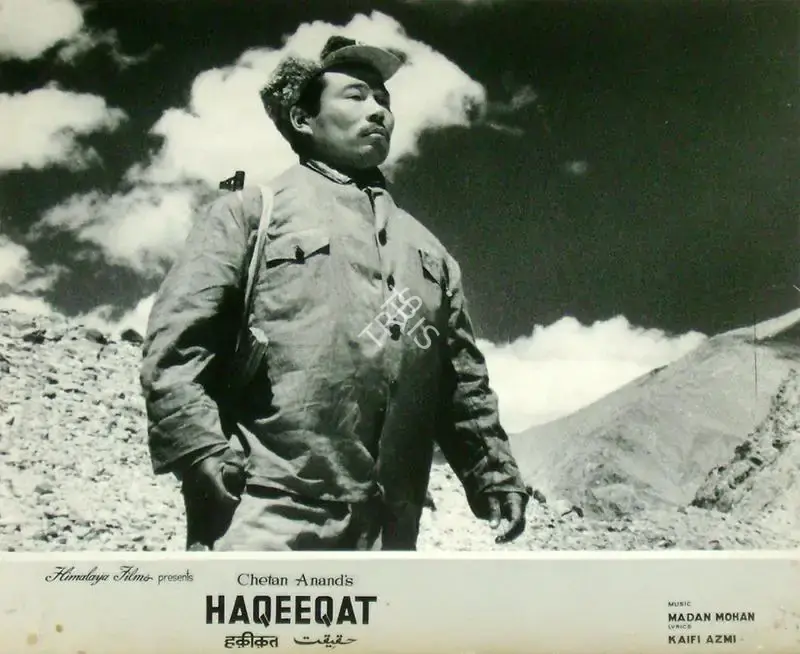
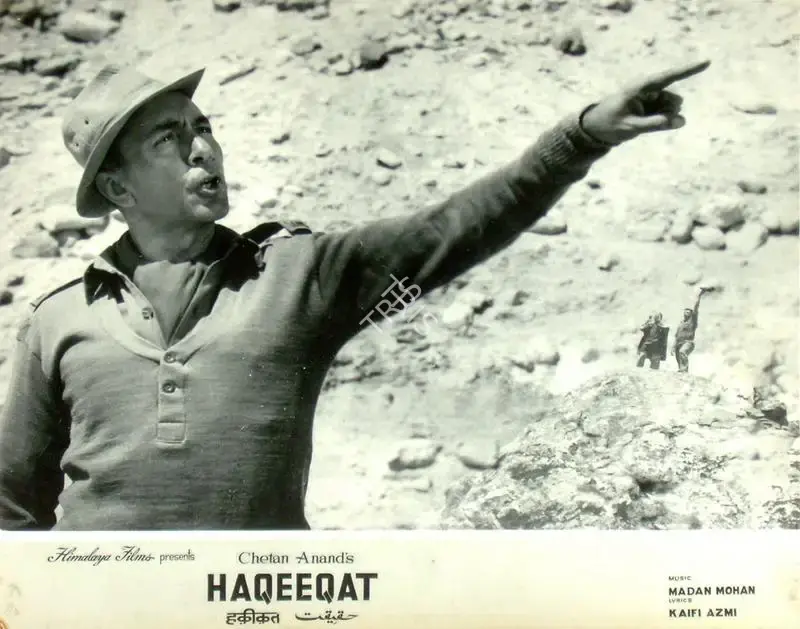
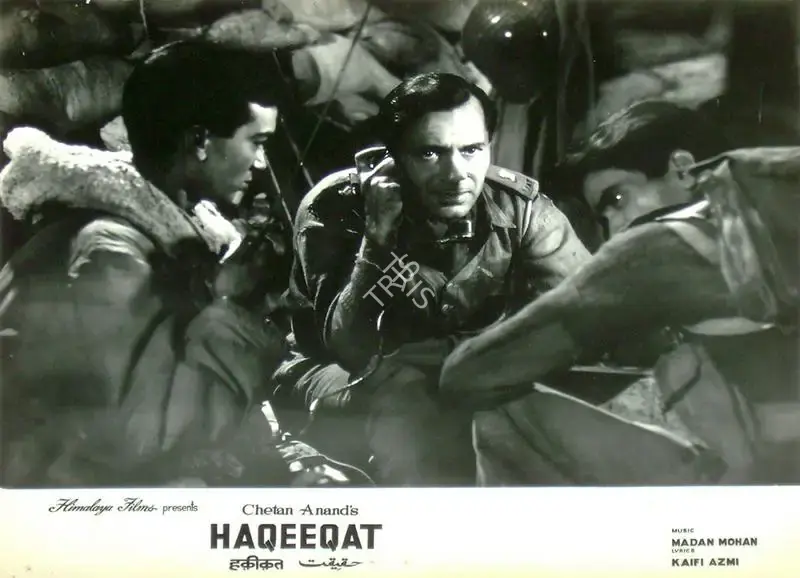
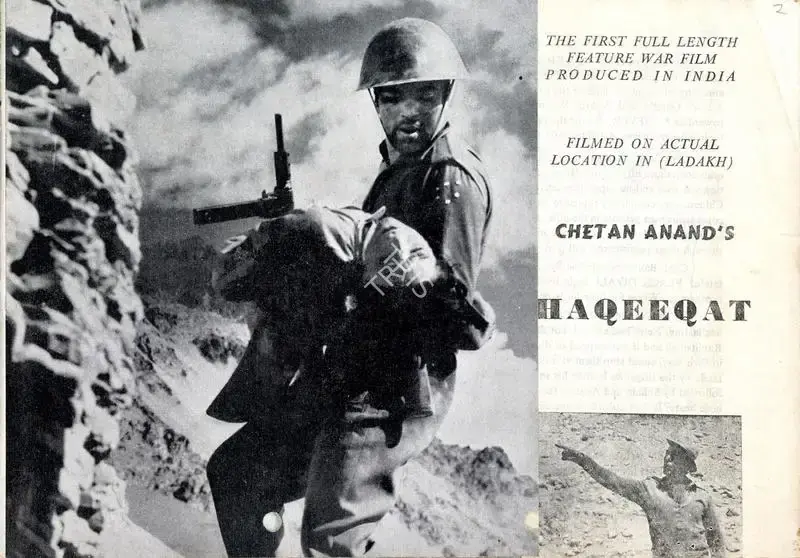
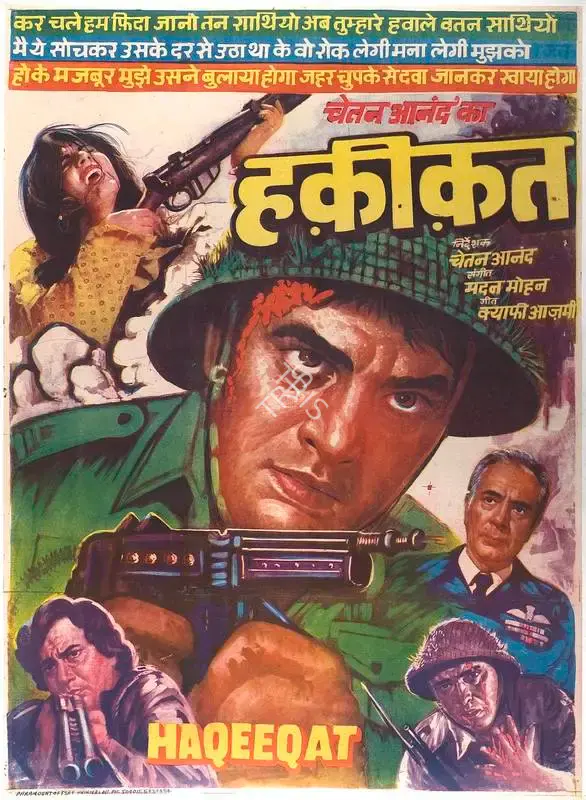
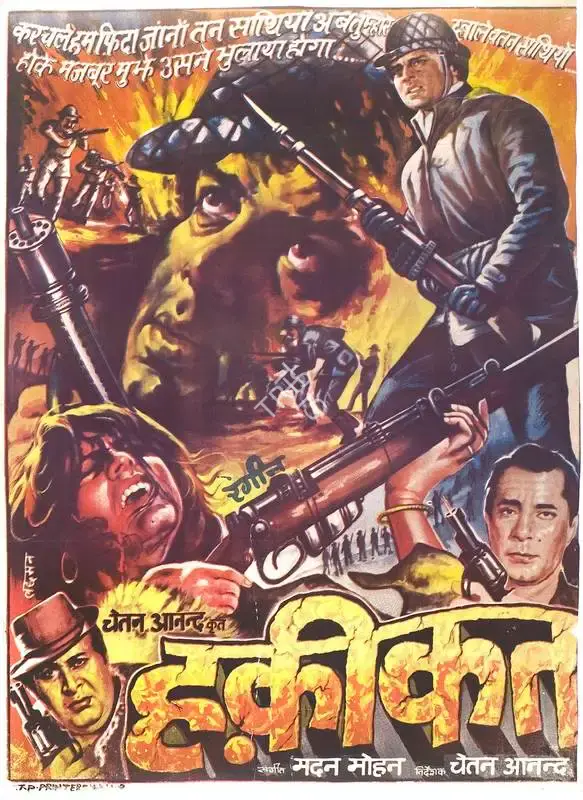
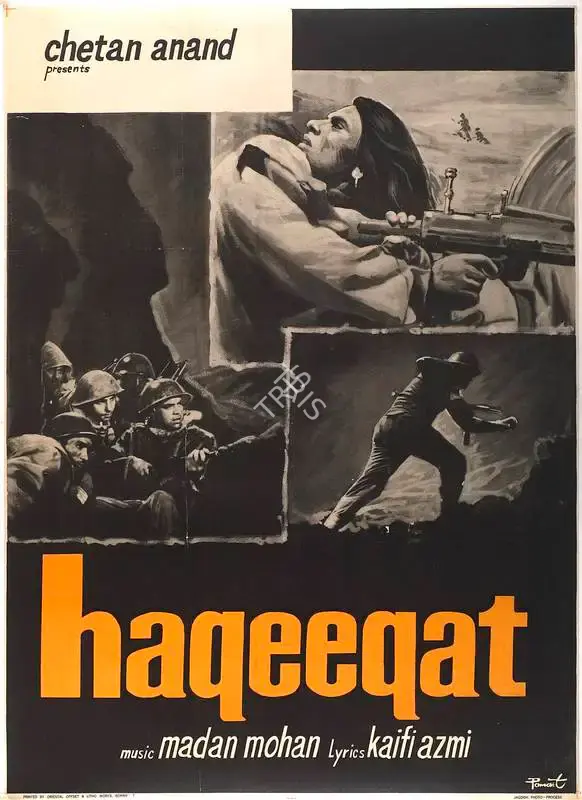
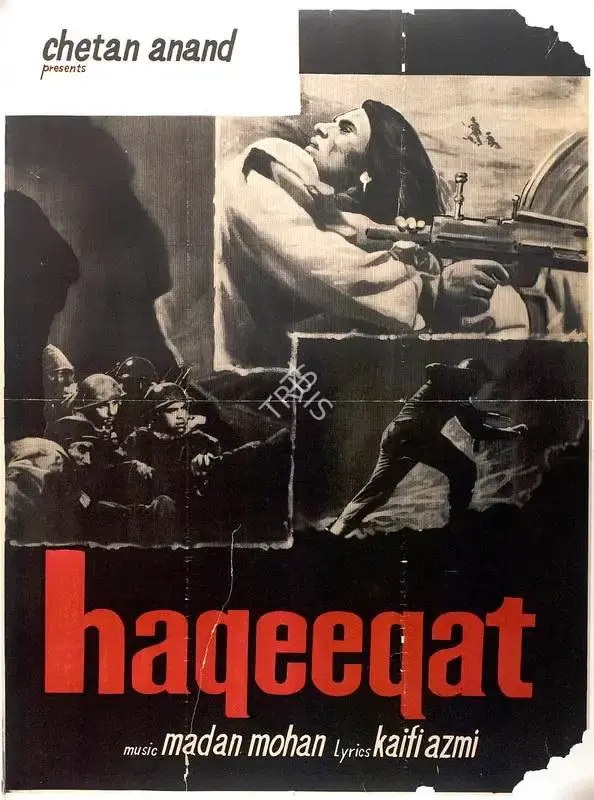
Sathyu established himself as an accomplished stage designer and director through his work with Hindustani Theatre, Habib Tanvir's Okhla Theatre, Kannada Bharati, and several other theatre groups in Delhi. His expertise in stagecraft, particularly in set and lighting design, significantly enriched post-independence Indian theatre. In cinema, he demonstrated exceptional versatility by serving as an art director, cinematographer, screenwriter, producer, and director. His first major recognition came as an independent art director for Chetan Anand's Haqeeqat (1964), which earned him the 1965 Filmfare Award for Best Art Direction. Across his career, Sathyu has directed more than fifteen documentaries and eight feature films in Hindi, Urdu, and Kannada.
Sathyu's most celebrated work, Garm Hava (1973), remains a landmark in Indian cinema for its sensitive portrayal of the human consequences of the Partition of India. Featuring eminent cultural figures such as Balraj Sahni and Kaifi Azmi, the film is widely regarded as one of the most significant cinematic explorations of displacement, identity, and secularism. It received the Nargis Dutt Award for Best Feature Film on National Integration at the 1974 National Film Awards and won the Filmfare Award for Best Screenplay. Internationally, Garm Hava was nominated for the Palme d'Or at the 1974 Cannes Film Festival, nominated for the Gold Hugo at the 1975 Chicago International Film Festival, and selected as India's official submission to the Academy Awards.
His subsequent directorial ventures further consolidated his reputation. The Kannada film Bara (1982) won the Karnataka State Film Award for Best Film and Best Director, while its Hindi adaptation, Sookha (1983), received the Nargis Dutt Award for Best Feature Film on National Integration and the Filmfare Critics Award for Best Film. His enduring contributions to theatre were recognised with the Sangeet Natak Akademi Award for Stagecraft in 1994 and the Akademi Ratna (Sangeet Natak Akademi Fellowship) in 2014.
Sathyu established himself as an accomplished stage designer and director through his work with Hindustani Theatre, Habib Tanvir's Okhla Theatre, Kannada Bharati, and several other theatre groups in Delhi. His expertise in stagecraft, particularly in set and lighting design, significantly enriched post-independence Indian theatre. In cinema, he demonstrated exceptional versatility by serving as an art director, cinematographer, screenwriter, producer, and director. His first major recognition came as an independent art director for Chetan Anand's Haqeeqat (1964), which earned him the 1965 Filmfare Award for Best Art Direction. Across his career, Sathyu has directed more than fifteen documentaries and eight feature films in Hindi, Urdu, and Kannada.
Sathyu's most celebrated work, Garm Hava (1973), remains a landmark in Indian cinema for its sensitive portrayal of the human consequences of the Partition of India. Featuring eminent cultural figures such as Balraj Sahni and Kaifi Azmi, the film is widely regarded as one of the most significant cinematic explorations of displacement, identity, and secularism. It received the Nargis Dutt Award for Best Feature Film on National Integration at the 1974 National Film Awards and won the Filmfare Award for Best Screenplay. Internationally, Garm Hava was nominated for the Palme d'Or at the 1974 Cannes Film Festival, nominated for the Gold Hugo at the 1975 Chicago International Film Festival, and selected as India's official submission to the Academy Awards.
His subsequent directorial ventures further consolidated his reputation. The Kannada film Bara (1982) won the Karnataka State Film Award for Best Film and Best Director, while its Hindi adaptation, Sookha (1983), received the Nargis Dutt Award for Best Feature Film on National Integration and the Filmfare Critics Award for Best Film. His enduring contributions to theatre were recognised with the Sangeet Natak Akademi Award for Stagecraft in 1994 and the Akademi Ratna (Sangeet Natak Akademi Fellowship) in 2014.
The whole holding