Vijju Kote
Viju Khote (17 December 1941 – 30 September 2019) He was a prolific Indian character actor whose career, spanning nearly six decades, traversed more than 440 films in Hindi and Marathi cinema, alongside notable work in television and theatre. He remains indelibly associated with the role of Kaalia, the hapless dacoit in Sholay, whose line—“Sardar, maine aapka namak khaya hai”—has entered the canon of iconic Hindi film dialogue. Equally memorable is his comic turn as Robert in Andaz Apna Apna (1994), marked by the oft-quoted line, “Ghalti se mistake ho gaya.” On television, he achieved enduring recognition for his role in the sitcom Zabaan Sambhalke (1993-97), while continuing to maintain a presence in Marathi theatre throughout his career.
Born in Mumbai into a family deeply embedded in the performing arts, Khote was the son of Nandu Khote, a noted stage and early film actor of the silent era. He was the younger brother of actress Shubha Khote, and related to the pioneering screen figure Durga Khote. This familial milieu provided an early cultural grounding that would shape his artistic inclinations. Educated in Mumbai, Khote did not undergo formal institutional training in acting; rather, his professional formation was rooted in what may be described as an experiential pedagogy. Through sustained engagement with theatre and cinema, combined with a keen and self-directed interest in international film—particularly American cinema—he cultivated a versatile performance style that enabled him to move fluidly between comic, villainous, and character roles.
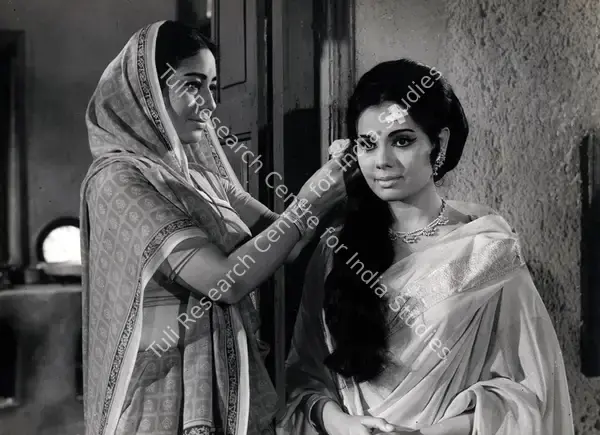
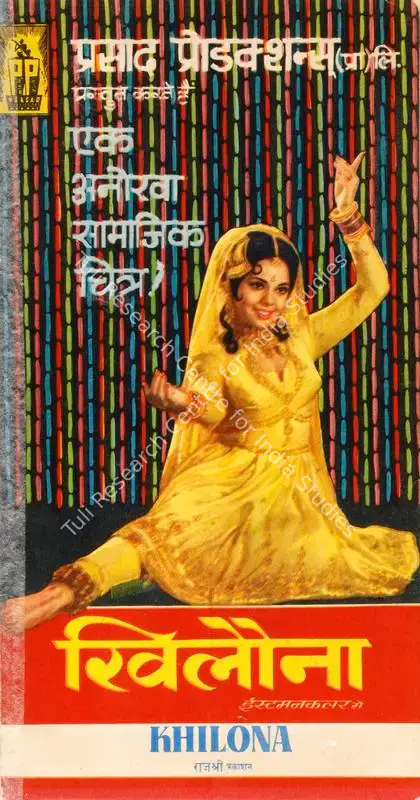
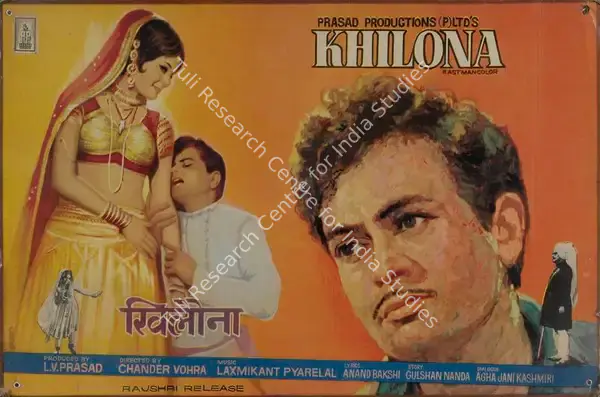
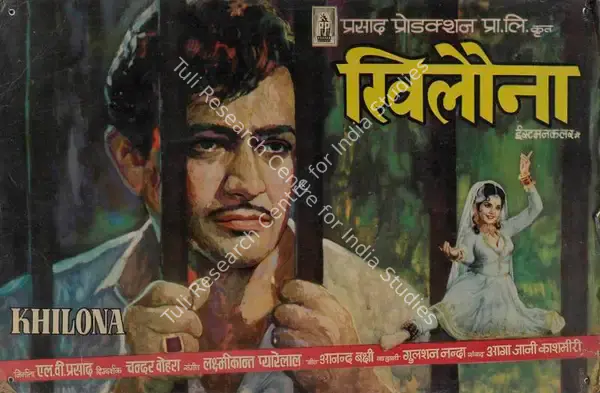
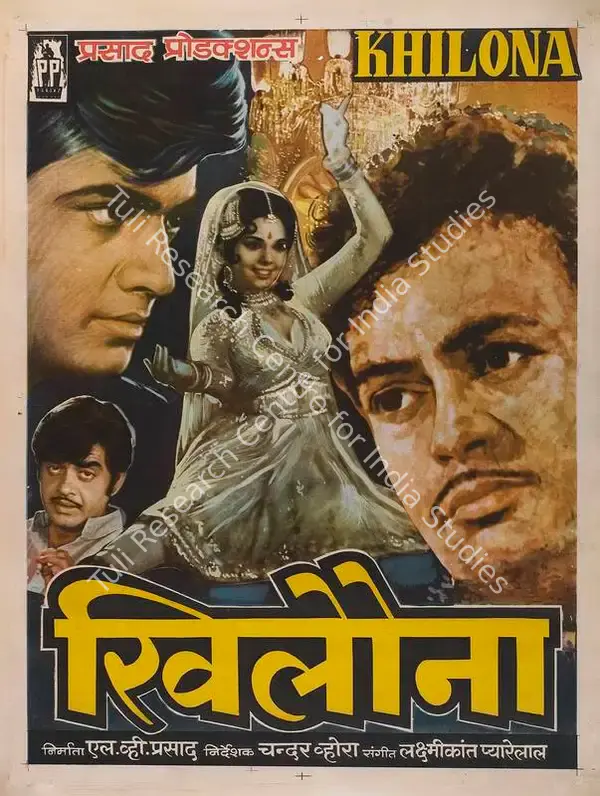
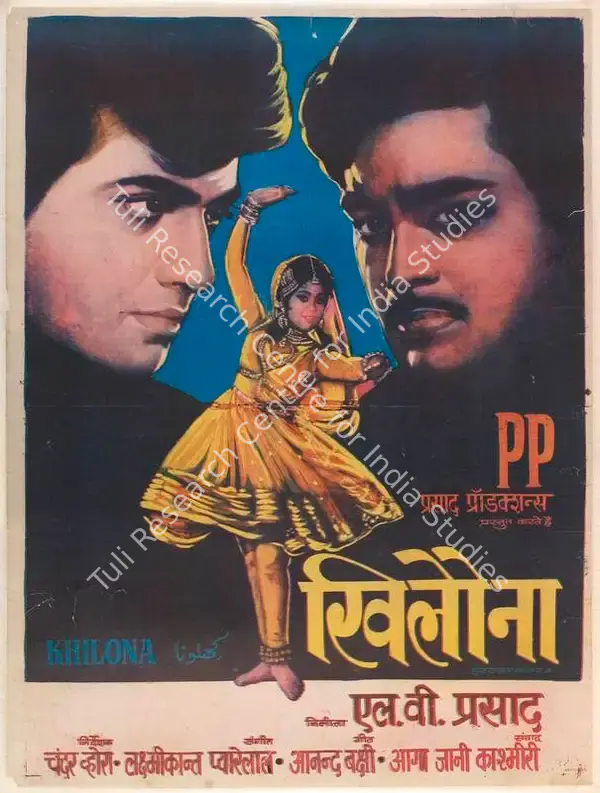
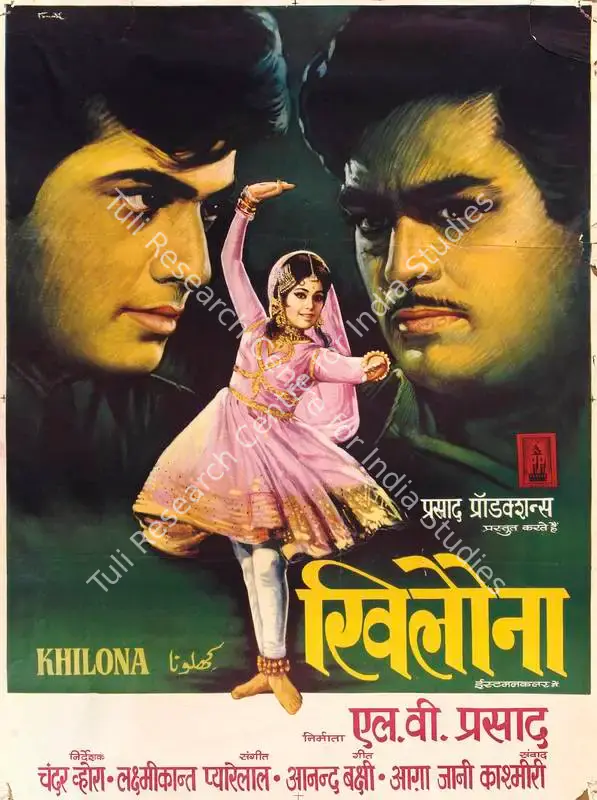
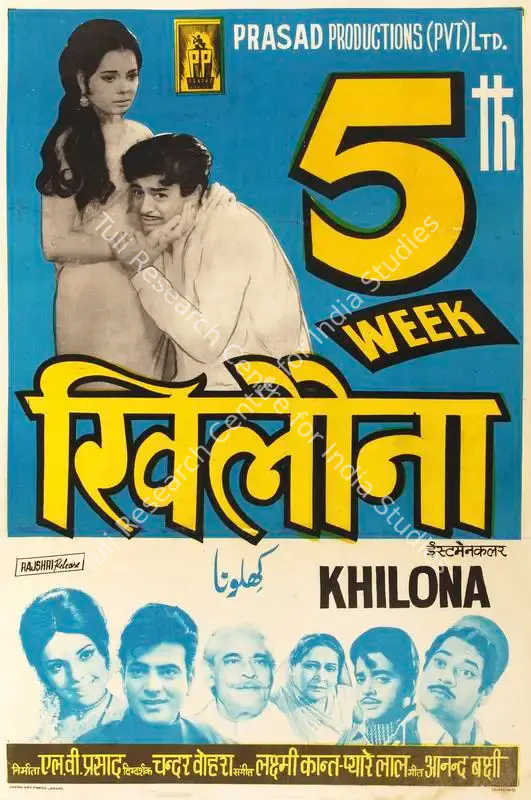
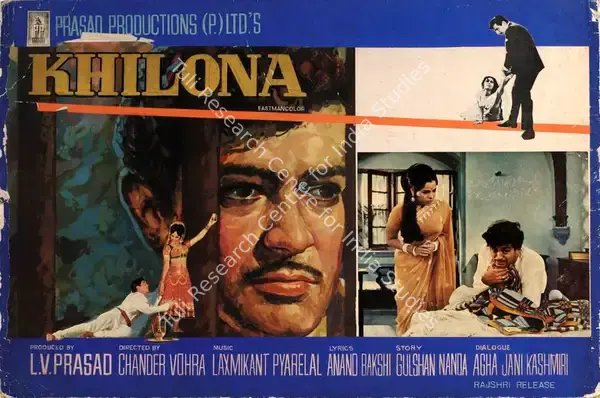
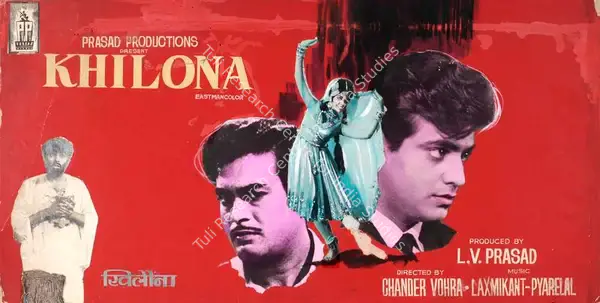
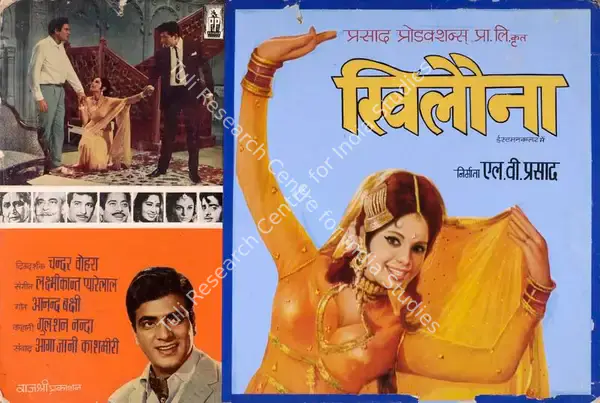
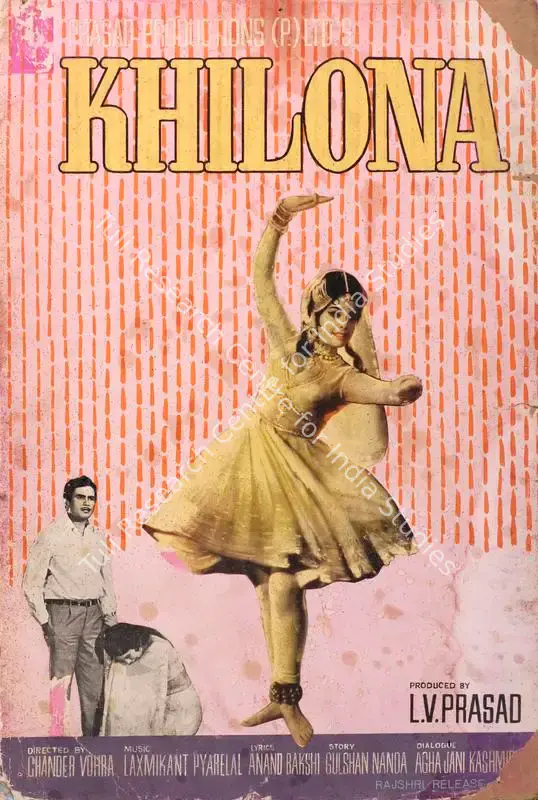
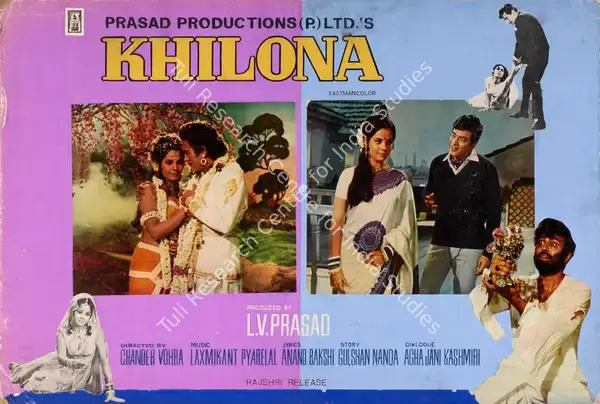
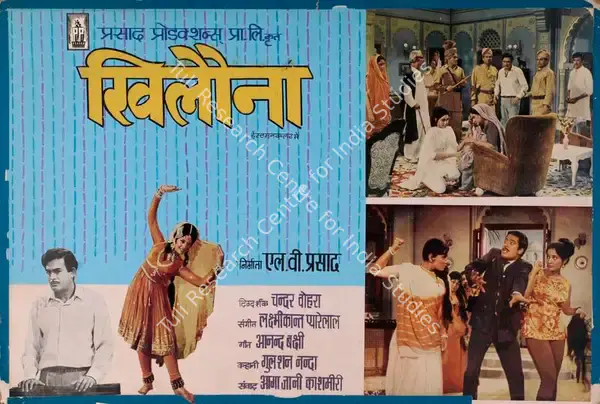
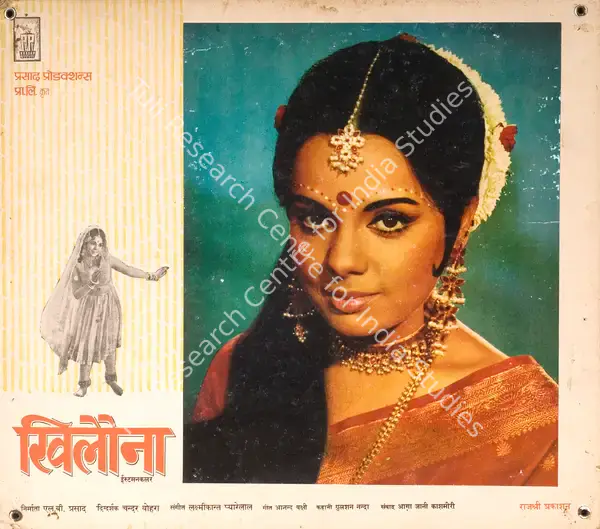
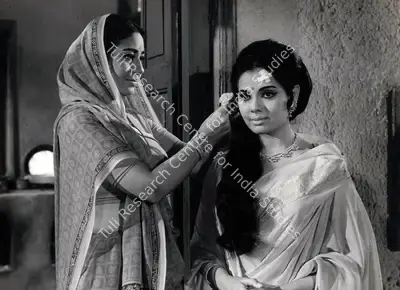
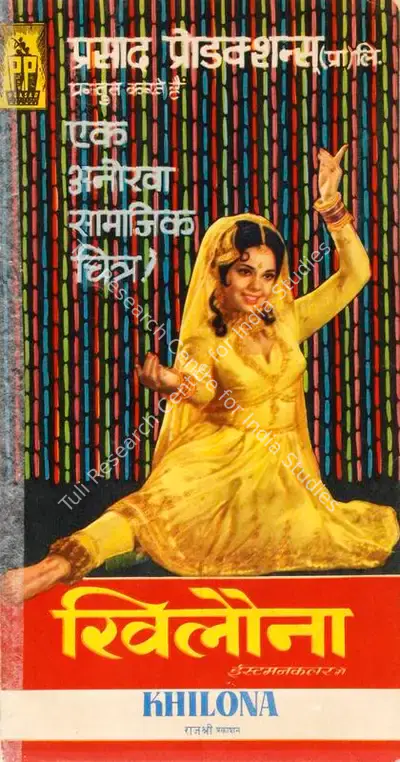
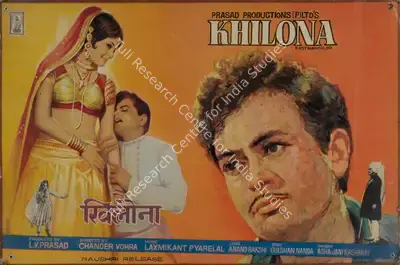
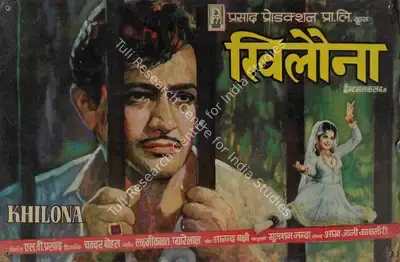
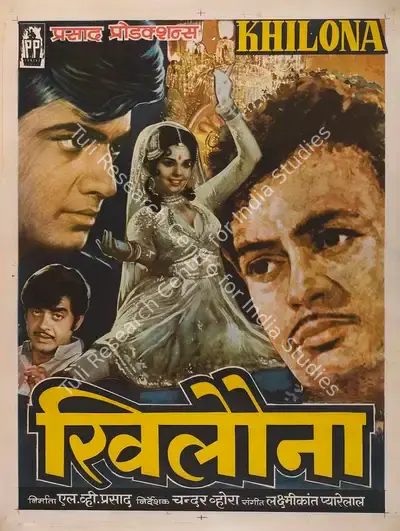
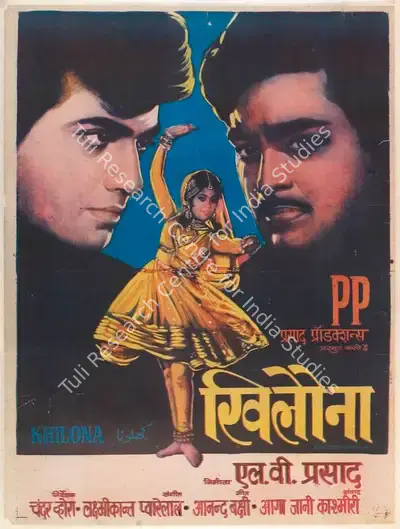
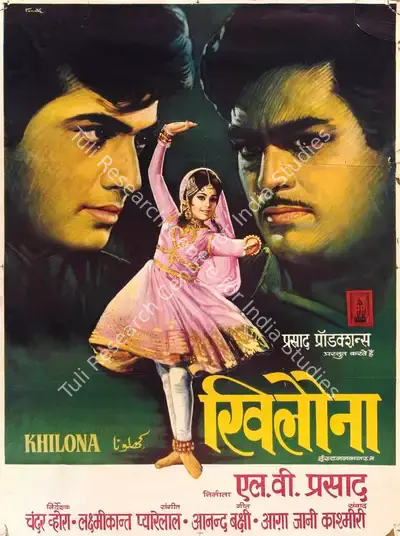
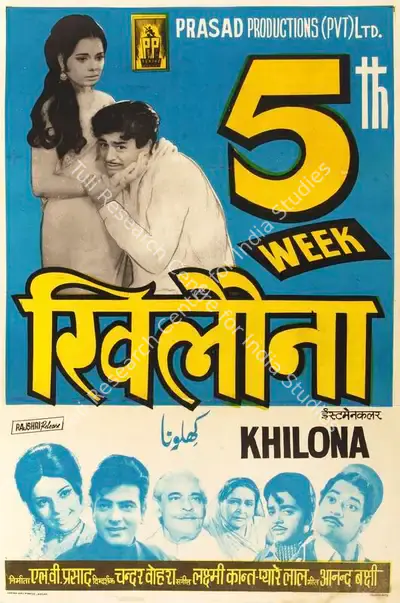
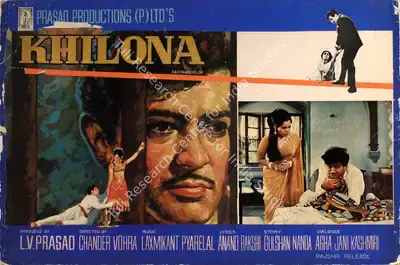
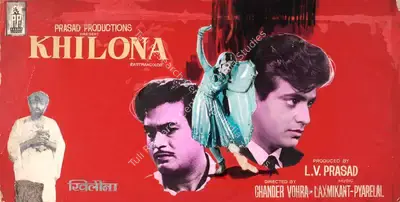
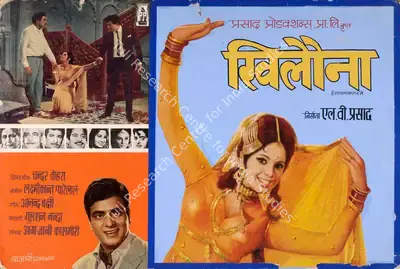
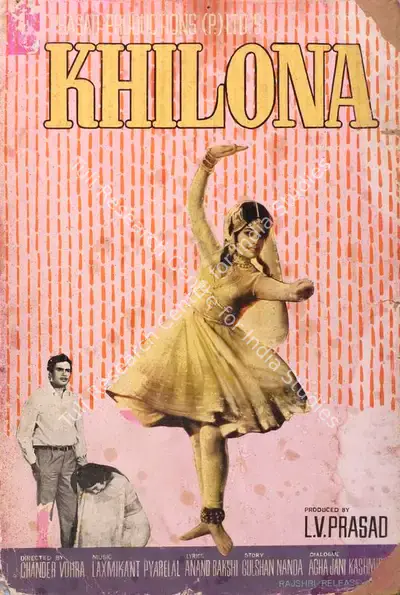
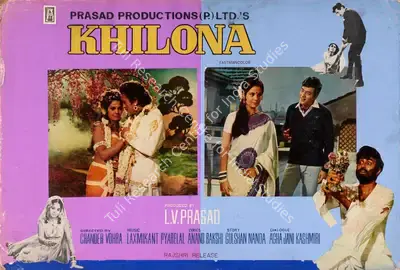
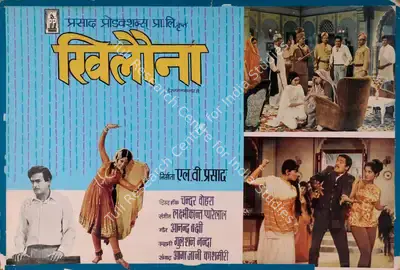
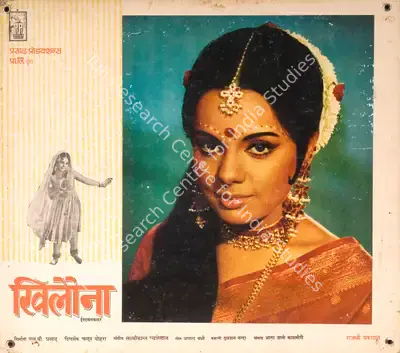
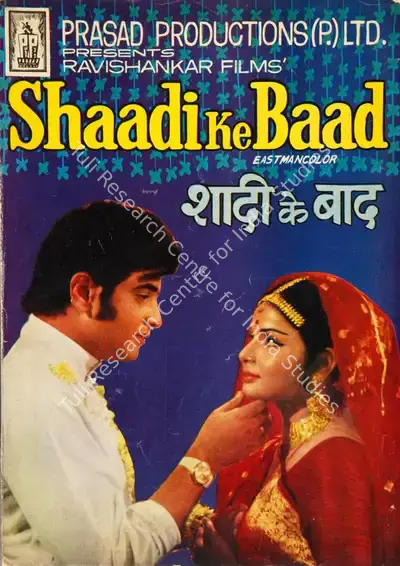
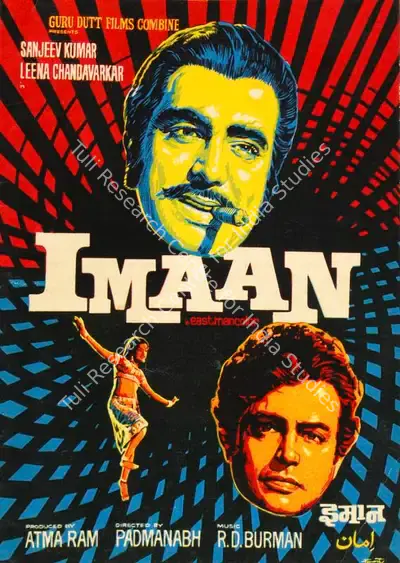
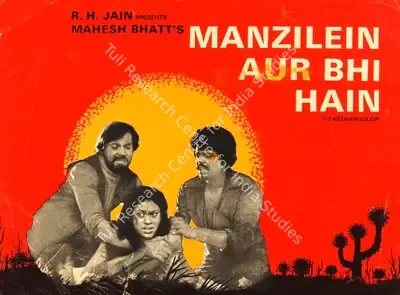
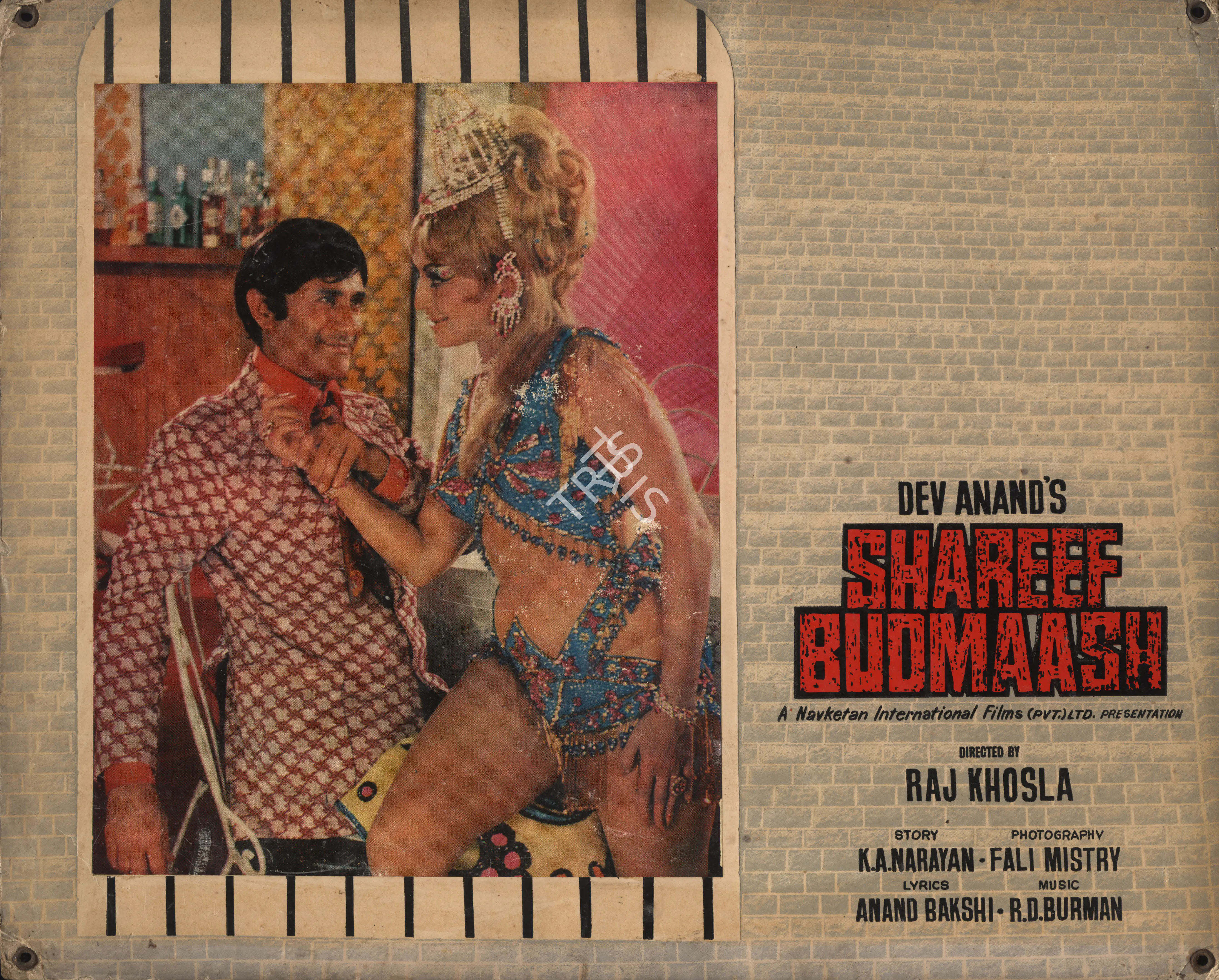
Khote's filmography reflects both range and consistency. His early appearances included Ya Malak (1964), Anokhi Raat (1968), Jeene Ki Raah (1969), and Khilona (1970). During the 1970s and 1980s, he featured in a succession of significant productions such as Benaam (1974), Adalat (1976), Tapasya (1976), Karz (1980), Qurbani (1980), Shaan (1980), Naseeb (1981), Vidhaata (1982), Nastik (1983), Sharaabi (1984), Karma (1986), Satyamev Jayate (1987), and Qayamat Se Qayamat Tak (1988). He remained a ubiquitous presence in later decades, appearing in films such as Hum (1991), King Uncle (1993), Krantiveer (1994), Ghatak: Lethal (1996), Dulhe Raja (1998), China Gate (1998), Baadshah (1999), Pukar (2000), Aamdani Atthanni Kharcha Rupaiya (2001), Fida (2004), Garam Masala (2005), Salaam-e-Ishq (2007), Ajab Prem Ki Ghazab Kahani (2009), and Golmaal 3 (2010), among others.
Beyond acting, Khote was also an accomplished cycling enthusiast in his youth, reportedly winning several competitive prizes—an aspect that underscores a lesser-known dimension of his early life. He died on 30 September 2019 at his residence in Mumbai due to multiple organ failure at the age of 77.
In the wake of his passing, tributes from colleagues foregrounded both his professional stature and personal warmth. Ajay Devgn, who had worked with him in films such as Golmaal 3 and Halla Bol, characterized Khote as an “institution,” emphasizing the scale and durability of his contribution to Indian cinema. Rishi Kapoor, recalling a more intimate association, described him as a “dear friend” and evoked shared moments from his youth, including motorcycle outings with Khote and Shubha Khote. Kapoor further noted Khote's informed engagement with global cinema, particularly his enthusiasm for American films, suggesting an intellectual curiosity that informed his craft.
Taken together, Khote's career exemplifies the significance of the character actor within the industrial and aesthetic fabric of Indian cinema—an enduring presence whose contributions, while often situated outside the domain of stardom, remain central to its narrative and performative richness.
मुंबई में एक ऐसे परिवार में जन्मे, जिसकी जड़ें प्रदर्शन कलाओं में गहराई से जुड़ी थीं, खोटे प्रसिद्ध मंच और साइलेंट फ़िल्म युग के आरंभिक अभिनेता नंदू खोटे के पुत्र थे। वे अभिनेत्री शुभा खोटे के छोटे भाई थे और अग्रणी फ़िल्म कलाकार दुर्गा खोटे से भी उनका पारिवारिक सम्बन्ध था। इस पारिवारिक परिवेश ने उन्हें शुरूआती सांस्कृतिक रूप से मज़बूत आधार प्रदान किया जिसने उनकी कलात्मक रुचियों को आकार दिया। मुंबई में शिक्षित खोटे ने अभिनय में कोई औपचारिक अकादमिक प्रशिक्षण नहीं लिया था। उनका पेशेवर विकास मुख्यतः अनुभव-आधारित सीखने की प्रक्रिया पर आधारित था। रंगमंच और सिनेमा के साथ निरंतर जुड़ाव, और अंतरराष्ट्रीय फ़िल्मों विशेष रूप से अमेरिकी सिनेमा में उनकी गहरी और स्व-निर्देशित रुचि के माध्यम से, उन्होंने एक बहुआयामी अभिनय शैली विकसित की जिसने उन्हें हास्य, खलनायक और चरित्र भूमिकाओं के बीच सहजता से आगे बढ़ने में सक्षम बनाया।
खोटे की फ़िल्मोग्राफ़ी रेंज और निरंतरता दोनों को दर्शाती है। उनकी शुरुआती फ़िल्मों में या मालिक (1964), अनोखी रात (1968), जीने की राह (1969), और खिलौना (1970) शामिल थीं। 1970 और 1980 के दशक के दौरान, उन्होंने बेनाम (1974), अदालत (1976), तपस्या (1976), कर्ज़ (1980), क़ुर्बानी (1980), शान (1980), नसीब (1981), विधाता (1982), नास्तिक (1983), शराबी (1984), कर्मा (1986), सत्यमेव जयते (1987), और क़यामत से क़यामत तक (1988) जैसी कई महत्वपूर्ण फ़िल्मों में अभिनय किया। बाद के दशकों में भी वे लगातार सक्रिय रहे और, हम (1991), किंग अंकल (1993), क्रांतिवीर (1994), घातक: लीथल (1996), दूल्हे राजा (1998), चाइना गेट (1998), बादशाह (1999), पुकार (2000), आमदनी अठन्नी खर्चा रुपैया (2001), फ़िदा (2004), गरम मसाला (2005), सलाम-ए- इश्क़ (2007), अजब प्रेम की गजब कहानी (2009), और गोलमाल 3 (2010), जैसी फ़िल्मों में दिखाई दिए।
अभिनय के अलावा, खोटे अपनी युवावस्था में साइकिल चलाने के भी शौक़ीन थे और बताया जाता है कि उन्होंने कई प्रतिस्पर्धी पुरस्कार जीते थे, जो उनके शुरुआती जीवन के एक कम ज्ञात पहलू को उजागर करता है। उनका निधन 30 सितंबर 2019 को मुंबई स्थित उनके आवास पर कई अंगों के फेल होने के कारण 77 वर्ष की आयु में हुआ।
उनके निधन के बाद उनके सहकर्मियों ने श्रद्धांजलि अर्पित करते हुए उनकी पेशेवर क़द और व्यक्तिगत सौम्यता दोनों को उजागर किया। अजय देवगन, जिन्होंने उनके साथ गोलमाल 3 और हल्ला बोल जैसी फ़िल्मों में काम किया था। उन्होंने खोटे को एक "संस्था" बताया और भारतीय सिनेमा में उनके योगदान की व्यापकता और स्थायित्व पर जोर दिया। ऋषि कपूर ने अपने घनिष्ठ संबंधों को याद करते हुए उन्हें "प्रिय मित्र" कहा और अपनी युवावस्था के उन पलों को याद किया, जिनमें खोटे और शुभा खोटे के साथ मोटरसाइकिल की सैर शामिल थी। कपूर ने खोटे की वैश्विक सिनेमा के प्रति गहरी समझ, विशेष रूप से अमेरिकी फ़िल्मों के प्रति उनके उत्साह का उल्लेख किया, जो उनकी बौद्धिक जिज्ञासा को दर्शाता है और उनके शिल्प को प्रभावित करता था।
समग्र रूप से देखा जाए तो खोटे का करियर भारतीय सिनेमा के औद्योगिक और सौंदर्यपरक ताने-बाने के भीतर चरित्र अभिनेता के महत्व का उदाहरण प्रस्तुत करता है। एक ऐसी स्थायी उपस्थिति और योगदान, जो अक्सर स्टारडम के दायरे से बाहर होते हुए भी इसकी कथात्मक और प्रदर्शन संबंधी समृद्धि के लिए केंद्रीय बने रहते हैं।