
Vidhu Vinod Chopra
Vidhu Vinod Chopra (born 5 September 1952) He is one of India's most accomplished film directors, producers, screenwriters, and editors, whose work has significantly influenced contemporary Hindi cinema.
Born and raised in Srinagar, Jammu and Kashmir, into a Punjabi Hindu family, Chopra inherited a strong cultural and artistic legacy. His father was D. N. Chopra, while the renowned filmmaker Ramanand Sagar was his half-brother. His brother, Vir K. Chopra, was a distinguished scholar of Indian politics and also worked as a film producer. Originally hailing from Peshawar in British India, Chopra's family experienced the displacement associated with the Kashmir conflict, an experience that profoundly shaped his personal and creative outlook. His 2020 film Shikara was dedicated to his mother, Shanti Devi Mahalakshmi, who was compelled to leave Kashmir in 1990.
Chopra received formal training in film direction at the Film and Television Institute of India (FTII), Pune. He began his filmmaking career with the student short film Murder at Monkey Hill (1976), which won the National Film Award for Best Short Experimental Film and the Guru Dutt Memorial Award for Best Student Film. In the same year, he directed the documentary An Encounter with Faces, highlighting the plight of underprivileged children in India. The documentary earned an Academy Award nomination for Best Documentary Short Film in 1979 and won the Grand Prix at the Tampere Film Festival in 1980, establishing his international recognition.
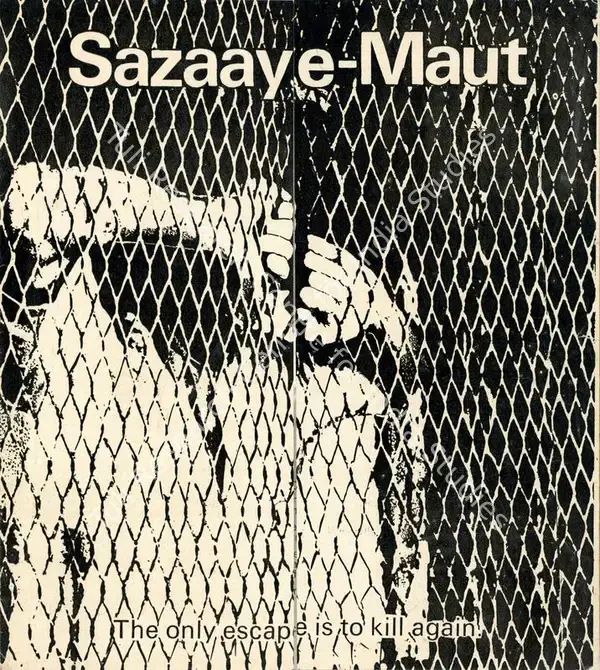
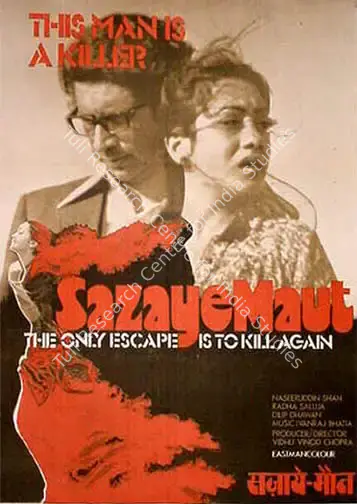
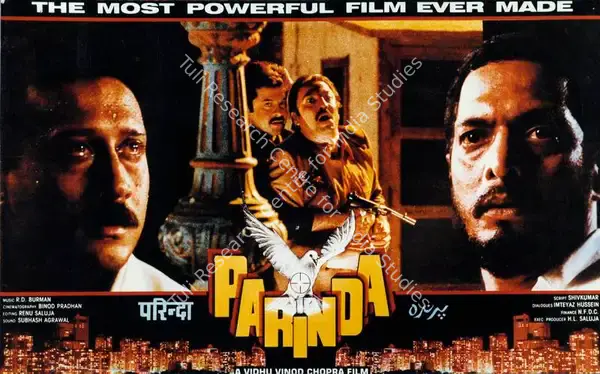
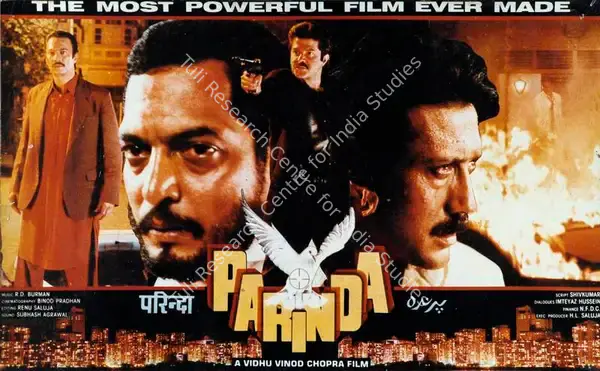
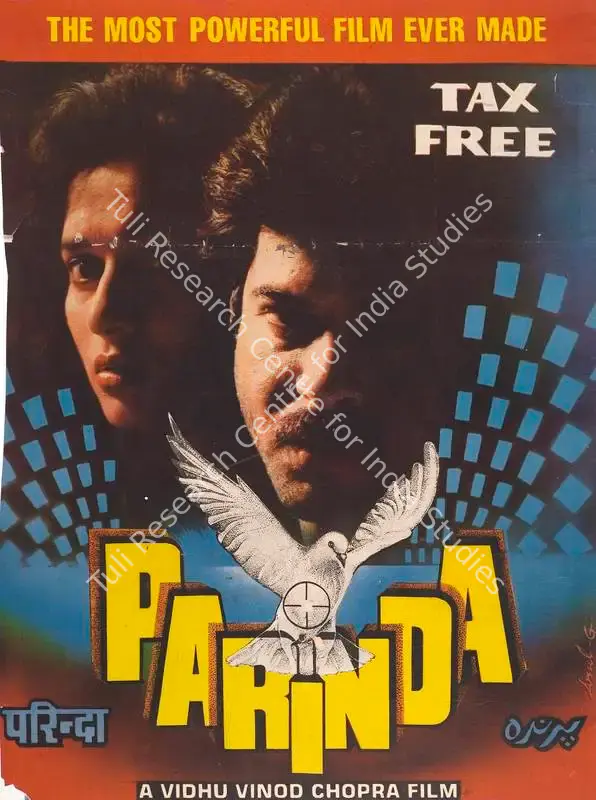
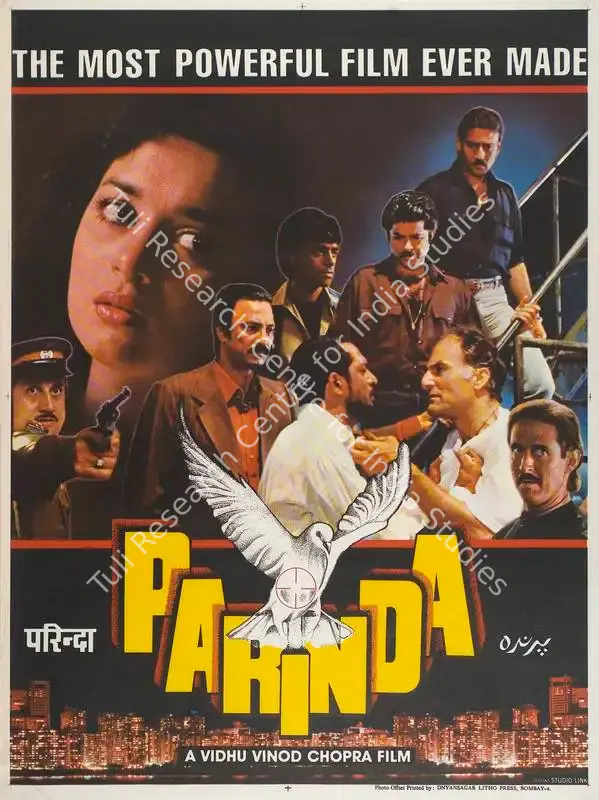
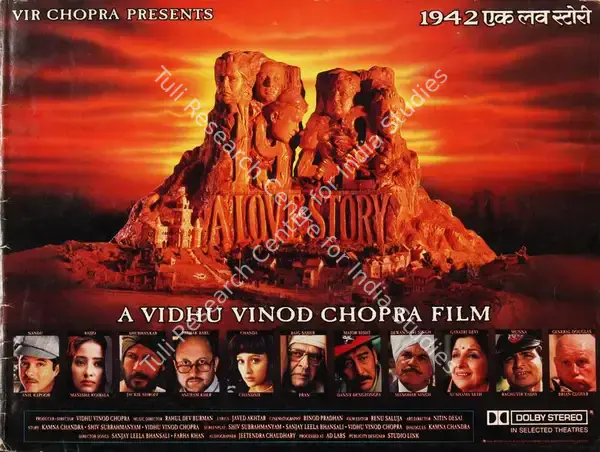
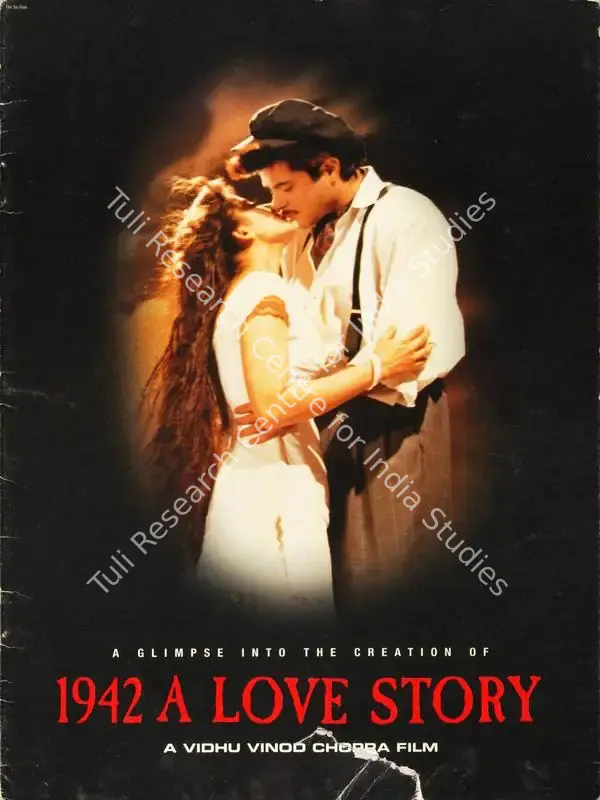
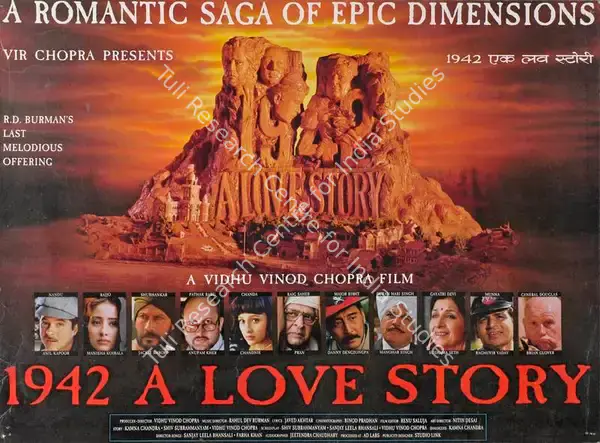
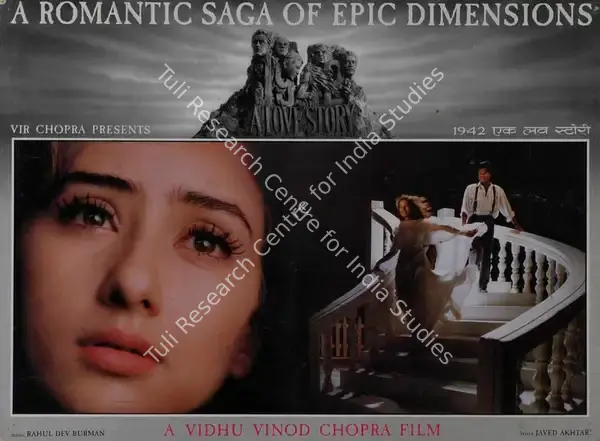
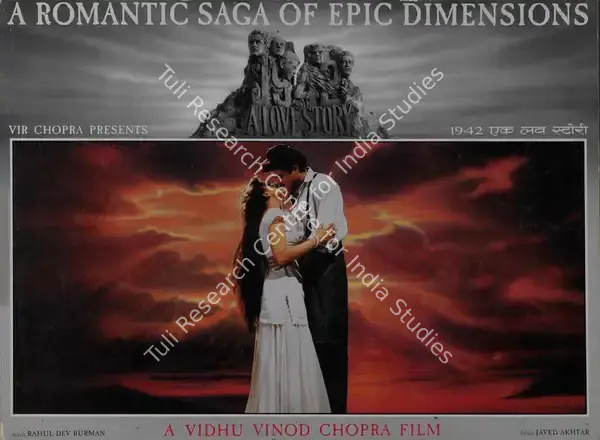
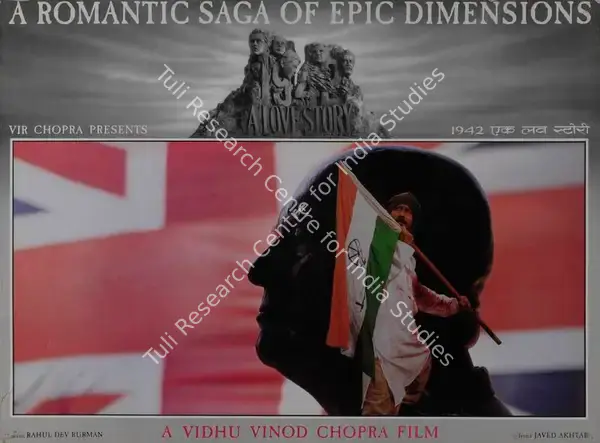
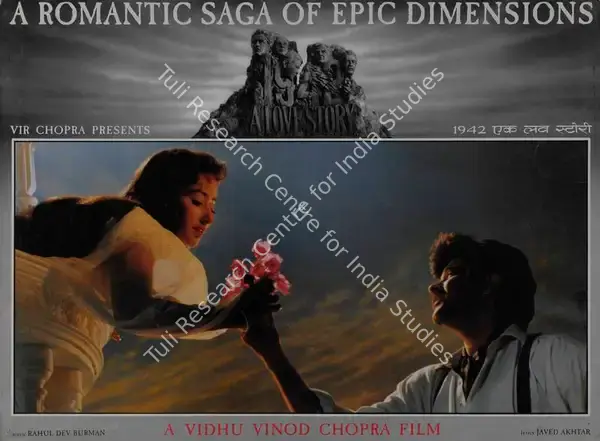
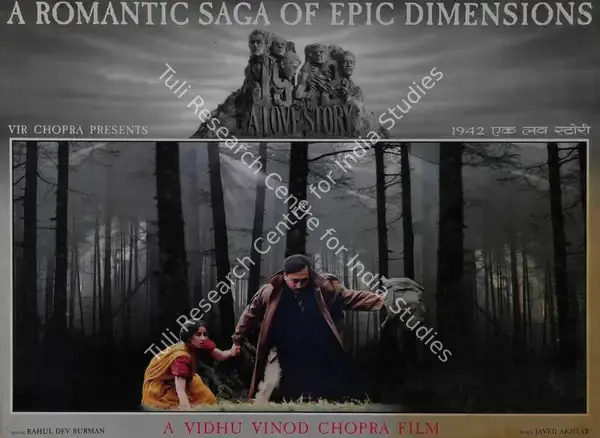
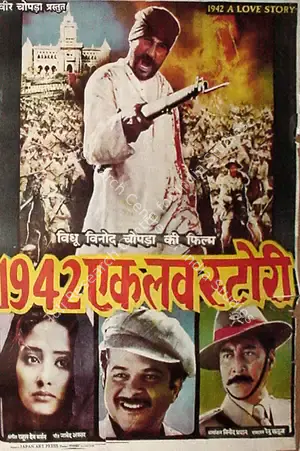
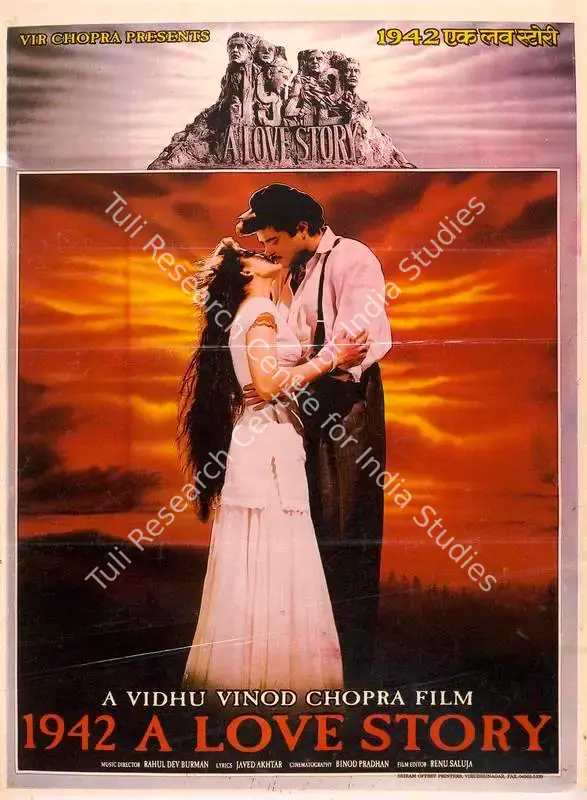
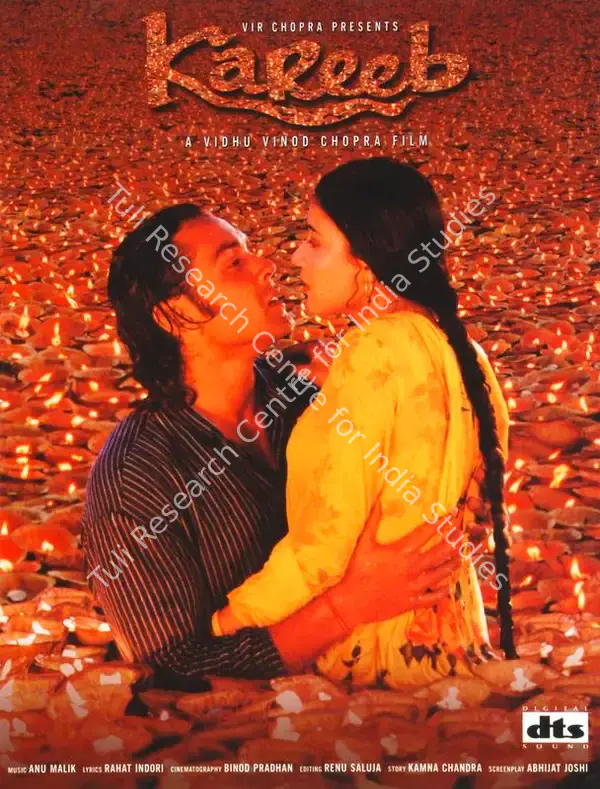
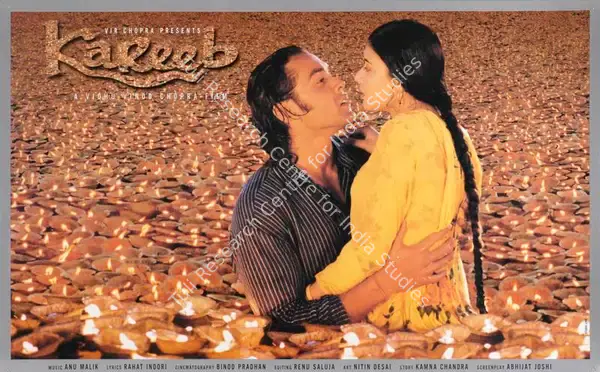
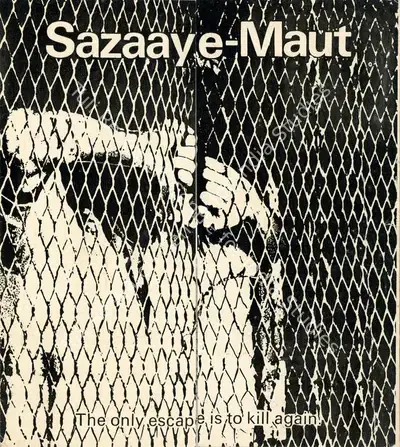
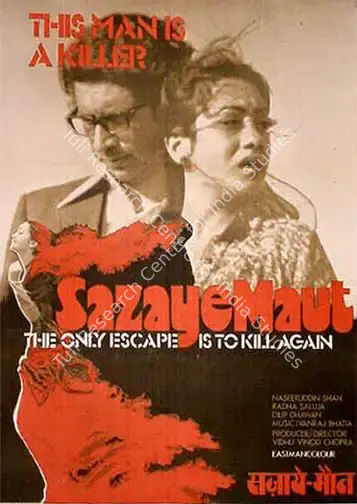
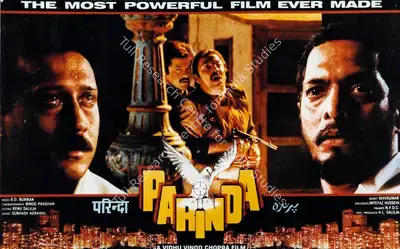
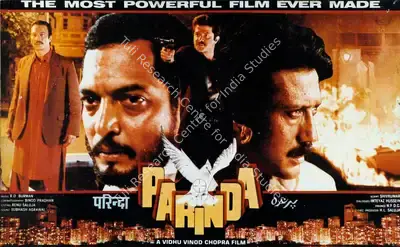
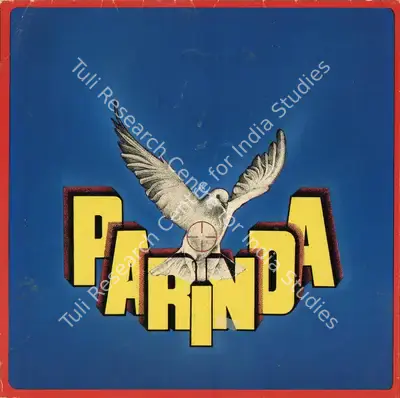
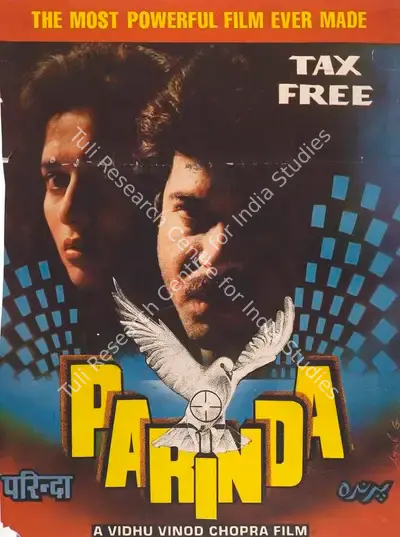
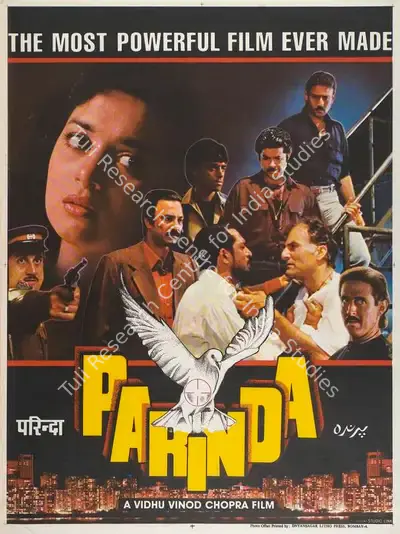
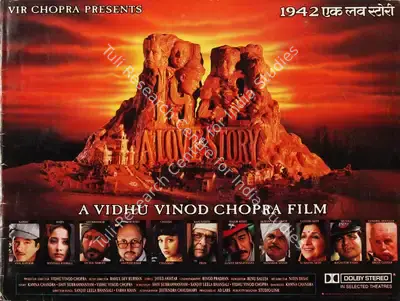
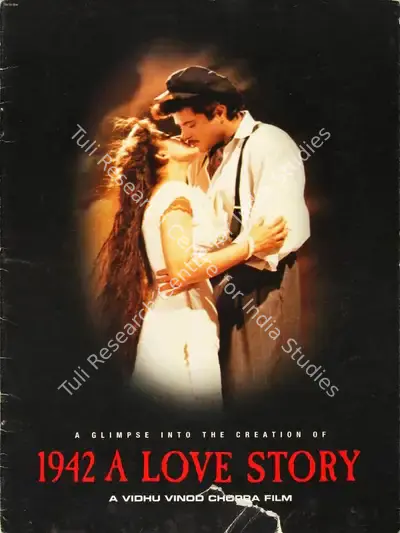
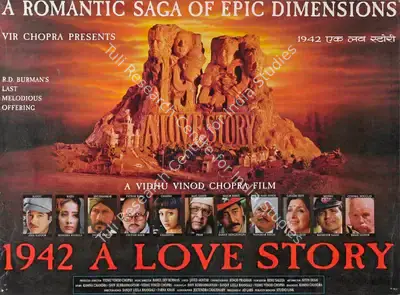
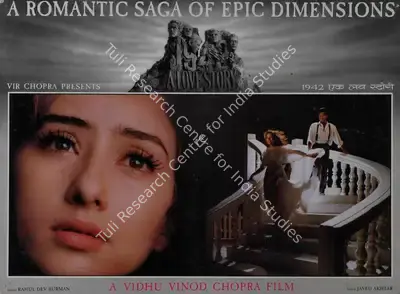
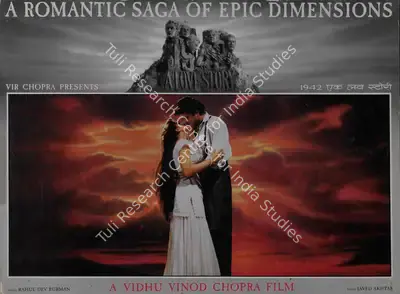
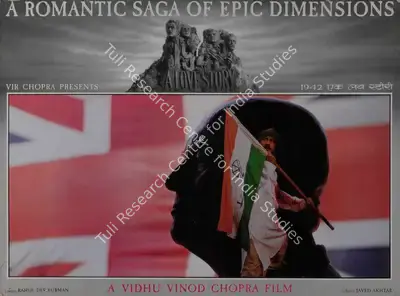
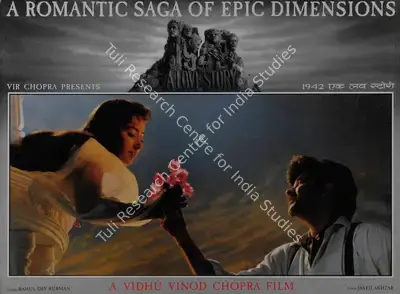
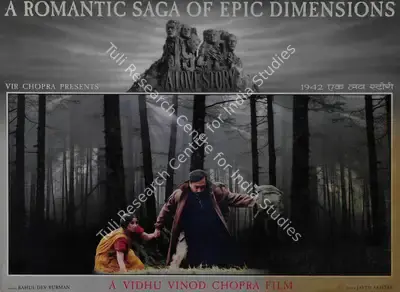
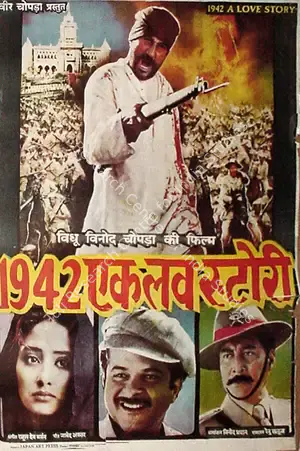
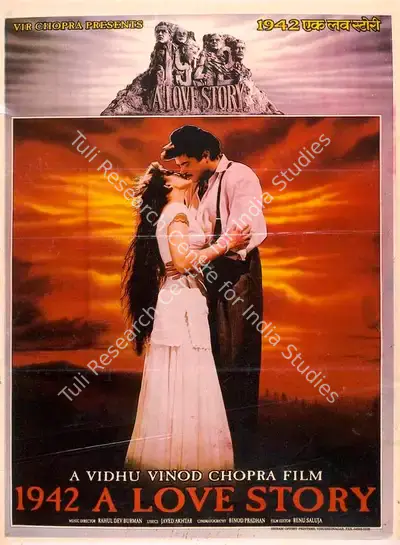
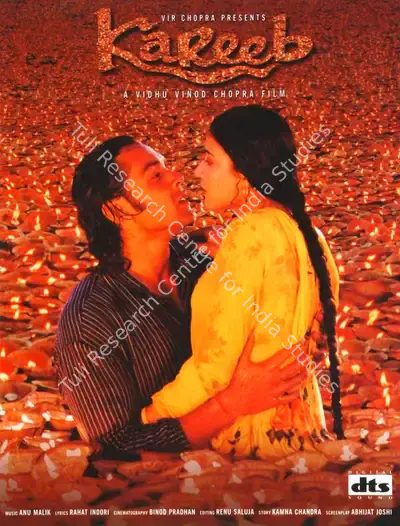
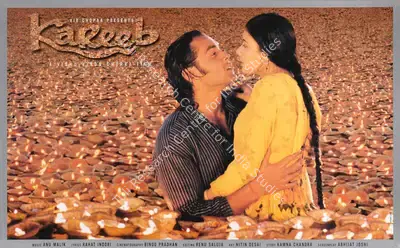
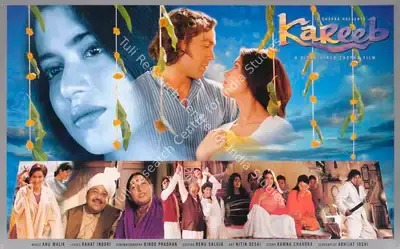
His debut feature film, Sazaye Maut, adapted from Murder at Monkey Hill, showcased his ability to transform experimental narratives into compelling feature-length cinema. In 1985, Chopra founded Vinod Chopra Films, which has since become one of India's most successful film production companies. His directorial ventures, including Khamosh (1986), Parinda (1989), 1942: A Love Story (1994), Kareeb (1998), and Mission Kashmir (2000), demonstrated remarkable versatility in genres ranging from psychological thrillers and crime dramas to romantic and political narratives. Parinda, in particular, is widely regarded as a landmark in Hindi cinema for redefining the crime genre through its innovative visual style and realistic storytelling.
As a producer and screenwriter, Chopra played a pivotal role in shaping commercially successful and critically acclaimed films in collaboration with director Rajkumar Hirani. These include Munna Bhai M.B.B.S., Lage Raho Munna Bhai, 3 Idiots, PK, and Sanju. Several of these films received the National Film Award for Best Popular Film Providing Wholesome Entertainment and achieved extraordinary commercial success, with 3 Idiots and PK becoming among the highest-grossing Indian films of their time. Chopra also produced and wrote notable films such as Parineeta, Ferrari Ki Sawaari, and Wazir.
Although his directorial ventures Eklavya: The Royal Guard (2007), Broken Horses (2015), and Shikara (2020) met with limited commercial success, Chopra reaffirmed his creative excellence with 12th Fail (2023). The biographical drama emerged as both a critical and commercial success, earning widespread acclaim and multiple Filmfare Awards, including Best Film, Best Director, Best Screenplay, and Best Editing. Throughout his distinguished career, Vidhu Vinod Chopra has received numerous honours, including five National Film Awards and ten Filmfare Awards. His enduring contributions to Indian cinema continue to shape its artistic, narrative, and commercial landscape, establishing him as one of the industry's most influential filmmakers.
जम्मू-कश्मीर के श्रीनगर में एक पंजाबी हिंदू परिवार में जन्मे और पले-बढ़े चोपड़ा को एक मज़बूत सांस्कृतिक और कलात्मक विरासत मिली। उनके पिता डी. एन. चोपड़ा थे, जबकि मशहूर फ़िल्म निर्माता रामानंद सागर उनके सौतेले भाई थे। उनके भाई, वीर के. चोपड़ा, भारतीय राजनीति के जाने-माने विद्वान थे और उन्होंने फ़िल्म निर्माता के तौर पर भी काम किया। मूल रूप से ब्रिटिश भारत के पेशावर से ताल्लुक रखने वाले चोपड़ा के परिवार को कश्मीर विवाद के कारण विस्थापन का सामना करना पड़ा। इस अनुभव ने उनके निजी और रचनात्मक नज़रिए को गहराई से प्रभावित किया। उनकी 2020 की फ़िल्म 'शिकारा' उनकी माँ शांति देवी महालक्ष्मी को समर्पित थी, जिन्हें 1990 में कश्मीर छोड़ने पर मज़बूर होना पड़ा था।
चोपड़ा ने पुणे के फ़िल्म एंड टेलीविज़न इंस्टीट्यूट ऑफ़ इंडिया (FTII) से फ़िल्म निर्देशन की औपचारिक ट्रेनिंग ली। उन्होंने अपने फ़िल्म निर्माण करियर की शुरुआत स्टूडेंट शॉर्ट फ़िल्म 'मर्डर एट मंकी हिल' (1976) से की, जिसने 'बेस्ट शॉर्ट एक्सपेरिमेंटल फ़िल्म' के लिए नेशनल फ़िल्म अवॉर्ड और 'बेस्ट स्टूडेंट फ़िल्म' के लिए गुरु दत्त मेमोरियल अवॉर्ड जीता। उसी साल, उन्होंने 'एन एनकाउंटर विद फ़ेसेस' डॉक्यूमेंट्री का निर्देशन किया, जिसमें भारत में वंचित बच्चों की दयनीय स्थिति को दिखाया गया था। इस डॉक्यूमेंट्री को 1979 में 'बेस्ट डॉक्यूमेंट्री शॉर्ट फ़िल्म' के लिए अकादमी अवॉर्ड नॉमिनेशन मिला और 1980 में टैम्परे फ़िल्म फ़ेस्टिवल में 'ग्रैंड प्रिक्स' जीता, जिससे उन्हें अंतरराष्ट्रीय पहचान मिली।
उनकी पहली फ़ीचर फ़िल्म, 'सज़ा-ए-मौत' (जो 'मर्डर एट मंकी हिल' पर आधारित थी), ने एक्सपेरिमेंटल कहानियों को शानदार फ़ीचर फ़िल्मों में बदलने की उनकी क़ाबिलियत को दिखाया। 1985 में, चोपड़ा ने 'विनोद चोपड़ा फ़िल्म्स' की शुरुआत की, जो बाद में भारत की सबसे सफल फ़िल्म प्रोडक्शन कंपनियों में से एक बन गई। उनके निर्देशन में बनी फ़िल्मों - 'ख़ामोश' (1986), 'परिंदा' (1989), '1942: अ लव स्टोरी' (1994), 'क़रीब' (1998) और 'मिशन कश्मीर' (2000) - ने साइकोलॉजिकल थ्रिलर और क्राइम ड्रामा से लेकर रोमांटिक और पॉलिटिकल कहानियों तक, अलग-अलग जॉनर (विधा) में उनकी ज़बरदस्त क़ाबिलियत को दिखाया। ख़ासकर 'परिंदा' को हिंदी सिनेमा में एक मील का पत्थर माना जाता है, क्योंकि इसने अपने नए विज़ुअल स्टाइल और असल ज़िंदगी जैसी कहानी कहने के तरीक़े से क्राइम जॉनर को एक नई पहचान दी।
एक प्रोड्यूसर और स्क्रीनराइटर के तौर पर, चोपड़ा ने डायरेक्टर राजकुमार हिरानी के साथ मिलकर कमर्शियली सफल और क्रिटिक्स द्वारा सराही गई फ़िल्में बनाने में अहम भूमिका निभाई। इनमें 'मुन्ना भाई M.B.B.S.', 'लगे रहो मुन्ना भाई', '3 इडियट्स', 'PK' और 'संजू' शामिल हैं। इनमें से कई फ़िल्मों को 'बेस्ट पॉपुलर फ़िल्म प्रोवाइडिंग होलसम एंटरटेनमेंट' (बेहतरीन मनोरंजन देने वाली सबसे लोकप्रिय फ़िल्म) के लिए नेशनल फ़िल्म अवॉर्ड मिला और उन्होंने ज़बरदस्त कमर्शियल सफलता हासिल की। '3 इडियट्स' और 'PK' तो अपने समय की सबसे ज़्यादा कमाई करने वाली भारतीय फ़िल्मों में शामिल रहीं। चोपड़ा ने 'परिणीता', 'फ़रारी की सवारी' और 'वज़ीर' जैसी बेहतरीन फ़िल्में भी प्रोड्यूस और लिखा।
हालाँकि उनके निर्देशन में बनी फ़िल्में 'एकलव्य: द रॉयल गार्ड' (2007), 'ब्रोकन हॉर्सेस' (2015) और 'शिकारा' (2020) को कमर्शियली बहुत ज़्यादा सफलता नहीं मिली, लेकिन चोपड़ा ने '12th फ़ेल' (2023) के साथ अपनी क्रिएटिव क़ाबिलियत को फिर से साबित किया। यह जीवन आधारित ड्रामा व्यावसायिक और क्रिटिक्स, दोनों ही नज़रिए से सफल रही। इसे ख़ूब तारीफ़ मिली और कई फ़िल्मफ़ेयर अवॉर्ड भी मिले, जिनमें बेस्ट फ़िल्म, बेस्ट डायरेक्टर, बेस्ट स्क्रीनप्ले और बेस्ट एडिटिंग शामिल हैं। अपने शानदार करियर के दौरान, विधु विनोद चोपड़ा को कई सम्मान मिले हैं, जिनमें पाँच नेशनल फ़िल्म अवॉर्ड और दस फ़िल्मफ़ेयर अवॉर्ड शामिल हैं। भारतीय सिनेमा में उनके अहम योगदान ने इसके आर्टिस्टिक, नैरेटिव और कमर्शियल स्वरूप को आकार देना जारी रखा है, जिससे वे इंडस्ट्री के सबसे प्रभावशाली फ़िल्ममेकर्स में से एक बन गए हैं।