
Ramchandra
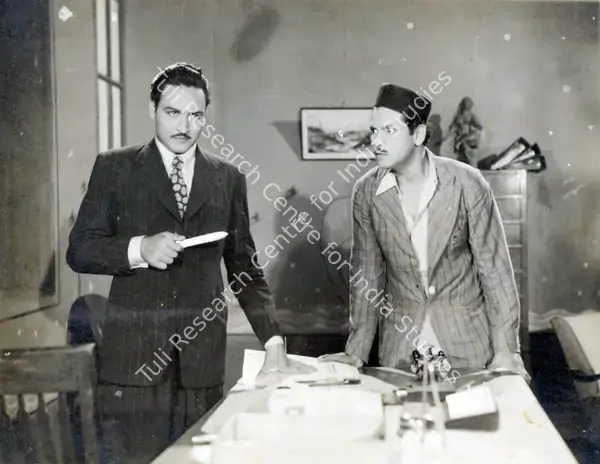
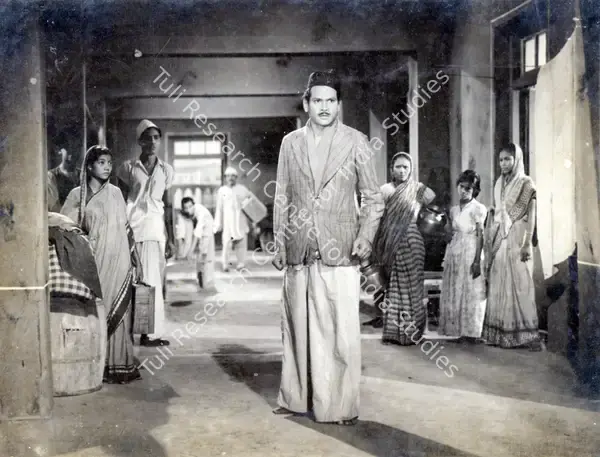
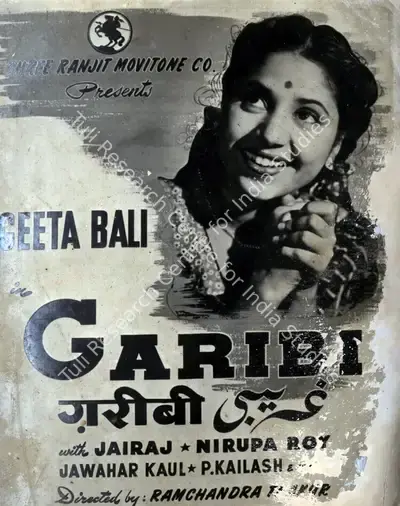
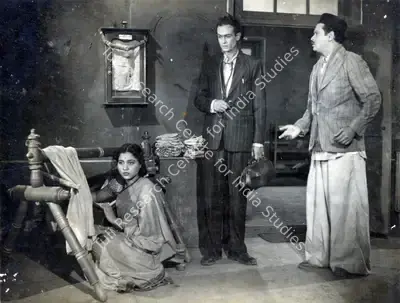
Ramchandra was an Indian cinematographer who worked primarily in Hindi cinema. He was known for his collaboration with Khwaja Ahmad Abbas, one of the pioneers of early parallel and neo-realist cinema with social realist themes. With Abbas, he worked on films like Rahi (1952), Anhonee (1952), Munna (1954), Pardesi (1957, Gyara Hazar Ladkiya (1962), Shehar Aur Sapna (1963), and Bambai Raat Ki Bahon Mein (1967). Bambai Raat Ki Bahon Mein was awarded the National Film Award for Best Cinematography (black & white) for Ramachandra's innovative work, particularly his striking compositions of night sequences that highlighted the unforgiving nature of the city of Bombay, where morality is at a crossroads. The film's black & white cinematography visuals won acclaim for their atmospheric depth in depicting the city's nocturnal underbelly.
Ramchandra's second National Film Award came with Sunil Dutt's Reshma Aur Shera (1971), a love story set in the deserts of Rajasthan. With a visually bold approach and highly unconventional camera positions, Ramchandra captured the stark vastness and harsh light of the desert dunes in muted tones, juxtaposing them with the vibrant colours of Rajasthan locales. Although a commercial failure, the film won critical acclaim in both domestic and international circles. It was also nominated for the Golden Bear at the Berlin International Film Festival.
रामचंद्र एक भारतीय सिनेमैटोग्राफर थे, जिन्होंने मुख्य रूप से हिंदी सिनेमा में काम किया। उन्हें ख्वाजा अहमद अब्बास के साथ काम करने के लिए जाना जाता था, जो सामाजिक यथार्थवादी विषयों पर आधारित शुरूआती समानांतर और नियो रेअलिस्ट (नव-यथार्थवादी) सिनेमा के अग्रदूतों में से एक थे। अब्बास के साथ उन्होंने राही (1952), अनहोनी (1952), मुन्ना (1954), परदेसी (1957), ग्यारह हज़ार लड़किया (1962), शहर और सपना (1963) और बंबई रात की बाहों में (1967) जैसी फिल्मों पर काम किया। बंबई रात की बाहों में को रामचंद्र के परिवर्तनकामी कार्य, विशेष रूप से रात्रि दृश्यों की उनकी प्रभावशाली संरचना के लिए सर्वश्रेष्ठ सिनेमैटोग्राफर (ब्लैक एंड व्हाइट) का राष्ट्रीय फिल्म पुरस्कार मिला, जिसमें बंबई शहर की कठोर स्वभाव को उजागर किया गया था, जहां नैतिकता एक चौराहे पर खड़ी है। फिल्म की ब्लैक एंड व्हाइट सिनेमैटोग्राफी ने शहर के रात की दुनिया को गहराई और प्रभावपूर्ण तरीके से दिखाने के लिए प्रशंसा प्राप्त की।
रामचंद्र को दूसरा राष्ट्रीय फिल्म पुरस्कार सुनील दत्त की फिल्म रेशमा और शेरा (1971) के लिए मिला, जो राजस्थान के रेगिस्तान में फिल्माई गई एक प्रेम कहानी थी। अपने साहसिक दृश्यात्मक दृष्टिकोण और अपरंपरागत कैमरा पोजीशन के साथ, रामचंद्र ने रेगिस्तान टीलों कीकठोर विशालता तेज़ प्रकाश को मद्धिम रंगों में किया फिल्माया, और उन्हें राजस्थान के जीवंत रंगों के साथ खूबसूरती से प्रस्तुत किया। हालांकि यह फिल्म व्यावसायिक रूप से असफल रही, लेकिन इसे देश और विदेश दोनों जगह समीक्षकों द्वारा खूब सराहा गया। इसे बर्लिन अंतर्राष्ट्रीय फिल्म महोत्सव में गोल्डन बियर पुरस्कार के लिए भी नामांकित किया गया था।