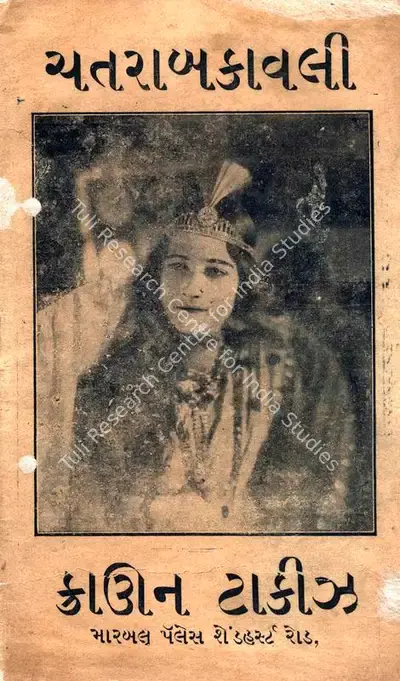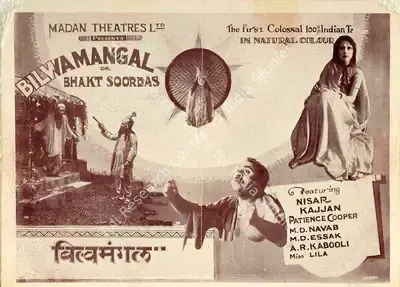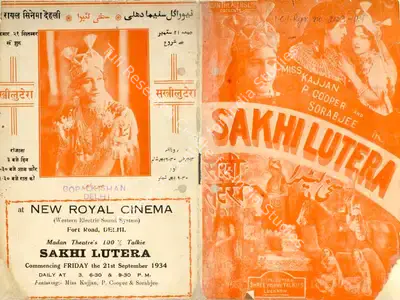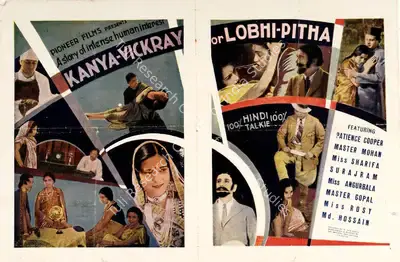
Patience Cooper
Patience Noreen Cooper was among the earliest superstars of Hindi cinema in British India, a luminous figure of the silent era whose career unfolded at a time when the Indian film industry was still discovering its language, its audiences and its stars.
Born in Howrah, Cooper was the daughter of James Alfred Cooper, a guard with the East Indian Railway Company, and Phoebe Stella Gamble, who was of Armenian descent. Unlike many Anglo-Indian actresses of her generation, Cooper did not adopt a Hindu screen name. Her contemporaries included Renee Smith, who became known as Seeta Devi, and Ruby Myers, celebrated under the name Sulochana. Cooper's sisters, Violet and Pearl, also entered the world of cinema, appearing in silent films as well as some of the earliest talkies.
Cooper's family background was itself touched by an intriguing piece of Armenian history. Her great-niece, Debra Sillence, has recalled that the Armenian branch of the family may have contributed funds towards the establishment of the Armenian Engineering College in Calcutta, although this connection remains a family recollection rather than a firmly documented historical fact.
Before she became a screen star, Cooper began her career as a dancer with Bandmann's Musical Comedy, a Eurasian theatrical troupe. She subsequently joined Jamshedji Framji Madan's Corinthian Stage Company as an actress. Her transition from the stage to the emerging medium of cinema proved decisive. She first made a significant impression with Nala Damayanti (1920), a lavish Madan Theatres production in which she played Damayanti opposite Keki Adajania as Nala. The film was directed by Eugenio de Liguoro, an Italian filmmaker known for elaborate Orientalist spectacles, including Fascino d'Oro (1919).
Cooper's career was not confined to India. A seasoned performer, she travelled extensively for theatrical and musical engagements, visiting Germany, Poland, Austria, France, Japan, China, London and the United States. During one of her visits to England, she participated in a beauty contest and emerged as its winner, further enhancing the glamour surrounding her public persona.
The period in which Cooper rose to prominence was the formative era of Indian silent cinema, conventionally dated from 1913 to 1931. She became one of its most recognisable female stars, appearing in more than forty films over the course of her career. Among her notable silent-era appearances were Nala Damayanti (1920), Behula (1921), Pati Bhakti (1922), in which she appeared alongside K. Adajania and Master Mohan, and Patni Pratap (1923). In the latter, Cooper performed a double role, often cited as one of the earliest instances of a female actor portraying two characters in an Indian film.
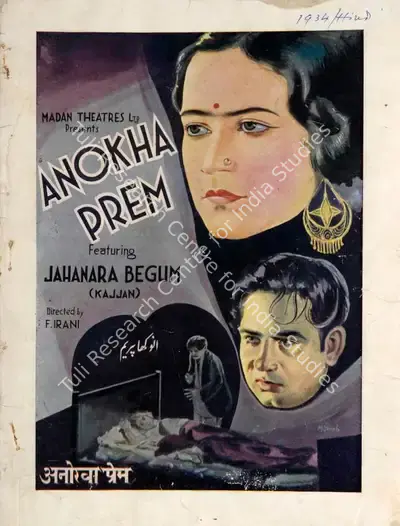
With the arrival of sound, Cooper's career continued, though on a more limited scale. She appeared in films such as Zehri Saanp (1933) and Anokha Prem (1934), making the transition from the silent screen to the talkies alongside a generation of performers whose careers had been established in the earlier era. She ultimately acted in more than forty films before retiring from cinema in 1947, following her final appearance in Khan Saheb.
The roles offered to Cooper frequently reflected the melodramatic conventions of the period. She was often cast as an outwardly innocent yet emotionally conflicted woman, placed at the centre of moral and sexual dilemmas whose origins lay in the actions and expectations of the men around her. Such roles made her an important figure in the development of the female screen persona in early Hindi cinema, when actresses were increasingly becoming central to the emotional and dramatic architecture of popular films.
Cooper's personal life was no less eventful. In 1926, she married Mirza Abul Hassan Ispahani, a prominent businessman who would later become Pakistan's first ambassador to the United States. The marriage lasted only about two years and ended abruptly; accounts have suggested that opposition from Ispahani's family may have played a part, although the precise circumstances remain uncertain.
In 1930, Cooper married the actor Gul Hamid, with whom she shared the world of cinema. Away from the screen, she was known for her affection for children. During her years in Karachi, she fostered seventeen children, a remarkable personal commitment that stood in striking contrast to the glamorous image associated with her film career.
Patience Cooper spent her later years in Karachi, where she died at her home in 1993. By then, the world of Indian cinema in which she had risen to fame had been transformed almost beyond recognition. Yet Cooper belonged to a generation that laid the foundations for the Hindi film star system. Performers who emerged from theatre and travelling companies, crossed linguistic and cultural boundaries, and helped establish cinema as a powerful new form of popular entertainment.
Her legacy survives not merely in the fragments of her films, but in the history of a formative moment when the Indian screen was beginning to acquire its stars—and when Patience Cooper was among its brightest.
Source:
https://www.telegraphindia.com/life/silent-era-star-patience-coopers-hidden-life-remembered-by-her-foster-daughter-prnt/cid/2118333#goog_rewarded
https://northeastfilmjournal.com/who-is-patience-cooper-film-heritage-foundation-resurrects-behula
पेशेंस नोरिन कूपर ब्रिटिश भारत में हिंदी सिनेमा की शुरुआती सुपरस्टार्स में से एक थीं। वे मूक फ़िल्मों (साइलेंट एरा) के दौर की एक जानी-मानी हस्ती थीं। उनका करियर उस समय आगे बढ़ा, जब भारतीय फ़िल्म उद्योग अपनी भाषा, अपने दर्शकों और अपने सितारों की तलाश कर रहा था।
हावड़ा में जन्मीं कूपर, ईस्ट इंडियन रेलवे कंपनी में गार्ड जेम्स अल्फ्रेड कूपर और अर्मेनियाई मूल की फोबे स्टेला गैम्बल की बेटी थीं। अपनी पीढ़ी की कई एंग्लो-इंडियन अभिनेत्रियों के विपरीत, कूपर ने कोई हिंदू 'स्क्रीन नाम' नहीं अपनाया। उनके दौर की अन्य अभिनेत्रियों में रेनी स्मिथ (जो 'सीता देवी' के नाम से जानी गईं) और रूबी मायर्स (जो 'सुलोचना' के नाम से मशहूर हुईं) शामिल थीं। कूपर की बहनें, वायलेट और पर्ल भी सिनेमा की दुनिया में आईं। उन्होंने मूक फ़िल्मों के साथ-साथ शुरुआती बोलती फ़िल्मों (टॉकीज़) में भी काम किया।
कूपर का पारिवारिक इतिहास अर्मेनियाई इतिहास के एक दिलचस्प पहलू से जुड़ा है। उनकी पर-भतीजी, डेबरा सिलेंस ने बताया है कि उनके परिवार की अर्मेनियाई शाखा ने शायद कलकत्ता में 'अर्मेनियाई इंजीनियरिंग कॉलेज' की स्थापना के लिए आर्थिक मदद दी थी। हालाँकि, यह बात केवल परिवार की यादों में है, न कि किसी पुख्ता ऐतिहासिक दस्तावेज़ में।
स्क्रीन स्टार बनने से पहले, कूपर ने अपने करियर की शुरुआत 'बैंडमैन्स म्यूजिकल कॉमेडी' (एक यूरेशियन थिएटर ग्रुप) में डांसर के तौर पर की थी। बाद में, वे जमशेदजी फ्रेमजी मदान की 'कोरिंथियन स्टेज़ कंपनी' में अभिनेत्री के रूप में शामिल हो गईं। थिएटर से सिनेमा के उभरते हुए माध्यम में उनका आना उनके करियर के लिए एक निर्णायक मोड़ साबित हुआ। उन्होंने 1920 की फ़िल्म 'नल दमयंती' से अपनी एक ख़ास पहचान बनाई। मदान थिएटर्स की इस भव्य फ़िल्म में उन्होंने दमयंती की भूमिका निभाई, जबकि नल के किरदार में केकी अदाजानिया थे। इस फ़िल्म का निर्देशन इतालवी फ़िल्म निर्माता यूजेनियो डी लिगुओरो ने किया था, जो अपनी भव्य और आकर्षक फ़िल्मों (जैसे 'फैसिनो डी'ओरो', 1919) के लिए जाने जाते थे।
कूपर का करियर केवल भारत तक ही सीमित नहीं था। एक अनुभवी कलाकार के रूप में, उन्होंने थिएटर और संगीत से जुड़े कार्यक्रमों के लिए जर्मनी, पोलैंड, ऑस्ट्रिया, फ्रांस, जापान, चीन, लंदन और अमेरिका जैसे कई देशों की यात्रा की। इंग्लैंड की अपनी एक यात्रा के दौरान, उन्होंने एक ब्यूटी कॉन्टेस्ट में हिस्सा लिया और जीत हासिल की, जिससे उनकी सार्वजनिक छवि और भी अधिक ग्लैमरस हो गई।
जिस दौर में कूपर मशहूर हुईं, वह भारतीय मूक सिनेमा (silent cinema) का शुरुआती दौर था, जिसे आमतौर पर 1913 से 1931 के बीच का समय माना जाता है। वह इस दौर की सबसे जानी-मानी महिला सितारों में से एक बन गईं और अपने करियर के दौरान चालीस से ज़्यादा फ़िल्मों में नज़र आईं। मूक सिनेमा के दौर में उनकी कुछ प्रमुख फ़िल्मों में 'नल दमयंती' (1920), 'बेहुला' (1921), 'पति भक्ति' (1922) - जिसमें वह के. अदाजानिया और मास्टर मोहन के साथ दिखीं और 'पत्नी प्रताप' (1923) शामिल हैं। 'पत्नी प्रताप' में कूपर ने दोहरी भूमिका निभाई थी। इसे भारतीय फ़िल्मों में किसी महिला कलाकार द्वारा दो किरदार निभाने के सबसे शुरुआती उदाहरणों में से एक माना जाता है।
बोलती फ़िल्मों (talkies) के आने के बाद भी कूपर का करियर जारी रहा, हालाँकि अब उनका काम कुछ सीमित हो गया था। वह 'ज़हरी साँप' (1933) और 'अनोखा प्रेम' (1934) जैसी फ़िल्मों में नज़र आईं। इस तरह, उन्होंने मूक सिनेमा से बोलती फ़िल्मों के दौर में कदम रखा ठीक उसी तरह जैसे उस दौर के कई अन्य कलाकार, जिन्होंने अपना करियर पहले ही बना लिया था। 1947 में 'ख़ान साहब' फ़िल्म में अपनी आख़िरी भूमिका निभाने के बाद, उन्होंने सिनेमा से संन्यास ले लिया। अपने पूरे करियर में उन्होंने चालीस से ज़्यादा फ़िल्मों में काम किया।
कूपर को अक्सर ऐसी भूमिकाएँ मिलती थीं जो उस दौर की 'मेलोड्रामैटिक' (अति-नाटकीय) शैली को दर्शाती थीं। उन्हें अक्सर ऐसी महिला के रूप में दिखाया जाता था जो बाहर से तो मासूम लगती थी, लेकिन अंदर से भावनात्मक उलझनों से घिरी होती थी। ऐसी महिलाएँ अक्सर नैतिक और यौन दुविधाओं के केंद्र में होती थीं, जो उनके आस-पास के पुरुषों के कामों और उनसे जुड़ी उम्मीदों की वजह से पैदा होती थीं। इन भूमिकाओं ने उन्हें शुरुआती हिंदी सिनेमा में महिला किरदारों के विकास में एक अहम हस्ती बना दिया। एक ऐसा समय जब लोकप्रिय फ़िल्मों की भावनात्मक और नाटकीय संरचना में अभिनेत्रियाँ तेज़ी से मुख्य केंद्र बनती जा रही थीं।
कूपर का निजी जीवन भी काफी उतार-चढ़ाव भरा रहा। 1926 में उन्होंने मिर्ज़ा अबुल हसन इस्फ़हानी से शादी की। इस्फ़हानी एक जाने-माने व्यवसायी थे, जो बाद में संयुक्त राज्य अमेरिका में पाकिस्तान के पहले राजदूत बने। यह शादी लगभग दो साल ही चली और अचानक ख़त्म हो गई। माना जाता है कि इसमें इस्फ़हानी के परिवार का विरोध एक कारण हो सकता है, हालाँकि इसके पीछे की सटीक वजहें आज भी स्पष्ट नहीं हैं।
1930 में, कूपर ने अभिनेता गुल हामिद से शादी की, जो ख़ुद भी सिनेमा की दुनिया से जुड़े थे। पर्दे के बाहर, वह बच्चों के प्रति अपने स्नेह के लिए जानी जाती थीं। कराची में रहने के दौरान, उन्होंने 17 बच्चों को पाला-पोसा। यह उनका एक ऐसा सराहनीय व्यक्तिगत योगदान था, जो उनके फ़िल्मी करियर की ग्लैमरस छवि से बिल्कुल अलग था।
पेशेंस कूपर ने अपने जीवन के आख़िरी साल कराची में बिताए, जहाँ 1993 में उनके घर पर ही उनका निधन हो गया। तब तक, भारतीय सिनेमा की वह दुनिया, जिसमें उन्हें शोहरत मिली थी, पूरी तरह से बदल चुकी थी। फिर भी, कूपर उस पीढ़ी का हिस्सा थीं जिसने हिंदी फिल्म 'स्टार सिस्टम' की नींव रखी थी। थिएटर और घूमती-फिरती नाट्य मंडलियों से आए इन कलाकारों ने भाषाई और सांस्कृतिक सीमाओं को पार किया, और सिनेमा को मनोरंजन के एक सशक्त और लोकप्रिय माध्यम के रूप में स्थापित करने में मदद की।
उनकी विरासत केवल उनकी फ़िल्मों के कुछ बचे-खुचे हिस्सों में ही नहीं, बल्कि भारतीय सिनेमा के उस शुरुआती दौर के इतिहास में भी जीवित है, जब भारतीय पर्दे को अपने पहले सितारे मिल रहे थे और उस दौर में पेशेंस कूपर सबसे चमकते सितारों में से एक थीं।
स्रोत
https://www.telegraphindia.com/life/silent-era-star-patience-coopers-hidden-life-remembered-by-her-foster-daughter-prnt/cid/2118333#goog_rewarded
https://northeastfilmjournal.com/who-is-patience-cooper-film-heritage-foundation-resurrects-behula
The whole holding