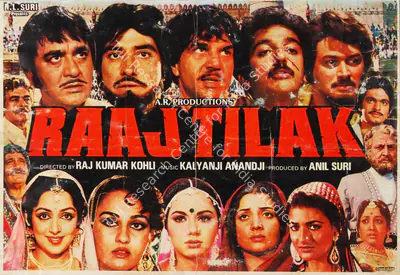
Kamal Haasan
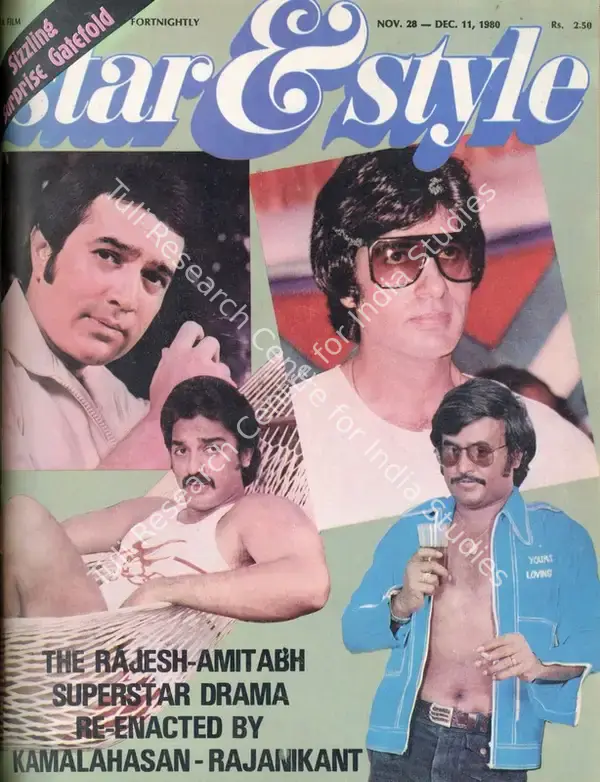
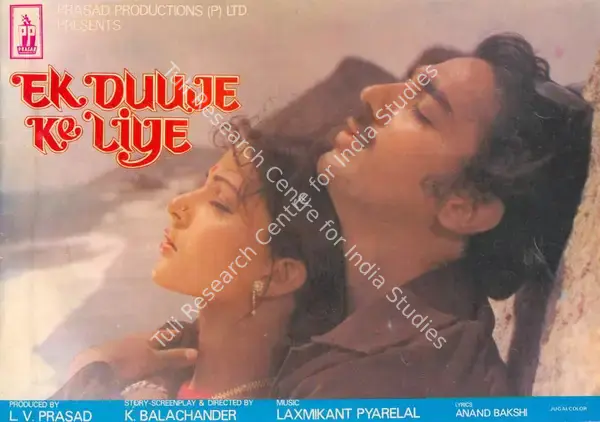
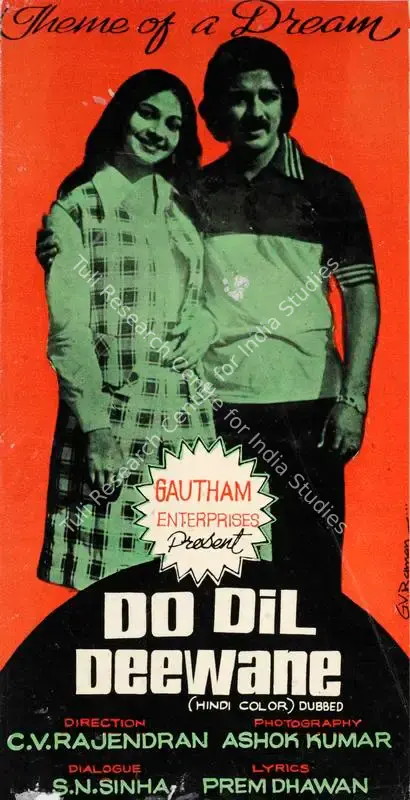
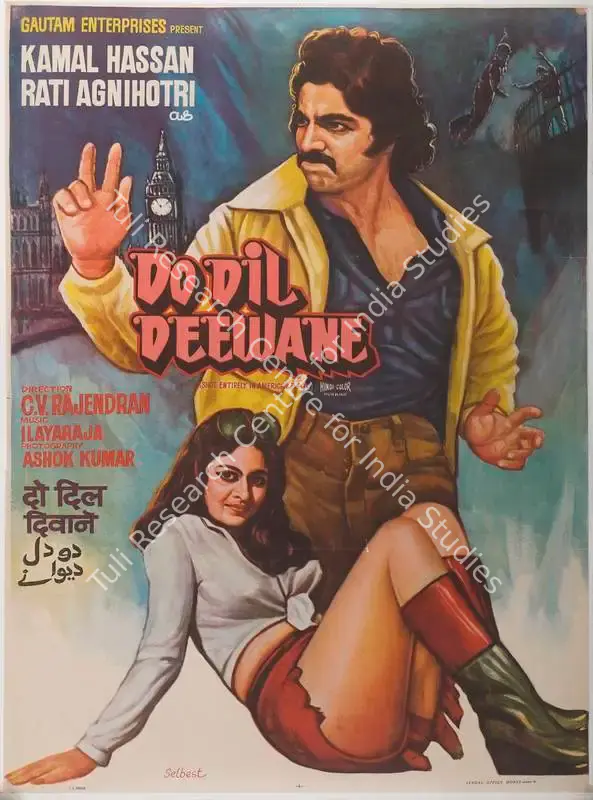
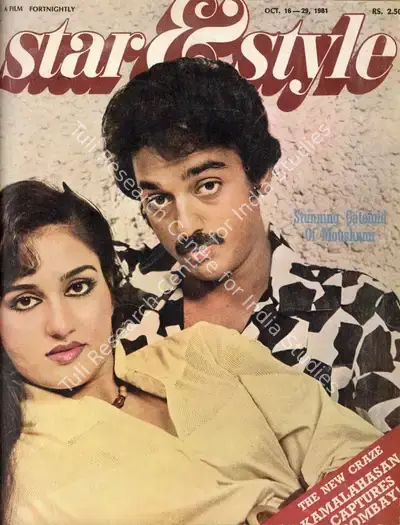
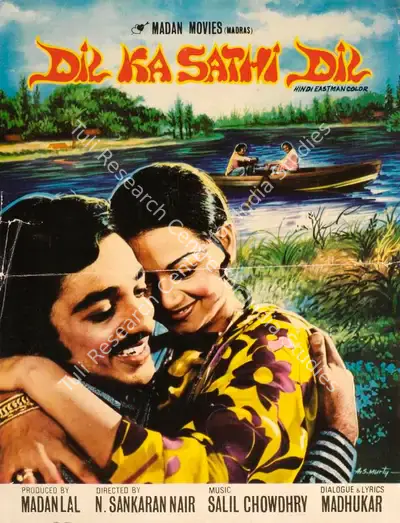
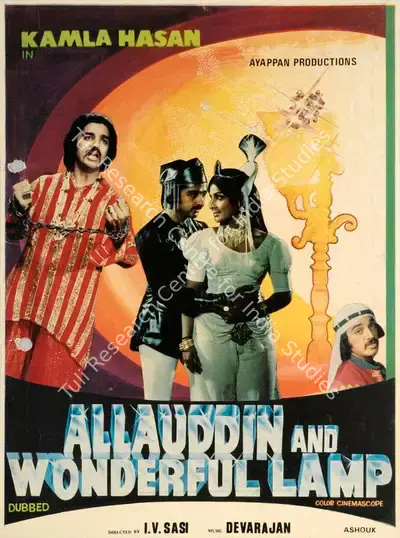
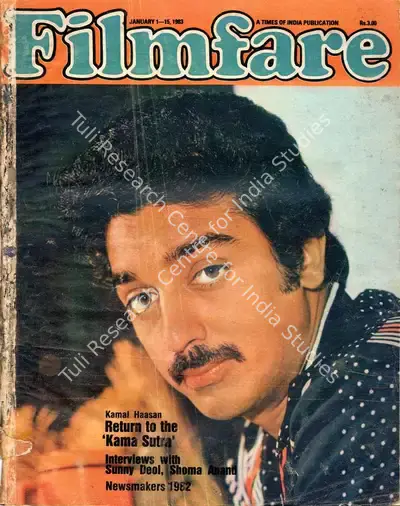
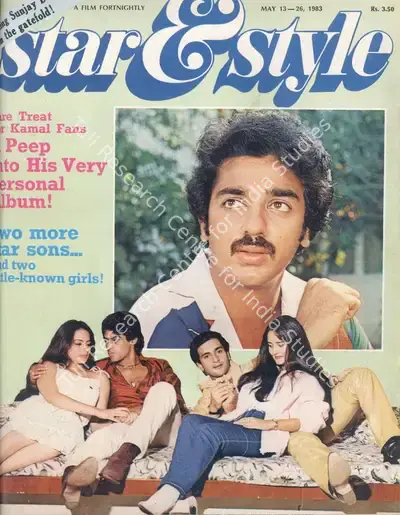
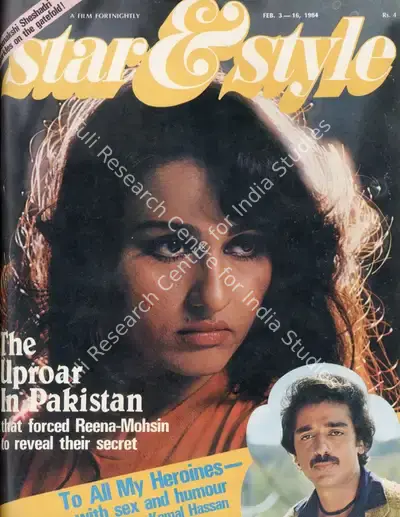
Kamal Haasan (born 7 November 1954) He is one of the most influential and versatile figures in Indian cinema. An acclaimed actor, filmmaker, producer, screenwriter, playback singer, lyricist, choreographer, and politician, he has made significant contributions primarily to Tamil cinema while also working extensively in Telugu, Malayalam, Hindi, Kannada, and Bengali films. Over a career spanning more than six decades, Haasan has appeared in over 230 films and has played diverse roles as an assistant director, editor, make-up artist, narrator, television host, and film distributor. He currently serves as a Member of Parliament, Rajya Sabha, representing Tamil Nadu.
Born in Paramakudi, Tamil Nadu, into a Tamil Brahmin Thengalai Iyengar family, Kamal Haasan was the son of D. Srinivasan Iyengar, a lawyer and freedom fighter, and Rajalakshmi, a homemaker. Initially named Parthasarathy after the deity of the Parthasarathy Temple in Chennai, his father later changed his name to Kamal Haasan, with “Kamal” meaning lotus and “Hassan” associated with the Sanskrit concept of laughter. Encouraged by his father's interest in arts and culture, Haasan developed an early passion for cinema and fine arts. His siblings, Charuhasan and Chandrahasan, were also actors, while his sister Nalini Haasan is a classical dancer.
Beginning his career as a child artist, Haasan evolved into one of India's most accomplished performers through his commitment to realism, method acting, and technical innovation. His films are distinguished by experimental narratives, complex characterizations, and engagement with social, political, philosophical, and humanistic themes. As a filmmaker, he expanded the boundaries of Indian cinema through works such as Hey Ram, Virumaandi, and Vishwaroopam. He also wrote several acclaimed films, including Thevar Magan, Mahanadhi, Anbe Sivam, Dasavathaaram, and Aalavandhan. Through his production company, Raaj Kamal Films International, he has produced numerous innovative projects.
Beyond cinema, Haasan has contributed to social welfare and public life. He became the first Tamil actor to transform fan clubs into organized welfare associations through Kamal Narpani Iyakkam, focusing on social service activities. In 2018, he founded the centrist political party Makkal Needhi Maiam (MNM) in Tamil Nadu, marking his transition into active politics.
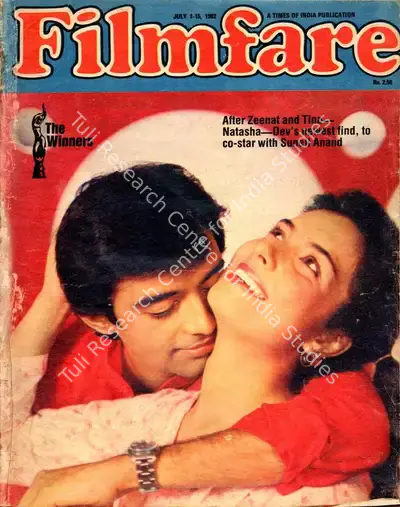
A rationalist and atheist, Haasan has frequently explored philosophical and social questions in his films, particularly through works such as Anbe Sivam and Dasavathaaram. His artistic achievements have earned him numerous national and international honours, including four National Film Awards, multiple Filmfare Awards, the Kalaimamani award (1978), the Padma Shri (1990), the Padma Bhushan (2014), and France's Ordre des Arts et des Lettres (2016). In 2025, he was invited to join the actors' branch of the Academy of Motion Picture Arts and Sciences.
Kamal Haasan's enduring legacy lies in his extraordinary ability to combine artistic creativity, technical mastery, and social consciousness. His contributions as an actor, filmmaker, writer, and innovator have profoundly influenced Indian cinema, inspiring generations of artists and shaping the evolution of cinematic expression.
Born in Paramakudi, Tamil Nadu, into a Tamil Brahmin Thengalai Iyengar family, Kamal Haasan was the son of D. Srinivasan Iyengar, a lawyer and freedom fighter, and Rajalakshmi, a homemaker. Initially named Parthasarathy after the deity of the Parthasarathy Temple in Chennai, his father later changed his name to Kamal Haasan, with “Kamal” meaning lotus and “Hassan” associated with the Sanskrit concept of laughter. Encouraged by his father's interest in arts and culture, Haasan developed an early passion for cinema and fine arts. His siblings, Charuhasan and Chandrahasan, were also actors, while his sister Nalini Haasan is a classical dancer.
Beginning his career as a child artist, Haasan evolved into one of India's most accomplished performers through his commitment to realism, method acting, and technical innovation. His films are distinguished by experimental narratives, complex characterizations, and engagement with social, political, philosophical, and humanistic themes. As a filmmaker, he expanded the boundaries of Indian cinema through works such as Hey Ram, Virumaandi, and Vishwaroopam. He also wrote several acclaimed films, including Thevar Magan, Mahanadhi, Anbe Sivam, Dasavathaaram, and Aalavandhan. Through his production company, Raaj Kamal Films International, he has produced numerous innovative projects.
Beyond cinema, Haasan has contributed to social welfare and public life. He became the first Tamil actor to transform fan clubs into organized welfare associations through Kamal Narpani Iyakkam, focusing on social service activities. In 2018, he founded the centrist political party Makkal Needhi Maiam (MNM) in Tamil Nadu, marking his transition into active politics.
A rationalist and atheist, Haasan has frequently explored philosophical and social questions in his films, particularly through works such as Anbe Sivam and Dasavathaaram. His artistic achievements have earned him numerous national and international honours, including four National Film Awards, multiple Filmfare Awards, the Kalaimamani award (1978), the Padma Shri (1990), the Padma Bhushan (2014), and France's Ordre des Arts et des Lettres (2016). In 2025, he was invited to join the actors' branch of the Academy of Motion Picture Arts and Sciences.
Kamal Haasan's enduring legacy lies in his extraordinary ability to combine artistic creativity, technical mastery, and social consciousness. His contributions as an actor, filmmaker, writer, and innovator have profoundly influenced Indian cinema, inspiring generations of artists and shaping the evolution of cinematic expression.
The whole holding

Research Centre

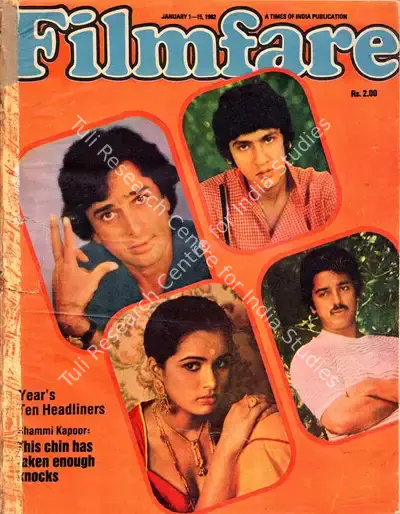
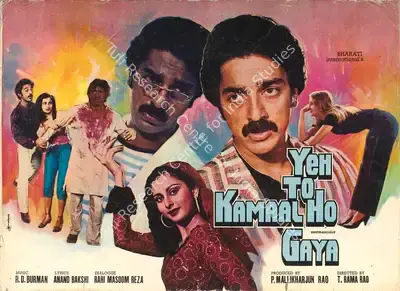
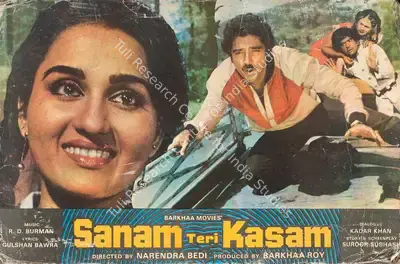
20 of 188
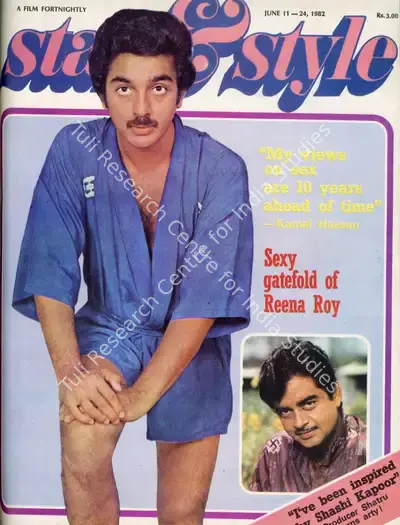




20 of 29
20 of 159