Hemen Gupta
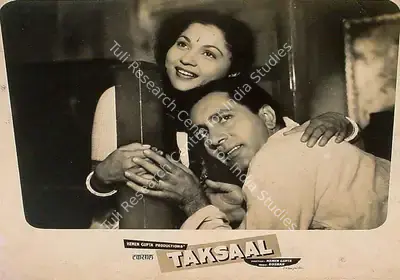
Hemen Gupta (21 March 1914–1 July 1967) He was an eminent Indian film director, producer, and screenwriter who made significant contributions to both Hindi and Bengali cinema. Born in Rajmahal, present-day Jharkhand, he was the son of Purnanand Gupta, a State Treasury official whose postings in Dhaka shaped Hemen's early childhood. Raised in a large joint family with several siblings, uncles, aunts, and cousins, Gupta excelled academically, completing his schooling and undergraduate studies in Dhaka with distinction before relocating to Calcutta (now Kolkata) for higher pursuits.
While in Calcutta, Gupta became actively involved in India's nationalist movement against British colonial rule. He joined the youth wing of the Indian National Congress in 1928 and participated in revolutionary activities regarded by the colonial administration as subversive. In 1931, he was arrested and convicted on charges related to the murders of Midnapore District Magistrates James Peddy and Robert Douglas, as well as alleged involvement in the Dacca–Assam Mail Train Robbery. Between 1932 and 1938, he was imprisoned in Hijli, Buxar, and Deoli jails. During this period, his extended family suffered severe repercussions, including imprisonment, loss of government employment and pensions, and the closure of their family printing business.
Imprisonment proved transformative, fostering Gupta's enduring interest in cinema as a powerful medium of communication. He continued his education while incarcerated, earning a master's degree in History. Following his release, he served as personal secretary to Netaji Subhas Chandra Bose before entering the film industry in 1939 at New Theatres, Calcutta. Beginning in the costume department, he was later promoted to assistant director.
Gupta made his directorial debut with Dwanda (1943). Between 1943 and 1949, he directed seven predominantly Bengali films, many inspired by the Indian freedom struggle and his own revolutionary experiences. Among these, 42 (Biyallish) achieved particular distinction. Initially censored for its political content, it was eventually released and gained lasting recognition for its portrayal of the Quit India Movement. During this period, Gupta also introduced notable talents, including actor Pradeep Kumar, composer Hemanta Mukherjee, and cinematographer Ajoy Kar.
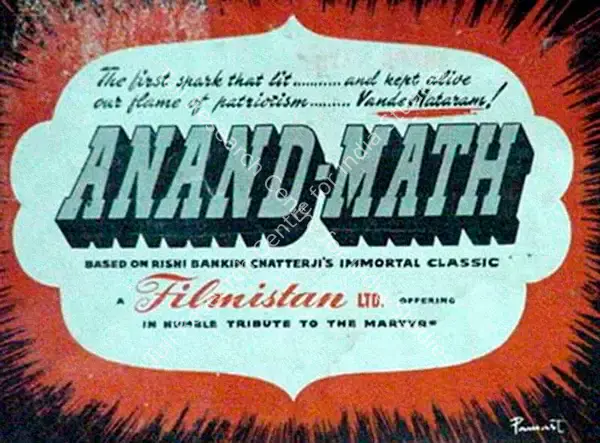
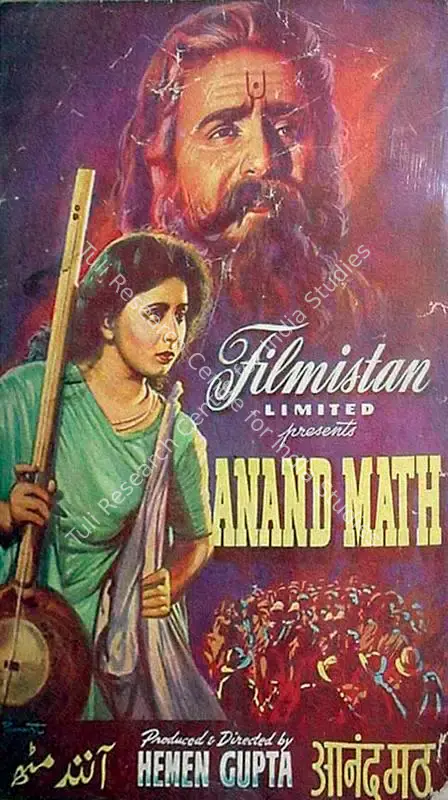
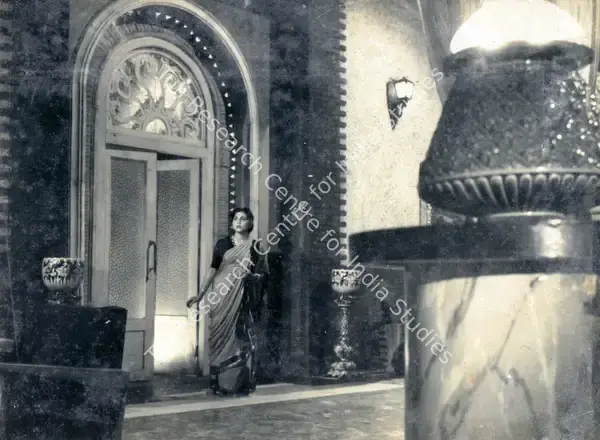
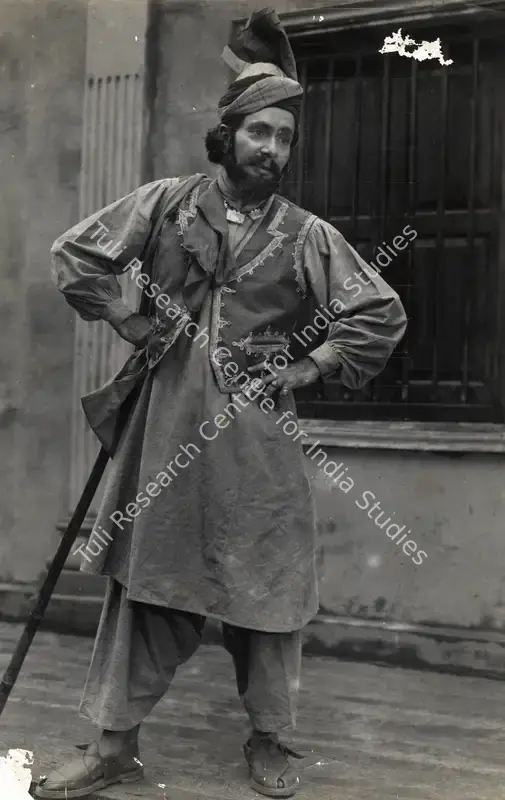
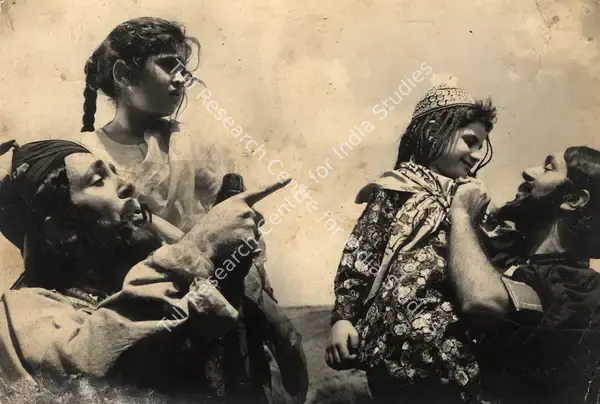
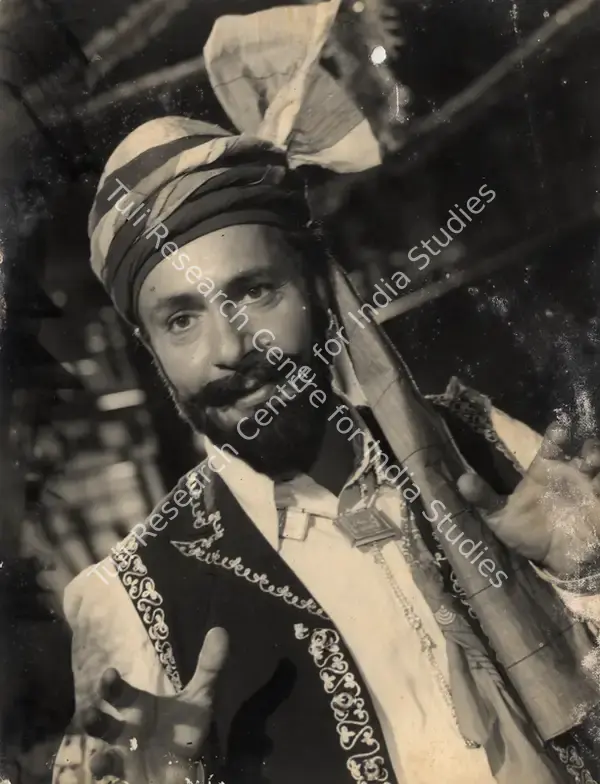
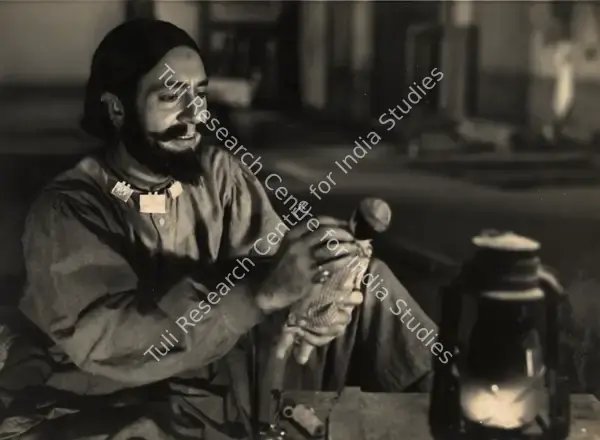
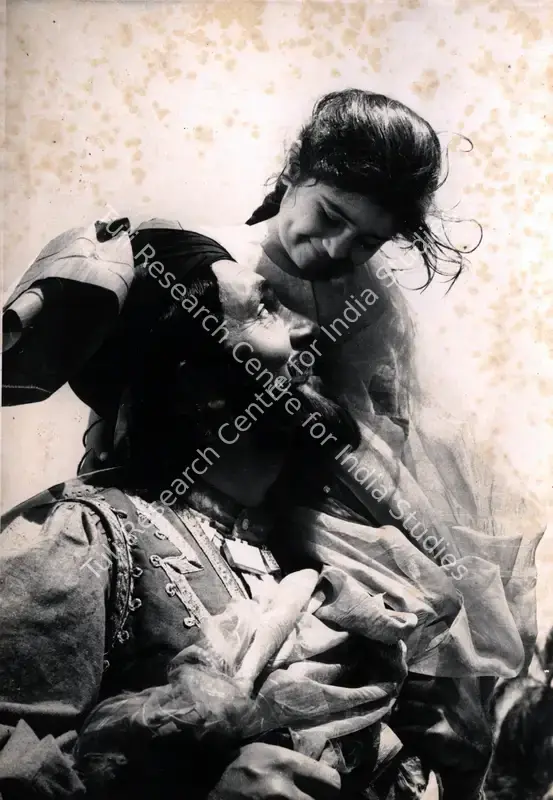
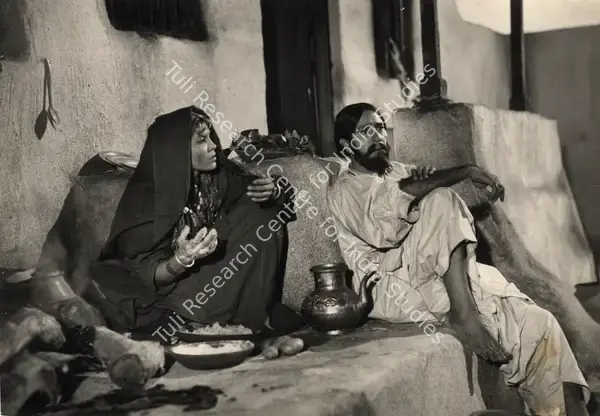
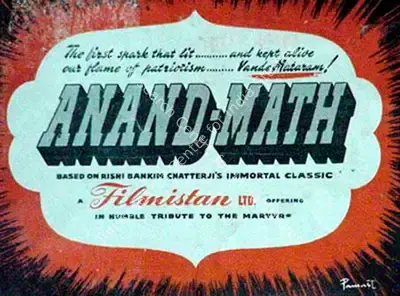
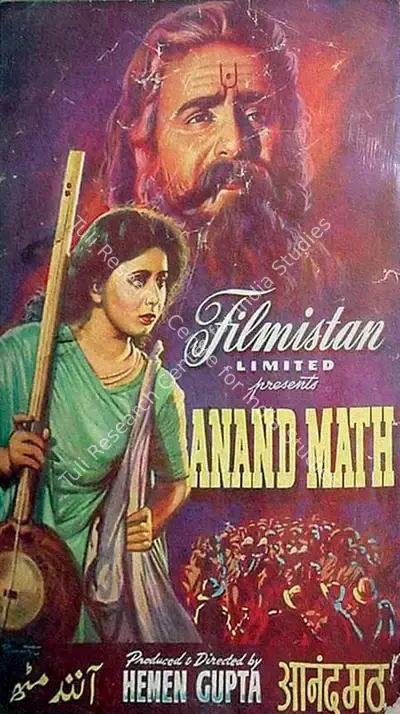
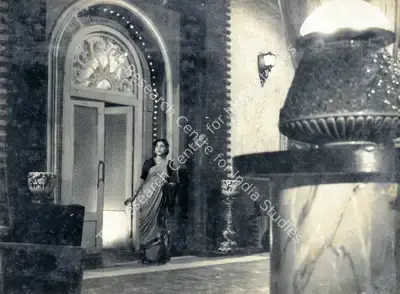
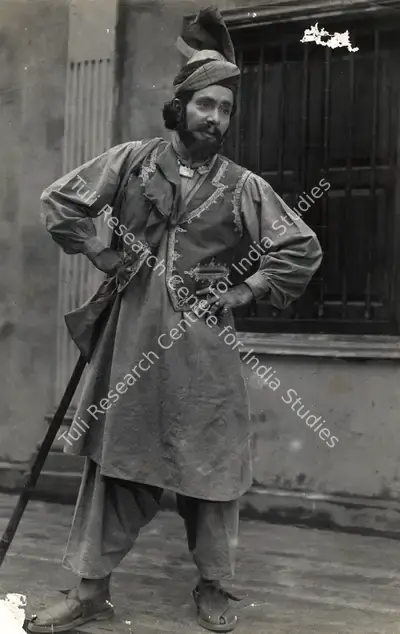
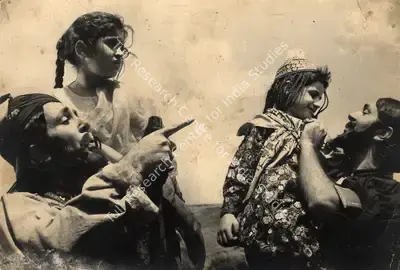
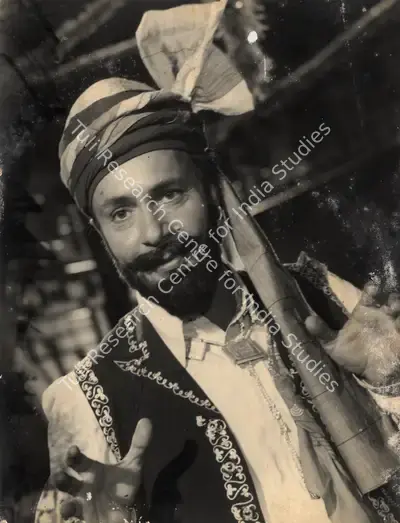
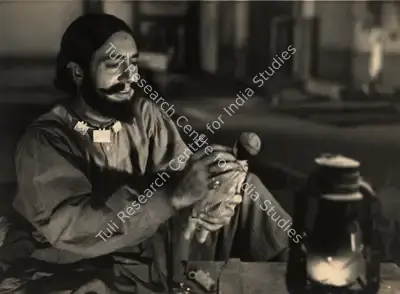
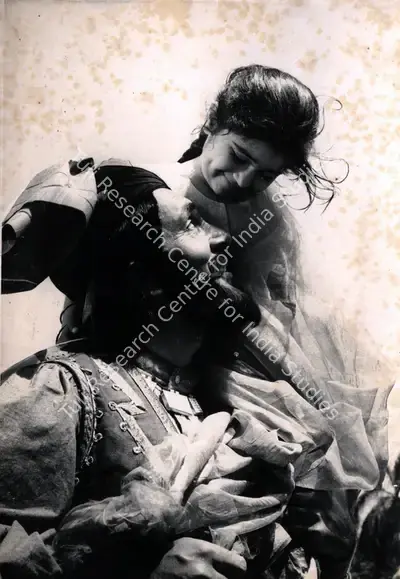
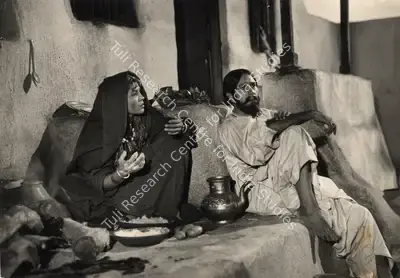
In 1950, Gupta relocated to Bombay (now Mumbai), where he directed Anand Math (1952), produced by Sasadhar Mukherjee and adapted from Bankim Chandra Chattopadhyay's celebrated novel. He subsequently directed Kashti (Ferry), starring Dev Anand and Geeta Bali, which represented India at the Moscow Film Festival. His most acclaimed work, Kabuliwala (1961), adapted from Rabindranath Tagore's short story, received the Silver Medal at the National Film Awards.
Gupta married Ratna Gupta in the early 1940s, and they later settled in Mumbai with their two children. In 1967, while filming the Bengali feature Anamika, he suffered a fatal brain haemorrhage, leaving the production unfinished and concluding a distinguished cinematic career.
कलकत्ता में रहते हुए, गुप्ता ब्रिटिश औपनिवेशिक शासन के ख़िलाफ़ भारत के राष्ट्रवादी आंदोलन में सक्रिय रूप से शामिल हो गए। 1928 में वे इंडियन नेशनल कांग्रेस की युवा शाखा से जुड़े और ऐसी क्रांतिकारी गतिविधियों में हिस्सा लिया जिन्हें औपनिवेशिक प्रशासन देश-विरोधी मानता था। 1931 में, उन्हें मिदनापुर के ज़िला मजिस्ट्रेट जेम्स पेडी और रॉबर्ट डगलस की हत्या और ढाका-असम मेल ट्रेन डकैती में कथित तौर पर शामिल होने के आरोप में गिरफ़्तार किया गया और दोषी ठहराया गया। 1932 से 1938 के बीच उन्हें हिजली, बक्सर और देवली जेलों में रखा गया। इस दौरान उनके पूरे परिवार को बहुत मुश्किलों का सामना करना पड़ा, जिसमें जेल की सज़ा, सरकारी नौकरी और पेंशन का नुक़सान और उनके परिवार का प्रिंटिंग का कारोबार बंद होना शामिल था।
जेल का समय उनके लिए बदलाव लाने वाला साबित हुआ। इसी दौरान संचार के एक सशक्त माध्यम के तौर पर सिनेमा में उनकी गहरी रुचि पैदा हुई। जेल में रहते हुए भी उन्होंने अपनी पढ़ाई जारी रखी और इतिहास में मास्टर डिग्री हासिल की। रिहा होने के बाद, उन्होंने नेताजी सुभाष चंद्र बोस के निजी सचिव के तौर पर काम किया और फ़िर 1939 में कलकत्ता के 'न्यू थिएटर्स' के साथ फ़िल्म इंडस्ट्री में क़दम रखा। उन्होंने कॉस्ट्यूम डिपार्टमेंट से शुरुआत की और बाद में उन्हें असिस्टेंट डायरेक्टर के पद पर प्रमोट किया गया।
गुप्ता ने 'द्वंद्व' (1943) से बतौर डायरेक्टर अपने करियर की शुरुआत की। 1943 और 1949 के बीच, उन्होंने मुख्य रूप से सात बंगाली फ़िल्में डायरेक्ट कीं, जिनमें से कई भारतीय स्वतंत्रता संग्राम और उनके अपने क्रांतिकारी अनुभवों से प्रेरित थीं। इनमें से '42' (बियालिश) को ख़ास पहचान मिली। शुरू में राजनीतिक कंटेंट की वजह से इस पर सेंसर की रोक लगी थी, लेकिन बाद में इसे रिलीज़ किया गया और 'भारत छोड़ो आंदोलन' को दिखाने के लिए इसे लंबे समय तक याद किया गया। इस दौरान, गुप्ता ने कई बेहतरीन कलाकारों को भी मौका दिया, जिनमें एक्टर प्रदीप कुमार, म्यूज़िक डायरेक्टर हेमंत मुखर्जी और सिनेमैटोग्राफ़र अजय कर शामिल थे।
1950 में, गुप्ता बॉम्बे (अब मुंबई) चले गए, जहाँ उन्होंने 'आनंद मठ' (1952) को डायरेक्ट किया। इसे ससाधर मुखर्जी ने प्रोड्यूस किया था और यह बंकिम चंद्र चट्टोपाध्याय के मशहूर नॉवेल पर आधारित थी। इसके बाद उन्होंने देव आनंद और गीता बाली स्टारर 'कश्ती' (फेरी) को डायरेक्ट किया, जिसने मॉस्को फ़िल्म फेस्टिवल में भारत का प्रतिनिधित्व किया। उनकी सबसे ज़्यादा सराही गई फ़िल्म 'काबुलीवाला' (1961) थी, जो रवींद्रनाथ टैगोर की एक शॉर्ट स्टोरी पर आधारित थी और जिसे नेशनल फ़िल्म अवार्ड्स में सिल्वर मेडल मिला।
गुप्ता ने 1940 के दशक की शुरुआत में रत्ना गुप्ता से शादी की और बाद में वे अपने दो बच्चों के साथ मुंबई में बस गए। 1967 में, बंगाली फ़िल्म 'अनामिका' की शूटिंग के दौरान उन्हें जानलेवा ब्रेन हैमरेज हुआ, जिससे फ़िल्म का प्रोडक्शन अधूरा रह गया और उनके शानदार फ़िल्मी करियर का अंत हो गया।