Amiya Chakravarty
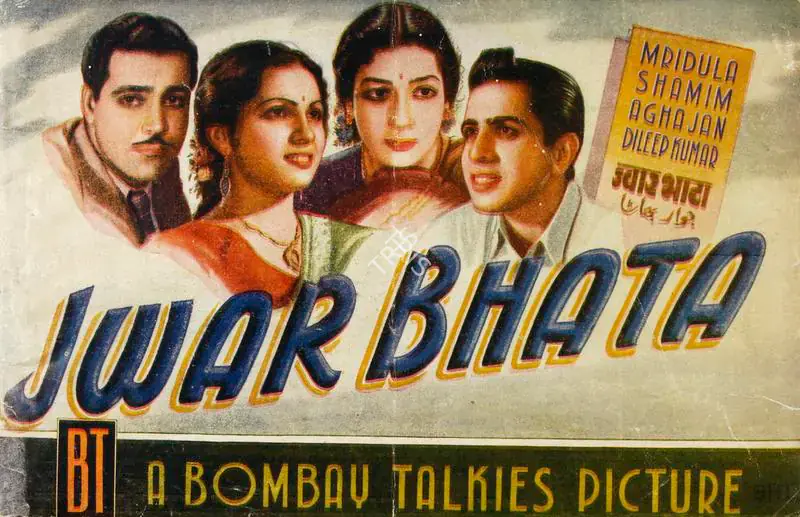
Amiya Chakravarty (30 November 1912 – 6 March 1957) He was an Indian film director, screenwriter, and producer who emerged as one of the leading figures in Hindi cinema during the 1940s and 1950s. He is best remembered for critically acclaimed films such as Daag (1952), Patita (1953), and Seema (1955), the latter earning him the Filmfare Award for Best Story at the 4th Filmfare Awards. Alongside Devika Rani, Chakravarty is also credited with discovering Dilip Kumar, to whom he gave a first major screen opportunity in Jwar Bhata (1944). Following his departure from Bombay Talkies, he established Mars & Movies Productions, under which he produced and directed Daag, a landmark film that brought Dilip Kumar his first Filmfare Award for Best Actor.
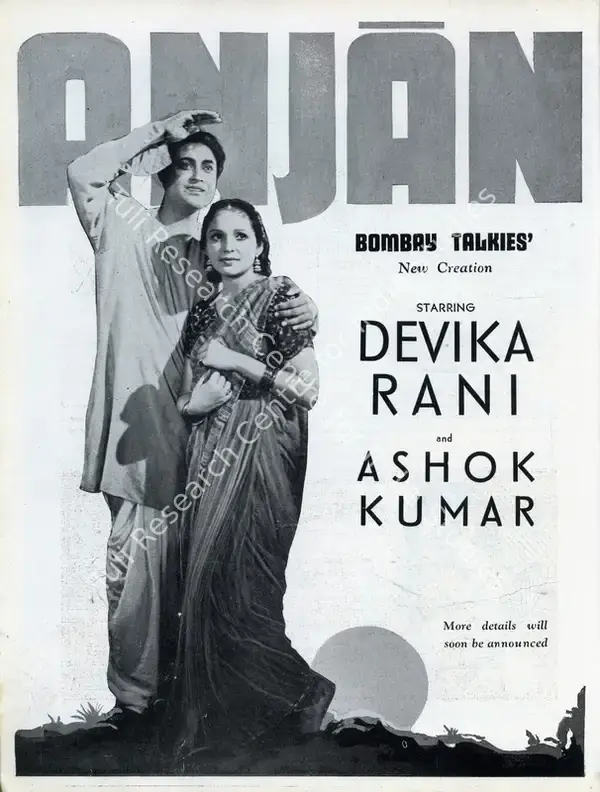
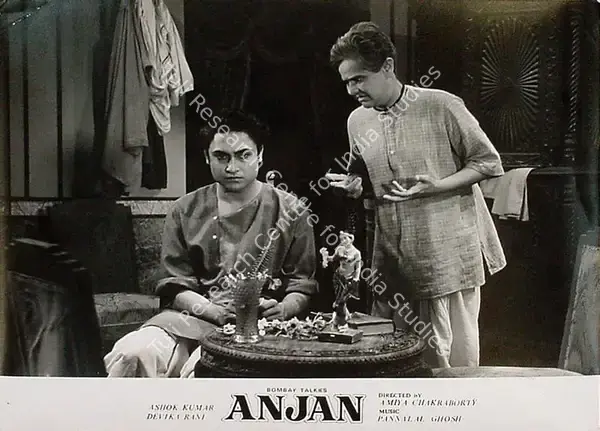
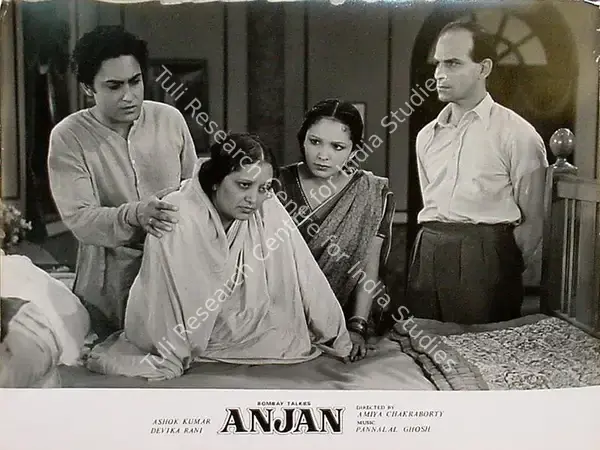
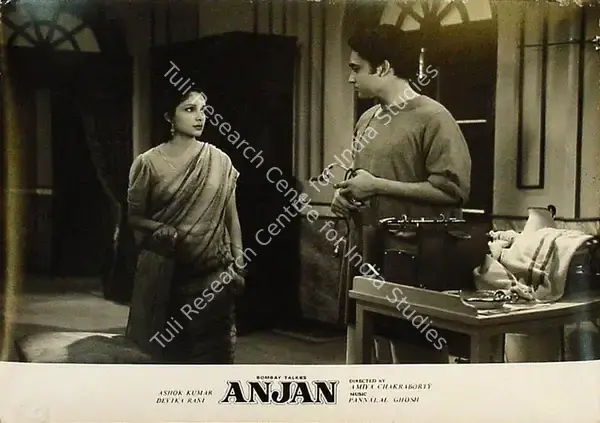
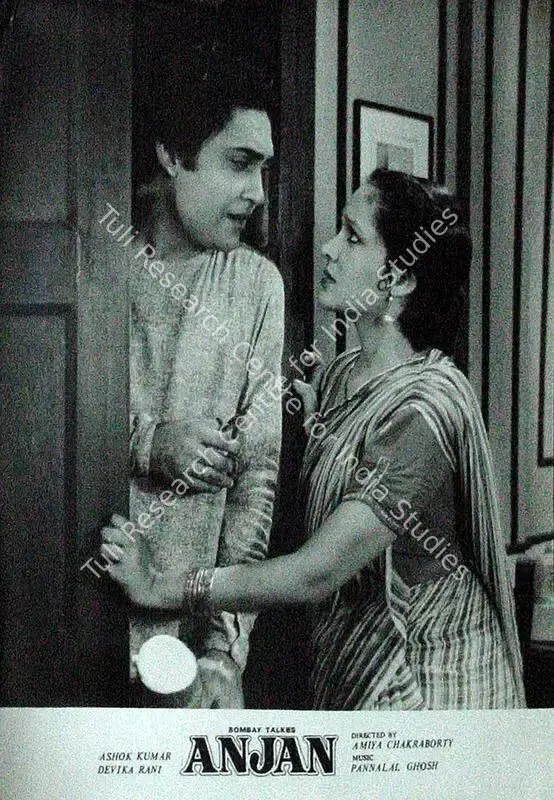
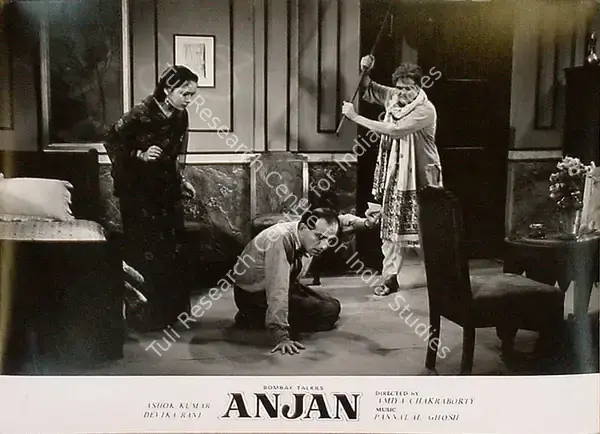
Born on 30 November 1912 in Bogra, Bengal Presidency, British India (now Bogura, Bangladesh), into a Bengali family, Chakravarty spent his formative years engaged in theatre and music as a stage actor and singer. He married Saraswati Shastri, also known as Kamala, the younger sister of Lakshmi Shankar and sister-in-law of Ravi Shankar. His university years coincided with active participation in the anti-colonial freedom movement, a political engagement that eventually led to his exile from Bengal. Possessing an exceptional command of languages, he began his career in Bombay as a Bengali tutor to the son of screenwriter Niranjan Pal at Bombay Talkies. The studio environment soon became his informal film school, enabling a rapid transition from tutoring to screenwriting and, ultimately, to directing with his debut feature Anjaan (1941).
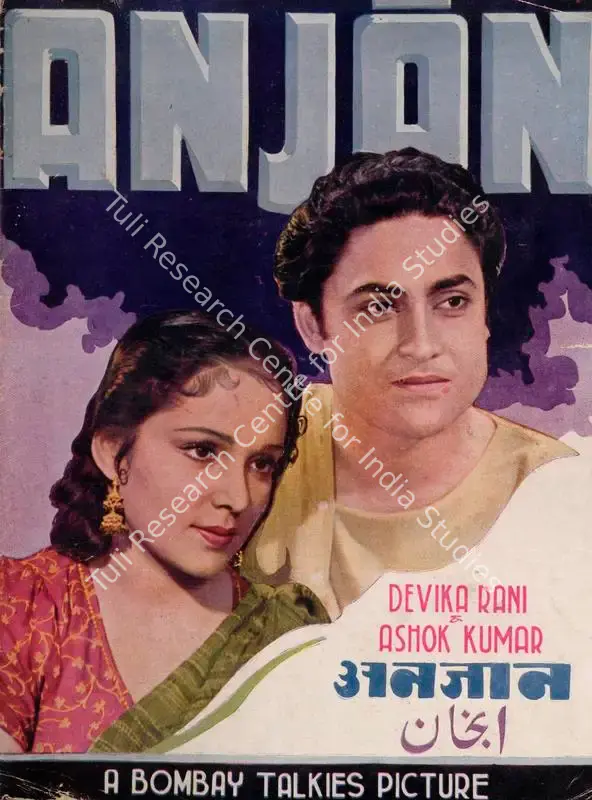
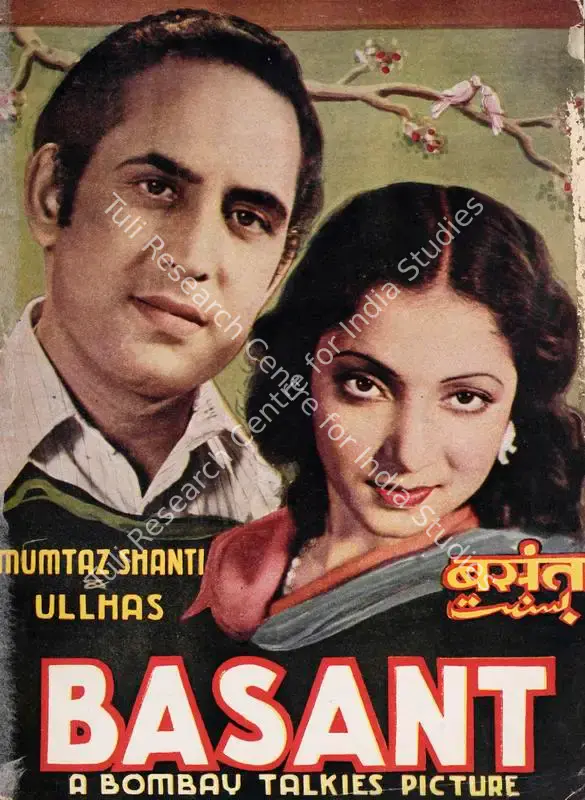
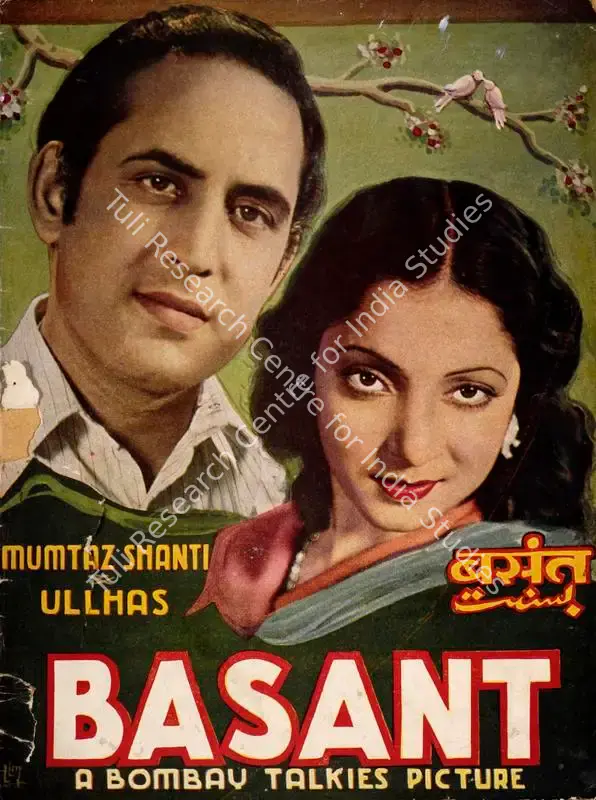
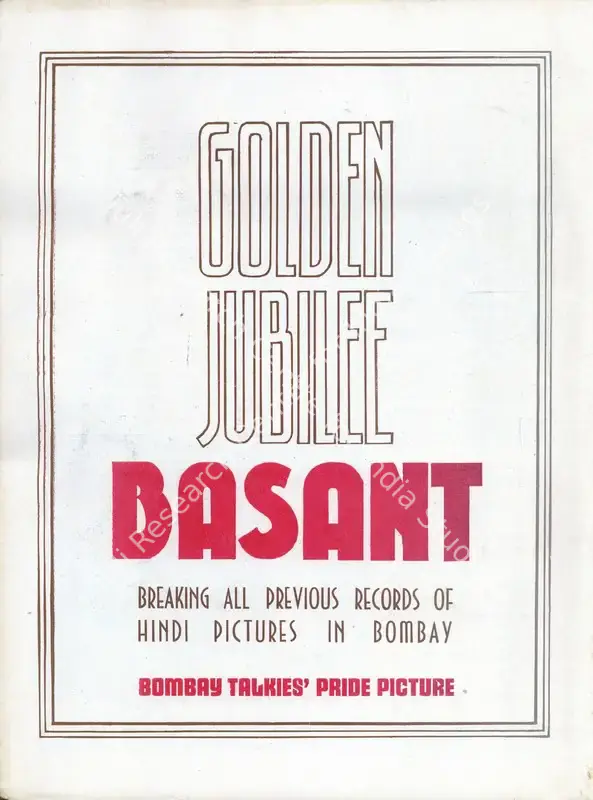
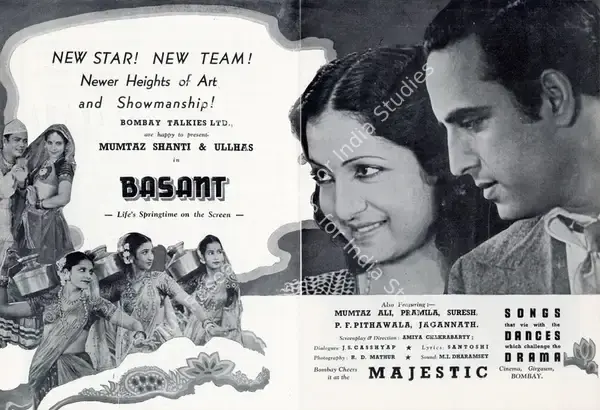
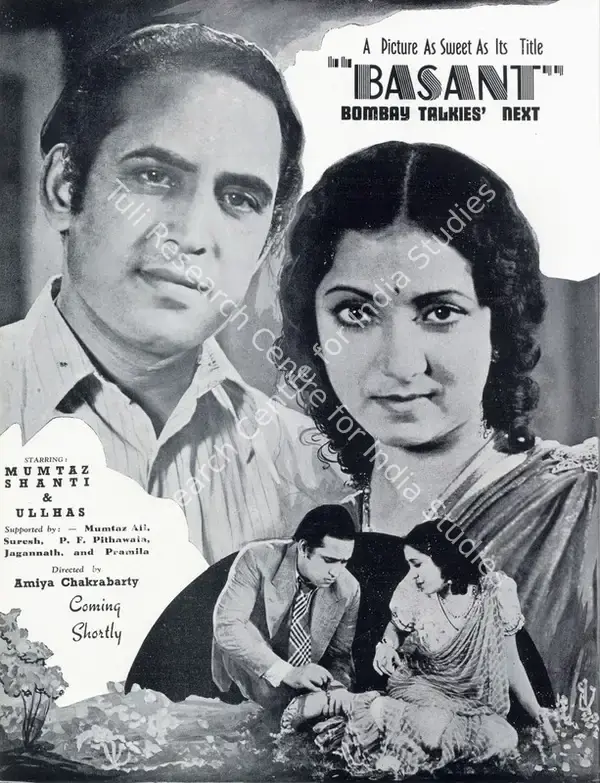
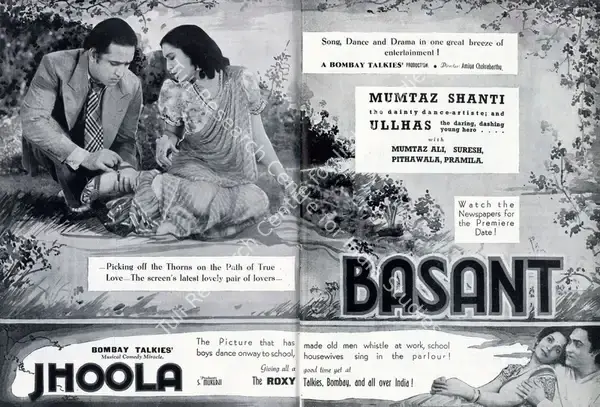
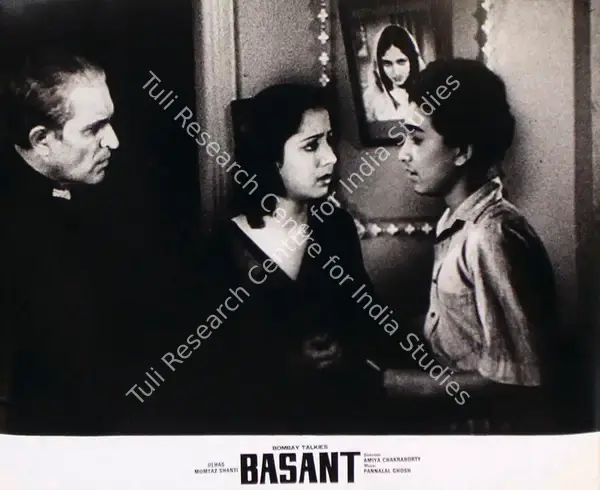
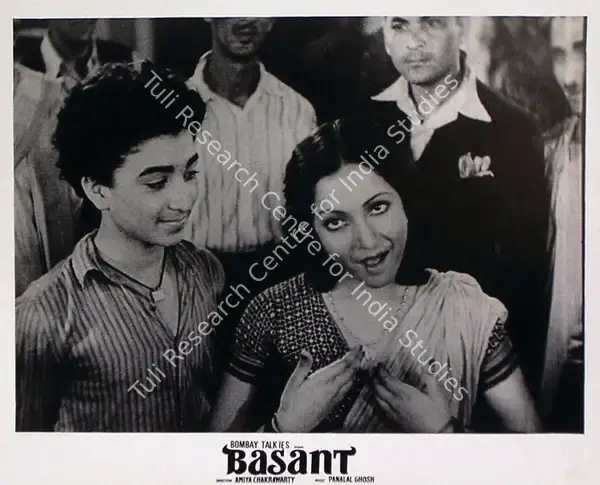
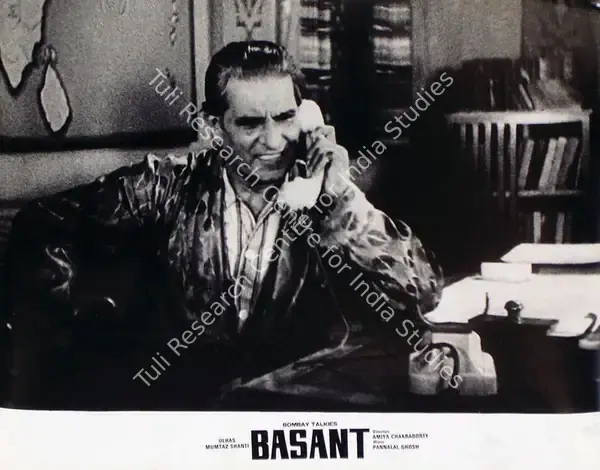
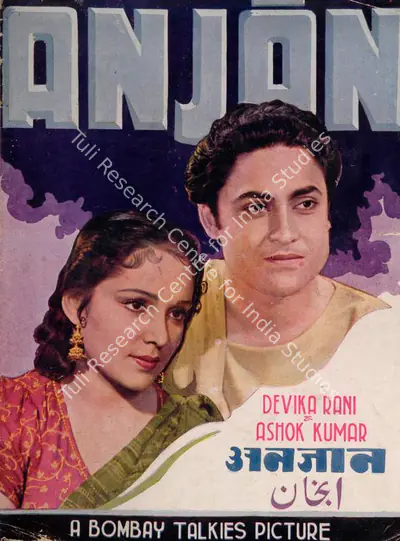
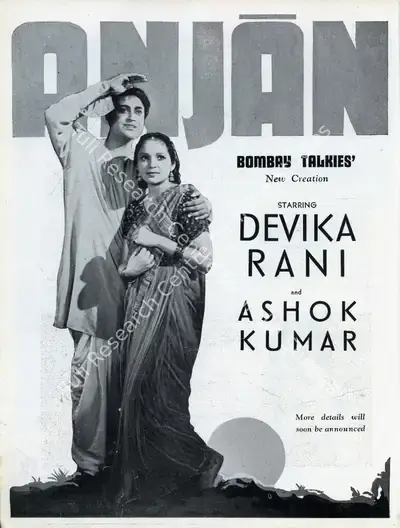
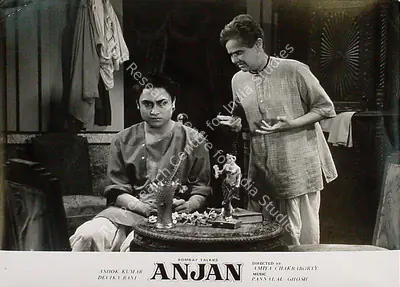
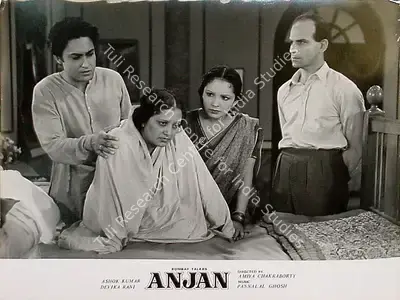
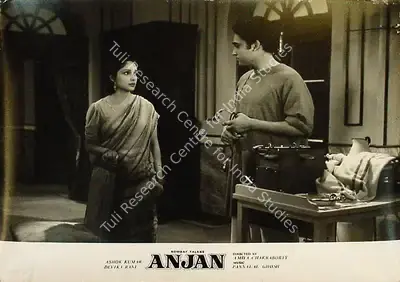
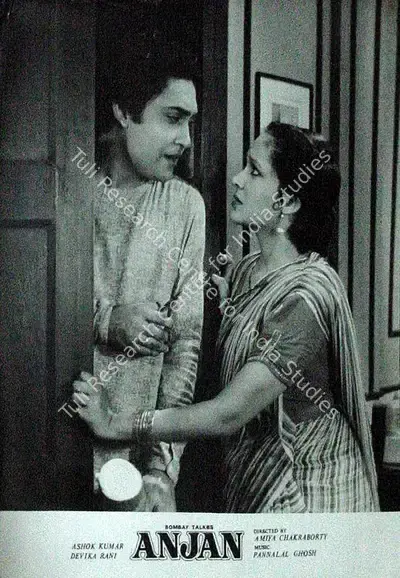
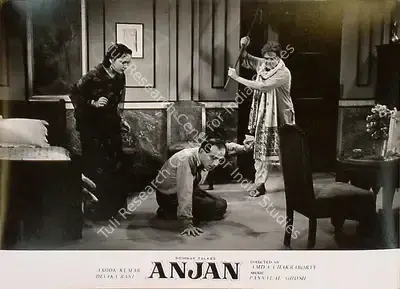
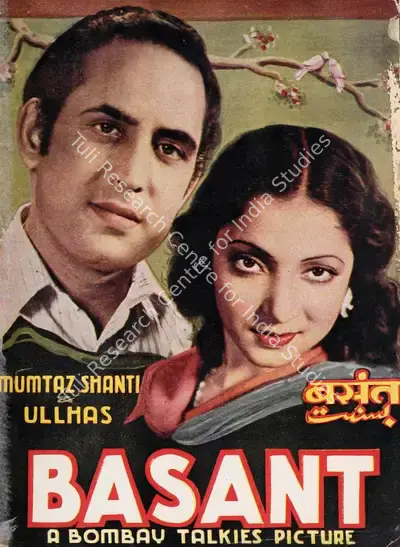
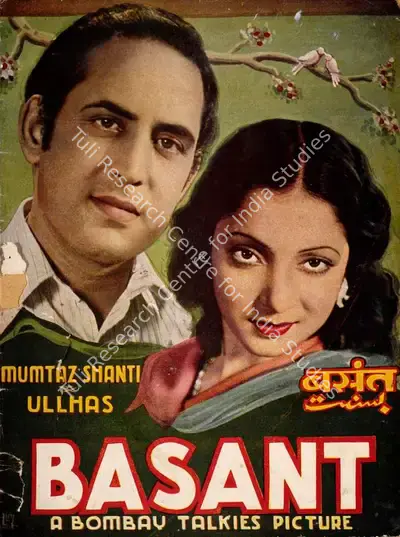
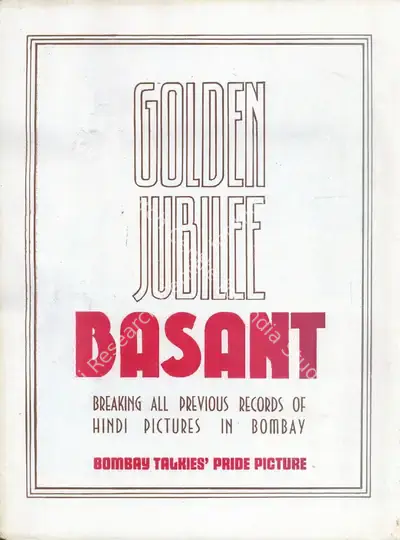
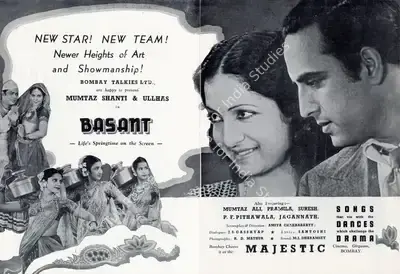
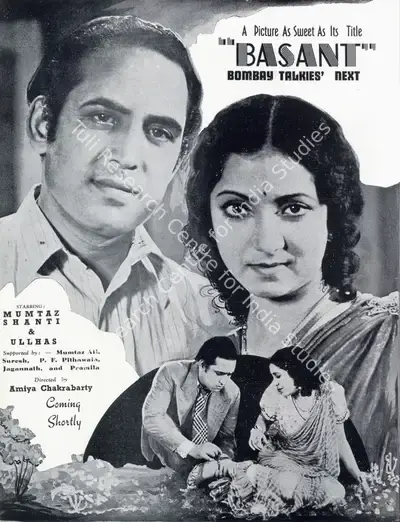
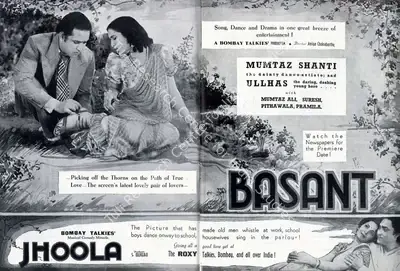
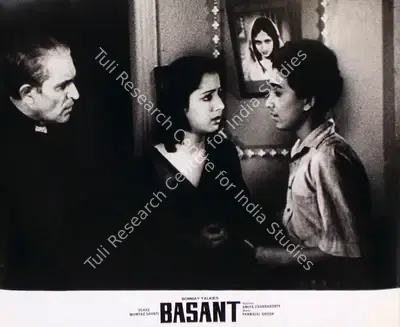
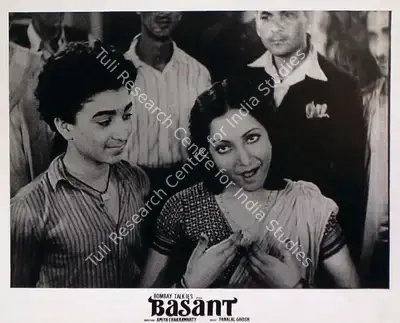
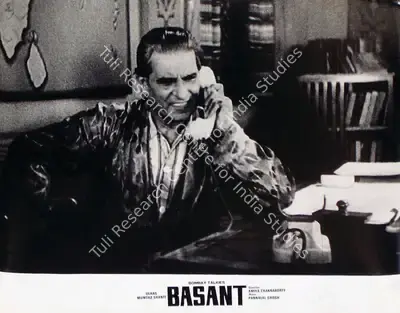
Chakravarty's directorial debut, the romantic drama Anjaan (1941), starred Devika Rani and Ashok Kumar. He followed this with the social drama Basant (1942) and the immensely successful Kismet (1943), before directing Hamari Baat (1943). In the post-war years, he wrote and directed Jwala (1947) and the romantic drama Girls' School (1949), consolidating his reputation as a filmmaker attentive to both popular appeal and social concerns.
The 1950s marked the most accomplished phase of Chakravarty's career. He directed and produced Gauna (1950), followed by the critically acclaimed and commercially successful Daag (1952). He continued his engagement with socially conscious themes through films such as Patita (1953) and Badshah (1954). His artistic career reached a significant peak with Seema (1955), a film widely regarded as one of the defining works of post-independence Hindi cinema and for which he received the Filmfare Award for Best Director. His final film, released posthumously, was the musical drama Kathputli (1957), starring Vyjayanthimala.
As both director and writer, Chakravarty is particularly remembered for Seema (1955), Badal (1951), and Dekh Kabira Roya (1957), films that reflected his sensitivity toward human relationships, moral dilemmas, and social reform.
During the early 1930s, Chakravarty became actively involved in the Indian nationalist movement and participated in the Dandi Satyagraha. He was subsequently arrested by British colonial authorities and, around 1935, compelled to leave Bengal, eventually relocating to Bombay, where his cinematic career would take shape.
Amiya Chakravarty died on 6 March 1957 in Bombay, State of Bombay, India.
चक्रवर्ती का जन्म 30 नवंबर 1912 को ब्रिटिश भारत के बंगाल प्रेसीडेंसी के बोगरा (वर्तमान में बांग्लादेश का बोगुरा) में एक बंगाली परिवार में हुआ था। उन्होंने अपने शुरूआती जीवन रंगमंच और संगीत में एक मंच अभिनेता और गायक के रूप में बिताए। उनका विवाह सरस्वती शास्त्री से हुआ, जिन्हें कमला के नाम से भी जाना जाता था, जो लक्ष्मी शंकर की छोटी बहन और रवि शंकर की भाभी थीं। अपने विश्वविद्यालय के जीवन के दौरान ही उन्होंने उपनिवेशवाद विरोधी स्वतंत्रता आंदोलन में सक्रिय रूप से भाग लिया और इस आन्दोलन से ऐसा राजनीतिक जुड़ाव हुआ जिसके कारण अंततः उन्हें बंगाल से निर्वासित होना पड़ा। भाषाओं पर असाधारण पकड़ रखने वाले चक्रवर्ती ने बॉम्बे टॉकीज़ में पटकथा लेखक निरंजन पाल के बेटे को बंगाली पढ़ाकर अपने करियर की शुरुआत की। स्टूडियो का वातावरण जल्द ही उनका अनौपचारिक फ़िल्म स्कूल बन गया, जिससे उन्हें शिक्षण से पटकथा लेखन और अंततः अपनी पहली फ़ीचर फ़िल्म 'अनजान' (1941) के निर्देशन किया।
चक्रवर्ती की निर्देशन में बनी पहली रोमांटिक फ़िल्म ' अनजान ' (1941) में देविका रानी और अशोक कुमार ने अभिनय किया था। इसके बाद उन्होंने सामाजिक ड्रामा 'बसंत' (1942) और बेहद सफल 'क़िस्मत' (1943) का निर्देशन किया, इसके बाद फ़िर 'हमारी बात' (1943) का भी निर्देशन किया। युद्ध के बाद के वर्षों में, उन्होंने 'ज्वाला' (1947) और रोमांटिक ड्रामा 'गर्ल्स स्कूल' (1949) का लेखन और निर्देशन किया, जिससे लोकप्रिय अपील और सामाजिक सरोकारों दोनों पर ध्यान देने वाले फ़िल्म निर्माता के रूप में उनकी प्रतिष्ठा और मज़बूत हुई।
1950 का दशक चक्रवर्ती के करियर का सबसे सफल दौर था। उन्होंने गौना (1950) का निर्देशन और निर्माण किया, जिसके बाद समीक्षकों द्वारा सराही गई और व्यावसायिक रूप से सफल फ़िल्म दाग़ (1952) आई। उन्होंने पतिता (1953) और बादशाह (1954) जैसी फ़िल्मों के माध्यम से सामाजिक रूप से जागरूक विषयों पर अपनी प्रतिबद्धता जारी रखी। उनकी कलात्मक यात्रा सीमा (1955) के साथ एक महत्वपूर्ण शिखर पर पहुंची, जिसे आज़ादी के बाद हिंदी सिनेमा की सबसे महत्वपूर्ण कृतियों में से एक माना जाता है और जिसके लिए उन्हें सर्वश्रेष्ठ निर्देशक का फ़िल्मफ़ेयर पुरस्कार मिला। उनकी अंतिम फ़िल्म, जो मरणोपरांत रिलीज़ हुई, संगीतमय नाटक कठपुतली (1957) थी, जिसमें वैजयंतीमाला ने अभिनय किया था।
निर्देशक और लेखक दोनों के रूप में, चक्रवर्ती को विशेष रूप से सीमा (1955), बादल (1951) और देख कबीरा रोया (1957) के लिए याद किया जाता है, ये फ़िल्में मानवीय संबंधों, नैतिक दुविधाओं और सामाजिक सुधार के प्रति उनकी संवेदनशीलता को दर्शाती हैं।
1930 के दशक के आरंभ में, चक्रवर्ती भारतीय राष्ट्रवादी आंदोलन में सक्रिय रूप से शामिल हो गए और दांडी सत्याग्रह में भाग लिया। बाद में उन्हें ब्रिटिश औपनिवेशिक अधिकारियों द्वारा गिरफ्तार कर लिया गया और लगभग 1935 में उन्हें बंगाल छोड़ने के लिए मज़बूर होना पड़ा, जिसके बाद वे बॉम्बे चले गए, जहाँ उनके फ़िल्मी करियर ने आकार लिया।
अमिया चक्रवर्ती का निधन 6 मार्च 1957 को बॉम्बे, महाराष्ट्र, भारत में हुआ था।