Amar Kumar
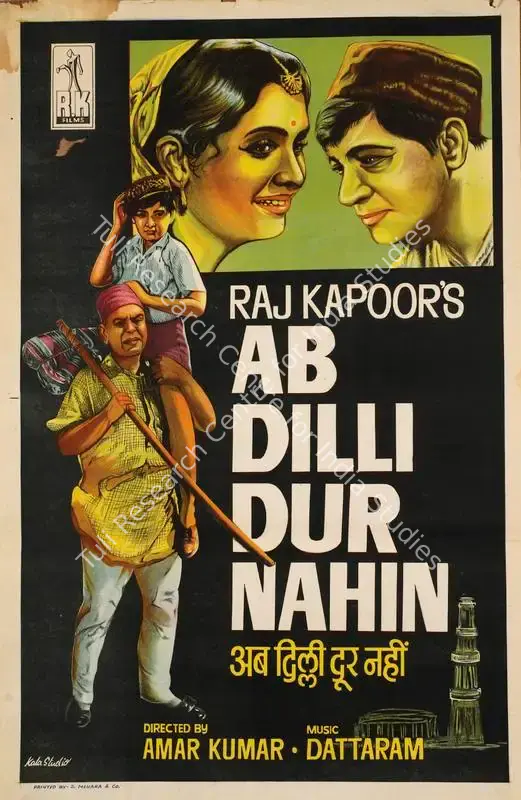
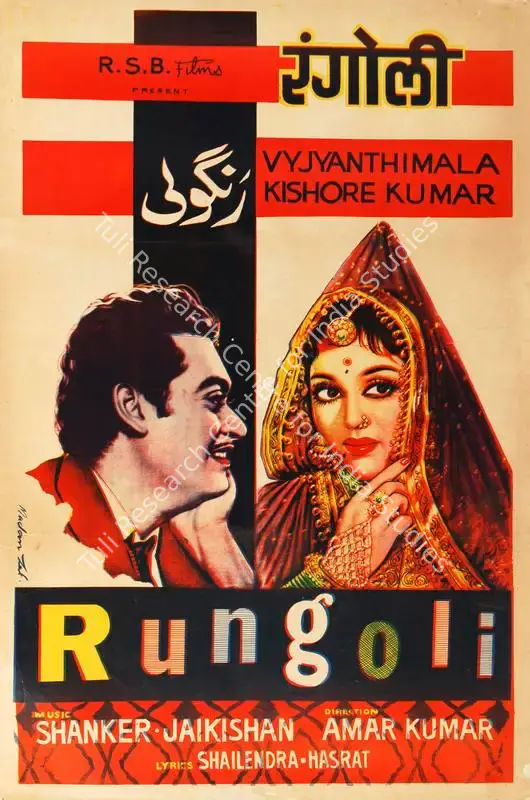
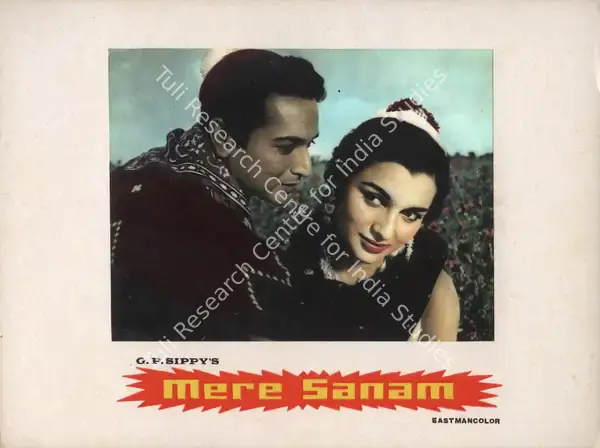
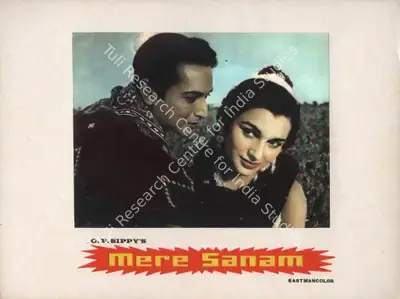
Amar Kumar (1915-1984) He was one of the accomplished craftsmen of mainstream Hindi cinema whose films exemplified the star-driven, musically rich entertainment that defined the industry's golden decades. Though he never sought the auteur status of celebrated contemporaries, he established himself as a director with a keen instinct for popular storytelling, combining romance, family relationships, comedy, and melodrama into narratives that resonated with audiences across India. was a prominent filmmaker in Hindi cinema from the 1950s through the 1970s. He became highly recognized following the massive commercial success of his film Mere Sanam (1965). He passed away before completing his final project, Mahfil, which was later finished by his brother, Krishan Kumar.
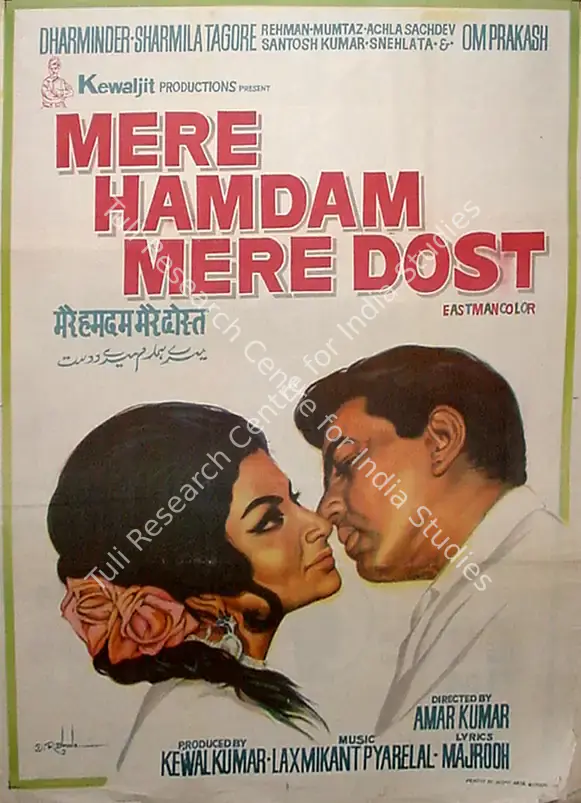
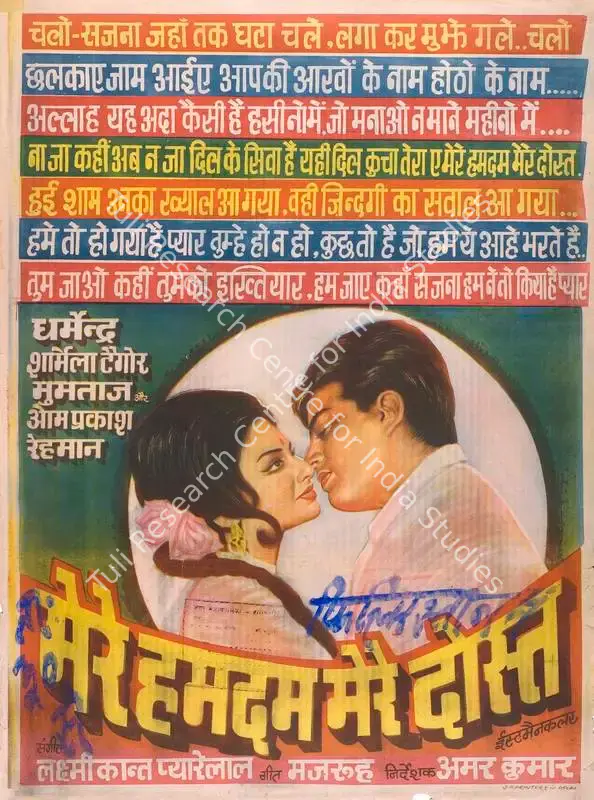
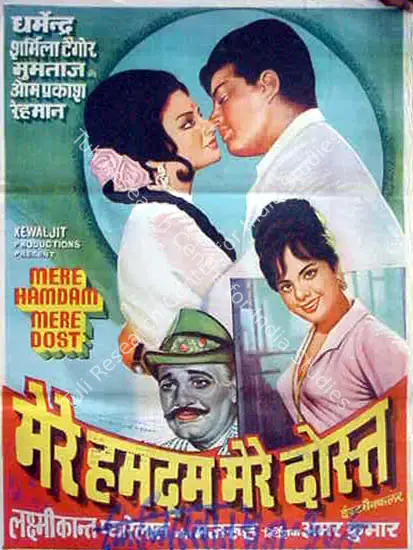
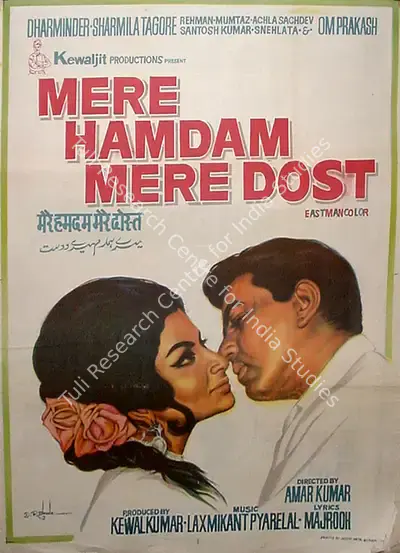
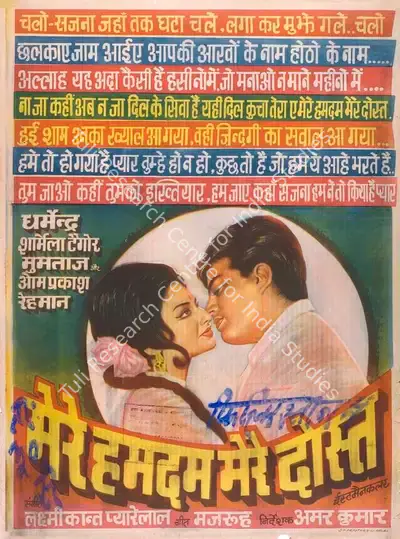
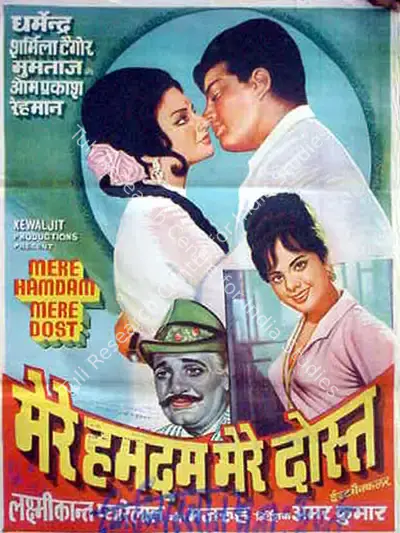
He was born in 1915 in the Sialkot District (now in Pakistan) and passed away in 1984. His finest work includes Mere Humdam Mere Dost (1968), a successful romantic drama starring Dharmendra and Sharmila Tagore that blended emotional depth with memorable music, and Mere Sanam (1965), a stylish romantic musical featuring Biswajeet and Asha Parekh, celebrated for its engaging narrative and an evergreen soundtrack composed by O. P. Nayyar. These films remain enduring examples of the sophisticated popular cinema of the 1960s, where music, romance, humour, and dramatic intrigue were woven into an accessible cinematic experience.
Working with many of the leading actors, lyricists, composers, and technicians of his era, Amar Kumar demonstrated an assured command over the conventions of mainstream filmmaking. His cinema favoured lucid narratives, appealing characters, and emotional sincerity over stylistic experimentation, allowing his films to achieve both commercial success and lasting audience affection. His collaboration with eminent music directors produced songs that continue to occupy an important place in the repertoire of Hindi film music, contributing significantly to the enduring appeal of his films.
Although his contribution has often been overshadowed by more celebrated directors of his generation, Amar Kumar played an important role in shaping the idiom of popular Hindi cinema during a period of remarkable creativity and expansion. His films capture the optimism, romance, and changing social aspirations of post-Independence India while preserving the elegance and musical richness that characterised the era. A reassessment of his career reveals a filmmaker of considerable narrative skill whose work deserves recognition as an integral part of the legacy of classical Hindi cinema.