
EN
EN
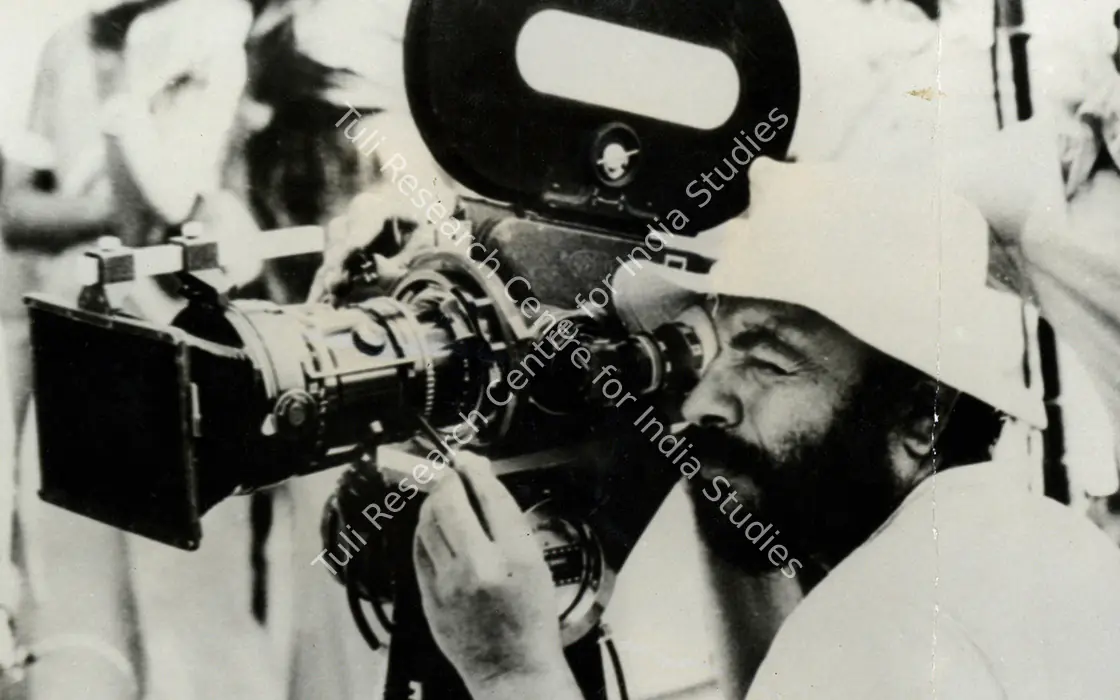
Govind Nihalani (1940) is an Indian film director, cinematographer, screen writer and producer whose contribution to Hindi cinema, especially in the Parallel Cinema movement is quite noteworthy. Born in Karachi, Pakistan, Nihalani's family migrated to India during the Partition in 1947. Primarily known for films that highlight social issues and depict the human condition of the underprivileged under a corrupt regime, like Aakrosh (1980), Ardh Satya (1983) and Tamas (1988) and Hazaar Chaurasi Ki Maa (1998), Nihalani started his career as an assistant cinematographer to V.K. Murthy, who he credits as an influence for the lighting techniques that he would come to use in his work. He later debuted as a cinematographer for Shyam Benegal's Ankur (1974). His creative partnership with Benegal as cinematographer on eight of his critically acclaimed films lasted from the 1970s to 1982, with Arohan (1982) being the last such project. Along with his reputation as an astute cinematographer, Nihalani's directorial debut, Aakrosh (1980), catapulted him to fame as a serious filmmaker, winning the National Film Award, the first of six times. The previous year he had won his first National Award and Filmfare award (cinematography) for Junoon (Shyam Benegal, 1979), a historical piece, set around the Indian Rebellion of 1857. His visual style as a director borrows heavily from the style he developed as a cinematographer, characterised by intense realism and stark visuality, often eschewing glamour and focusing on the minimalism demanded by the politically and socially resonant narratives and the performances of the actors. It moved away from the high budget, melodramatic style of Bombay cinema and was more aligned with the style adopted by the Parallel Cinema movement of the 1980s.