
Introduction
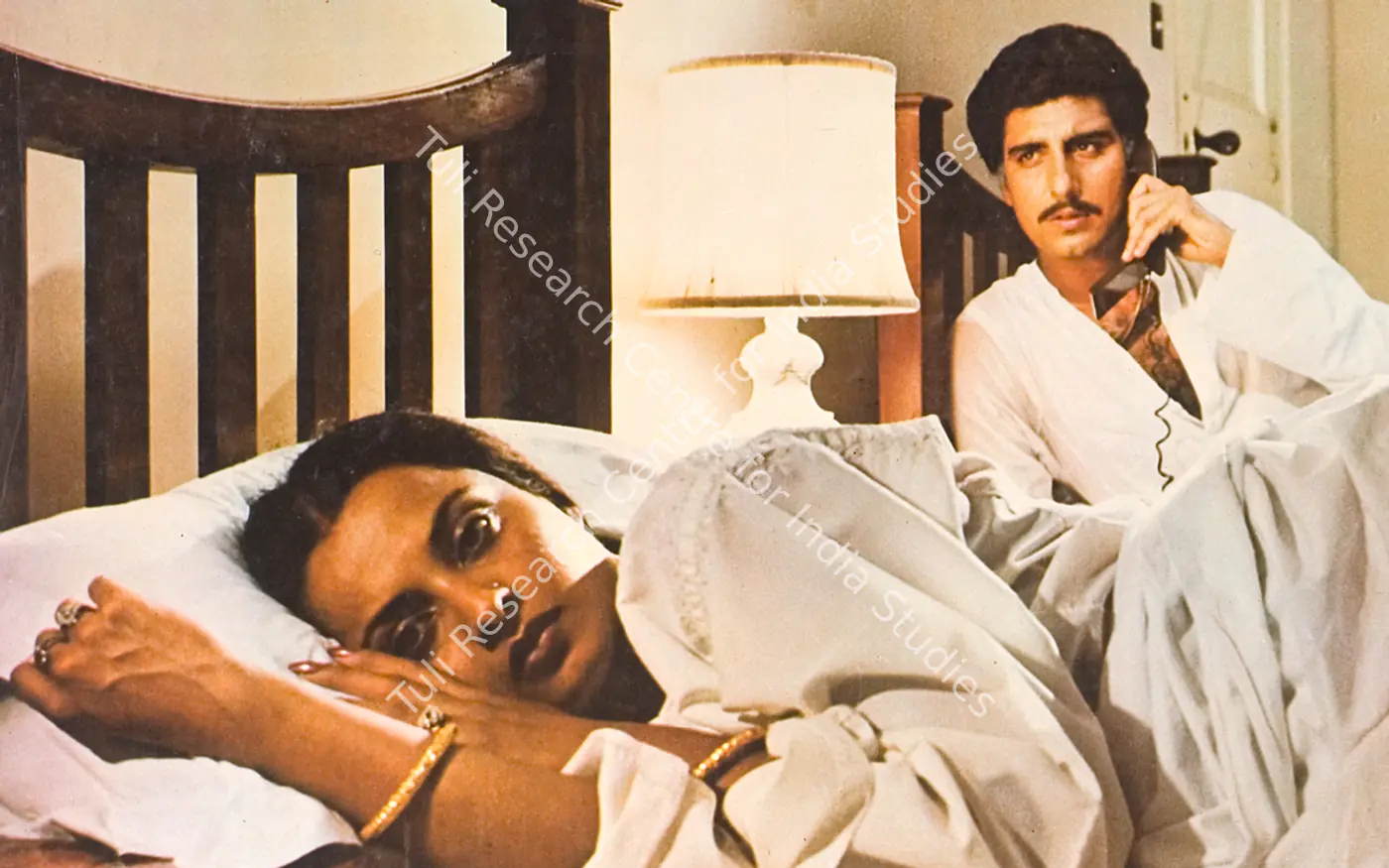
Raj Babbar (born 23 June 1952) He is an Indian actor and politician whose career spans Hindi and Punjabi cinema alongside an active presence in public life. A senior leader of the Indian National Congress, he has served multiple terms in both the Lok Sabha and the Rajya Sabha, and previously held the position of President of the Uttar Pradesh Congress Committee.
Born in Tundla, Uttar Pradesh, into a Punjabi Hindu Sunar family that migrated during the Partition of India, Babbar traces his ancestral roots to Jalalpur Jattan, now in Pakistan's Punjab province. He received his early education at Mufid-e-Aam Inter College, Agra, and later graduated from Agra College. He subsequently trained at the National School of Drama, graduating in 1975, where he was exposed to method acting and street theatre traditions.
Babbar entered cinema in the late 1970s, gaining early recognition for his provocative role in Insaf Ka Tarazu (1980), directed by B. R. Chopra, in which he portrayed a morally complex antagonist. He became associated with socially engaged cinema, appearing in films such as Nikaah (1982) and Aaj Ki Awaaz (1984), the latter co-starring Smita Patil. Alongside his Hindi film career, he made significant contributions to Punjabi cinema, with acclaimed performances in Chann Pardesi (1980), Long Da Lishkara (1983), and Marhi Da Deeva (1989). Throughout the 1980s and 1990s, he frequently portrayed antagonistic or character roles in mainstream Hindi films, including Aankhen (1993), Dalaal (1993), Yaraana (1995), and Ziddi (1997).
In addition to film, Babbar has been active in television, appearing in historical and dramatic serials such as Mahabharat (1988), where he played King Bharat, Bahadur Shah Zafar (1986), and his home production Maharaja Ranjit Singh (2010). He also co-founded Babbar Films Pvt. Ltd., producing films such as Karm Yodha (1992) and Kash Aap Hamare Hote (2003).
Babbar entered politics in 1989 with the Janata Dal under V. P. Singh. He later joined the Indian National Congress in 2008 and secured electoral success in subsequent parliamentary contests. His political career, however, has included both victories and defeats, including a notable loss in the 2014 general elections to V. K. Singh. In the 2024 Indian general election, he contested from Gurgaon but was defeated by Rao Inderjit Singh.
Babbar's public life has occasionally been marked by controversy, notably remarks in 2013 regarding poverty benchmarks and comparisons involving Narendra Modi that drew widespread criticism. Despite such episodes, he remains a significant figure in both Indian cinema and politics. His film career has been recognised through multiple nominations at the Filmfare Awards, particularly for his performances in Insaf Ka Tarazu (1980), Agar Tum Na Hote (1983), Aaj Ki Awaaz (1984), and later for negative roles in Dalaal (1993) and Yaraana (1995).
Born in Tundla, Uttar Pradesh, into a Punjabi Hindu Sunar family that migrated during the Partition of India, Babbar traces his ancestral roots to Jalalpur Jattan, now in Pakistan's Punjab province. He received his early education at Mufid-e-Aam Inter College, Agra, and later graduated from Agra College. He subsequently trained at the National School of Drama, graduating in 1975, where he was exposed to method acting and street theatre traditions.
Babbar entered cinema in the late 1970s, gaining early recognition for his provocative role in Insaf Ka Tarazu (1980), directed by B. R. Chopra, in which he portrayed a morally complex antagonist. He became associated with socially engaged cinema, appearing in films such as Nikaah (1982) and Aaj Ki Awaaz (1984), the latter co-starring Smita Patil. Alongside his Hindi film career, he made significant contributions to Punjabi cinema, with acclaimed performances in Chann Pardesi (1980), Long Da Lishkara (1983), and Marhi Da Deeva (1989). Throughout the 1980s and 1990s, he frequently portrayed antagonistic or character roles in mainstream Hindi films, including Aankhen (1993), Dalaal (1993), Yaraana (1995), and Ziddi (1997).
In addition to film, Babbar has been active in television, appearing in historical and dramatic serials such as Mahabharat (1988), where he played King Bharat, Bahadur Shah Zafar (1986), and his home production Maharaja Ranjit Singh (2010). He also co-founded Babbar Films Pvt. Ltd., producing films such as Karm Yodha (1992) and Kash Aap Hamare Hote (2003).
Babbar entered politics in 1989 with the Janata Dal under V. P. Singh. He later joined the Indian National Congress in 2008 and secured electoral success in subsequent parliamentary contests. His political career, however, has included both victories and defeats, including a notable loss in the 2014 general elections to V. K. Singh. In the 2024 Indian general election, he contested from Gurgaon but was defeated by Rao Inderjit Singh.
Babbar's public life has occasionally been marked by controversy, notably remarks in 2013 regarding poverty benchmarks and comparisons involving Narendra Modi that drew widespread criticism. Despite such episodes, he remains a significant figure in both Indian cinema and politics. His film career has been recognised through multiple nominations at the Filmfare Awards, particularly for his performances in Insaf Ka Tarazu (1980), Agar Tum Na Hote (1983), Aaj Ki Awaaz (1984), and later for negative roles in Dalaal (1993) and Yaraana (1995).
राज बब्बर (जन्म 23 जून 1952) एक भारतीय अभिनेता और राजनीतिज्ञ हैं, जिनका करियर हिंदी और पंजाबी सिनेमा के साथ-साथ सार्वजनिक जीवन में भी सक्रिय रहा है। भारतीय राष्ट्रीय कांग्रेस के एक वरिष्ठ नेता के रूप में, उन्होंने लोकसभा और राज्यसभा दोनों में कई कार्यकाल पूरे किए हैं, और इससे पहले उत्तर प्रदेश कांग्रेस कमेटी के अध्यक्ष भी रह चुके हैं।
उत्तर प्रदेश के टुंडला में जन्मे बब्बर एक पंजाबी हिंदू सुनार परिवार से थे, जो भारत के विभाजन के दौरान पलायन कर गया था। उनका पैतृक संबंध जलालपुर जट्टन से है, जो अब पाकिस्तान के पंजाब प्रांत में है। उन्होंने अपनी प्रारंभिक शिक्षा आगरा के मुफ़ीद-ए-'आम इंटर कॉलेज़ से प्राप्त की और बाद में आगरा कॉलेज़ से स्नातक की उपाधि प्राप्त की। इसके बाद उन्होंने राष्ट्रीय नाट्यशाला में प्रशिक्षण लिया और 1975 में स्नातक की उपाधि प्राप्त की, जहाँ उन्हें पद्धतिगत अभिनय और नुक्कड़ नाट्य कला की परंपराओं से परिचित कराया गया।
बब्बर ने 1970 के दशक के उत्तरार्ध में सिनेमा में प्रवेश किया और बी. आर. चोपड़ा द्वारा निर्देशित फ़िल्म 'इंसाफ़ का तराज़ू' (1980) में अपने दमदार अभिनय के लिए शुरुआती पहचान हासिल की, जिसमें उन्होंने नैतिक रूप से जटिल खलनायक की भूमिका निभाई थी। वे सामाजिक मुद्दों से जुड़े सिनेमा से जुड़ गए और 'निकाह' (1982) और 'आज की आवाज़' (1984) जैसी फ़िल्मों में नज़र आए, जिनमें से 'आज की आवाज़' में स्मिता पाटिल सह-कलाकार थीं। हिंदी फ़िल्मी करियर के साथ-साथ उन्होंने पंजाबी सिनेमा में भी महत्वपूर्ण योगदान दिया, 'छन्न परदेसी' (1980), 'लॉन्ग दा लिशकारा' (1983) और 'मढ़ी दा दीवा' (1989) जैसी फ़िल्मों में उनके अभिनय की सराहना की गई। 1980 और 1990 के दशक में उन्होंने मुख्यधारा की हिंदी फ़िल्मों में अक्सर खलनायक या चरित्र भूमिकाएँ निभाईं, जिनमें 'आँखें' (1993), 'दलाल' (1993), 'याराना' (1995) और 'जिद्दी' (1997) शामिल हैं।
फ़िल्मों के अलावा, बब्बर टेलीविज़न में भी सक्रिय रहे हैं, उन्होंने महाभारत (1988) जैसे ऐतिहासिक और नाटकीय धारावाहिकों में अभिनय किया है, जिसमें उन्होंने राजा भरत की भूमिका निभाई थी, साथ ही बहादुर शाह ज़फ़र (1986) और उनके अपने प्रोडक्शन महाराजा रणजीत सिंह (2010) में भी काम किया है। उन्होंने बब्बर फ़िल्म्स प्राइवेट लिमिटेड की सह-स्थापना भी की, जिसके तहत उन्होंने कर्म योद्धा (1992) और काश आप हमारे होते (2003) जैसी फ़िल्मों का निर्माण किया।
बब्बर ने 1989 में वी. पी. सिंह के नेतृत्व वाली जनता दल से राजनीति में प्रवेश किया। 2008 में वे भारतीय राष्ट्रीय कांग्रेस में शामिल हो गए और उसके बाद के संसदीय चुनावों में उन्हें सफलता मिली। हालांकि, उनके राजनीतिक करियर में जीत और हार दोनों शामिल हैं, जिनमें 2014 के आम चुनावों में वी. के. सिंह से मिली उल्लेखनीय हार भी शामिल है। 2024 के भारतीय आम चुनाव में, उन्होंने गुड़गांव से चुनाव लड़ा, लेकिन राव इंद्रजीत सिंह से हार गए।
बब्बर का सार्वजनिक जीवन समय-समय पर विवादों से घिरा रहा है, विशेष रूप से 2013 में गरीबी के मानकों और नरेंद्र मोदी से तुलना के संबंध में उनकी टिप्पणियों ने व्यापक आलोचना को जन्म दिया। इन घटनाओं के बावजूद, वे भारतीय सिनेमा और राजनीति दोनों में एक महत्वपूर्ण हस्ती बने हुए हैं। उनके फ़िल्मी करियर को फ़िल्मफ़ेयर पुरस्कारों में कई नामांकनों से सम्मानित किया गया है, विशेष रूप से इंसाफ़ का तराज़ू (1980), अगर तुम ना होते (1983), आज की आवाज़ (1984) में उनके अभिनय के लिए, और बाद में उन्हें खलनायक भूमिकाओं के लिए भी सराहा गया, जैसे दलाल (1993) और याराना (1995)।
उत्तर प्रदेश के टुंडला में जन्मे बब्बर एक पंजाबी हिंदू सुनार परिवार से थे, जो भारत के विभाजन के दौरान पलायन कर गया था। उनका पैतृक संबंध जलालपुर जट्टन से है, जो अब पाकिस्तान के पंजाब प्रांत में है। उन्होंने अपनी प्रारंभिक शिक्षा आगरा के मुफ़ीद-ए-'आम इंटर कॉलेज़ से प्राप्त की और बाद में आगरा कॉलेज़ से स्नातक की उपाधि प्राप्त की। इसके बाद उन्होंने राष्ट्रीय नाट्यशाला में प्रशिक्षण लिया और 1975 में स्नातक की उपाधि प्राप्त की, जहाँ उन्हें पद्धतिगत अभिनय और नुक्कड़ नाट्य कला की परंपराओं से परिचित कराया गया।
बब्बर ने 1970 के दशक के उत्तरार्ध में सिनेमा में प्रवेश किया और बी. आर. चोपड़ा द्वारा निर्देशित फ़िल्म 'इंसाफ़ का तराज़ू' (1980) में अपने दमदार अभिनय के लिए शुरुआती पहचान हासिल की, जिसमें उन्होंने नैतिक रूप से जटिल खलनायक की भूमिका निभाई थी। वे सामाजिक मुद्दों से जुड़े सिनेमा से जुड़ गए और 'निकाह' (1982) और 'आज की आवाज़' (1984) जैसी फ़िल्मों में नज़र आए, जिनमें से 'आज की आवाज़' में स्मिता पाटिल सह-कलाकार थीं। हिंदी फ़िल्मी करियर के साथ-साथ उन्होंने पंजाबी सिनेमा में भी महत्वपूर्ण योगदान दिया, 'छन्न परदेसी' (1980), 'लॉन्ग दा लिशकारा' (1983) और 'मढ़ी दा दीवा' (1989) जैसी फ़िल्मों में उनके अभिनय की सराहना की गई। 1980 और 1990 के दशक में उन्होंने मुख्यधारा की हिंदी फ़िल्मों में अक्सर खलनायक या चरित्र भूमिकाएँ निभाईं, जिनमें 'आँखें' (1993), 'दलाल' (1993), 'याराना' (1995) और 'जिद्दी' (1997) शामिल हैं।
फ़िल्मों के अलावा, बब्बर टेलीविज़न में भी सक्रिय रहे हैं, उन्होंने महाभारत (1988) जैसे ऐतिहासिक और नाटकीय धारावाहिकों में अभिनय किया है, जिसमें उन्होंने राजा भरत की भूमिका निभाई थी, साथ ही बहादुर शाह ज़फ़र (1986) और उनके अपने प्रोडक्शन महाराजा रणजीत सिंह (2010) में भी काम किया है। उन्होंने बब्बर फ़िल्म्स प्राइवेट लिमिटेड की सह-स्थापना भी की, जिसके तहत उन्होंने कर्म योद्धा (1992) और काश आप हमारे होते (2003) जैसी फ़िल्मों का निर्माण किया।
बब्बर ने 1989 में वी. पी. सिंह के नेतृत्व वाली जनता दल से राजनीति में प्रवेश किया। 2008 में वे भारतीय राष्ट्रीय कांग्रेस में शामिल हो गए और उसके बाद के संसदीय चुनावों में उन्हें सफलता मिली। हालांकि, उनके राजनीतिक करियर में जीत और हार दोनों शामिल हैं, जिनमें 2014 के आम चुनावों में वी. के. सिंह से मिली उल्लेखनीय हार भी शामिल है। 2024 के भारतीय आम चुनाव में, उन्होंने गुड़गांव से चुनाव लड़ा, लेकिन राव इंद्रजीत सिंह से हार गए।
बब्बर का सार्वजनिक जीवन समय-समय पर विवादों से घिरा रहा है, विशेष रूप से 2013 में गरीबी के मानकों और नरेंद्र मोदी से तुलना के संबंध में उनकी टिप्पणियों ने व्यापक आलोचना को जन्म दिया। इन घटनाओं के बावजूद, वे भारतीय सिनेमा और राजनीति दोनों में एक महत्वपूर्ण हस्ती बने हुए हैं। उनके फ़िल्मी करियर को फ़िल्मफ़ेयर पुरस्कारों में कई नामांकनों से सम्मानित किया गया है, विशेष रूप से इंसाफ़ का तराज़ू (1980), अगर तुम ना होते (1983), आज की आवाज़ (1984) में उनके अभिनय के लिए, और बाद में उन्हें खलनायक भूमिकाओं के लिए भी सराहा गया, जैसे दलाल (1993) और याराना (1995)।
No personalia records available yet.