Jehangir Chowdhury
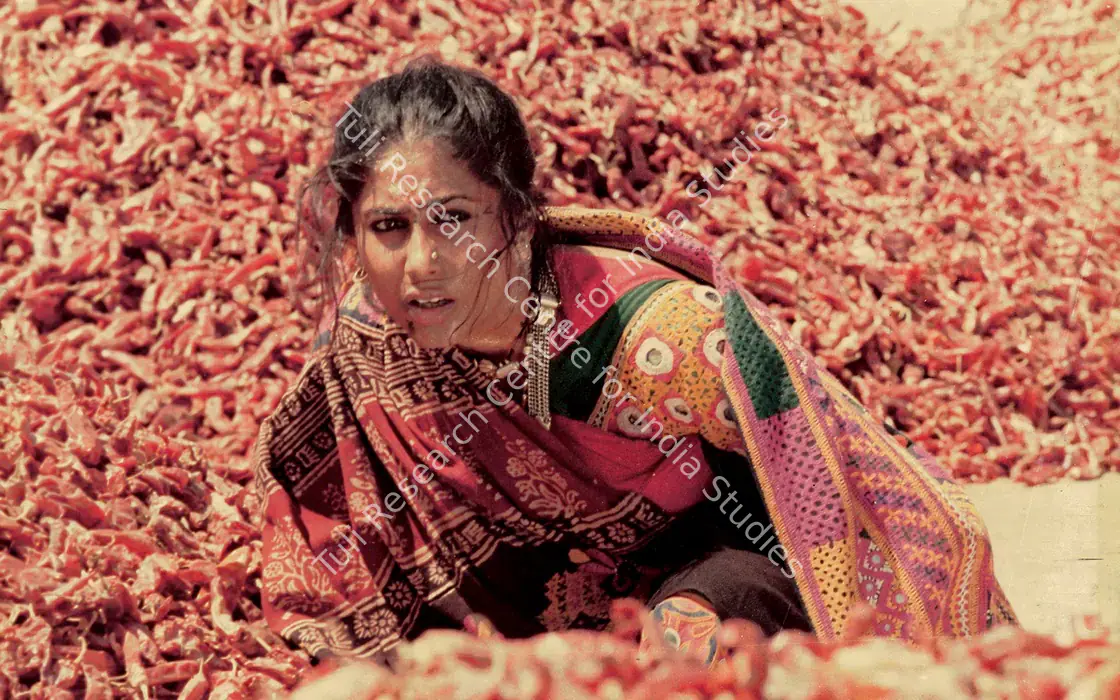
Jehangir Choudhary is an Indian cinematographer who works predominantly in Hindi-language films. He is most known for his collaboration with Ketan Mehta on acclaimed films like Holi (1984), Mirch Masala (1987), and Hero Hiralal (1987). He also worked with noted filmmakers like Lekh Tandon, Kundan Shah, Kamal Hassan, Homi Adajania, amongst others. Choudhary started his career serving as a cinematographer for Lekh Tandon's Dulhan Wahi Jo Piya Man Bhaye (1977), followed by Khuda Kasam (1981) and Doosri Dulhan (1983). His work on Ketan Mehta's campus docu-drama Holi (1984), a film about student dissent against institutional apathy and authoritarian structures in the education system during the festival of Holi, is well regarded. Shot on location in the Film and Television Institute of India campus, Pune (of which both Mehta and Choudhary were alumni), the film's socio-political themes and unadorned aesthetics contributed to the Parallel cinema movement. Filmed in fluid, long takes with mostly a handheld camera, Choudhary effectively captured the chaos and frenzy of campus life, especially in the disorderly and violent Holi festival scenes. It went on to win the National Film Award for Best Cinematography in 1985 for Choudhary's dynamic compositions, which highlighted the vibrancy and student unrest in a campus space. He collaborated with Mehta for his next film, Mirch Masala (1987), a story about a woman's rebellion against patriarchal oppression set in the pre-independence era. The film earned critical acclaim for its pronounced feminist themes, Smita Patil's performance as the protagonist, and its visual composition. Choudhary's vibrant compositions with the colour red as a recurring motif highlighted the simmering rage of the women against the oppressive structures, underscoring the film's title. He moved towards commercial and independent Mumbai Hindi films towards the latter part of his career. Notable titles in this period include the commercially successful Chachi 420 (1997) and the critically praised dark comedy, Being Cyrus (2005).
Jehangir Choudhary is an Indian cinematographer who works predominantly in Hindi-language films. He is most known for his collaboration with Ketan Mehta on acclaimed films like Holi (1984), Mirch Masala (1987), and Hero Hiralal (1987). He also worked with noted filmmakers like Lekh Tandon, Kundan Shah, Kamal Hassan, Homi Adajania, amongst others. Choudhary started his career serving as a cinematographer for Lekh Tandon's Dulhan Wahi Jo Piya Man Bhaye (1977), followed by Khuda Kasam (1981) and Doosri Dulhan (1983). His work on Ketan Mehta's campus docu-drama Holi (1984), a film about student dissent against institutional apathy and authoritarian structures in the education system during the festival of Holi, is well regarded. Shot on location in the Film and Television Institute of India campus, Pune (of which both Mehta and Choudhary were alumni), the film's socio-political themes and unadorned aesthetics contributed to the Parallel cinema movement. Filmed in fluid, long takes with mostly a handheld camera, Choudhary effectively captured the chaos and frenzy of campus life, especially in the disorderly and violent Holi festival scenes. It went on to win the National Film Award for Best Cinematography in 1985 for Choudhary's dynamic compositions, which highlighted the vibrancy and student unrest in a campus space. He collaborated with Mehta for his next film, Mirch Masala (1987), a story about a woman's rebellion against patriarchal oppression set in the pre-independence era. The film earned critical acclaim for its pronounced feminist themes, Smita Patil's performance as the protagonist, and its visual composition. Choudhary's vibrant compositions with the colour red as a recurring motif highlighted the simmering rage of the women against the oppressive structures, underscoring the film's title. He moved towards commercial and independent Mumbai Hindi films towards the latter part of his career. Notable titles in this period include the commercially successful Chachi 420 (1997) and the critically praised dark comedy, Being Cyrus (2005).
Research Centre
Sort By | Year (ASC)
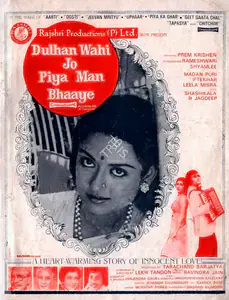
Barjatya, Tarachand (Producer), Dulhan Wahi Jo Piya Man Bhaaye, 1977 | Song-Synopsis Booklet
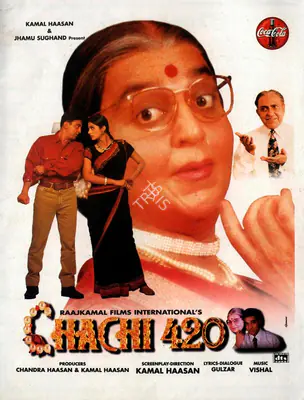
Haasan, Kamal (Producer), Chachi 420, 1997 | Song-Synopsis Booklet
No more items to load
Data not found
Sort By | Year (ASC)
Barjatya, Tarachand (Producer), Dulhan Wahi Jo Piya Man Bhaaye, 1977 | Song-Synopsis Booklet
Haasan, Kamal (Producer), Chachi 420, 1997 | Song-Synopsis Booklet
No more items to load

EN
EN