Kishore Kumar
Kishore Kumar (born: August 4, 1929 – died: October 13, 1987) was one of the most famous playback singers of Indian cinema. He was also known as a good actor. In the Hindi film industry, he sang in many Indian languages including Bengali, Hindi, Marathi, Assamese, Gujarati, Kannada, Bhojpuri, Malayalam, Oriya and Urdu. He won 8 Filmfare Awards for Best Male Playback Singer and holds the record for winning the most Filmfare Awards in that category. In the same year, he was honoured with the Lata Mangeshkar Award by the Madhya Pradesh Government. From that year onwards, the Madhya Pradesh Government started the "Kishore Kumar Award" (a new award) for contribution to Hindi cinema.
Kishore Kumar was born on 4 August 1929 in Khandwa city of Madhya Pradesh to Shri Kunjilal, a well-known lawyer there. Kishore Kumar's original name was Abhas Kumar Ganguly. Kishore Kumar was the fourth among four siblings. He remembered Khandwa in every moment of his life. Whenever he performed on any public platform or in any function, he would proudly say Kishore Kumar Khandwa Wale. Such devotion towards his birthplace and motherland is seen in very few people.
Kishore Kumar studied at Christian College, Indore, and had a habit of borrowing money from the college canteen to eat for himself and feed his friends. It was a time when even a loan of 10-20 paise was a significant amount. When Kishore Kumar owed the canteen owner five rupees twelve annas, and the owner asked him to pay his five rupees twelve annas, he would sit in the canteen and create various tunes by banging a glass and spoon on the table, singing "five rupees twelve annas" and ignoring the owner. Later, he used this "five rupees twelve annas" very effectively in one of his songs. Very few people know the origin story of the "five rupees twelve annas" song.
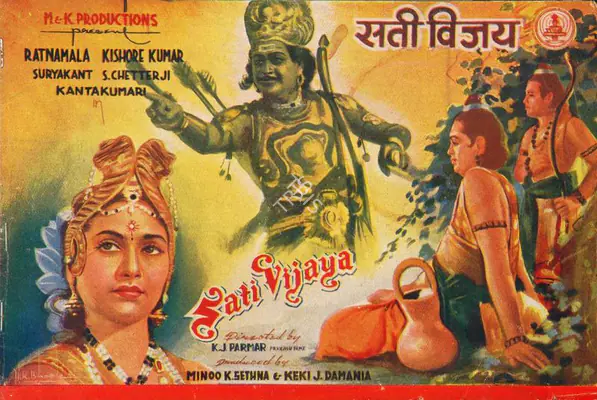
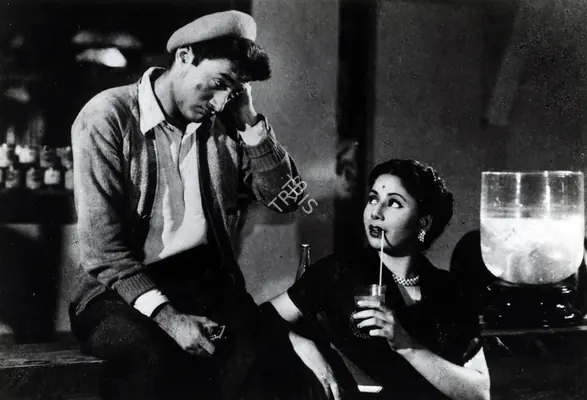
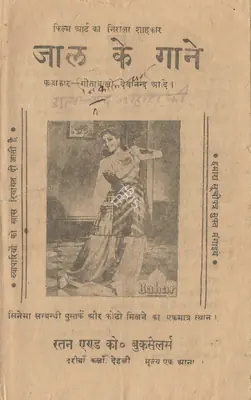
Kumar made his acting debut with the film Shikari (1946), starring his elder brother Ashok Kumar in the lead role. He got his first singing opportunity in the 1948 film Ziddi, where he sang for Dev Anand. Kishore Kumar was a great admirer of K. L. Saigal, so he sang this song in his style. Despite the success of Ziddi, he neither gained recognition nor significant work. In 1951, he starred as the hero in Phani Majumdar's film "Andolan," but the film flopped. In 1954, he showcased his impressive acting talent by playing the sensitive role of an unemployed youth in Bimal Roy 's "Naukri." This was followed by "Baap Re Baap" in 1955, "Nayi Dilli" in 1956, "Mr. Mary" and "Aasha" in 1957, and "Chalti Ka Naam Gaadi" in 1958. Kishore Kumar worked with his two brothers, Ashok Kumar and Anoop Kumar, and his co-star was Madhubala. Interestingly, Mohammed Rafi provided the voice for Kishore Kumar in several of his early films. Mohammed Rafi lent his voice to Kishore Kumar in the films "Ragini (1968)" and "Shararat (1959)" and charged only one rupee. Kishore Kumar first approached S.D. Burman for work, who had previously given him a chance to sing in the 1950 film "Pyaar." S.D. Burman then offered him a song in the film "Bahaar (1951)," "Kusur Aap Ka (1951)," and this song became a huge hit.
Kishore Kumar was married four times. His first wife was Bengali singer and actress Ruma Guha Thakurta, also known as Ruma Ghosh. The marriage lasted from 1950 to 1958. His second marriage was to actress Madhubala, who had worked with him in several films, including his home-made films Chalti Ka Naam Gaadi (1958) and Jhoomoo (1961). When Kishore Kumar proposed to her, Madhubala was ill and planning to go to London for treatment. She had ventricular septal disease (a hole in the heart), and Kishore Kumar was still married to Ruma. After their divorce, the couple entered into a civil marriage in 1960, and Kishore Kumar converted to Islam and reportedly changed his name to Karim Abdul. His parents refused to attend the wedding ceremony. To appease their parents, the couple also married according to the Hindu marriage system, but they never accepted Madhubala as their daughter-in-law. Within a month of the marriage, Madhubala moved back to her bungalow in Bandra due to tensions at her husband Kishore Kumar's house. However, they remained married, but the rest of Madhubala's life was filled with tension. The relationship ended with Madhubala's death on 23 February 1969.
Kishore Kumar's third marriage was to Yogita Bali, which lasted from 1976 to August 4, 1978. Kishore Kumar's fourth and final marriage was to Leena Chandavarkar in 1980. Kishore Kumar had two sons, Amit Kumar with Ruma, and Sumit Kumar with Leena Chandavarkar.
Kishore Kumar was born on 4 August 1929 in Khandwa city of Madhya Pradesh to Shri Kunjilal, a well-known lawyer there. Kishore Kumar's original name was Abhas Kumar Ganguly. Kishore Kumar was the fourth among four siblings. He remembered Khandwa in every moment of his life. Whenever he performed on any public platform or in any function, he would proudly say Kishore Kumar Khandwa Wale. Such devotion towards his birthplace and motherland is seen in very few people.
Kishore Kumar studied at Christian College, Indore, and had a habit of borrowing money from the college canteen to eat for himself and feed his friends. It was a time when even a loan of 10-20 paise was a significant amount. When Kishore Kumar owed the canteen owner five rupees twelve annas, and the owner asked him to pay his five rupees twelve annas, he would sit in the canteen and create various tunes by banging a glass and spoon on the table, singing "five rupees twelve annas" and ignoring the owner. Later, he used this "five rupees twelve annas" very effectively in one of his songs. Very few people know the origin story of the "five rupees twelve annas" song.
Kumar made his acting debut with the film Shikari (1946), starring his elder brother Ashok Kumar in the lead role. He got his first singing opportunity in the 1948 film Ziddi, where he sang for Dev Anand. Kishore Kumar was a great admirer of K. L. Saigal, so he sang this song in his style. Despite the success of Ziddi, he neither gained recognition nor significant work. In 1951, he starred as the hero in Phani Majumdar's film "Andolan," but the film flopped. In 1954, he showcased his impressive acting talent by playing the sensitive role of an unemployed youth in Bimal Roy 's "Naukri." This was followed by "Baap Re Baap" in 1955, "Nayi Dilli" in 1956, "Mr. Mary" and "Aasha" in 1957, and "Chalti Ka Naam Gaadi" in 1958. Kishore Kumar worked with his two brothers, Ashok Kumar and Anoop Kumar, and his co-star was Madhubala. Interestingly, Mohammed Rafi provided the voice for Kishore Kumar in several of his early films. Mohammed Rafi lent his voice to Kishore Kumar in the films "Ragini (1968)" and "Shararat (1959)" and charged only one rupee. Kishore Kumar first approached S.D. Burman for work, who had previously given him a chance to sing in the 1950 film "Pyaar." S.D. Burman then offered him a song in the film "Bahaar (1951)," "Kusur Aap Ka (1951)," and this song became a huge hit.
Kishore Kumar was married four times. His first wife was Bengali singer and actress Ruma Guha Thakurta, also known as Ruma Ghosh. The marriage lasted from 1950 to 1958. His second marriage was to actress Madhubala, who had worked with him in several films, including his home-made films Chalti Ka Naam Gaadi (1958) and Jhoomoo (1961). When Kishore Kumar proposed to her, Madhubala was ill and planning to go to London for treatment. She had ventricular septal disease (a hole in the heart), and Kishore Kumar was still married to Ruma. After their divorce, the couple entered into a civil marriage in 1960, and Kishore Kumar converted to Islam and reportedly changed his name to Karim Abdul. His parents refused to attend the wedding ceremony. To appease their parents, the couple also married according to the Hindu marriage system, but they never accepted Madhubala as their daughter-in-law. Within a month of the marriage, Madhubala moved back to her bungalow in Bandra due to tensions at her husband Kishore Kumar's house. However, they remained married, but the rest of Madhubala's life was filled with tension. The relationship ended with Madhubala's death on 23 February 1969.
Kishore Kumar's third marriage was to Yogita Bali, which lasted from 1976 to August 4, 1978. Kishore Kumar's fourth and final marriage was to Leena Chandavarkar in 1980. Kishore Kumar had two sons, Amit Kumar with Ruma, and Sumit Kumar with Leena Chandavarkar.
The whole holding