CINE.cma | Single-screen Cinema Hall focused ephemera / memorabilia, from souvenirs, brochures to photographs of hoardings, lobby displays etc
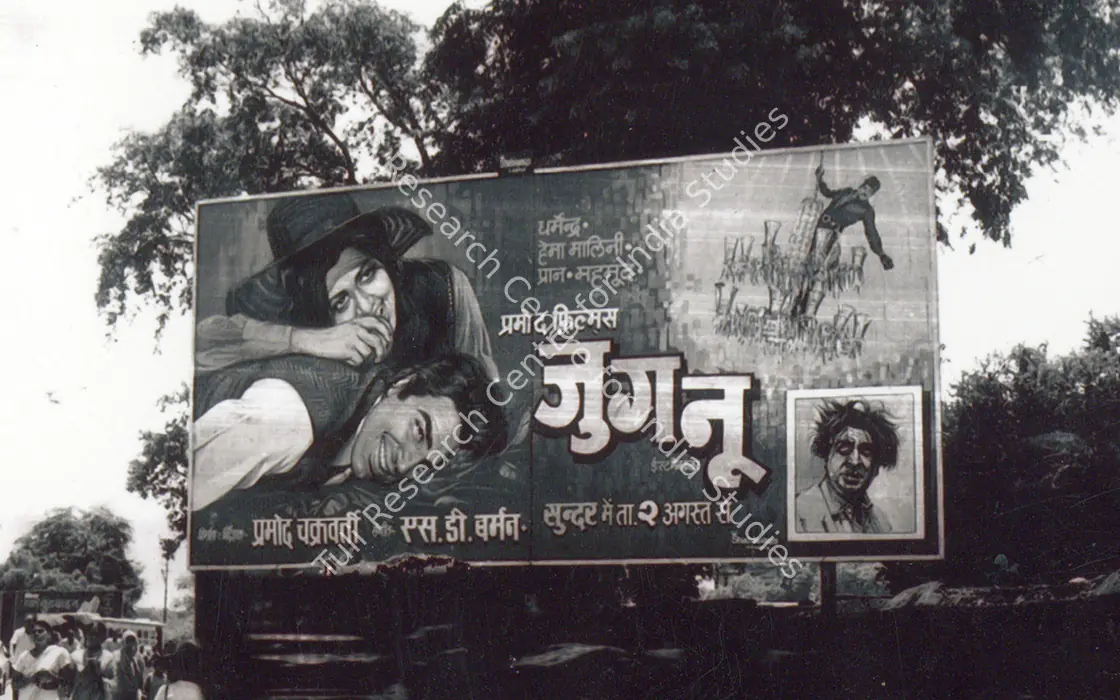
The history of the commercial exhibition of the motion pictures dates to the late nineteenth-century with the Lumiere Brothers, Louis and Auguste showing a 20-minute programme including ten short films in the basement of The Salon Indien, at Grand Cafe on Paris' Boulevard des Capucines. Since the time of shadow plays and magic lantern shows, the development of mechanical motion picture projectors like the Cinematograph and Vitascope revolutionised the business of viewership, in vaudeville houses and store-front nickelodeons offering cheap five-cent entries. They paved the way for the construction of dedicated movie palaces or picture palaces in the years leading up to World War I. Ornate facades, French burlesque, high gothic and Italian renaissance style entertainment architecture, luxurious and increased seating, snacks and temperature-controlled spaces, supported the immersive viewing of lengthier feature films that were targeting family viewership. Technicolour and talkies came into being. Soon, theatres were billing two films, a main feature and a second B-movie. On the Indian front, bioscope shows were a popular form of entertainment. Jamshedji Framji Madan monetised the demand by establishing the first dedicated single screen hall of India, Chaplin Cinema in Kolkata, 1905. Supported by flourishing film studios - billboards, posters, standees, lobby cards and other forms of print advertisement erupted on the scene to publicise new releases. India's Nehruvian modernisation of the urban built environment oversaw the rise of Art-Deco style film theatres in cities and suburban towns until the early 2000s, when the single screen economy became unsustainable and television became omnipresent and multiplexes took over.
The history of the commercial exhibition of the motion pictures dates to the late nineteenth-century with the Lumiere Brothers, Louis and Auguste showing a 20-minute programme including ten short films in the basement of The Salon Indien, at Grand Cafe on Paris' Boulevard des Capucines. Since the time of shadow plays and magic lantern shows, the development of mechanical motion picture projectors like the Cinematograph and Vitascope revolutionised the business of viewership, in vaudeville houses and store-front nickelodeons offering cheap five-cent entries. They paved the way for the construction of dedicated movie palaces or picture palaces in the years leading up to World War I. Ornate facades, French burlesque, high gothic and Italian renaissance style entertainment architecture, luxurious and increased seating, snacks and temperature-controlled spaces, supported the immersive viewing of lengthier feature films that were targeting family viewership. Technicolour and talkies came into being. Soon, theatres were billing two films, a main feature and a second B-movie. On the Indian front, bioscope shows were a popular form of entertainment. Jamshedji Framji Madan monetised the demand by establishing the first dedicated single screen hall of India, Chaplin Cinema in Kolkata, 1905. Supported by flourishing film studios - billboards, posters, standees, lobby cards and other forms of print advertisement erupted on the scene to publicise new releases. India's Nehruvian modernisation of the urban built environment oversaw the rise of Art-Deco style film theatres in cities and suburban towns until the early 2000s, when the single screen economy became unsustainable and television became omnipresent and multiplexes took over.
Loading...

EN
EN